'Show the face of war' as Pope Leo XIV urges journalists to verify facts and resist propaganda
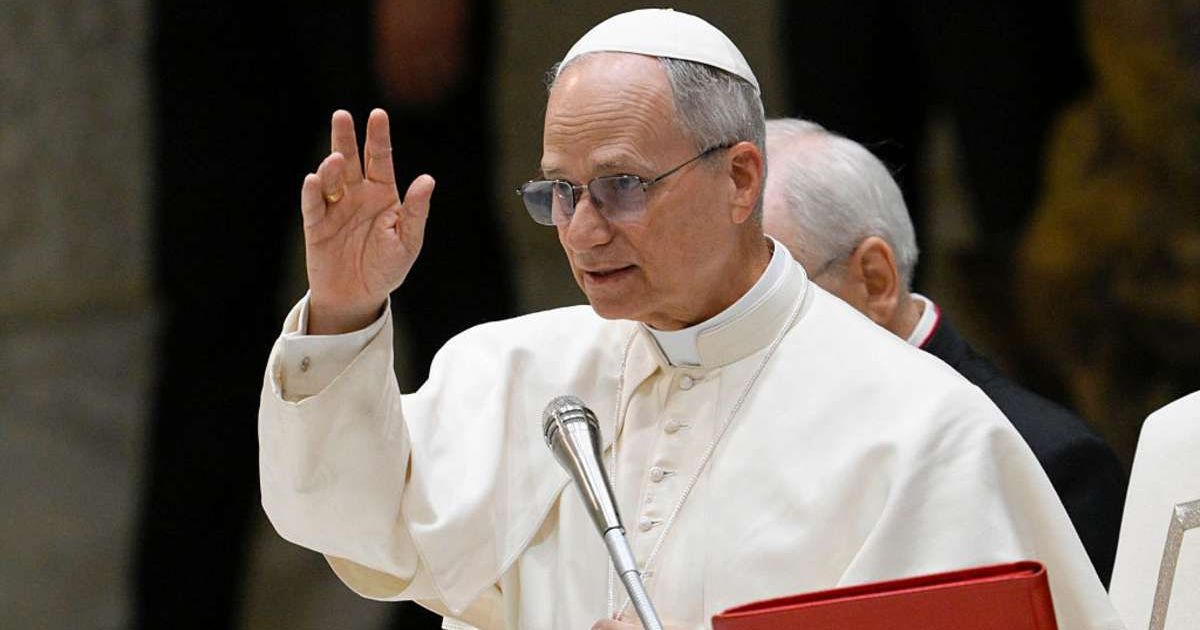
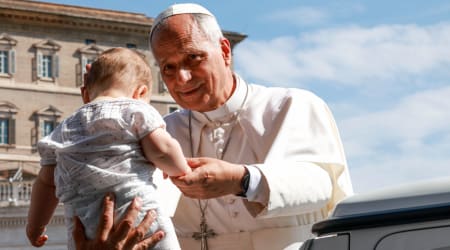
VATICAN CITY: Pope Leo XIV has urged journalists and news organizations to focus on the human toll of armed conflict and avoid coverage that risks becoming propaganda.
In remarks delivered Monday, the first American pontiff called on reporters to verify information carefully and highlight the suffering experienced by civilians during wartime.
The comments come amid ongoing conflicts in the Middle East and growing debate about how war is portrayed in the media.
Leo said journalists have a responsibility to present the realities of war rather than amplifying the voices of those in power.
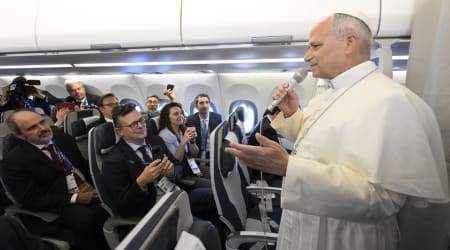
His remarks were delivered during a meeting with broadcasters and in a social media message underscoring the importance of responsible journalism during times of conflict.
Pope Leo calls on journalists to ‘show the face of war’ and verify information
Pope Leo stressed that wartime reporting carries a particular responsibility to present accurate information and highlight the experiences of those affected by violence.
“In the dramatic circumstances of war, information must guard against the risk of turning into propaganda,” Pope Leo said in a social media post.
He added that journalists must remain vigilant in verifying facts to prevent reporting from becoming a tool for those in power. “It is every journalist's duty to verify the news, so as not to become a megaphone for power. They must show the suffering that war always brings to populations, which entails showing the face of war and recounting it through the eyes of victims.”
In the dramatic circumstances of war, information must guard against the risk of turning into propaganda. It is every journalist's duty to verify the news, so as not to become a megaphone for power. They must show the suffering that war always brings to populations, which entails…
— Pope Leo XIV (@Pontifex) March 16, 2026
Speaking separately during a meeting with broadcasters from Italy’s TG2 television news program, Leo reiterated that reporters should present the human consequences of armed conflict.
He urged journalists “to show the face of war and tell it through the eyes of the victims, so as not to turn it into a video game.”
Leo’s comments also come as journalists face increasing challenges in documenting events in conflict zones.
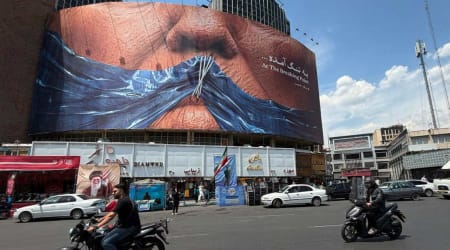
In Iran, authorities have restricted internet access and tightly controlled communications, making it difficult for independent images and information to emerge.
At the same time, some US allies in the Gulf that have been targeted by Iranian strikes, including the United Arab Emirates, have imposed restrictions on sharing images depicting damage from the attacks.
FCC chair says broadcast license reviews could be accelerated
The debate over media coverage of major global events is unfolding alongside increased regulatory scrutiny of US broadcasters.
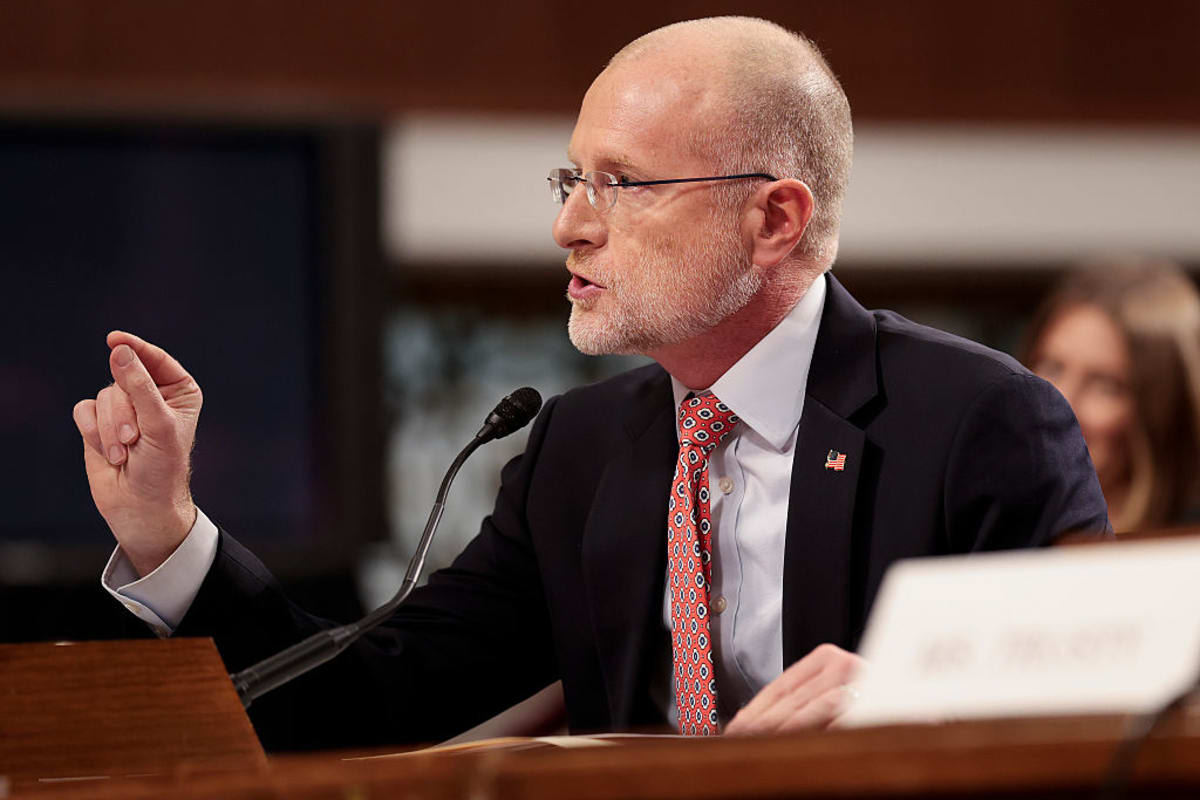
The chair of the Federal Communications Commission (FCC), Brendan Carr said the agency could potentially accelerate the review of broadcast licenses held by television stations as it investigates several news organizations. “You can do early renewals,” Carr said.
The FCC currently issues broadcast licenses to individual stations for eight-year terms. According to the agency’s website, the next round of renewals is scheduled for October 2028.
However, Carr indicated that reviews could take place sooner. “The licenses could come up earlier than 2028,” he said. “Maybe we would, maybe we wouldn't. They could.”
Carr said the agency has multiple investigations underway involving major broadcasters, including NBC, ABC, PBS and NPR.
When asked whether license revocations could occur depending on the outcomes of those inquiries, he said the possibility remained under consideration. “All of that stuff is on the table,” Carr said.