Scott Bessent pushes Iran oil sanctions pause to ease prices: ‘Use Iranian barrels against Iran’
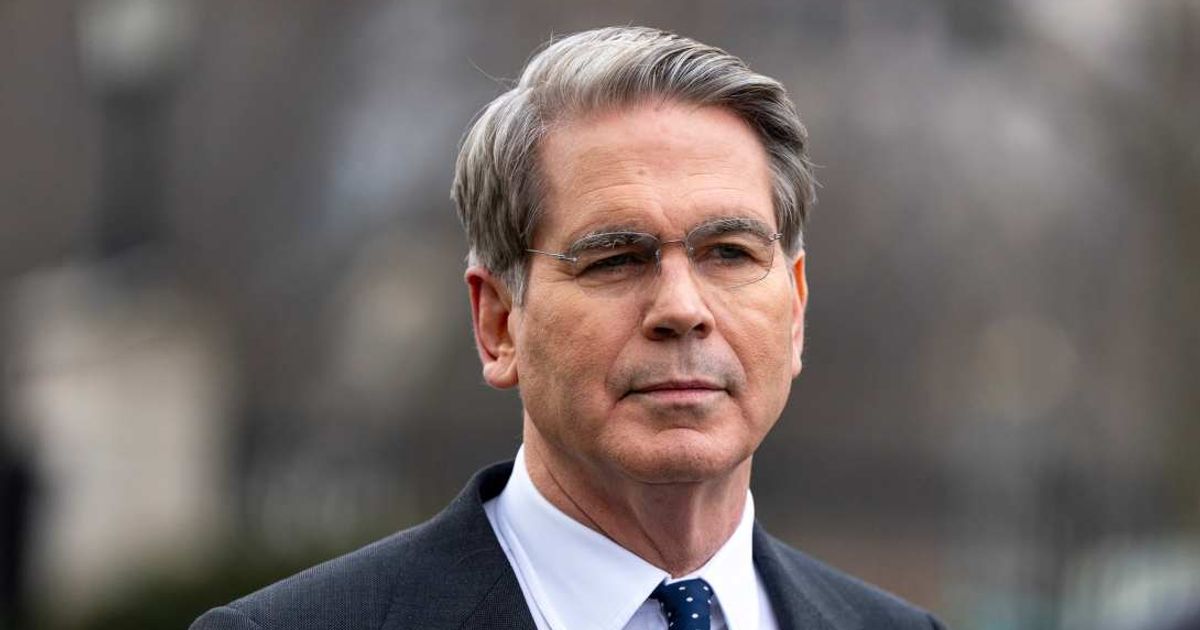
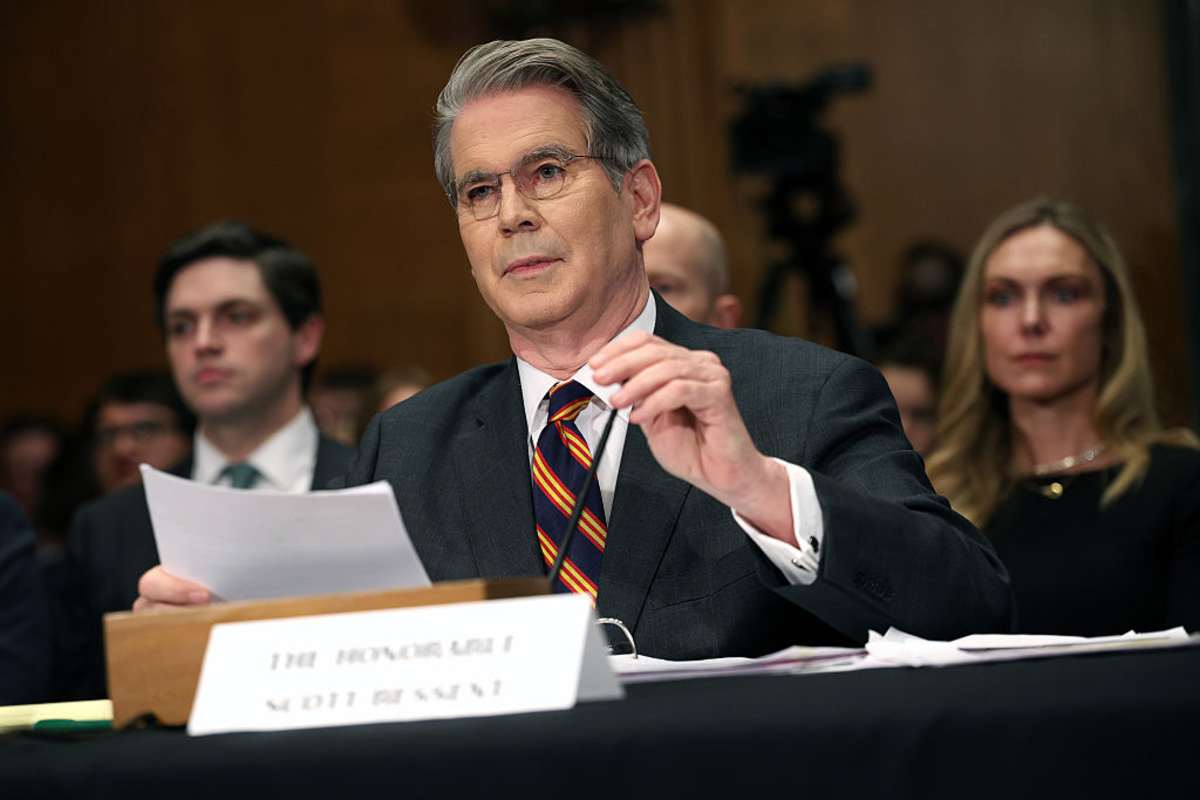
WASHINGTON, DC: Secretary of the Treasury Scott Bessent announced on Saturday, March 21, a temporary pause in sanctions targeting Iranian oil that has been “stranded at sea,” aiming to address rapidly rising global energy prices.
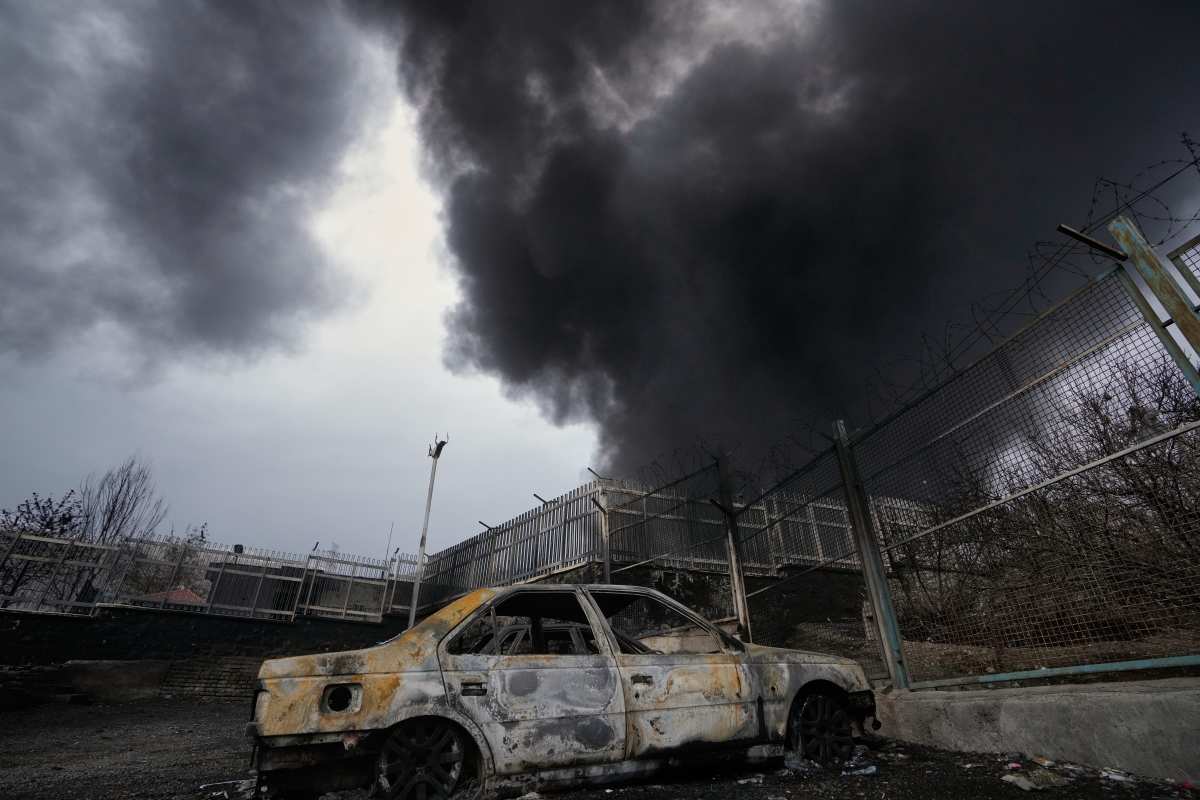
Amid mounting pressure on global oil markets and supply chains caused by Iran’s blockade of the Strait of Hormuz, officials characterized the measure as a narrowly focused, short-term response. It is intended to ease immediate supply constraints without fully lifting broader sanctions on Iran.
Iran is the head of the snake for global terrorism, and through President Trump’s Operation Epic Fury, we are winning this critical fight at an even faster pace than anticipated. In response to Iran’s terrorist attacks against global energy infrastructure, the Trump…
— Treasury Secretary Scott Bessent (@SecScottBessent) March 20, 2026
Scott Bessent on policy decision and scope of sanctions pause
“Today, the Department of the Treasury is issuing a narrowly tailored, short-term authorization permitting the sale of Iranian oil currently stranded at sea,” Bessent announced on X. He further added that easing sanctions would allow 140 million barrels of oil to enter global markets and help “relieve the temporary pressures on supply caused by Iran.”
Bessent further said, “At present, sanctioned Iranian oil is being hoarded by China on the cheap. By temporarily unlocking this existing supply for the world, the United States will quickly bring approximately 140 million barrels of oil to global markets, expanding the amount of worldwide energy and helping to relieve the temporary pressures on supply caused by Iran.”
He continued, “In essence, we will be using the Iranian barrels against Tehran to keep the price down as we continue Operation Epic Fury. This temporary, short-term authorization is strictly limited to oil that is already in transit and does not allow new purchases or production."
He further emphasized that, “Iran will have difficulty accessing any revenue generated and the United States will continue to maintain maximum pressure on Iran and its ability to access the international financial system.”
Bessent stated the broader strategy of, “Trump Administration has been working to bring around 440 million additional barrels of oil to the global market, undercutting Iran’s ability to leverage its disruptions in the Strait of Hormuz.”
He also highlighted domestic energy progress, adding, “President Trump’s pro-energy agenda has driven US oil and gas production to record levels, strengthening energy security and lowering fuel costs.”
Underscoring the long-term outlook, he noted, “Any short-term disruption now will ultimately translate into longer-term economic gains for Americans — because there is no prosperity without security.”
Sanctions easing sparks political and global market concerns
The decision to lift restrictions on Iranian oil after years of enforcing “maximum pressure” on the country’s energy exports highlights the extent to which the Trump administration is willing to act in order to bring down global oil prices.
Rising gas prices in the US have also emerged as a political challenge for President Donald Trump and Republicans ahead of the November midterm elections.
While the US does not import oil from Iran, Bessent indicated that countries such as Malaysia, Singapore, Indonesia, Japan, and India could benefit from the sanctions waiver. However, it remains uncertain whether international banks will immediately move to facilitate transactions involving Iranian oil.
In a related move, the US last week also approved the purchase of Russian oil already at sea for a one-month period, offering temporary relief from the strict sanctions imposed after Russia’s full-scale invasion of Ukraine.
The decisions have sparked controversy, with Congressional Democrats strongly criticizing the administration for easing restrictions on Russian oil, arguing that it could financially benefit its war effort.
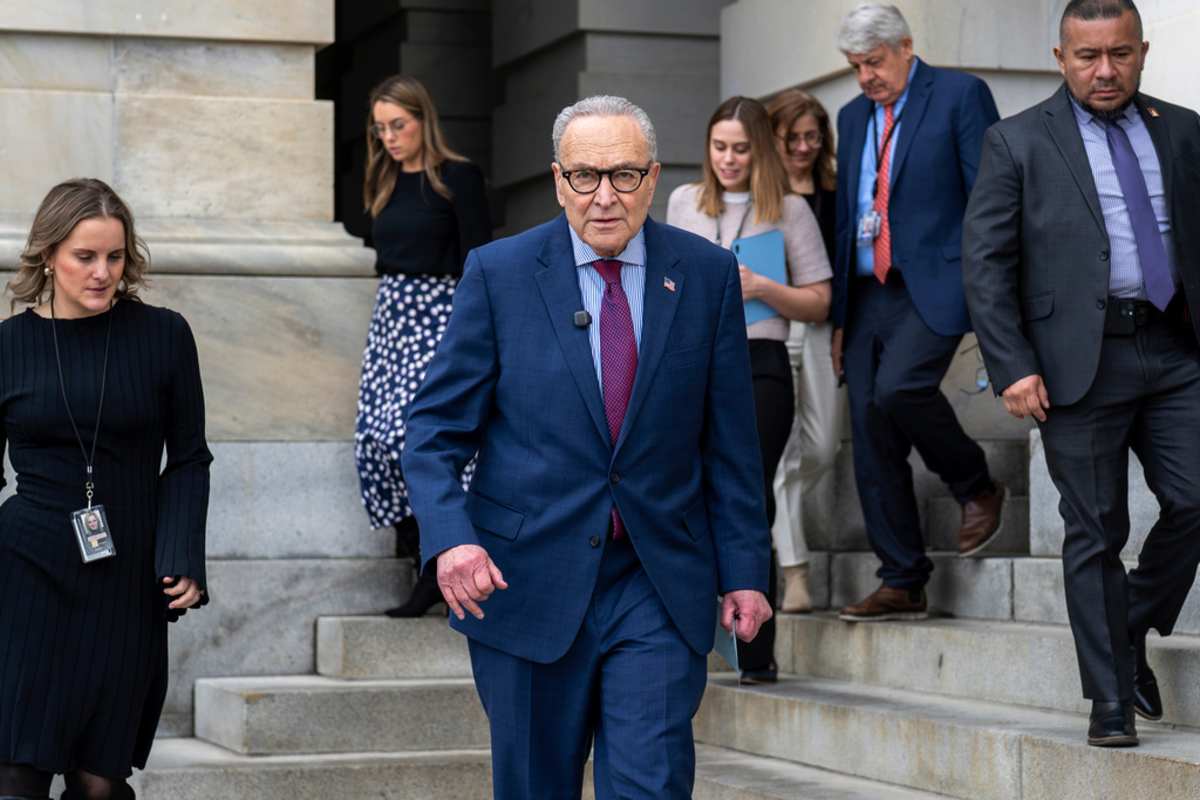
“The new channels for evasion the President is opening, coupled with dramatically higher global energy prices, are giving Putin a huge financial boost and the means to continue his bloody war in Ukraine,” Senate Minority Leader Chuck Schumer and several other Senate Democrats said in a joint statement earlier this month.