Trump suspends century-old Jones Act to ease fuel crisis as oil tops $100
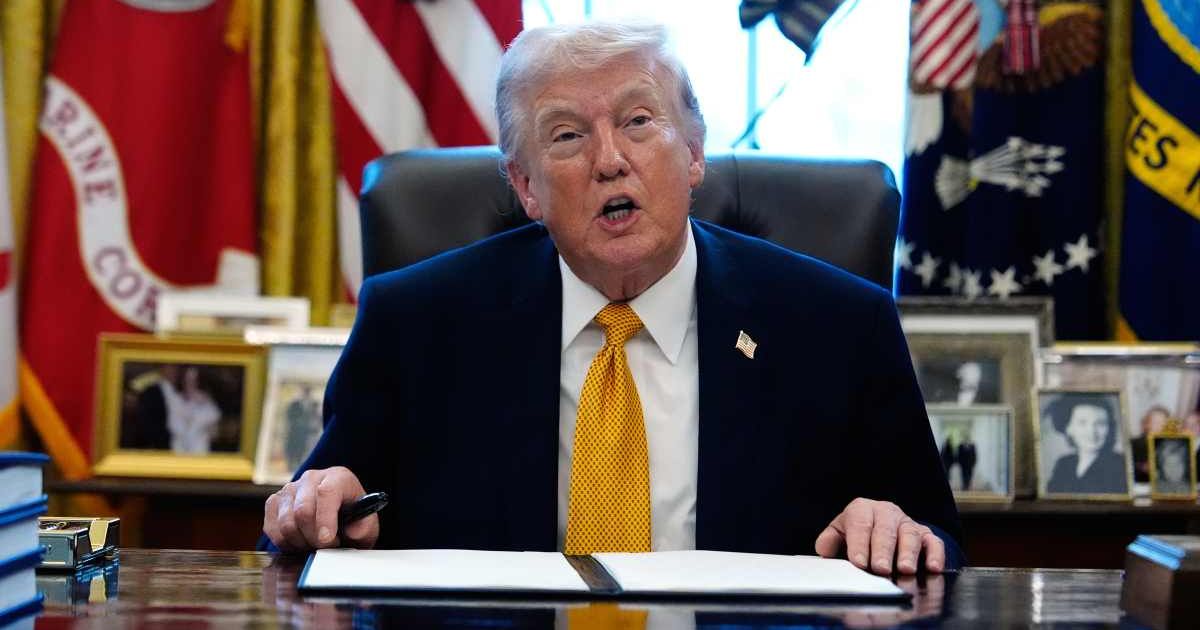
WASHINGTON, DC: President Donald Trump on Wednesday, March 18, issued a 60-day waiver of the 'Jones Act', temporarily allowing foreign-flagged ships to transport fuel between US ports in an effort to address rising energy prices.
The move comes as global oil markets face volatility linked to ongoing geopolitical tensions, including conflict in the Middle East.
The century-old maritime law typically restricts domestic shipping to US-built, flagged and crewed vessels, limiting the number of tankers available for transporting fuel within the country.
Officials say the waiver is intended to ease short-term supply constraints and stabilize prices.

Waiver aims to ease supply disruptions and stabilize energy markets
The 'Jones Act', enacted in 1920, requires that goods transported between US ports be carried on American-built and operated ships.
By temporarily lifting these restrictions, the administration is allowing foreign vessels to help move key resources such as oil, natural gas, fertilizer and coal.
White House Press Secretary Karoline Leavitt said the waiver is part of broader efforts to address disruptions in energy markets.
"President Trump's decision to issue a 60-day Jones Act waiver is just another step to mitigate the short-term disruptions to the oil market as the US military continues meeting the objectives of Operation Epic Fury," she said.
President Trump’s decision to issue a 60-day Jones Act waiver is just another step to mitigate the short-term disruptions to the oil market as the U.S. military continues meeting the objectives of Operation Epic Fury.
— Karoline Leavitt (@PressSec) March 18, 2026
This action will allow vital resources like oil, natural… https://t.co/q6xu36exzy
"This action will allow vital resources like oil, natural gas, fertilizer and coal to flow freely to US ports for sixty days, and the Administration remains committed to continuing to strengthen our critical supply chains," she added.
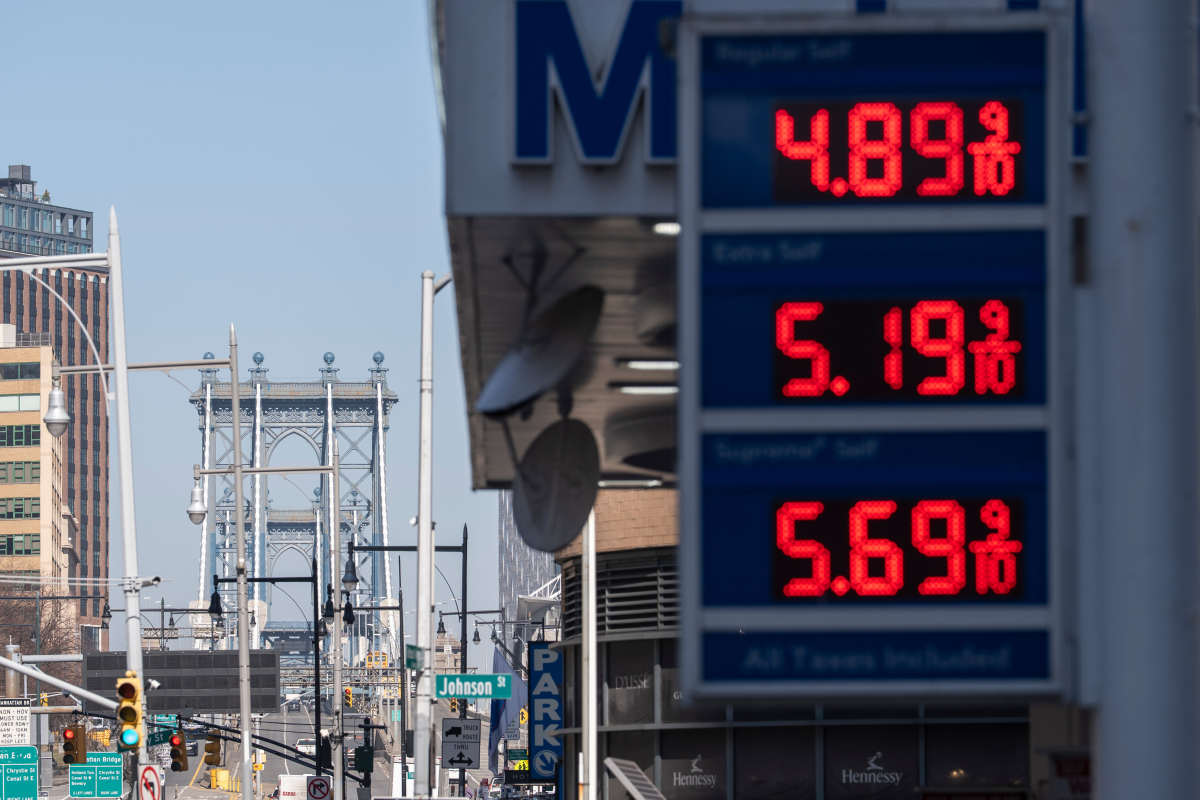
The decision comes as fuel prices have risen sharply in recent weeks. According to AAA data, the national average price for gasoline reached $3.84 per gallon, up from $2.92 a month earlier.
Diesel prices have climbed even higher, surpassing $5 per gallon, marking their highest level since late 2022.
Officials have linked the price increases to global supply disruptions tied to conflict in the Middle East, including tensions affecting shipping through key waterways such as the Strait of Hormuz, a major transit route for global oil supplies.
In addition to the 'Jones Act' waiver, the administration has taken other steps aimed at boosting supply.
The US Treasury Department announced it plans to ease sanctions on Venezuela, allowing American companies to conduct business with the country’s state-owned oil firm, Petróleos de Venezuela SA, and enabling Venezuelan oil to reach US and global markets.
Experts question impact as geopolitical tensions continue to drive prices
While the waiver is intended to provide short-term relief, some analysts have questioned how much it will reduce prices for consumers.
A recent analysis by the Center for American Progress estimated that lifting 'Jones Act' restrictions could lower gasoline prices by approximately three cents per gallon, suggesting only a modest impact.
At the same time, broader global factors continue to shape energy markets. Oil prices have surged, with Brent crude trading above $100 per barrel and US crude nearing similar levels.

Treasury Secretary Scott Bessent said earlier this week that the US has allowed Iranian oil shipments to continue in order to support global markets.
“We think that there will be a natural opening that the Iranians are letting out, and for now, we’re fine with that. We want the world to be well supplied,” he said.