Wright criticizes Biden's 'drained' oil reserve, backs Trump's SPR plan amid global supply shock
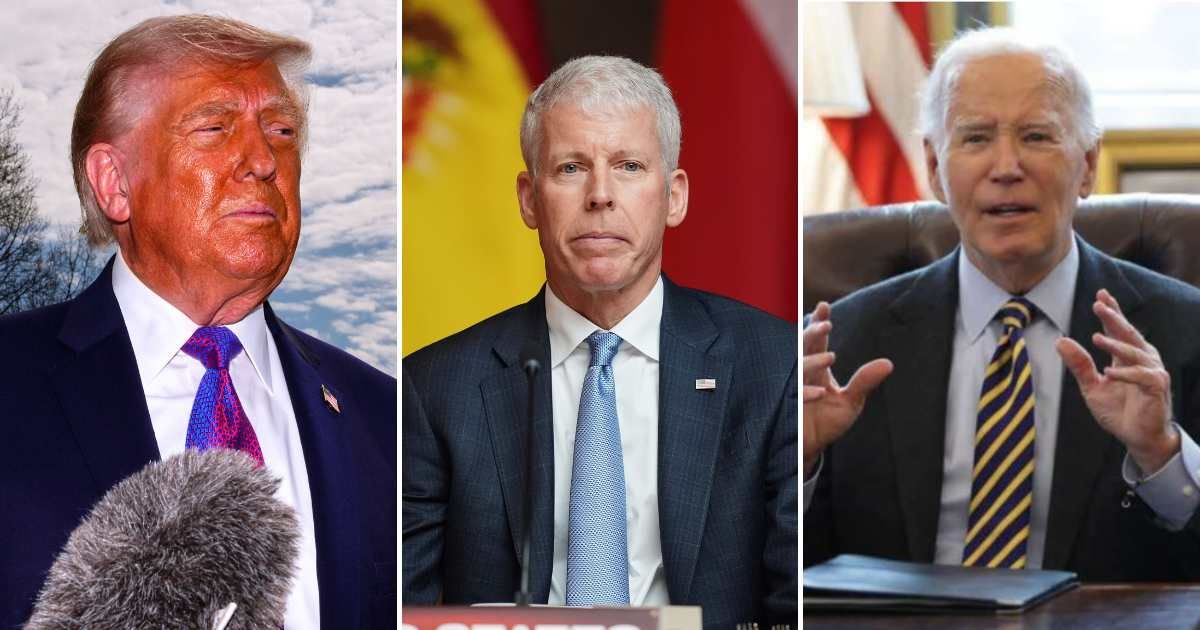
.@SecretaryWright slams the Biden administration for abusing the Strategic Petroleum Reserve to lower gas prices for a midterm election, lays out the Trump Administration's plan to take oil from the SPR, and replenish it responsibly, with even more oil than currently sits. pic.twitter.com/uryl81QILB
— Rapid Response 47 (@RapidResponse47) March 12, 2026
WASHINGTON, DC: Energy Secretary Chris Wright defended the Trump administration’s decision to release oil from the Strategic Petroleum Reserve (SPR) amid global supply disruptions linked to the conflict with Iran.
The move comes as oil prices surge and energy markets face what officials describe as a major supply shock.
During an interview on Thursday, March 12, Wright criticized the previous administration for releasing oil from the reserve during the Russia-Ukraine war, arguing that the move was politically motivated.
His comments drew attention to similarities between the two situations, as both administrations used the nation’s emergency oil stockpile during global supply disruptions.
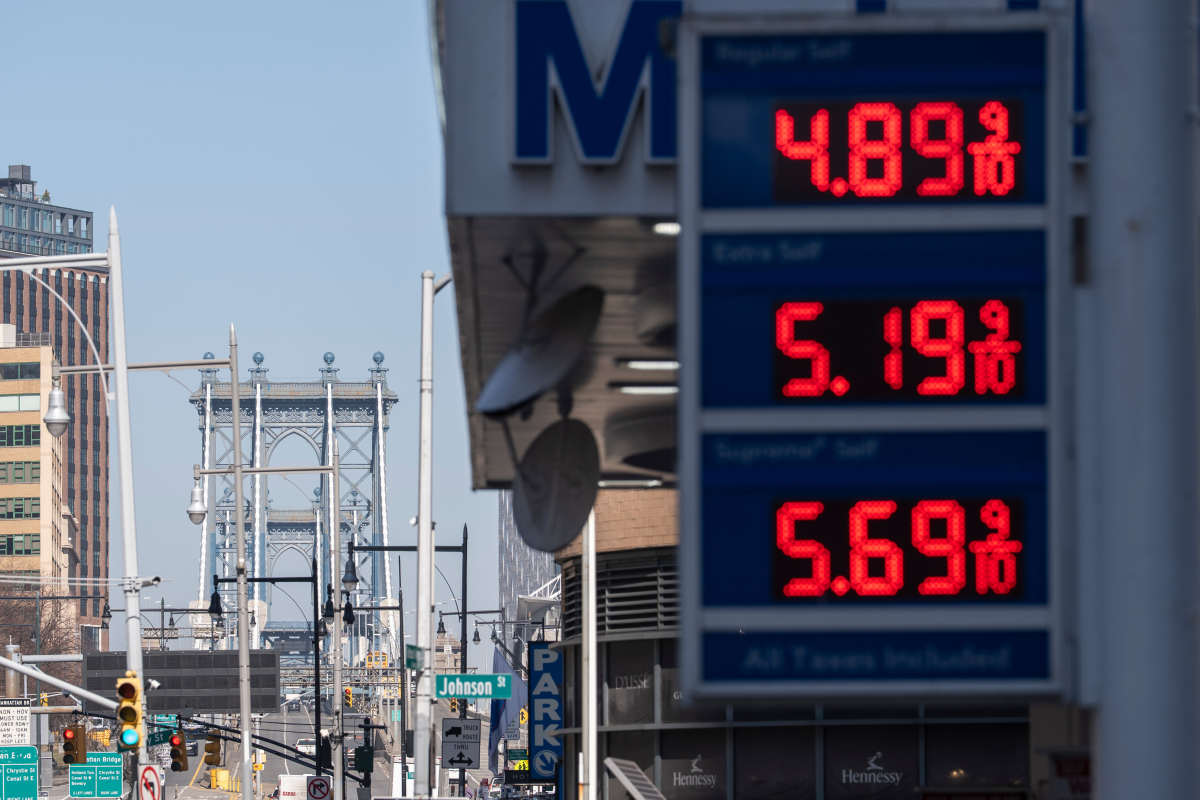
Chris Wright says Joe Biden drained nearly 300 million SPR barrels
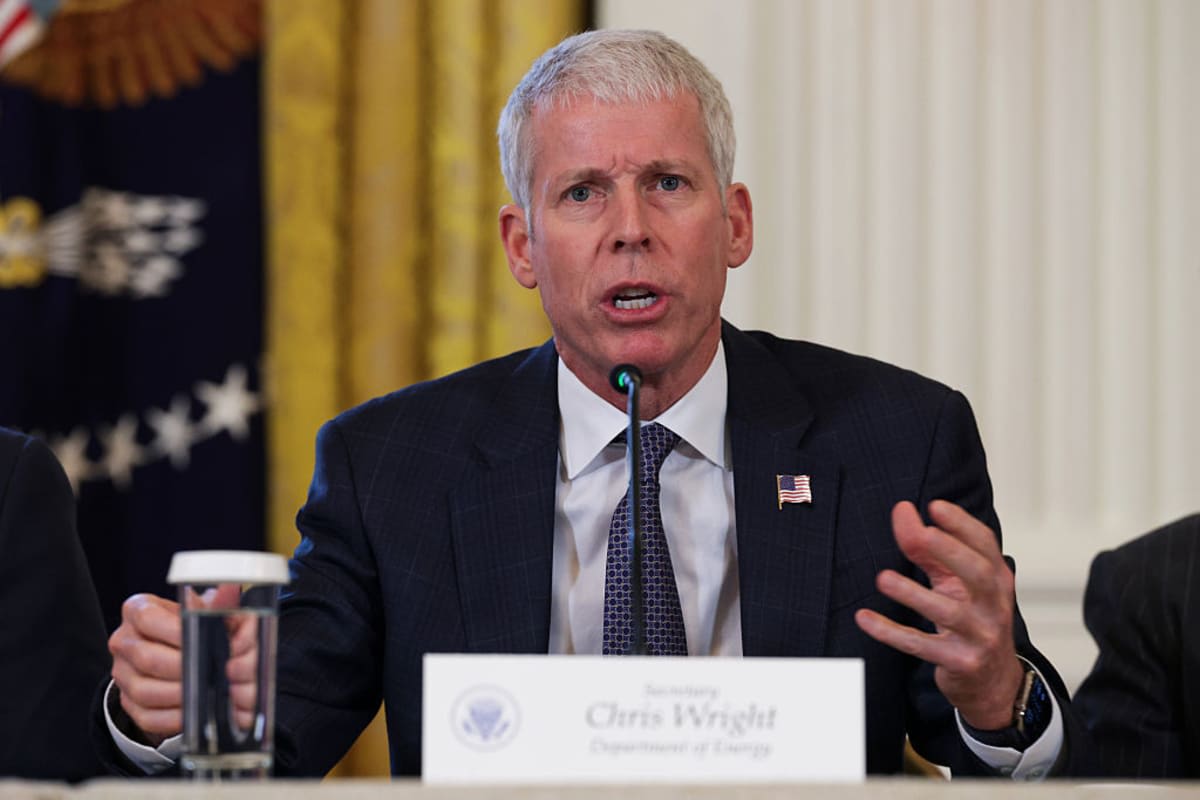
Speaking with Fox News, Energy Secretary Chris Wright defended the current administration’s decision to release oil from the Strategic Petroleum Reserve while criticizing former President Joe Biden for taking a similar step during the 2022 energy crisis.
“We have 415 million barrels in storage right now. Very unfortunately, the Biden administration drained almost 300 million barrels out to lower gasoline prices for a midterm election without disruptions in energy flows,” Wright said.
Wright also suggested that the previous administration did not sufficiently replenish the reserve after the releases.
His comments come as the United States again turns to the emergency stockpile to stabilize markets amid supply disruptions linked to the war involving Iran.
However, the circumstances surrounding the earlier drawdown differed in several ways. In 2022, the Biden administration released nearly half of the Strategic Petroleum Reserve after Russia’s invasion of Ukraine led to sanctions on Russian oil exports.
The sanctions removed roughly three million barrels per day of Russian crude from global markets, tightening supplies and pushing oil prices higher.
Prices initially surged before gradually stabilizing as Russia redirected exports to other buyers and additional production entered global markets.
The United States has since begun replenishing the reserve. The Department of Energy started buying oil to refill the stockpile in 2023 after prices declined.

During his presidential campaign, Donald Trump criticized Biden’s use of the reserve and pledged to restore it to full capacity. Despite oil prices falling below $60 per barrel earlier this year, the stockpile has not yet returned to pre-2022 levels.
Trump admin considers 'Jones' Act waiver as oil prices surge
Alongside the reserve drawdown, the Trump administration is also considering measures aimed at easing pressure on domestic energy markets as oil prices approach $100 per barrel.
Officials said the White House is reviewing the possibility of temporarily waiving provisions of the 'Jones Act', a century-old maritime law governing shipping between US ports.
The law generally requires that goods transported between American ports be carried on ships that are built, owned and operated by US companies.
White House Press Secretary Karoline Leavitt said that the administration is evaluating a limited waiver to help maintain the flow of energy products and other critical goods.
“In the interest of national defense, the White House is considering waiving the Jones Act for a limited period of time to ensure vital energy products and agricultural necessities are flowing freely to US ports,” Leavitt said in a statement. “This action has not been finalized."

A White House official added that the potential waiver would not affect domestic shipbuilding requirements. “The Administration can assure that this will not impact American shipbuilding,” the official said.