Trump blames Biden’s 'stupid open border' policies amid Iran sleeper cell concerns
DOOCY: If Iran tries to hit us back, have you been briefed about how many Iran sleeper cells there could be inside the US right now?
— Aaron Rupar (@atrupar) March 11, 2026
TRUMP: I have been, and a lot of people came in through Biden with his stupid open border. But we know where most of them are. pic.twitter.com/3mKVmq1uh9
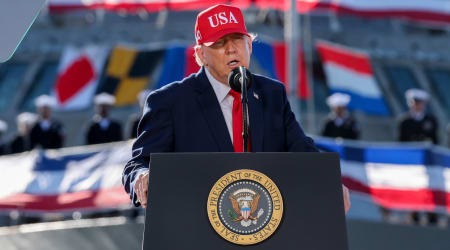
PRINCE GEORGE'S COUNTY, MARYLAND: President Donald Trump spoke with reporters about the monitoring of possible sleeper networks and covert communications as tensions escalate following the launch of the joint US–Israel military operation.
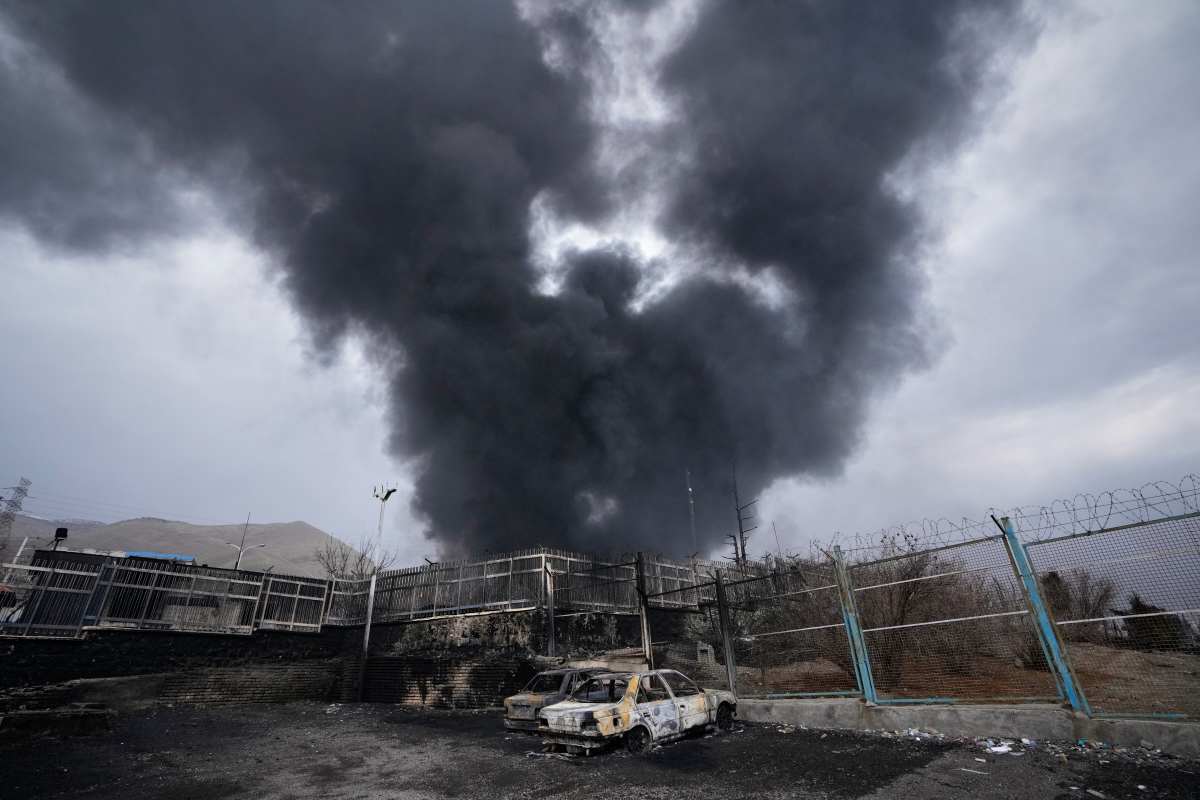
The operation began on February 28 and targets Iran’s military and political establishment amid growing concerns over its nuclear enrichment program. Trump’s remarks came as US intelligence and law enforcement agencies continue to assess potential threats linked to Iran in the aftermath of the attacks that killed Iran’s Supreme Leader Ayatollah Ali Khamenei.
Trump warns of sleeper cells and describes ongoing military operations
During a press interaction, Trump addressed concerns about possible retaliation from Iran and the presence of sleeper cells within the US. One reporter asked whether "if Iran tries to hit us back, have you been briefed about how many Iran sleeper cells there could be inside the US right now?"
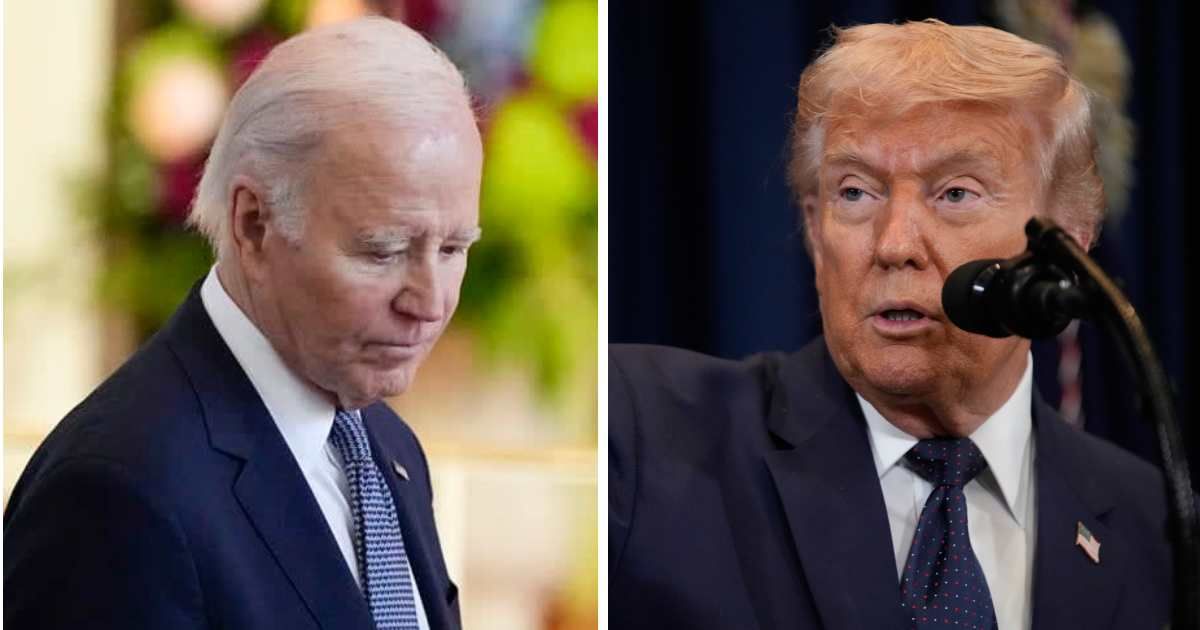
Trump replied that he had received briefings on the matter, “I have been, and a lot of people came in through Biden with his stupid open border, but we know where most of them are. We've got our eye on all of them, I think,” he said.
Trump further blamed former President Joe Biden’s immigration policies, “They came in through the open border policies of sleepy Joe Biden, one of the worst, the worst president in the history of our country," he added.
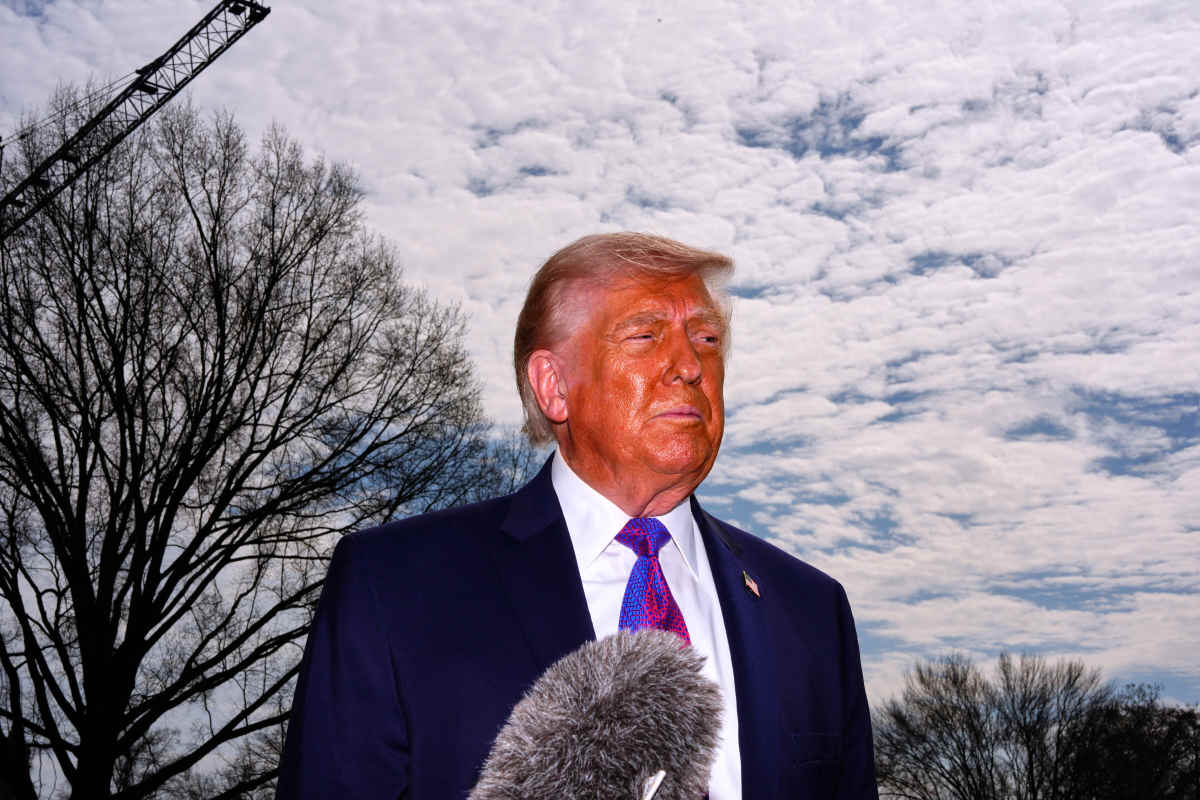
Trump also spoke about the progress of the war effort, “The war itself is being prosecuted at a level that nobody's seen before. It's pretty amazing to watch.” Separately, a federal government alert reviewed by ABC News stated that US authorities intercepted encrypted communications believed to have originated in Iran.
According to the alert, the transmission appeared shortly after the death of Iran’s Supreme Leader. The message was encoded and believed to be directed toward clandestine recipients possessing the required encryption key.
Officials said such communications are often designed to provide instructions to covert operatives or sleeper assets without relying on internet or cellular networks. The alert said the transmission may have been intended to activate or issue instructions to prepositioned sleeper assets outside Iran.
Although the alert stated there was no operational threat tied to a specific location, it instructed law enforcement agencies to increase monitoring of suspicious radio-frequency activity.
Trump military claims and Iran's calls for peace
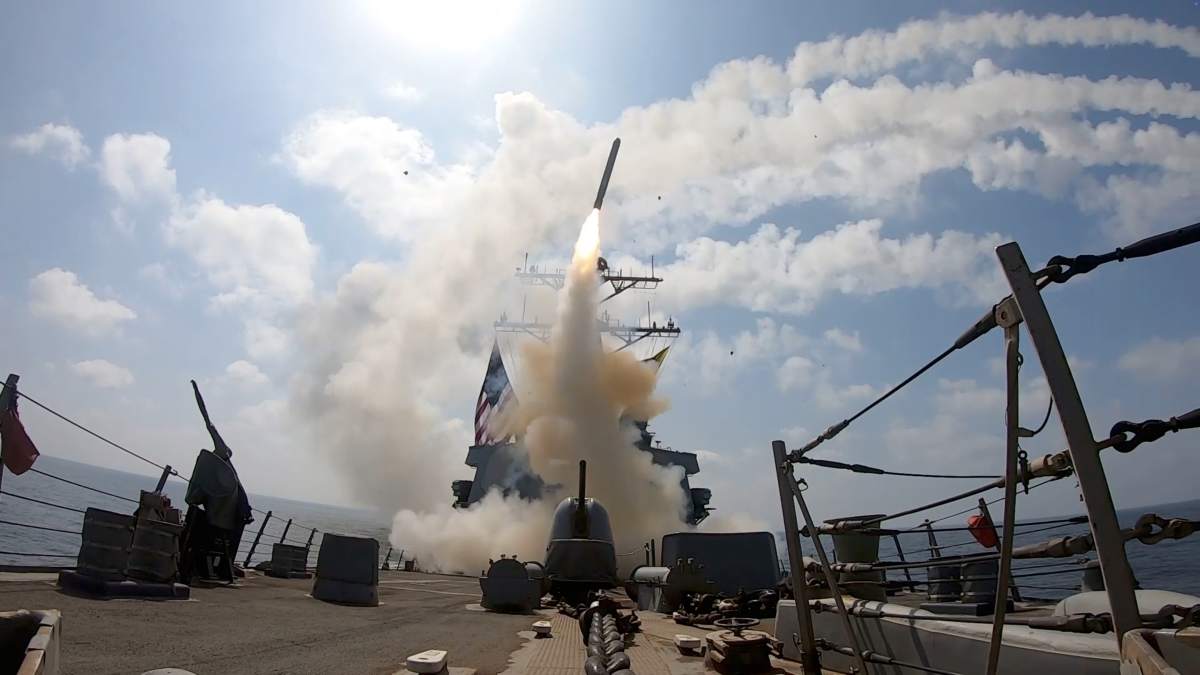
Trump also recently outlined military actions taken by the US, “They have drones all over the place, we got many. Now we're knocking out the drone plants, as you know, going fast, they started talking about mines, so we hit 28 mine ships as of this moment.”
Speaking before touring a science research and pharmaceutical plant in Ohio on March 11, Trump described the operation as progressing rapidly. “We did a little excursion. We had to take this little couple of weeks, few weeks of excursion, but it's been incredible. Our military is unbelievable, the job they're doing. I would say, to put it mildly, way ahead of schedule,” he said.

Iranian President Masoud Pezeshkian responded to the ongoing conflict by outlining conditions which are necessary to bring the war to an end. According to Pezeshkian, the conflict can only conclude if Iran’s legitimate rights are acknowledged and certain guarantees are provided.
“The only way to end the war is by recognizing Iran’s legitimate rights, payment of reparations, and firm international guarantees against future aggression,” Pezeshkian said. He also stated that Iran remains committed to maintaining peace in the region.
In a post on X, Pezeshkian further said, “Talking to leaders of Russia and Pakistan, I reaffirmed Iran’s commitment to peace in the region."