Hegseth warns of ‘most intense day’ of US strikes on Iran as Trump weighs next steps
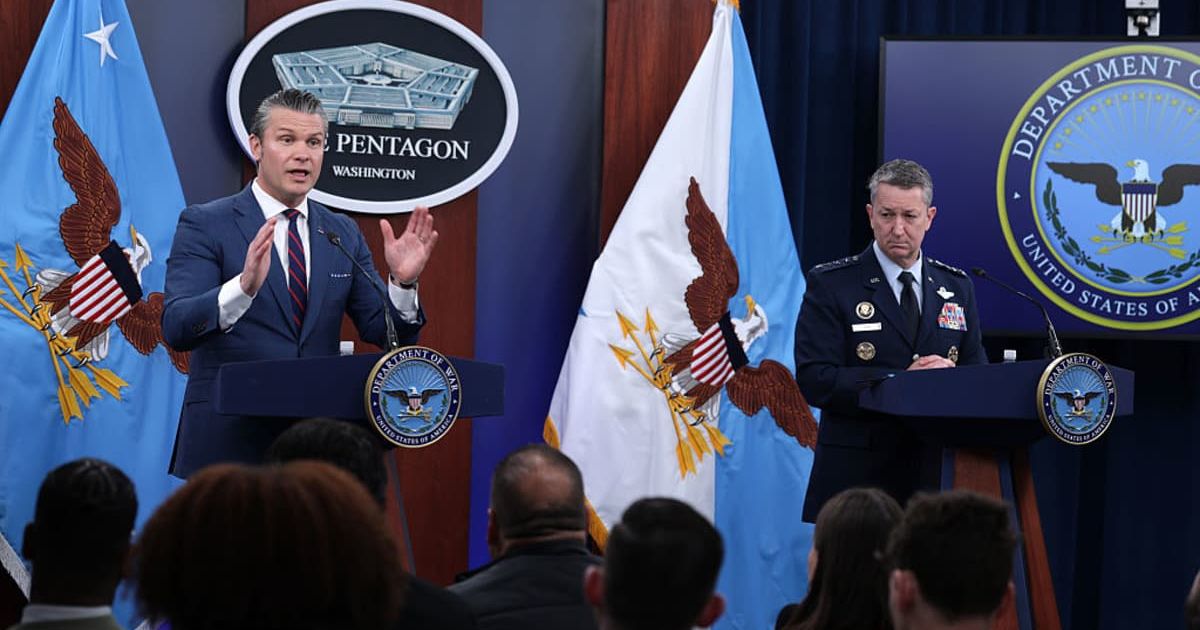
WASHINGTON, DC: US Defense Secretary Pete Hegseth said that Tuesday, March 10, will mark the “most intense day” yet of American military operations against Iran, as President Donald Trump weighs the next phase of the conflict.
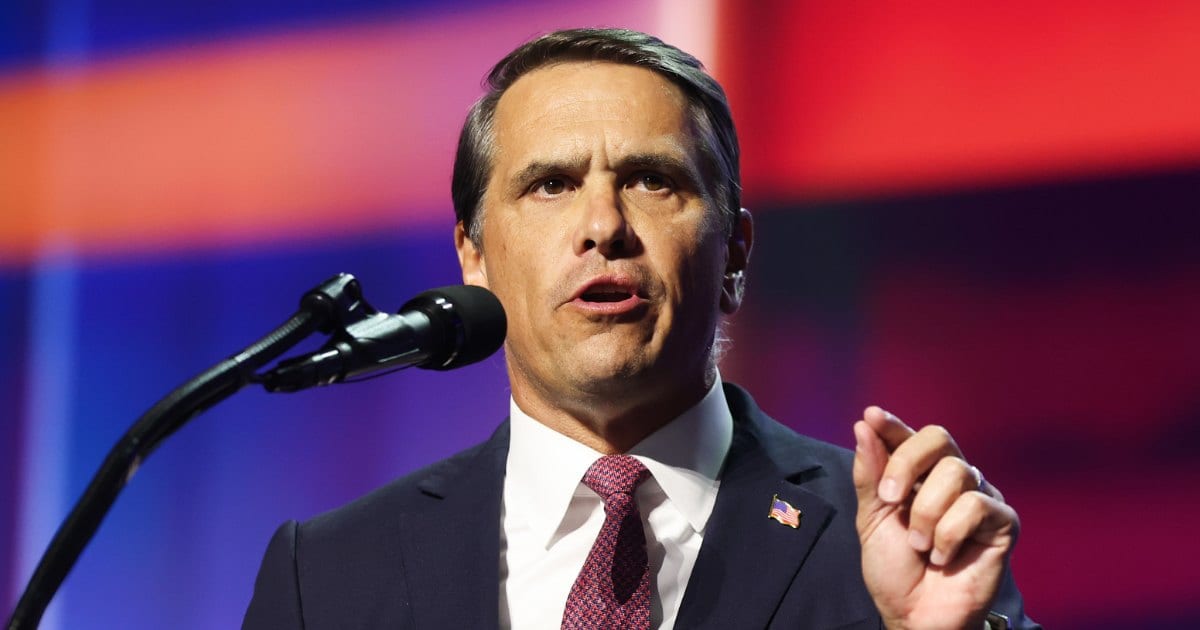
Speaking at a Pentagon news briefing, Hegseth said the day would see the largest number of aircraft and strikes since the start of the war.
.@SecWar: "Today will be yet again our most intense day of strikes inside Iran — the most fighters, the most bombers, the most strikes... On the other hand, the last 24 hours have seen Iran fire the lowest number of missiles." pic.twitter.com/ob9o8iKv1M
— Rapid Response 47 (@RapidResponse47) March 10, 2026
“Today will be, yet again, our most intense day of strikes inside Iran, the most fighters, the most bombers, the most strikes,” he said, adding that Trump will ultimately determine the “end stage” of US objectives in the country.
Dan Caine says over 5,000 targets hit
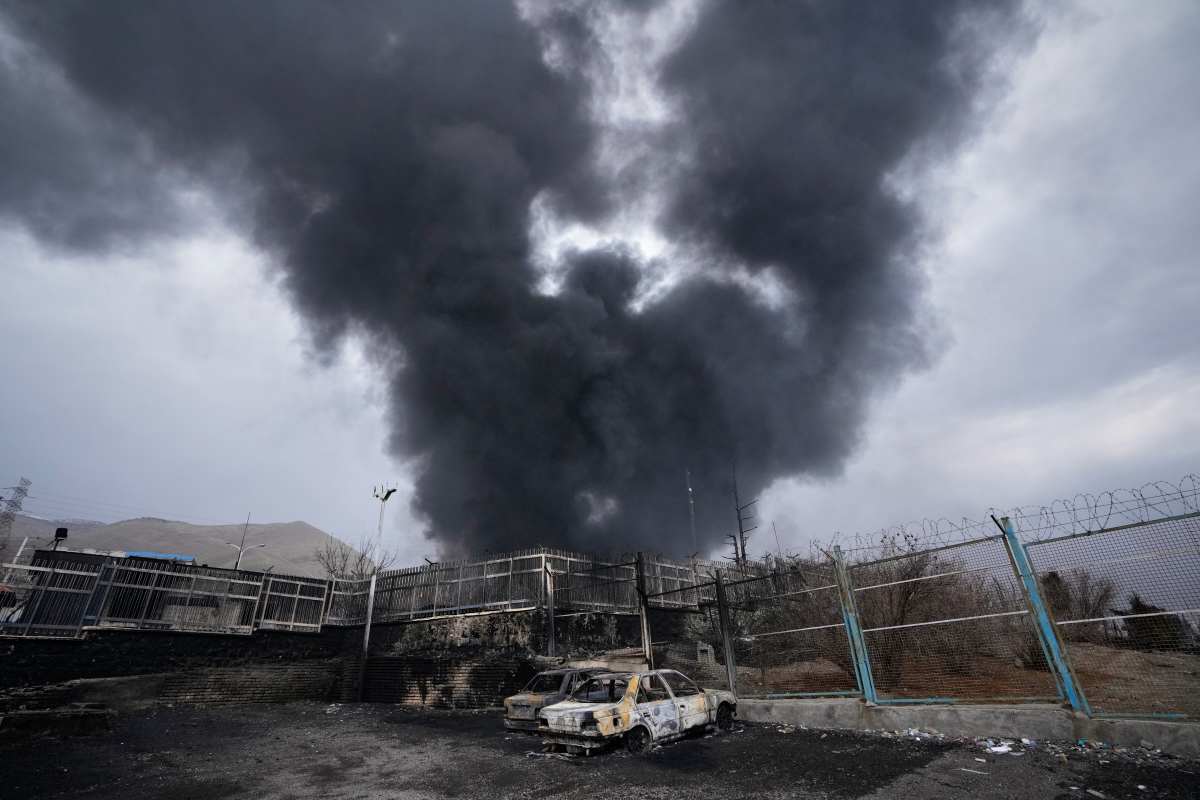
Chairman of the Joint Chiefs of Staff Dan Caine said the US military has struck more than 5,000 targets since hostilities began.
Gen. Dan Caine on Operation Epic Fury: To date, we've struck more than 5,000 targets. Iranian ballistic missile attacks are down 90% and one-way attack drones are down 83%. We've struck more than 50 Iranian naval ships. pic.twitter.com/0tRSYbmVjI
— Rapid Response 47 (@RapidResponse47) March 10, 2026
Caine said joint US and Israel strikes have significantly degraded Iran’s ability to attack regional targets, claiming a 90% reduction in Iranian missile launches against Israel and US allies in the Persian Gulf.
He outlined three primary objectives for the ongoing campaign: destroying Iran’s missile and drone capabilities, striking the Iranian Navy, and targeting the country’s military and industrial infrastructure.
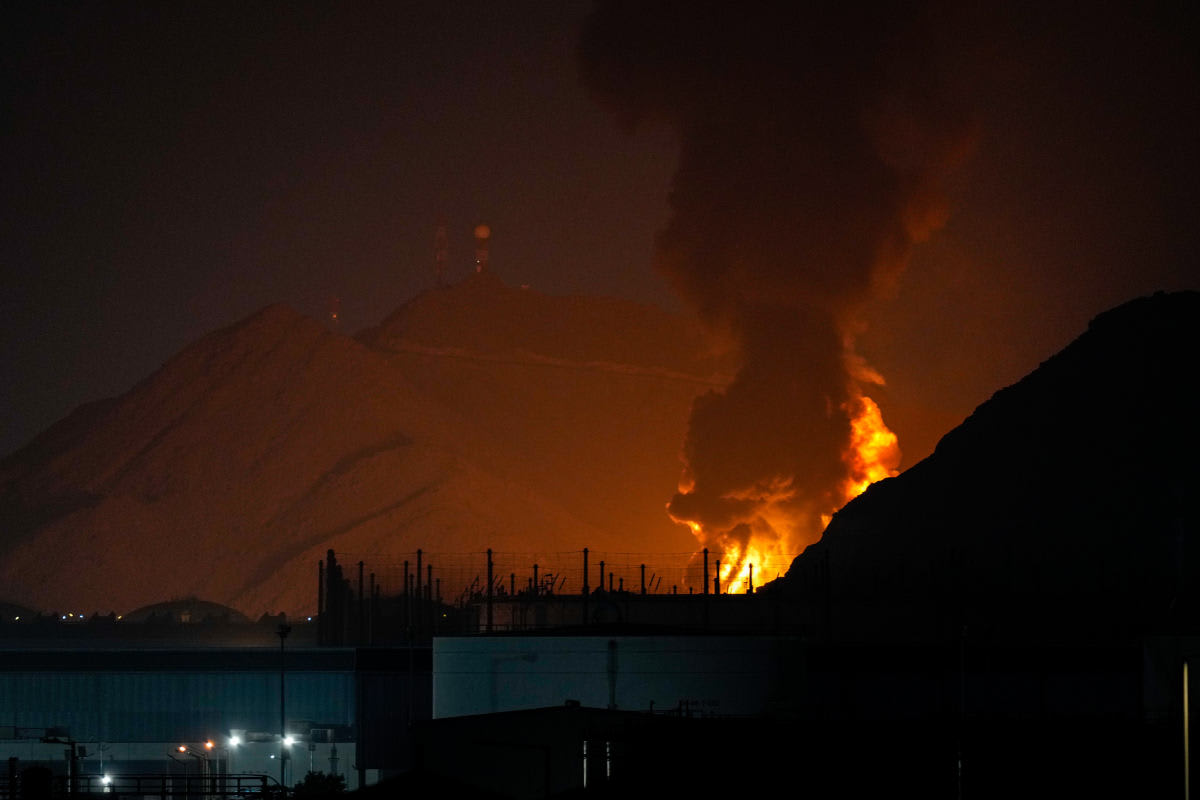
Iran continues regional attacks in Gulf
Despite the ongoing bombardment, Iran launched fresh attacks on Tuesday on Gulf Arab states, while Israeli airstrikes also struck targets in southern and eastern Lebanon.
The escalation has raised concerns in Washington about the possibility of a prolonged conflict, though the administration has repeatedly said it does not intend to pursue long-term military engagement.
“This is not 2003,” Hegseth said, referring to the US invasion of Iraq. “This is not endless nation-building under those types of quagmires we saw under Bush or Obama.” Hegseth described Iranian leaders as “desperate” and “scrambling,” asserting that the US and its allies are “winning.”
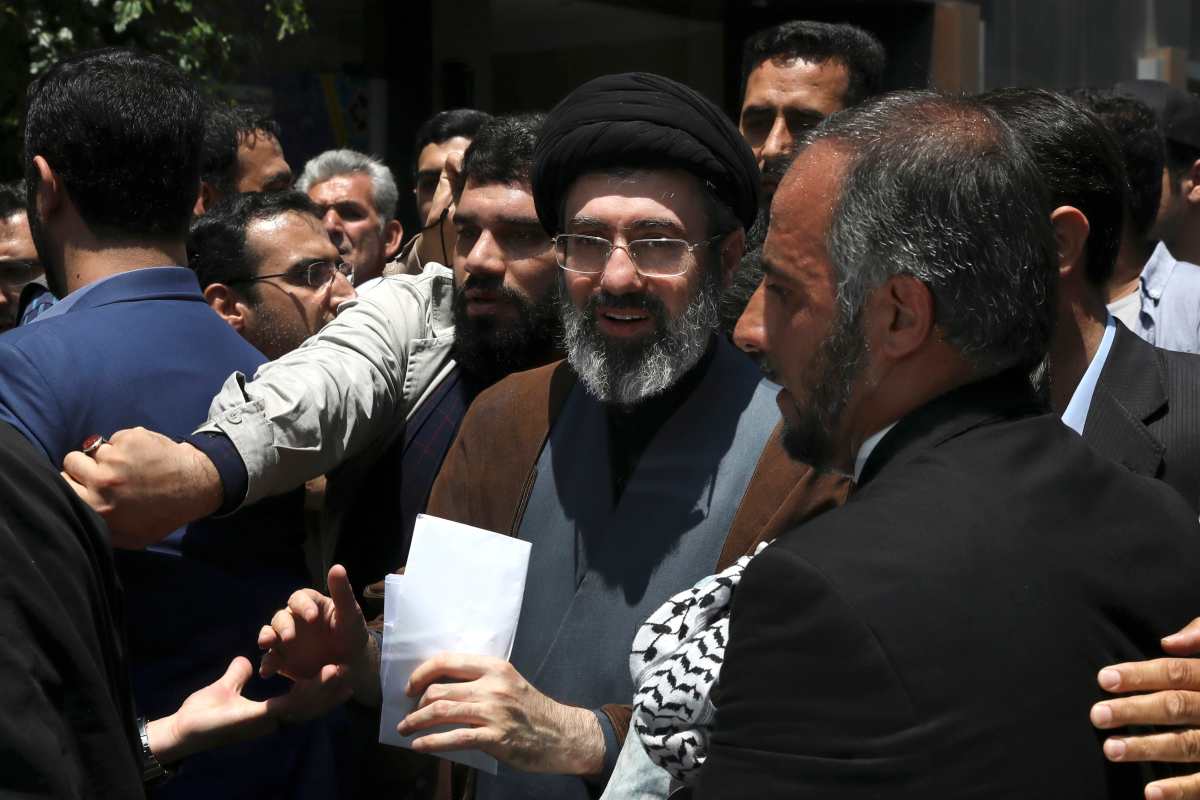
Uncertainty over Iran’s new leader
Hegseth declined to comment on reports that Mojtaba Khamenei, recently named Iran’s supreme leader, had been wounded.
Mojtaba Khamenei, the son of former supreme leader Ali Khamenei, assumed the role after his father was killed during the first wave of US-Israeli strikes.
Trump told Fox News he was “not happy” with Mojtaba Khamenei’s selection, saying he did not believe the new leader “can live in peace.”
Seven American service members have died in the conflict so far. Caine said the Joint Force remained “eternally grateful” for their sacrifice.
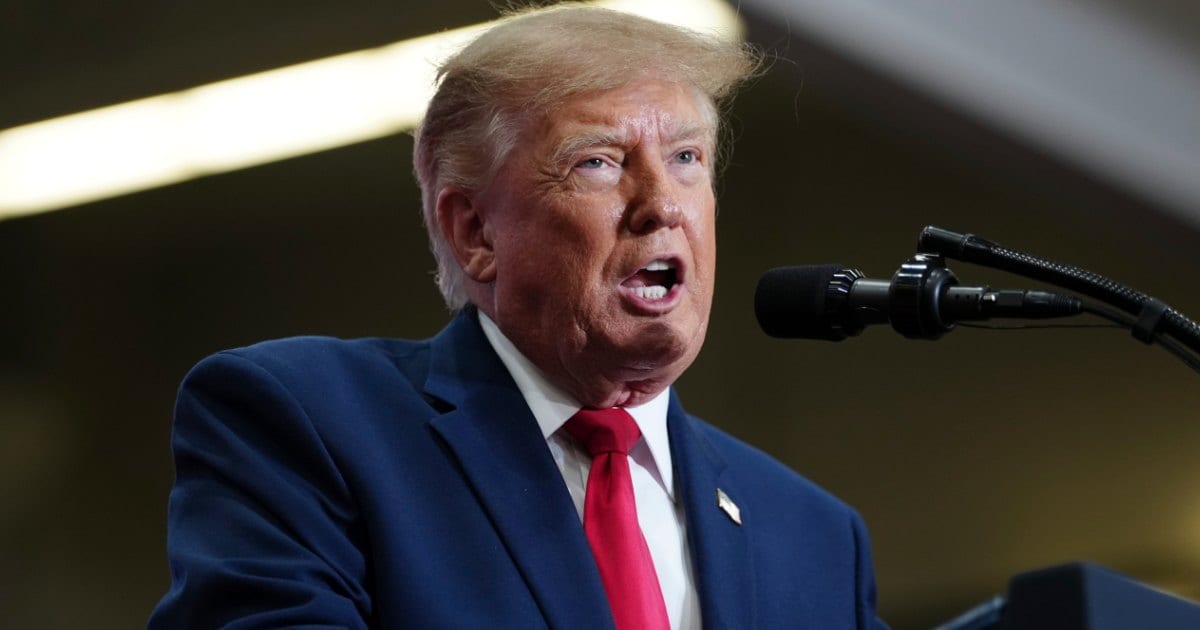
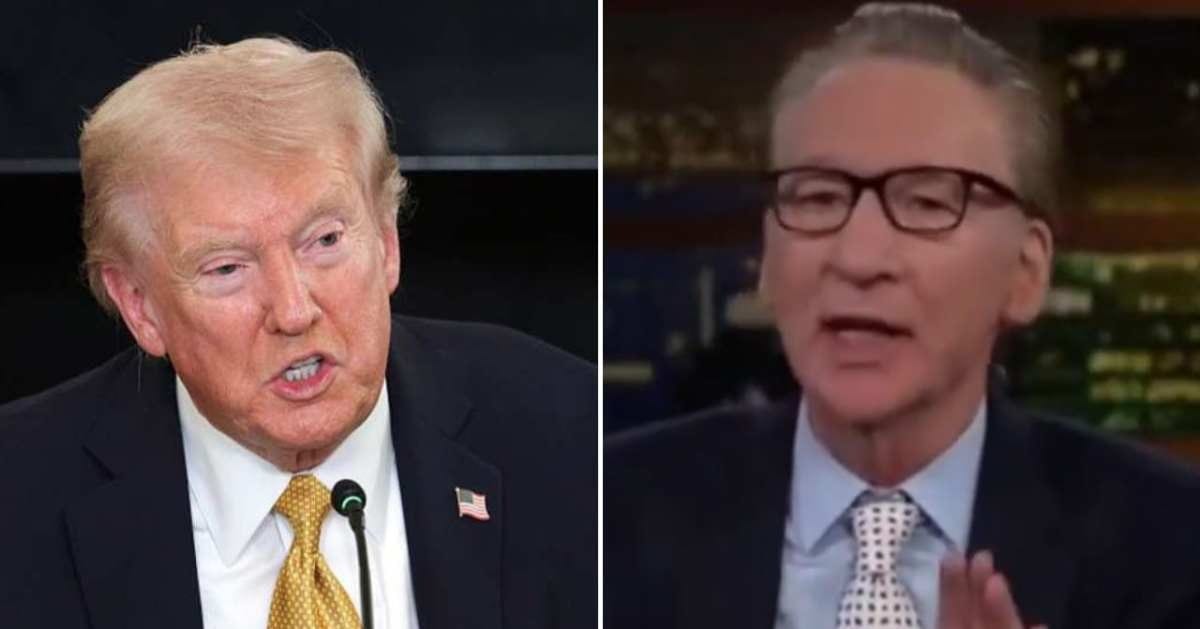
Trump, however, struck a more optimistic tone about the state of the war. In a Monday interview with CBS News, he said the conflict was “very complete, pretty much,” and claimed, “there’s nothing left in a military sense.”
Trump has also floated the possibility of the US taking control of the Strait of Hormuz if Iran attempts to block the strategic shipping lane, which carries roughly 20% of the world’s oil supply.