Trump-appointed judge dismisses DOJ’s attempt to throw out Steve Bannon’s contempt conviction
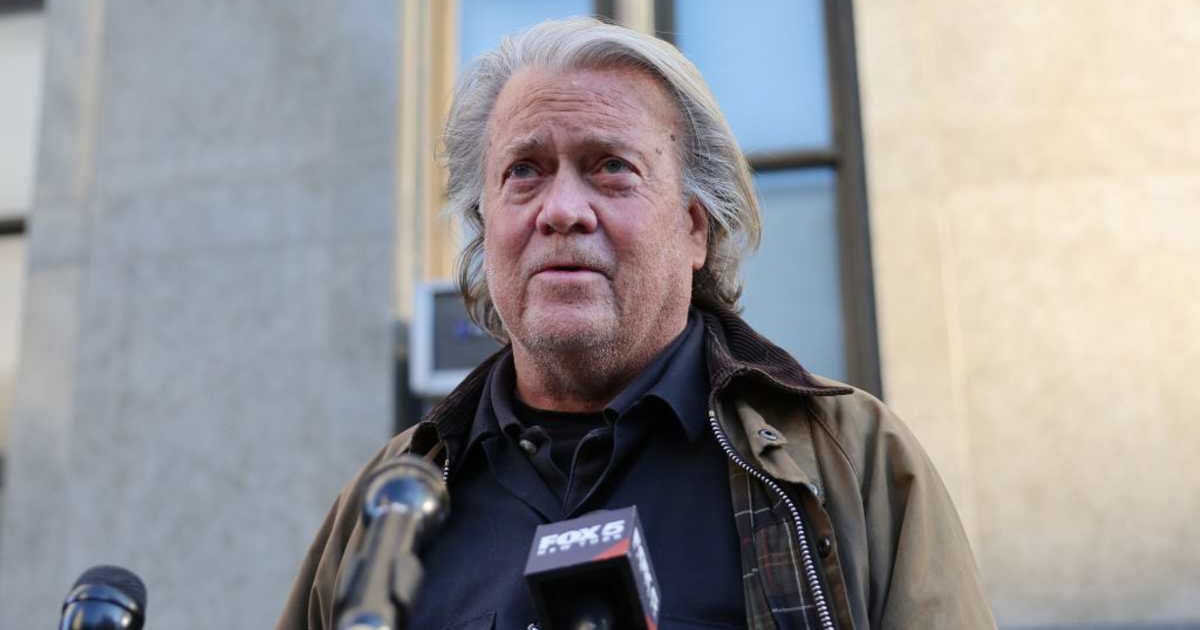
WASHINGTON, DC: A federal judge has poured cold water on the Department of Justice’s attempt to erase Steve Bannon’s criminal conviction for refusing to testify before the congressional committee that investigated a mob’s January 6, 2021, attack on the US Capitol.
The longtime far-right media figure and former White House chief strategist has already served a four-month prison sentence after being found guilty of contempt in two instances for refusing to testify before the committee and failing to hand over documents related to his efforts to help Trump overturn the 2020 election results.

He was initially sentenced in October 2022, and his conviction was upheld on a first round of appeals in 2024.
Judge Carl Nichols says prosecutors’ explanation not enough
As Bannon continued to seek to appeal his conviction before the Supreme Court, the Washington, DC, US Attorney Jeanine Pirro signed a brief one-page motion asking the judge overseeing the case to dismiss it altogether.
"The government has determined in its prosecutorial discretion that dismissal of this criminal case is in the interests of justice," the filing says.
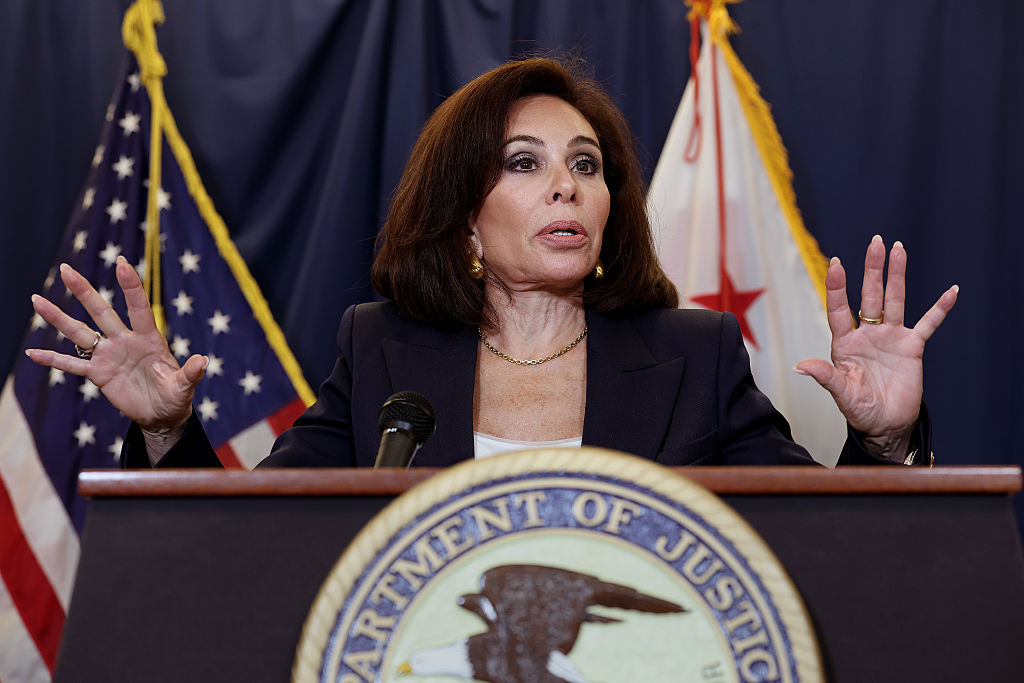
However, US District Judge Carl Nichols, who was appointed to the federal bench by President Donald Trump in 2019, dismissed the motion on Wednesday, August 26, saying Pirro's bare-bones statement isn't enough.
Her motion is "insufficient to justify" throwing out a case, and the Justice Department will need to try again with a new motion that articulates why, exactly, the government wants to abandon the case, Nichols wrote.
Nichols’ ruling Wednesday said his rejection of the DOJ’s request to dismiss the case was “without prejudice,” meaning prosecutors can try again if they provide a fuller explanation for why Bannon’s case should be dropped.
Steve Bannon’s Supreme Court victory in contempt case
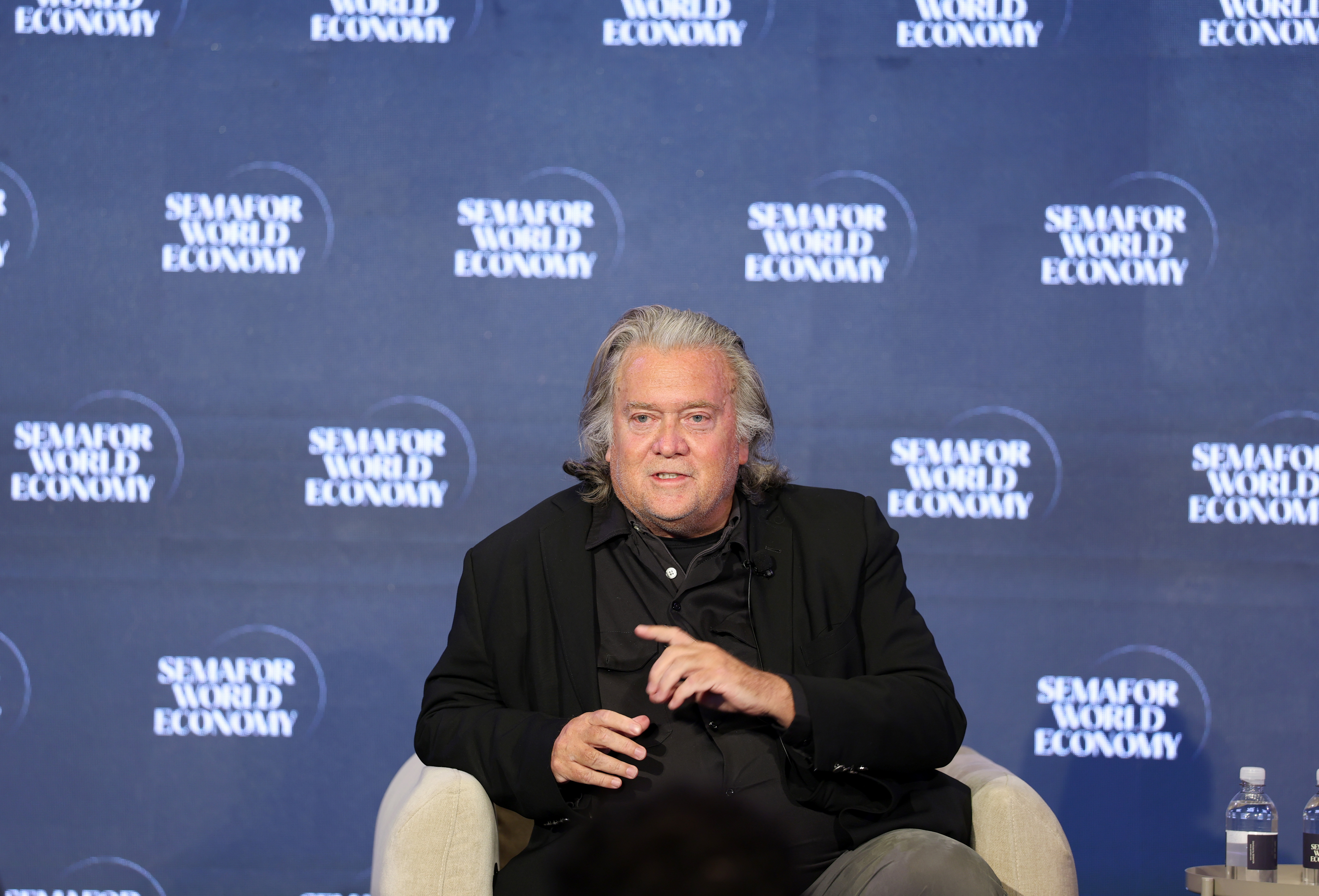
The ruling came months after the US Supreme Court, in April, at the prosecutors’ request, vacated an appeals court decision that had upheld Bannon’s conviction for defying a subpoena from the House committee investigating the Capitol attack.
The Justice Department brought the case against Bannon during Democrat Joe Biden’s presidency, but it changed course after Trump took office again last year.
Bannon initially argued that Trump’s claim of executive privilege protected him from having to testify.
But the House panel and Justice Department argued that claim was weak, noting that Trump had fired Bannon in 2017, meaning he was a private citizen when he consulted with the then-president before the Capitol riot.
However, Trump later pardoned Bannon in a separate case in which he was charged with conspiracy to commit mail fraud and money laundering over a fundraising scheme for a US-Mexico border wall, sparing him a federal trial.