Midterms 2026: From Bill Clinton to Barack Obama, how past elections reshaped presidential power
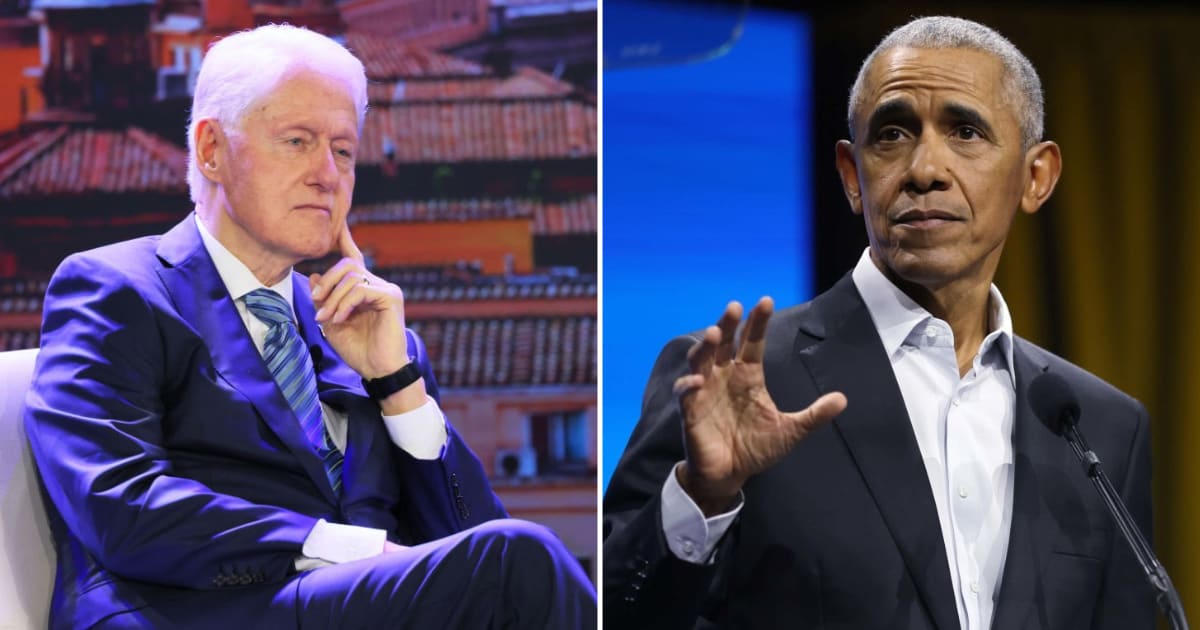
WASHINGTON, DC: Midterm elections have often been a difficult test for sitting presidents, with their parties losing seats in Congress even when they entered office with strong political support. As Americans prepare to vote on November 3, 2026, past elections offer a look at how voters have rewarded, punished and sometimes surprised presidents halfway through their terms.
Donald Trump now faces that test, but history shows that a midterm defeat is not always inevitable.
From Franklin D Roosevelt’s unexpected gains during the Great Depression to Barack Obama’s losses in 2010, the results have varied sharply depending on the political climate, public opinion and the issues dominating the election.

Franklin D Roosevelt and Harry S Truman set two different precedents
The usual midterm pattern has been difficult for presidents to escape.
According to the Brookings Institution, the party holding the White House lost House seats in 20 of the 22 midterm elections held between 1938 and 2022. However, some earlier elections show that voters can also strengthen a president’s party when circumstances favor the administration.
Franklin D Roosevelt was one such example. In the 1934 midterm elections, during the Great Depression, his Democratic Party gained nine seats in the House of Representatives and nine in the Senate.

Rather than using the election to punish the president, voters strengthened his party’s position in Congress as Roosevelt pursued his New Deal agenda.
The result stands out because it ran against the pattern that would become familiar in later decades. Roosevelt’s party managed to gain ground in both chambers while the country was facing a major economic crisis.
Harry S Truman, however, experienced the opposite outcome in 1946. Democrats lost 56 House seats and 12 Senate seats, allowing Republicans to take control of both chambers of Congress. The setback came amid postwar economic and labor unrest. The change in congressional control left Truman facing a much more difficult political environment as he attempted to advance his agenda.

Truman’s experience also showed that a midterm defeat does not necessarily decide the next presidential election. Despite the losses in 1946, he went on to win the 1948 presidential race.
The two elections produced very different outcomes for the parties in power. Roosevelt’s Democrats gained seats during a crisis, while Truman’s Democrats suffered heavy losses amid public dissatisfaction and unrest.
Bill Clinton and George W Bush produced some of the biggest midterm surprises
Bill Clinton’s presidency offers two particularly revealing examples of how midterms can produce unexpected results. In 1994, Clinton’s Democrats suffered a major defeat, losing 54 seats in the House and eight in the Senate. Republicans took control of both chambers, ending the Democrats’ long-standing control of the House.
The Republican victory, associated with Newt Gingrich’s Contract with America, changed the balance of power in Washington.

The new congressional majority had greater control over legislative priorities, while Clinton faced a much stronger opposition as he tried to move his agenda forward.
Four years later, however, Clinton experienced a rare reversal of the usual midterm trend. In 1998, Democrats gained House seats while Republicans pursued impeachment proceedings against the president.
Republicans retained control of Congress, but the result was an unexpected setback for a party that had hoped the controversy would translate into electoral gains.
Clinton’s approval rating was around 66% on Election Day, according to historical analysis by Brookings.
His party’s performance showed that a controversy surrounding a president does not automatically help the opposition. Voters can also judge how the opposing party responds to a scandal, rather than simply reacting to the scandal itself.
George W Bush also experienced two sharply different midterm elections during his presidency.
In 2002, Republicans gained eight House seats and two Senate seats. The election followed the September 11, 2001, te**orist attacks, which had produced a strong rally in public support for Bush. His approval rating stood at about 63% on Election Day in 2002, according to Brookings.

The gains made in 2002 were a rare case in which the president’s party strengthened its congressional position during a midterm. Republicans also benefited from the national focus on security following the attacks.
But the political environment changed by 2006. Bush’s Republicans lost 30 House seats and six Senate seats, allowing Democrats to take control of both chambers.
The contrast between 2002 and 2006 shows how different the same president’s midterm results can be. Bush’s party gained seats during a period of strong public support but suffered substantial losses four years later.
Barack Obama, Donald Trump and Joe Biden faced different midterm outcomes
Barack Obama’s first midterm in 2010 produced one of the biggest setbacks for a president’s party in modern American politics.
Democrats lost 63 seats in the House and six in the Senate. Republicans regained control of the House, making it much harder for Obama to move legislation through Congress.
The election came amid dissatisfaction over the economic recovery, the administration’s policies and the fight over the Affordable Care Act.
Democrats had entered Obama’s presidency with a strong congressional position after the 2008 election, but two years later the party had lost much of its House advantage.

Obama’s second midterm in 2014 brought another setback. Democrats lost 13 House seats and nine Senate seats, allowing Republicans to take control of the Senate while retaining the House.
The two elections demonstrated how a president can struggle to maintain congressional support over the course of a term.
Once the opposition gains control of a chamber, it can use its position to influence legislation, conduct investigations and challenge the administration’s priorities.
Donald Trump’s first midterm, in 2018, produced a split result. Republicans lost 41 House seats but gained two Senate seats. Democrats took control of the House, while Republicans strengthened their position in the Senate.

The result was significant because it showed that a president’s party can suffer a major defeat in one chamber while making gains in the other. House and Senate elections do not always deliver the same verdict, partly because the seats being contested and the candidates running differ.
Joe Biden’s 2022 midterm also produced a mixed outcome, although Democrats performed better than many historical comparisons might have suggested. Democrats lost nine House seats, allowing Republicans to win a narrow House majority, but gained one Senate seat and retained control of the chamber.

The Supreme Court’s decision overturning Roe v Wade made abortion rights a major issue during the campaign. The election also showed how individual candidates, voter turnout and the issues stressed in particular races can influence results beyond the president’s overall popularity.
Biden’s party still lost control of the House, but the outcome was far less damaging than some previous midterm defeats. Democrats retained the Senate, leaving the president with a different set of political possibilities than a party that loses both chambers.
What does history tell us about Donald Trump and 2026 midterms?
The record offers a clear starting point for understanding the stakes of November 3.
The American Presidency Project’s historical data show that, from 1934 through 2022, the president’s party lost an average of 27 House seats and three Senate seats in midterm elections.
The party gained House seats only three times during that period and gained seats in both chambers only twice. That does not mean Republicans are certain to lose control of Congress in 2026. It does, however, show why defending congressional majorities can be difficult for a sitting president.
Trump also enters the election amid concerns about the cost of living.

A Reuters/Ipsos poll reported in October found that 78% of Americans said Trump’s policies shared blame for rising prices.
A separate report put his approval rating at 32%, adding to the political pressure on Republicans as they campaign to retain their congressional seats.
History also shows why these numbers should not be treated as a final verdict.
Bush’s gains in 2002 and Clinton’s performance in 1998 stand out as reminders that unexpected events, public approval and voter reactions to the opposition can change the usual midterm outcome.
The difference between the House and Senate will matter just as much.
The elections of 2018 and 2022 showed that the same party can lose one chamber and retain or strengthen its position in the other.
Even a limited shift in seats can change committee leadership, congressional investigations and the type of legislation that reaches the floor.