Midterms 2026: What a Democratic Congress could mean for Trump’s final two years in office
Republicans currently hold narrow majorities in both chambers of Congress, but Democrats are positioned to make gains, particularly in the House
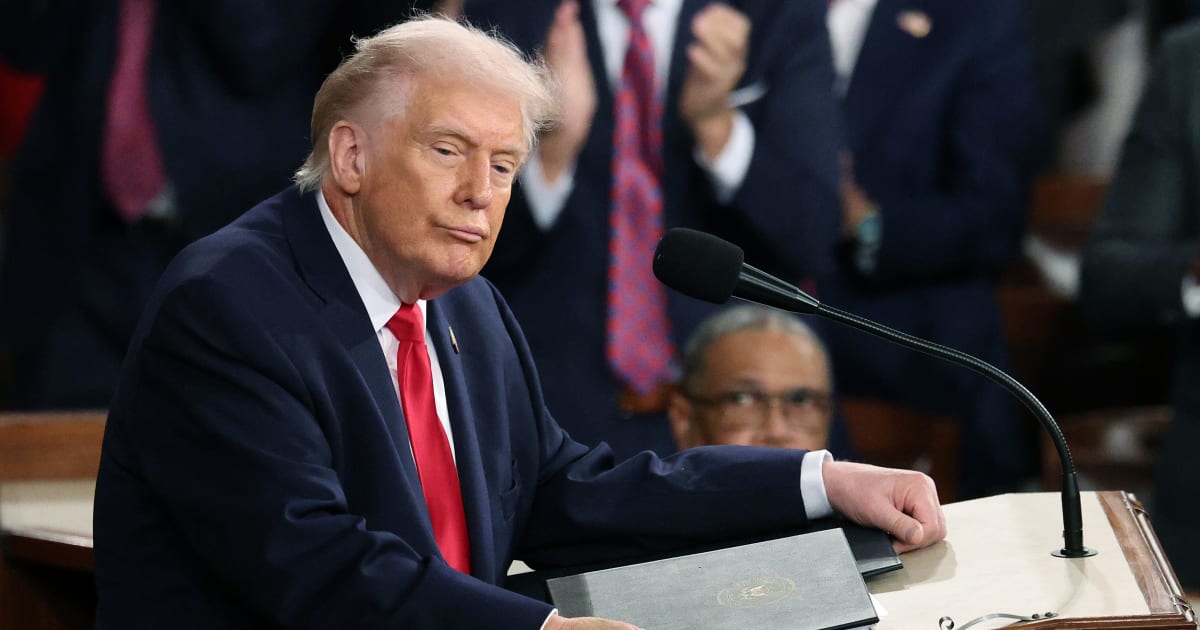
A Democratic Senate would have more direct influence over President Donald Trump’s Cabinet appointments, federal judges and other senior nominees (Getty Images)

WASHINGTON, DC: The 2026 midterm elections on November 3 will determine which party controls Congress for the remainder of President Donald Trump’s term.

At present, Democrats appear to be on track to regain control of the House. Charlie Cook, founder of the Cook Political Report, has even called it “kind of a done deal,” predicting that Democrats could pick up around 20 seats.

The Senate race, however, is less certain. Decision Desk HQ gives Democrats a 54 percent chance of winning control, suggesting the contest could go either way. Republicans currently hold narrow majorities in both the House and Senate.

If Democrats win control of either chamber, it could significantly affect Trump's legislative agenda. Here's what that would mean for his presidency.
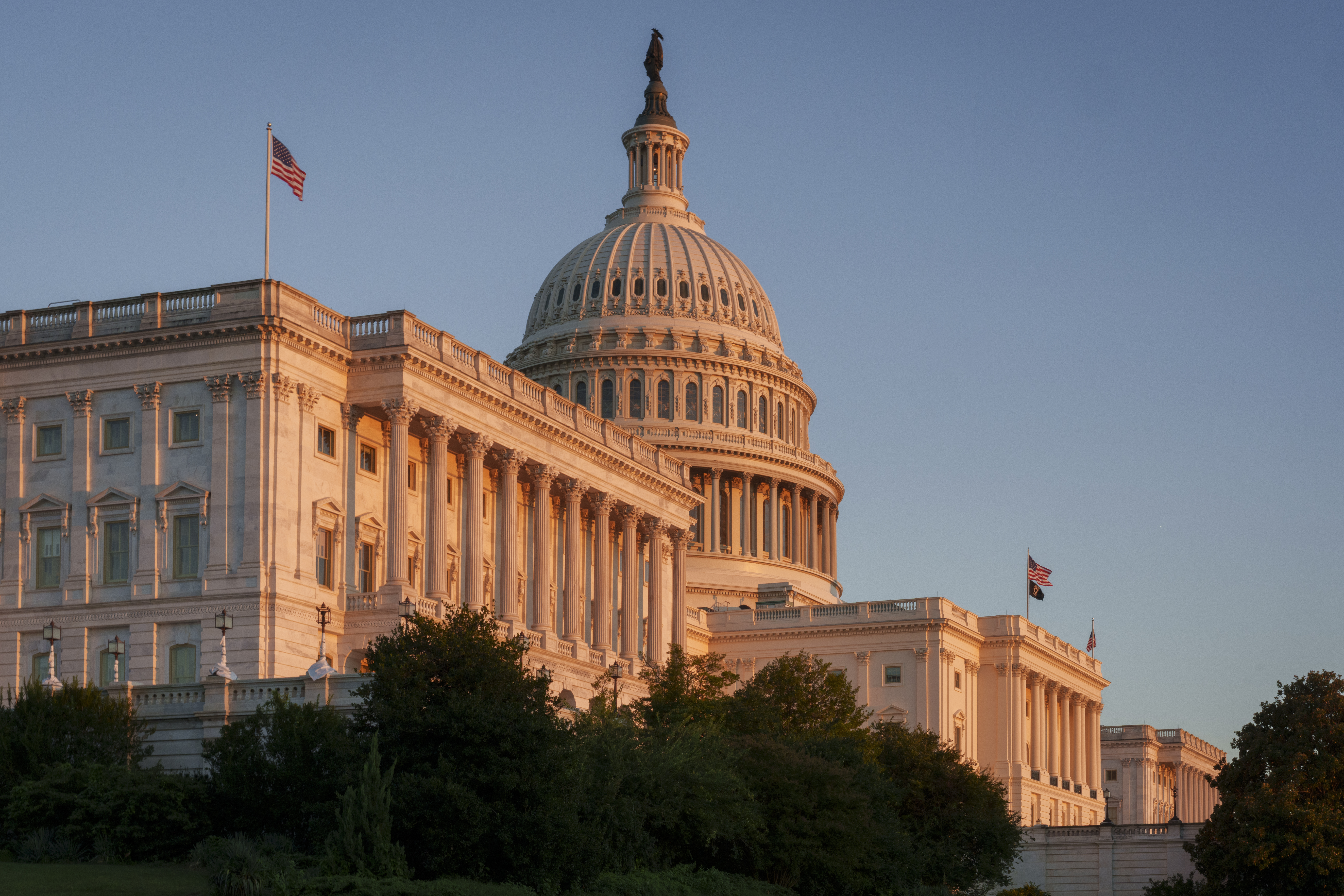
WASHINGTON, DC - SEPTEMBER 14: The setting sun casts a warm glow on the Senate side of the west front of the U.S. Capitol Building on September 14, 2026, in Washington, DC. (Photo by J. David Ake/Getty Images)
The setting sun casts a warm glow on the Senate side of the west front of the US Capitol Building on September 14, 2026, in Washington, DC (J David Ake/Getty Images)

First, what would actually change if Democrats win?

If Democrats take the House, they gain the power to investigate and influence legislation, but they can’t confirm or reject Trump’s nominees; only the Senate does that.

If Democrats control the Senate, they can slow down or block Trump’s picks for judges and top officials, yet they can’t stop spending bills by themselves; the House must agree.

If Democrats win both chambers, they really put a check on Trump’s agenda for the rest of his term.
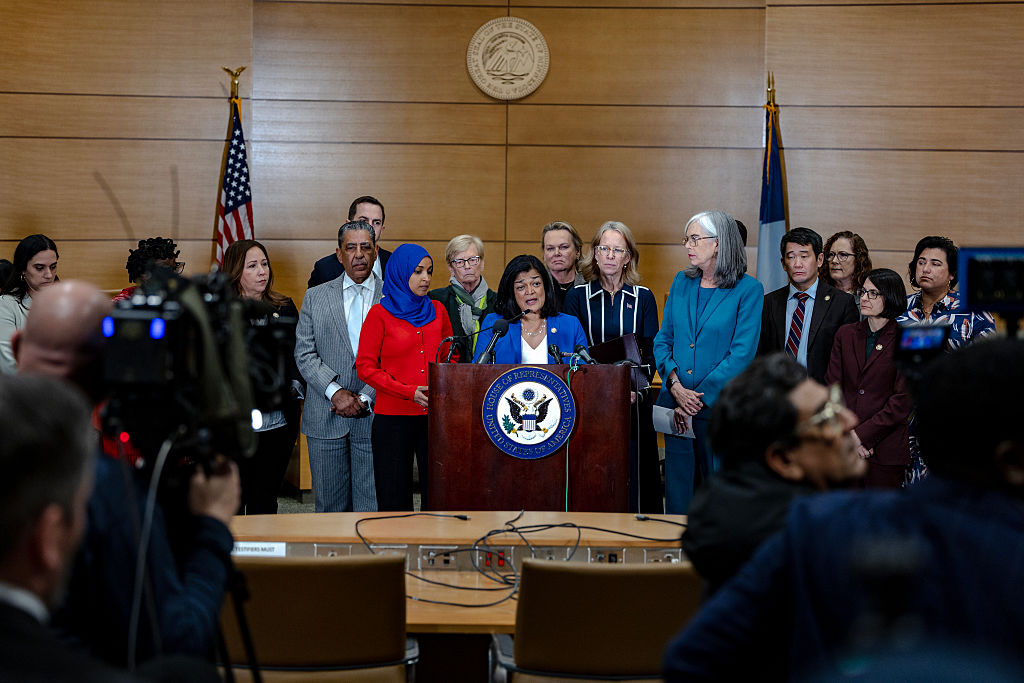
ST PAUL, MINNESOTA - JANUARY 16: U.S. Rep. Pramila Jayapal (D-WA) speaks at a press conference after a field hearing at the Minnesota Senate Building on January 16, 2026 in St Paul, Minnesota. Democrats attend the field hearing titled Kidnapped and Disappeared: Trump's Deadly Assault on Minnesota, where local citizens and politicians speak about Immigration Operation
US Rep Pramila Jayapal (D-WA) speaks at a press conference after a field hearing at the Minnesota Senate Building on January 16, 2026 in St Paul, Minnesota. Democrats attend the field hearing titled Kidnapped and Disappeared: Trump's Deadly Assault on Minnesota, where local citizens and politicians speak about Immigration Operation 'Metro Surge' (Photo by Jim Vondruska/Getty Images)

Still, even with a full congressional majority, they can’t outright overrule him. What Congress can do is pass, change, block, or refuse funding for anything that needs its sign-off.

What could Democrats stop or slow down?

If Democrats take control of even one chamber of Congress, any major priority of Trump’s that needs new legislation faces a tougher path.

Every bill has to get through both the House and Senate before reaching the president’s desk. Take raising the debt ceiling, something Trump wants.
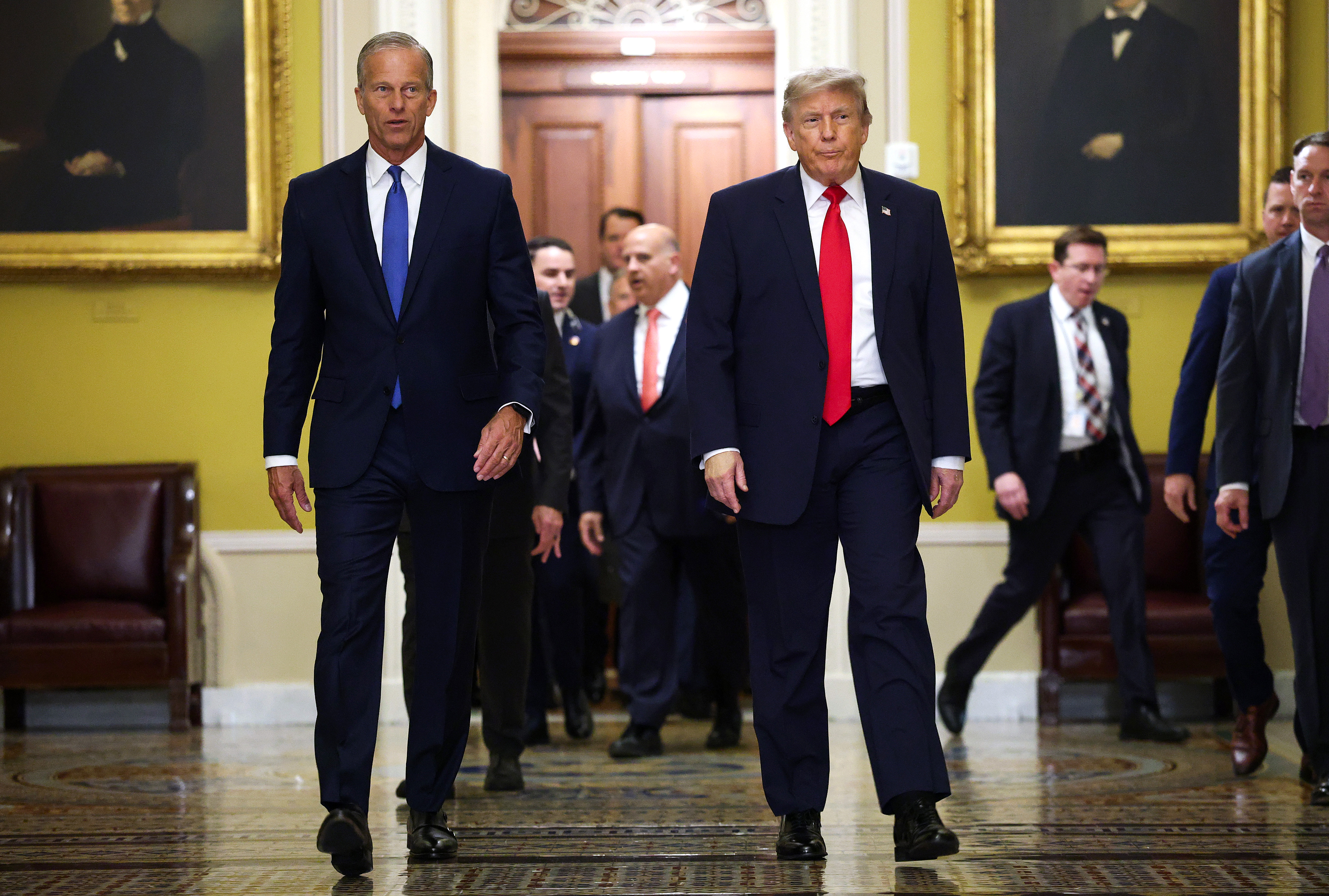
WASHINGTON, DC - JUNE 24: U.S. Senate Majority Leader John Thune (R-SD) (L) and U.S. President Donald Trump arrive at the U.S. Capitol on June 24, 2026 in Washington, DC. President Trump is visiting Capitol Hill to attend a closed-door luncheon with the Republican Senate Steering Committee to push his SAVE America Act, which would impose strict voter ID and proof-of-citizenship requirements in federal elections. (Photo by Kevin Dietsch/Getty Images)
US Senate Majority Leader John Thune (R-SD) (L) and U.S. President Donald Trump arrive at the US Capitol on June 24, 2026 in Washington, DC (Photo by Kevin Dietsch/Getty Images)

That move needs Congress, plain and simple. Sure, Republicans talk about using reconciliation, which lets them pass certain bills with just simple majorities. But even that process demands both the House and Senate agree on a budget resolution. So if Democrats win the House, they can shut reconciliation down altogether.

It’s the same story with the must-pass annual spending bills that keep the government running. Those bills are set to expire on December 11. If Congress splits, making any deal becomes a slog, and we could easily be looking at threats of a government shutdown.

On the other hand, anything Trump tries to do by executive order or through existing laws? Congress doesn’t get a say. A shift in control won’t block him there.

Congress could investigate, but what does that actually mean?

The majority party runs the show in committees; they can call hearings, demand documents, and issue subpoenas. Yet a subpoena only works if it’s enforced.

WASHINGTON, DC - JUNE 19: U.S. flags fly at the top of newly installed 100-foot-tall poles on the South and North Lawns of the White House on June 19, 2025 in Washington, DC. U.S. President Donald Trump had the two flagpoles installed on the White House grounds as part of a
US flags fly at the top of newly installed 100-foot-tall poles on the South and North Lawns of the White House on June 19, 2025 in Washington, DC. US President Donald Trump had the two flagpoles installed on the White House grounds as part of a 'personal project' that Trump said he personally paid for (Photo by Kevin Carter/Getty Images)

If the White House refuses, Congress has to drag things into court. That process drags on for months, maybe even years.

The Trump administration often pushed the boundaries of executive privilege and leaned on slow legal battles, making life harder for investigators. So, even when committees flex their power, there’s no promise they’ll get the answers they want.

How much power would Democrats have over federal spending?

Congress also controls the purse strings. Agencies need its approval to get money, and raising the debt ceiling is a must if the government wants to keep borrowing.
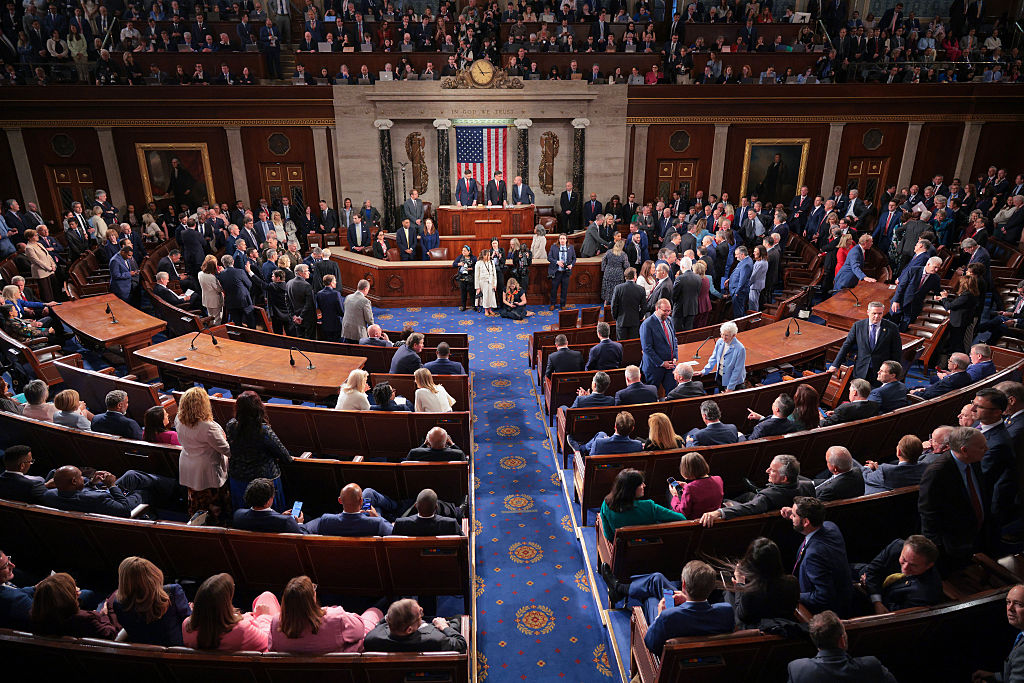
WASHINGTON, DC - APRIL 28: U.S. Vice President JD Vance, Speaker of the House Mike Johnson (R-LA) and members of Congress wait for the arrival of King Charles III before a joint meeting of Congress with King Charles III at the U.S. Capitol on April 28, 2026 in Washington, DC. In his first visit to the U.S. as the British monarch, King Charles III addressed Congress as part of a multi-day trip to the nation's capital, New York City, and Virginia celebrating the United States of America's 250th anniversary of its independence. (Photo by Chip Somodevilla/Getty Images)
US Vice President JD Vance, Speaker of the House Mike Johnson (R-LA) and members of Congress wait for the arrival of King Charles III before a joint meeting of Congress with King Charles III at the US Capitol on April 28, 2026 in Washington, DC (Photo by Chip Somodevilla/Getty Images)

Next year, the debt limit will jump by $5 trillion, probably hitting its cap by the middle of 2027. With a little financial maneuvering, that deadline could stretch six to nine more months.

Holding the House or Senate means Democrats can join these negotiations and tack conditions onto spending bills. But changing the president’s authority under existing law? That’s not something they can just do on their own.

What happens to Trump's nominees?

Only the Senate has the power to confirm Cabinet secretaries, federal judges, and other high-level presidential appointees.

If Democrats win control of the Senate, it gets much tougher to push through confirmations, especially for lifetime judicial posts, or if there’s a vacancy on the Supreme Court or Federal Reserve.
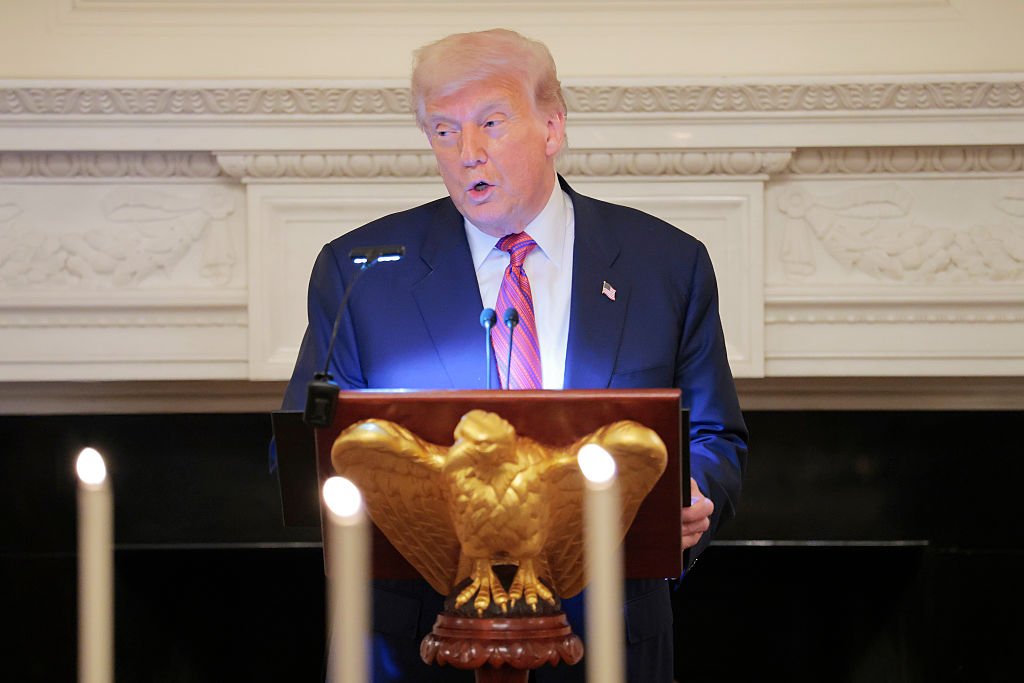
WASHINGTON, DC - JULY 18: U.S. President Donald Trump delivers remarks to Republican senators during a dinner in the State Dining Room of the White House on July 18, 2025 in Washington, DC. Trump hosted the dinner to celebrate the Senate's recent passage of legislation. (Photo by Anna Moneymaker/Getty Images)
US President Donald Trump delivers remarks to Republican senators during a dinner in the State Dining Room of the White House on July 18, 2025 in Washington, DC. Trump hosted the dinner to celebrate the Senate's recent passage of legislation (Photo by Anna Moneymaker/Getty Images)

If Republicans hold the Senate but lose the House, the process won’t change much; most nominations will keep moving forward as usual.

What Trump could still do without Congress

Losing one or both chambers doesn’t strip the president of authority.

Trump would still be able to issue executive orders, enforce the laws already on the books, and direct federal agencies as he sees fit. He has plenty of room to maneuver in foreign policy, too.
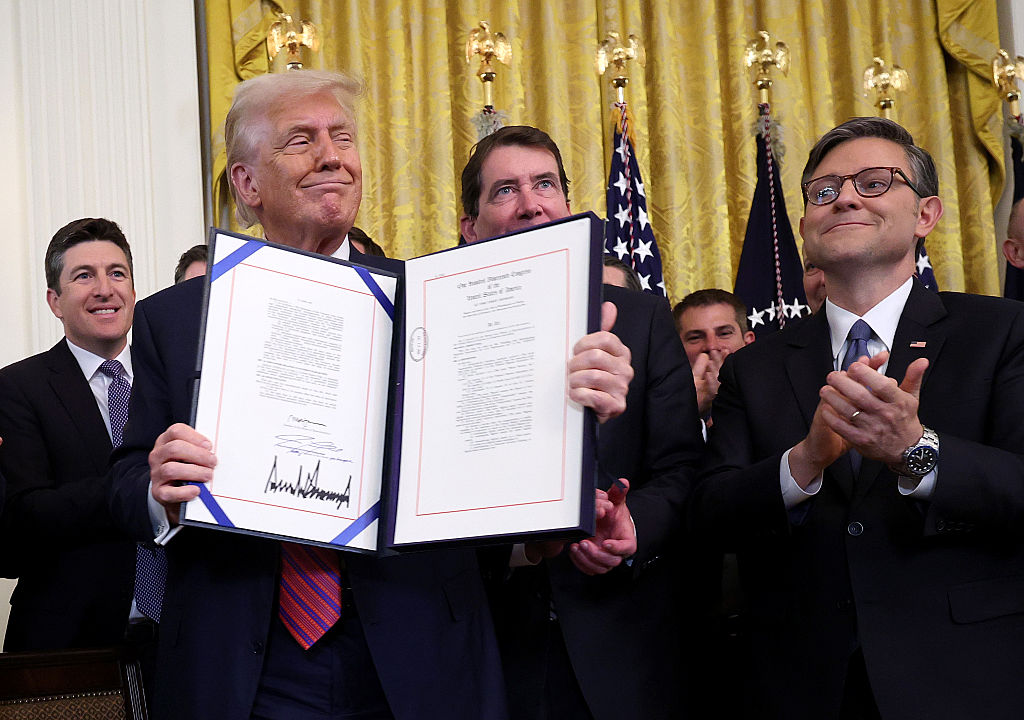
WASHINGTON, DC - JULY 18: U.S. President Donald Trump holds up the “GENIUS Act” alongside Speaker of the House Mike Johnson (R-LA) after signing the bill into law during a ceremony in the East Room of the White House July 18, 2025 in Washington, DC.  The act, formally known as the Guiding and Establishing National Innovation for U.S. Stablecoins Act, was passed this week by the U.S. Congress. (Photo by Win McNamee/Getty Images)
US President Donald Trump holds up the 'GENIUS Act' alongside Speaker of the House Mike Johnson (R-LA) after signing the bill into law during a ceremony in the East Room of the White House July 18, 2025 in Washington, DC (Photo by Win McNamee/Getty Images)

Even if Congress tried to pass a war powers resolution to limit his military actions, they’d need a two-thirds supermajority to override a veto, something Democrats aren’t likely to have in either the House or the Senate.

GET BREAKING U.S. NEWS & POLITICAL UPDATES
STRAIGHT TO YOUR INBOX.

MORE STORIES

The Republican Party invested millions in competitive races as Donald Trump struggled to promote his economic record amid concerns over the Iran war
2 hours ago
Defense Secretary Pete Hegseth unveiled plans to cut senior officer positions and expand the Pentagon’s focus on AI, robotics and autonomous warfare
4 hours ago
One official said their government was doing everything requested by the Trump administration, but still did not understand why it had been left out
4 hours ago
Donald Trump dismissed questions about Ken Paxton’s leaked remarks, saying he had not heard them and praising the convention’s viewership and impact
6 hours ago
Blanche announced the filing Wednesday, during a Justice Department press conference in Washington focused on Minnesota cases
12 hours ago
A Staten Island judge ordered new notices after finding NYC improperly shifted the burden onto homeowners during the tax rollout
12 hours ago
Trump made the remarks during a National Hispanic Heritage Month reception at the White House, where he discussed GOP votes and immigration policy
13 hours ago
Marsha Blackburn filed suit a day after Smith’s Senate testimony, seeking destruction of her records and a ruling on his special-counsel authority
13 hours ago
A Federal Reserve watchdog cleared officials of criminal and administrative misconduct but found weak oversight behind the $2.4 billion project
14 hours ago
Attorney General Todd Blanche made the remarks on Wednesday during a Justice Department press conference on election integrity and Minnesota cases
14 hours ago