2026 midterms: What Republicans need to win Congress and secure Trump’s remaining second term

WASHINGTON, DC: The upcoming 2026 midterm elections in November will determine which party controls the US House and Senate for the final two years of President Donald Trump’s second term.
The midterms will also determine the political landscape for the remainder of Trump’s term, as Democrats are reportedly expected to pursue investigations and potentially impeachment if they regain control of the House. Here’s what Republicans need to do to prevent Democrats from taking the House.
The congressional scorecard: Where the numbers stand
In the House, out of the 435 seats, the Republicans currently hold 219, compared with 214 held by the Democrats. To form a majority and flip the House, Democrats therefore need to gain four seats while Republicans only need to limit their losses to one seat or fewer to retain outright control.
There are 33 Senate seats up for election in this year’s midterms. Republicans currently hold 53 Senate seats to Democrats’ 47. Democrats would again need a net gain of four seats to reach 51, which would give them an outright majority. Republicans can retain Senate control with 50 seats because Vice President JD Vance can cast the tie-breaking vote if the chamber is split 50-50.

So, Republicans need to protect their narrow House majority while holding enough Senate seats to maintain control of the chamber. Democrats would need to flip at least four seats in each chamber, under the current 219-214 House and 53-47 Senate balance, to reach an outright majority.
House: Democrats need four seats, but the battleground is larger
The House pathway begins with the 218-seat majority line. If Democrats retain their existing seats and manage to flip four Republican-held districts, the party will be able to regain control of the House.
The latest Cook Political Report ratings identify 21 House races as Toss Ups, with Republicans currently holding 16 of those seats and Democrats only holding five.
2026 Cook Political Report House Ratings
— OSZ (@OpenSourceZone) September 15, 2026
🔴 Republicans: 208
🔵 Democrats: 206
🟡 Tossup: 21 pic.twitter.com/y08WdvccFR
The competitive House map remains fluid. Cook’s September Battleground District Project found Democrats with a 49%-47% advantage on the generic congressional ballot among voters in the 37 districts it classifies as competitive, but that survey measures voter preferences rather than determining which party will win control.
Senate: Four seats are the mathematical target
The Senate presents a much narrower and more complicated path. Democrats need a net gain of four seats to move from 47 to 51, assuming Republicans retain the vice presidency and the current 53-47 starting balance remains the baseline.
Cook’s latest ratings identify seven Senate races as Toss Ups: Alaska, Iowa, Maine, Michigan, New Hampshire, Ohio and Texas. Georgia and North Carolina are rated Lean Democratic, while several other Republican-held seats remain in categories considered less competitive. That would give Democrats several possible combinations rather than one single route.
One potential route would involve holding Democratic-held battleground seats while flipping four Republican-held states. Another could require winning more than four Republican-held seats if Democrats lose one of their own competitive seats. Republicans, by contrast, can maintain control by limiting their net losses to three seats or fewer.

The Senate battle is also becoming more complicated as races in states such as Texas, Iowa and Alaska draw national attention, despite Republicans’ historically strong statewide support in these states.
In Texas, Democratic Senate candidate James Talarico has been leading Republican candidate Ken Paxton in the recent polls, even though Democrats have not won a US Senate election in the state since 1988.

Trump consequently held the first-ever Republican National Convention in Dallas to energize Republican voters and help defend a seat that the party has historically held.

At the same time, Democrats are facing challenges of their own in states such as Michigan, where the party has not lost a Senate election since 1994. However, Democratic Senate candidate Abdul El-Sayed has been facing constant Republican scrutiny over past remarks concerning 9/11 and US-Israel relations.
Why control of Congress matters for Trump’s final two years
The midterms could have significant implications for Trump’s presidency, particularly if Democrats regain control of the House or Senate. Democrats have reportedly been preparing a broad investigative strategy targeting Trump, his administration and businesses connected to his political and financial network if they regain control of the two chambers in November.
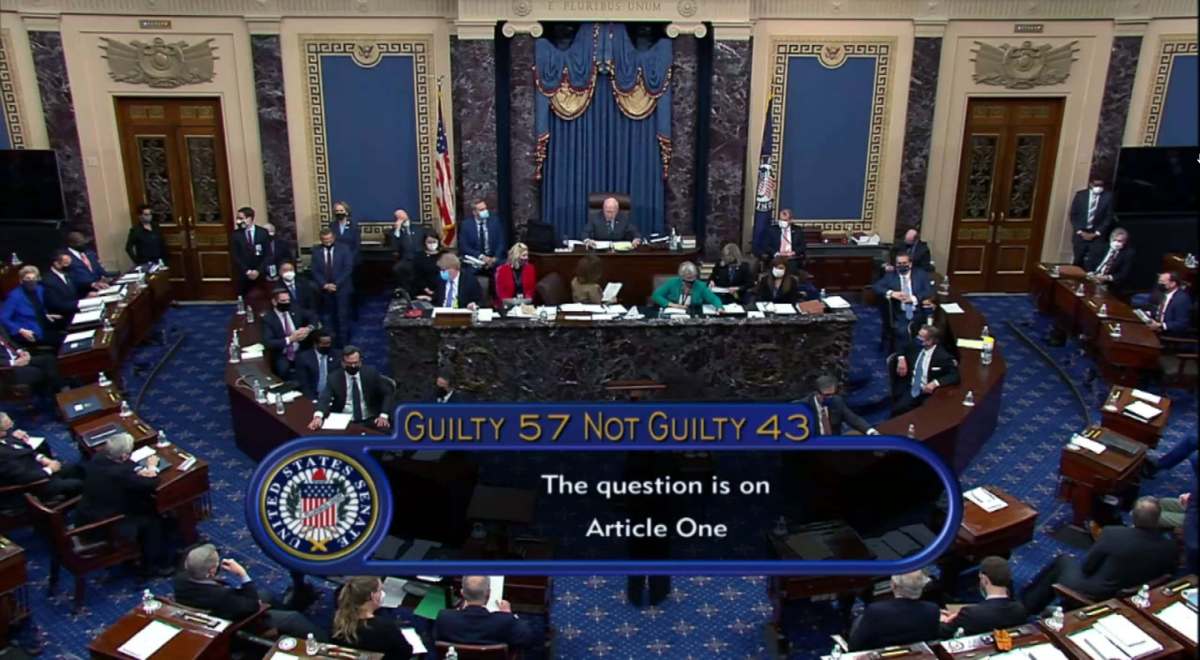
Rather than moving immediately toward impeachment, Democrats are reportedly considering hearings, subpoenas and document requests to investigate potential wrongdoing and build a public record that could potentially lead to Trump's impeachment.
The approach reflects concerns within the party that moving too quickly toward impeachment could recreate the political dynamics of Trump’s first term.