CIA chief Ratcliffe secretly flew to Russia to warn Moscow over NATO, Iran support: Reports
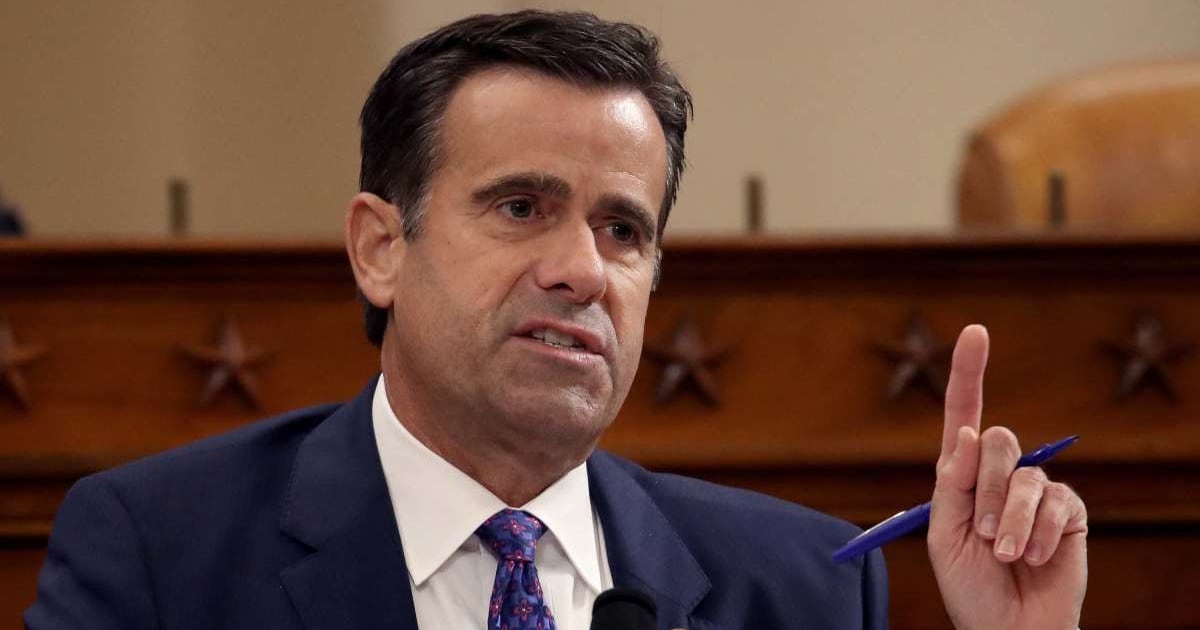
MOSCOW, RUSSIA: CIA Director John Ratcliffe used an unannounced visit to Moscow this week to warn Russian officials against taking military action against NATO allies, particularly the Baltic states, according to a report by The Wall Street Journal.
Ratcliffe also raised questions over Russia’s military and economic support for Iran during a meeting on Tuesday, August 25, pressing Moscow to reduce its assistance to Tehran. The visit came as US officials have raised concerns that Russia could seek to test NATO through military or hybrid operations while the war in Ukraine remains ongoing.
John Ratcliffe warned Moscow against targeting Baltic NATO states
Ratcliffe’s main message was reportedly focused on preventing Russia from taking escalatory action against Estonia, Latvia and Lithuania, according to two people familiar with the matter. “His meeting was primarily to warn Russia against any escalatory action against the Baltic states,” one person familiar with the discussions told Politico.
The warning comes amid growing concern among US and European officials about Russian activity targeting NATO countries. US intelligence assessments have indicated that Russian President Vladimir Putin could authorize provocative actions on NATO territory, including cyberattacks, sabotage and other operations that stop short of conventional warfare.
🚨🇺🇸🇷🇺 The CIA Chief went to Moscow to warn Russia off the Baltics and to stop arming Iran
— Mario Nawfal (@MarioNawfal) August 26, 2026
-Two people familiar say Ratcliffe's primary message was against escalatory action toward Estonia, Latvia and Lithuania
-He also pressed Moscow to cut military and economic support for… pic.twitter.com/Ov9cBKPaYy
Those concerns have followed several incidents involving Russia and European NATO members, including drone incursions into Romania, a Russian missile crossing into Poland and allegations of increased sabotage and cyberattacks across Europe. Under NATO’s Article 5, an armed attack against one member is treated as an attack against the alliance as a whole.
Ratcliffe’s visit also came as tensions between Russia and Ukraine continue to intensify and diplomatic efforts to end the war have struggled to produce a lasting agreement.
Russia appears to be preparing for a renewed escalation in Ukraine as efforts to negotiate an end to the war have stalled, according to people familiar with discussions in Moscow cited by Bloomberg.
— OSINTdefender (@sentdefender) August 26, 2026
The Kremlin is reportedly considering more intensive conventional ballistic… pic.twitter.com/uGeD0t91bG
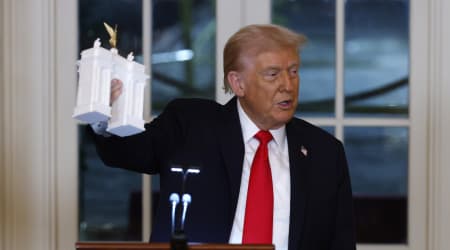
President Donald Trump, on Wednesday, confirmed Ratcliffe’s trip but characterized it as “semi-routine” and said the visit was connected to efforts to end the war in Ukraine. “I hate to disappoint people. We would like to see the war with Ukraine end,” Trump said in a radio interview with host Glenn Beck.
TRUMP on why Ratcliffe is in Russia: "He's there on, you know, very sort of semi-routine. I hate to disappoint people. We would like to see the war with Ukraine end."
— Kathryn Watson (@kathrynw5) August 26, 2026
The White House has not yet publicly disclosed details of Ratcliffe’s discussions. However, Kremlin spokesman Dmitry Peskov confirmed that Ratcliffe met with Russian intelligence officials but did not meet with Putin.
CIA chief also pressed Russia over support for Iran
Ratcliffe also raised concerns over Russia’s relationship with Iran, according to sources cited in a report by Politico. The CIA chief urged Moscow to reduce its military and economic support for Tehran, including the sharing of weapons and defense technology. Ratcliffe also reportedly cautioned Russian officials against “overreacting” to potential US sanctions.
The discussions came as Washington has increased pressure on countries maintaining economic ties with Iran. Treasury Secretary Scott Bessent warned on Monday that the US could significantly expand sanctions against countries that refuse to reduce those ties.
Russia and Iran have maintained close military cooperation, including collaboration involving drones. US officials have also accused Moscow of providing Iran with intelligence that could assist its military operations against American positions in the Middle East.