Trump considers NATO exit amid criticism of ‘paper tiger’ allies
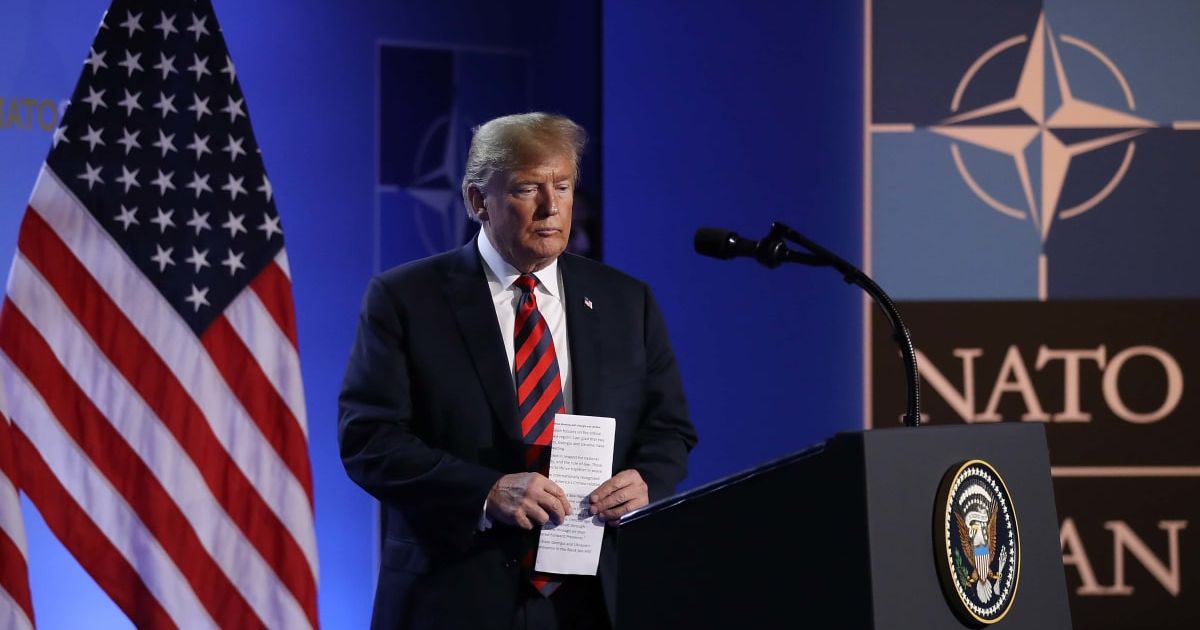
WASHINGTON, DC: President Donald Trump has indicated that he is considering a potential shift in US involvement with NATO, raising questions about the future of the decades-old military alliance.
In an interview with The Telegraph, Trump described NATO as ineffective in the context of the ongoing conflict with Iran, citing the lack of direct allied participation in US-led operations.
The remarks mark one of the clearest signals from the President regarding possible changes to US commitments within the alliance, which was established in 1949 and has been central to transatlantic security policy.
Alliance loyalty questioned after Iran snub
Trump pointed to the current conflict in Iran as a key factor in his assessment of NATO, noting that several member states have not joined US military actions in the region.
He contrasted this with US involvement in European security matters, including support for Ukraine.
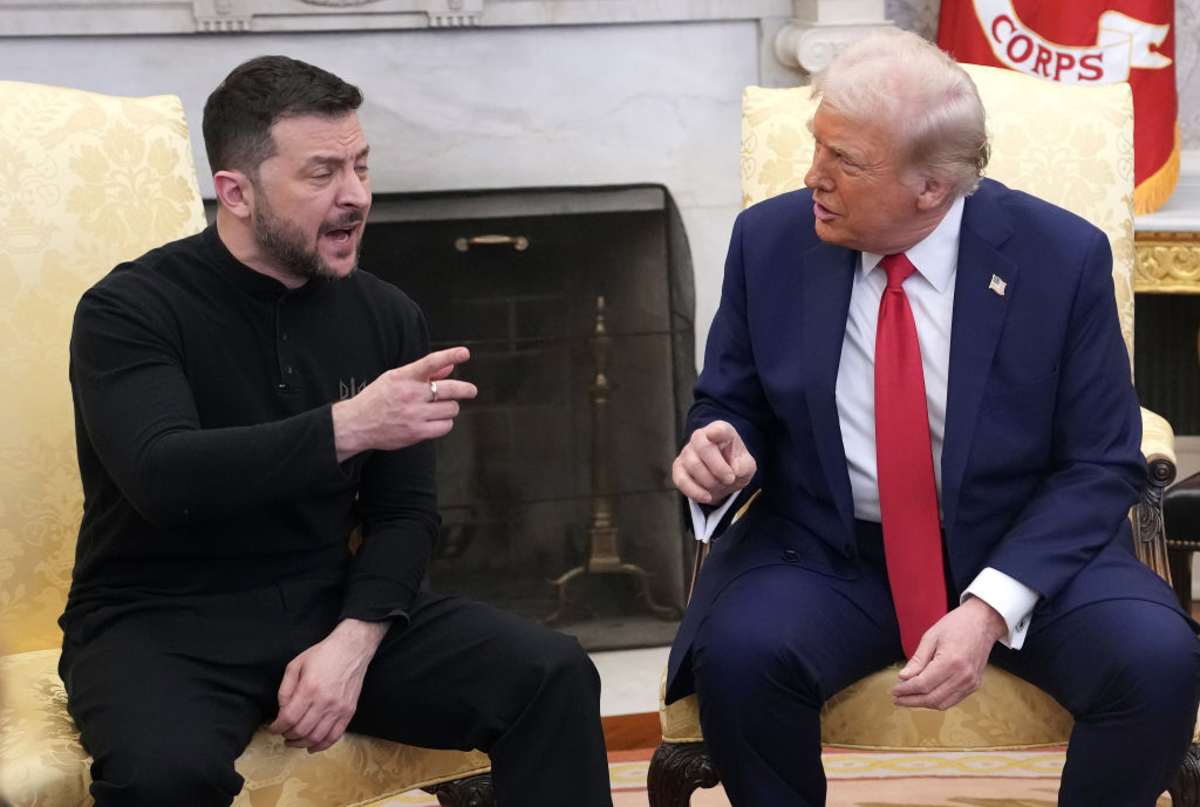
“They weren’t there for us,” Trump said, referring to NATO allies’ stance on the Iran conflict. He suggested that the situation has prompted a reassessment of the alliance’s value from the US perspective.
NATO’s Article 5 mutual defense clause applies to attacks on member states, and officials have noted that its provisions do not automatically extend to all military operations undertaken by individual members.
Legal hurdles require Senate ‘advice and consent’
Despite the President’s comments, any formal withdrawal from NATO would face significant legal and procedural requirements. Under US law, exiting a treaty of this scale requires congressional involvement, including the advice and consent of the Senate.
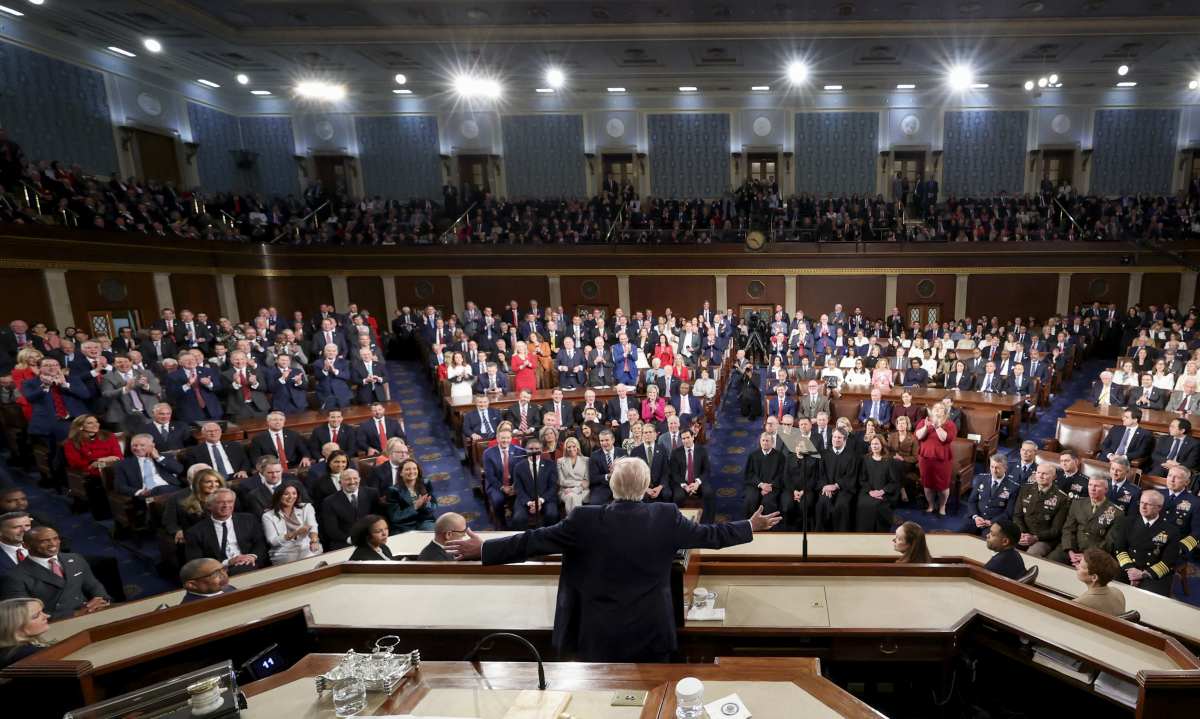
Legal experts note that a two-thirds majority vote in the Senate would likely be required to approve withdrawal, making such a move politically complex given current divisions in Congress.
No formal proposal to withdraw from NATO has been submitted to lawmakers.
Moscow welcomes news of Western division

Trump’s remarks have drawn international attention, particularly in Europe and Russia. Analysts note that any indication of reduced US commitment to NATO could have implications for security dynamics, especially in relation to the war in Ukraine.
Russian officials have previously criticized NATO expansion and described divisions within the alliance as beneficial to Moscow’s strategic position. However, no official Russian response to Trump’s latest comments has been issued.
Starmer defends world's ‘most effective’ alliance

UK Prime Minister Keir Starmer responded by reaffirming Britain’s support for NATO, describing it as a cornerstone of international security cooperation. He emphasized the UK’s continued commitment to the alliance amid ongoing global tensions.
While discussions continue, NATO officials have not indicated any immediate changes to the alliance’s structure or operations.