Trump stuns JD Vance with 2028 succession remarks in Fortune interview
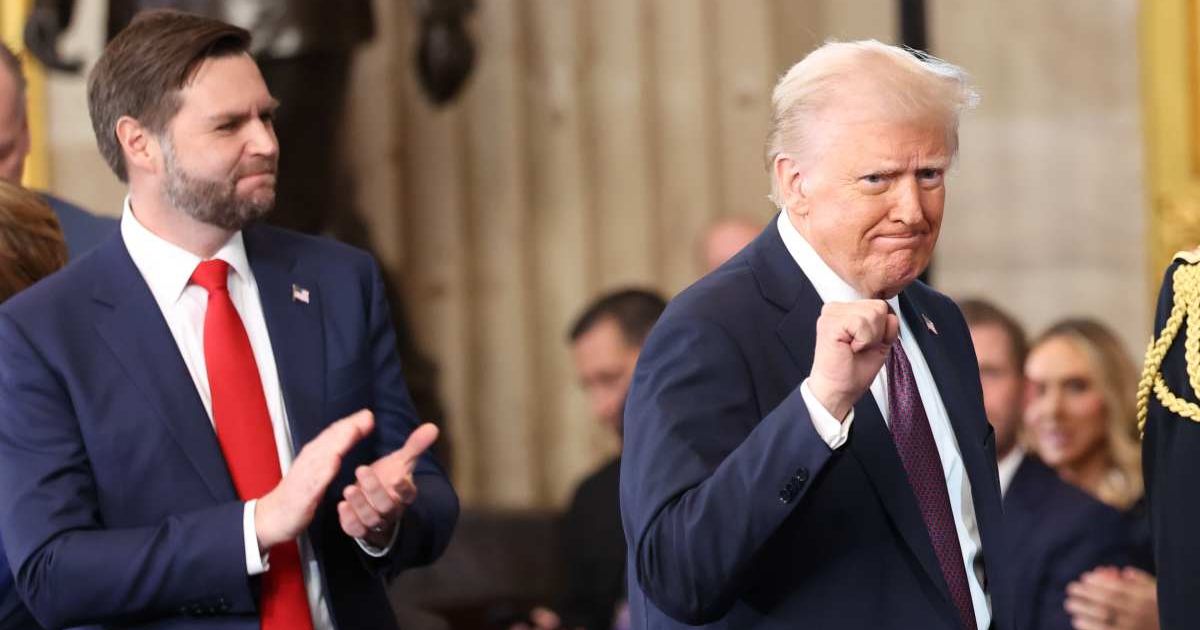
WASHINGTON, DC: In an extraordinary and deeply uncomfortable display of executive dominance, President Donald J Trump refused to endorse Vice President JD Vance for the upcoming 2028 presidential election, delivering a blunt warning about the future of the Republican ticket directly in front of his second-in-command.
The striking interaction, which occurred during an interview with Fortune magazine, exposes a simmering internal struggle over who will inherit the leadership of the conservative movement.
The confrontation unfolded on May 11 when Fortune Editor-in-Chief Alyson Shontell posed a challenging question to the President regarding his political allegiance and his vision for the 2028 Republican ticket.
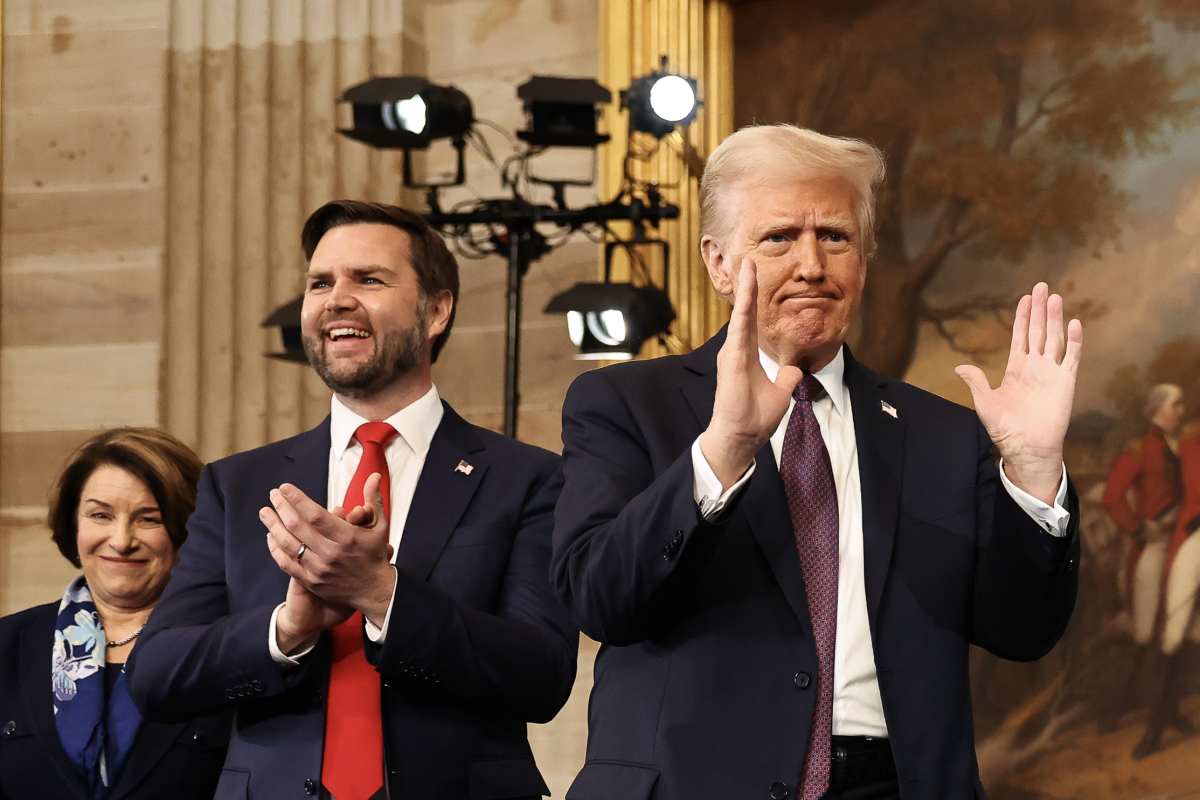
Shontell explicitly asked Trump to choose who should helm the party's future banner: Vice President Vance, Secretary of State Marco Rubio, or Donald Trump Jr.
In a highly theatrical twist, Vance entered the room at the exact moment the succession question was asked, forcing him to stand and listen as the President evaluated his political viability to his face.
President rejects clear side over succession
Rather than offering a standard endorsement of his sitting Vice President, Trump pointedly refused to pick sides among the competing factions of his inner circle.
Instead, he chose to deliver a stark warning about the immense high-consequence risk associated with the upcoming executive transition.
The President minimized Vance's immediate claim to the mantle by framing the decision as an open-ended equation that could destroy the administration's legacy if executed poorly.
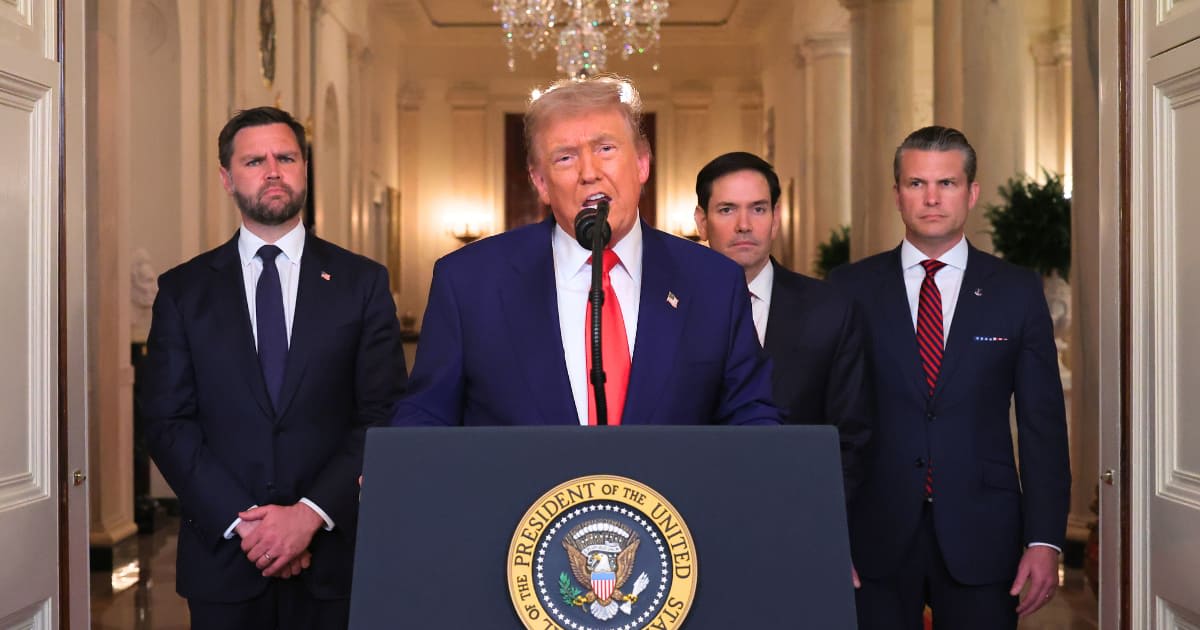
"Whoever gets this job is going to be very important," Trump stated, gesturing toward the responsibilities of the Oval Office. He then added a harsh dig that left the room entirely silent: "And if you get the wrong person: disaster."
Vance did not interject or offer a response during the remainder of the interview, remaining quiet as the President openly questioned whether his current deputy possesses the institutional authority to prevent a future collapse of the movement.
Vance dismisses tension with television joke
The interaction with Fortune caused significant shockwaves throughout Washington. In response, Vance has taken steps to downplay the perceived slight. When faced with a series of questions from journalists about whether the President is engaging in psychological tactics concerning the 2028 succession, the Vice President responded by comparing the awkward situation to the President's experience with reality television.
Questioned by a barrage of journalists over whether the President is playing psychological games with him regarding the 2028 succession, the Vice President dismissed the uncomfortable encounter by drawing a parallel to the President's historical reality television background.
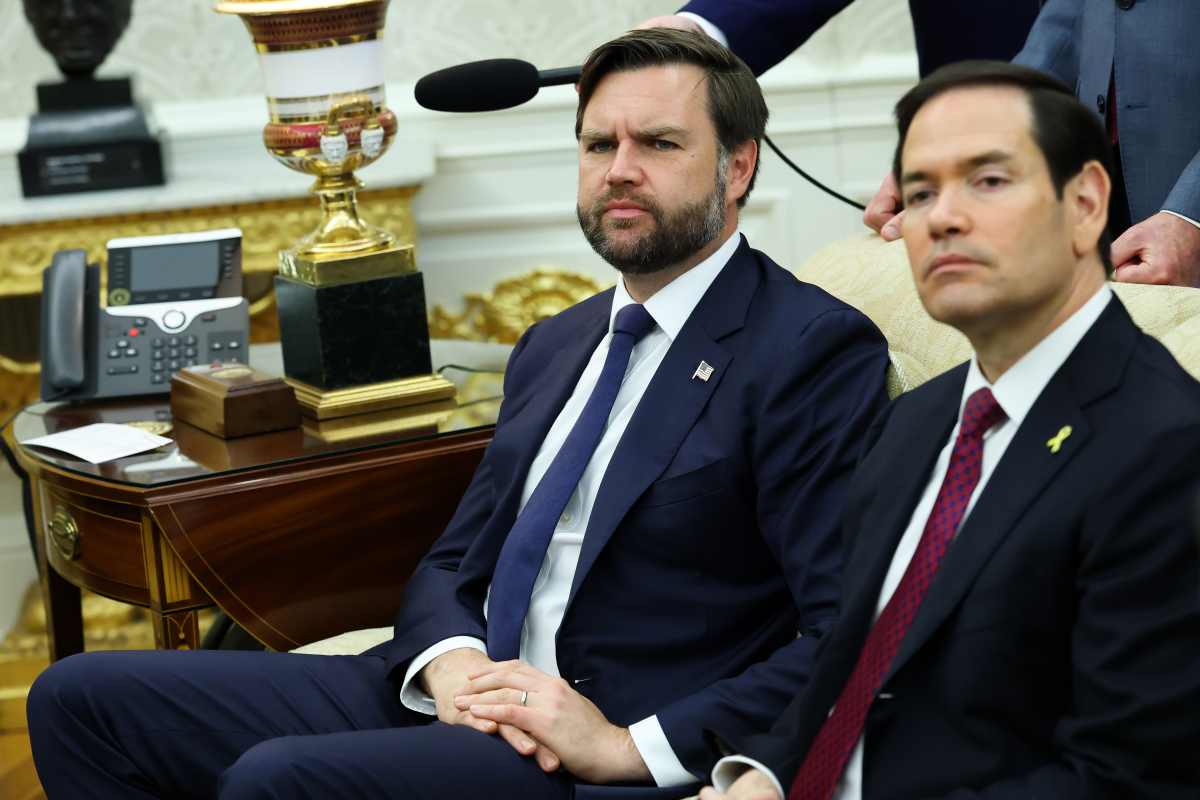
"Well, I just don't think it sounds like for the United States to have a televised competition for who would succeed him as his apprentice," Vance deadpanned, using a swift joke to deflect from the reported friction.
This public response follows separate reports that Trump has actively been polling close friends and political allies behind the scenes about whether they would prefer a 2028 ticket led by Vance or his primary diplomatic rival, Marco Rubio.
Executive focus shifts away from politics
Vance continued to downplay the significance of the President's comments to reporters, clarifying that the public shouldn't interpret the blunt language too seriously.
He argued that Trump has always maintained a deep fascination with the mechanics of political theater, making it entirely natural for him to joke around and play with the concept of succession.
The Vice President insisted that despite the playful public polling, the administration remains united and intensely focused on delivering tangible wins for the American public during the remainder of the term.
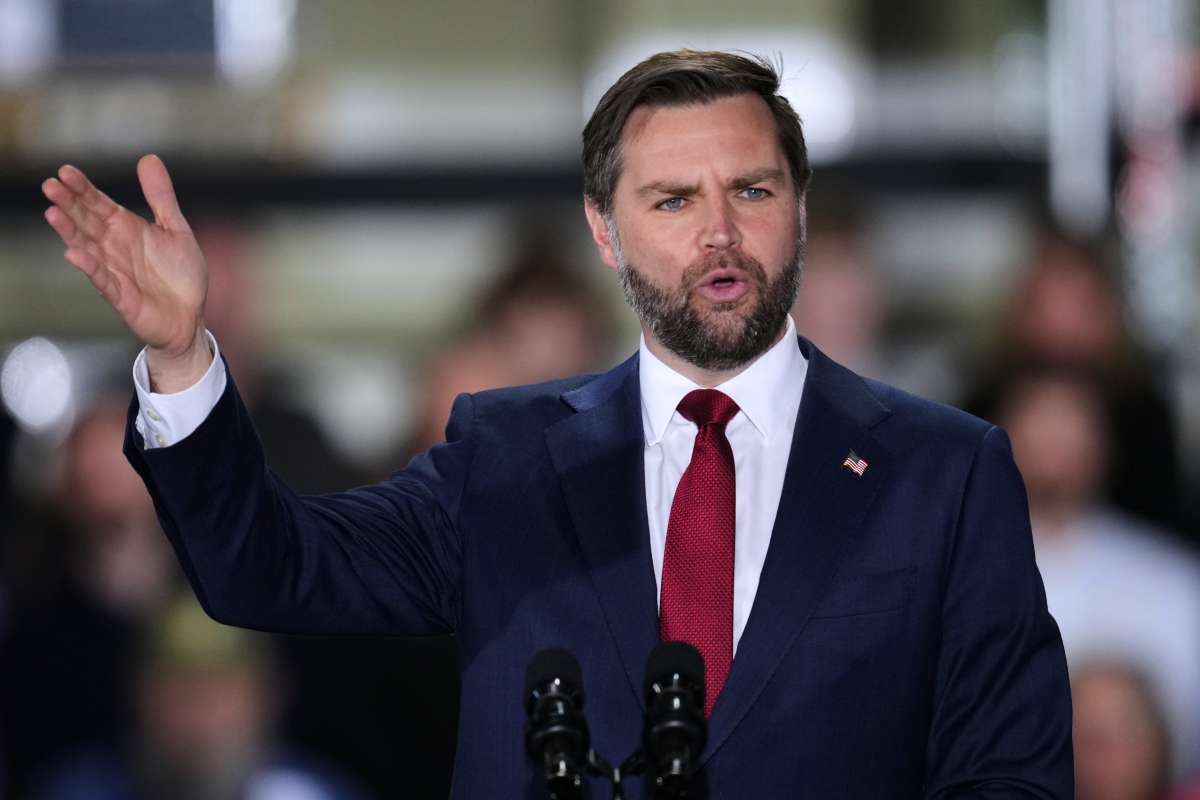
Shifting the narrative away from future ambitions, Vance emphasized that he is entirely concentrated on executing his present governing duties rather than anticipating an upcoming primary battle.
The Vice President has consistently avoided making a formal declaration regarding a future White House run, reminding reporters that any future position must be earned rather than inherited.
"If we do a good job in 2025 and 2026, then we can talk about the politics in 2027," Vance stated, adding that the American people are thoroughly fed up with officials who begin angling for their next job while only seven months into their current one.