Rubio publicly warns China on Iran amid Hormuz crisis: ‘It’s in their interest to resolve this’
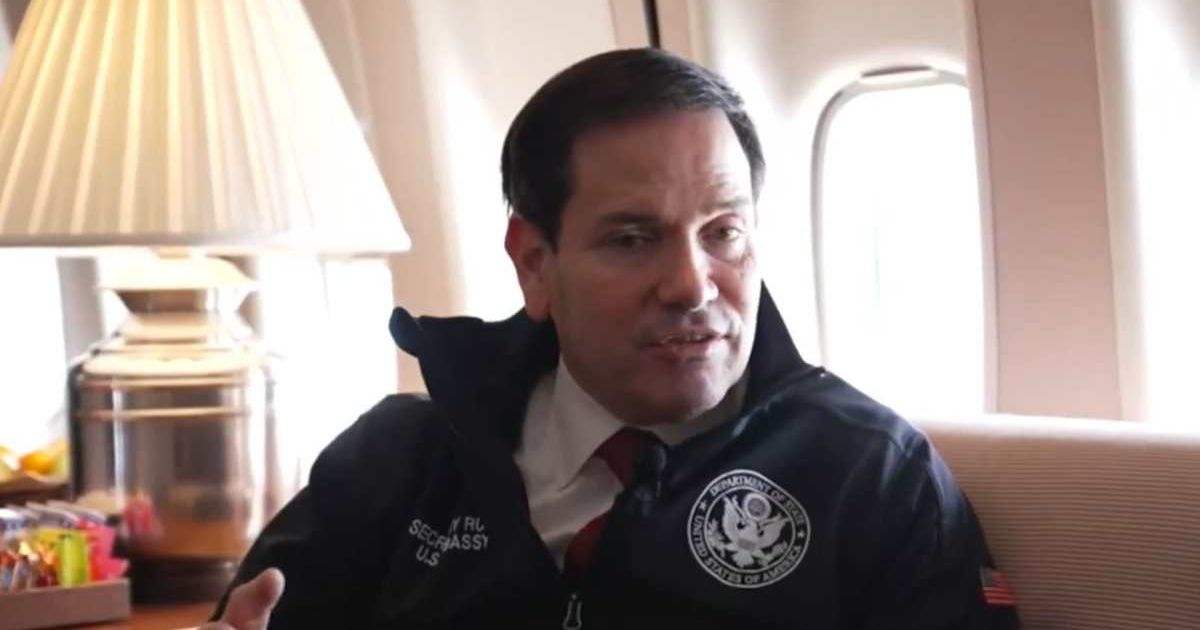
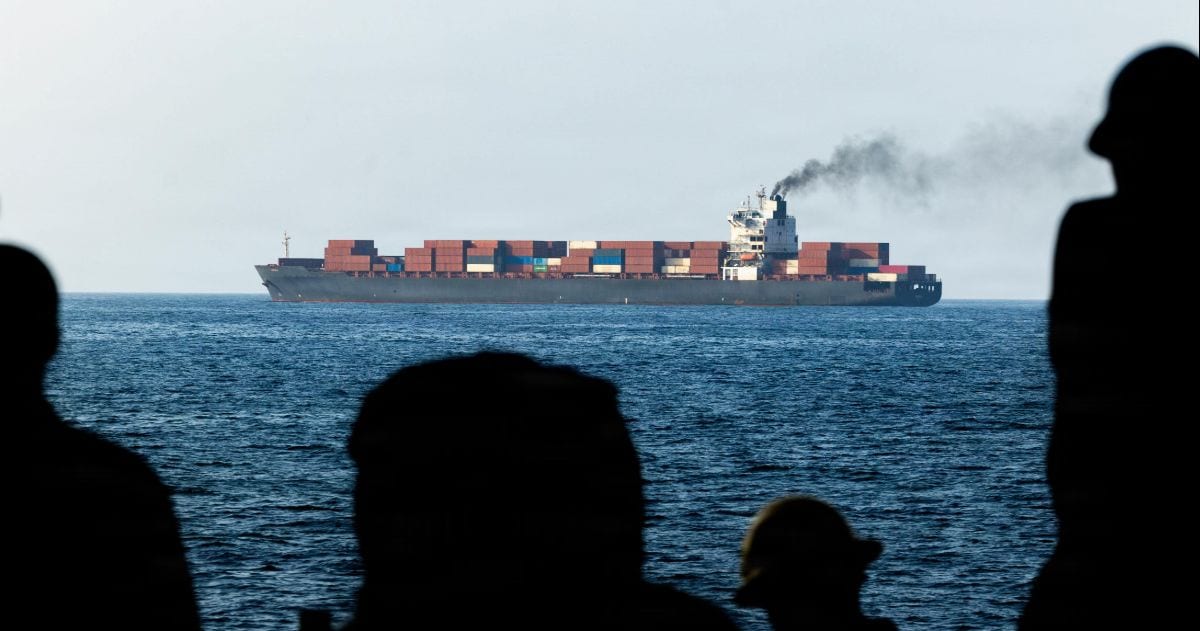
WASHINGTON, DC: Secretary of State Marco Rubio warned that China is already feeling the economic fallout from the escalating Iran crisis, pointing to reports that Chinese-linked cargo vessels have been hit amid growing instability around the Strait of Hormuz.
During an appearance with Sean Hannity, Rubio argued that Beijing now has a direct financial and strategic incentive to help pressure Iran and stabilize the region before the disruption spirals into a larger global economic crisis.
China faces economic risks amid Hormuz shipping crisis
Rubio’s remarks reflected the Trump administration’s increasing effort to shift some responsibility onto China as fears grow over energy markets, shipping lanes, and the possibility of a wider conflict in the Persian Gulf.
EXCLUSIVE: Secretary of State Marco Rubio outlines the high-stakes push for China to confront Iran over its actions in the Persian Gulf in an exclusive sit-down with @seanhannity aboard Air Force One:
— Fox News (@FoxNews) May 13, 2026
“The Chinese have ships stuck in the Persian Gulf... A Chinese cargo got hit… pic.twitter.com/9gtJqdfvxN
Rubio said Chinese-linked cargo has already been impacted, noting that ships tied to China are effectively stuck in the region amid uncertainty over safe passage through the Strait.
“You saw a Chinese, not Chinese-flagged vessel, but it was Chinese cargo got hit over the weekend,” Rubio said, adding that the situation highlights the risks of allowing selective access through the critical waterway.
Rubio pointed out that the incident shows just how quickly this crisis is affecting China’s economy, mainly because Beijing relies heavily on oil flowing through the Strait of Hormuz.
The secretary of state also said that if the instability drags on, China’s export-heavy economy could face serious consequences.
If global markets take a downturn and shipping disruptions worsen, conditions could become especially difficult for China. He warned that as economies struggle amid the crisis, demand for Chinese goods could fall and exports could “drop precipitously.”
He added that the US hopes to push China to take a more active role in pressuring Iran. “It’s in their interest to resolve this,” Rubio said.
Marco Rubio calls China top US geopolitical challenge
Beyond the immediate Iran crisis, Rubio also used the interview to describe the broader US-China relationship as one of the defining geopolitical challenges facing the Trump administration.
BREAKING: Secretary of State Marco Rubio stresses the critical need for America to strategically navigate its complex relationship with China:@seanhannity : “You view China as our top geopolitical foe.”
— Fox News (@FoxNews) May 13, 2026
RUBIO: “Yeah, it’s both our top political challenge geopolitically and… pic.twitter.com/DswsSw593b
“It's both our top political challenge geopolitically, and it's also the most important relationship for us to manage,” Rubio said during an appearance on Fox News’ Hannity.
Rubio pointed to China’s growing power as a key factor shaping global dynamics, saying clashes between US and Chinese interests are inevitable.
“We're going to have interests of ours that are going to be in conflict with interests of theirs,” he said, adding that maintaining peace and stability will require careful management.
Rubio’s comments come as the Trump administration continues balancing aggressive pressure on Iran with efforts to avoid a prolonged regional war that could severely impact the global economy and drive up energy prices at home.
At the same time, Rubio emphasized that the relationship is not purely adversarial and could include areas of cooperation. “There might be some areas of cooperation, too, and we want to make sure we don't walk away from those,” he said.