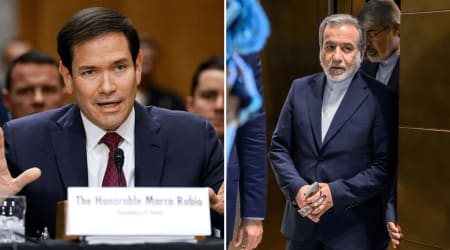
After UK pressuring Trump to back off Greenland, PM Keir Starmer inches closer to Denmark
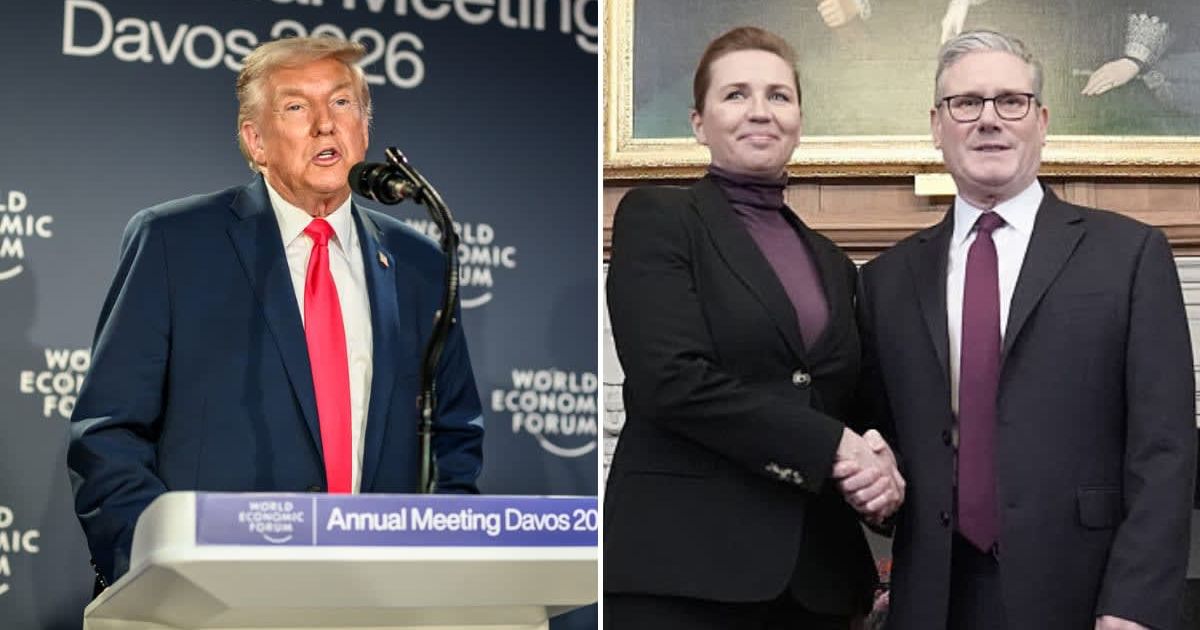
LONDON, UNITED KINGDOM: Britain has moved to reinforce its ties with Denmark after pressing President Donald Trump to retreat from threats over Greenland
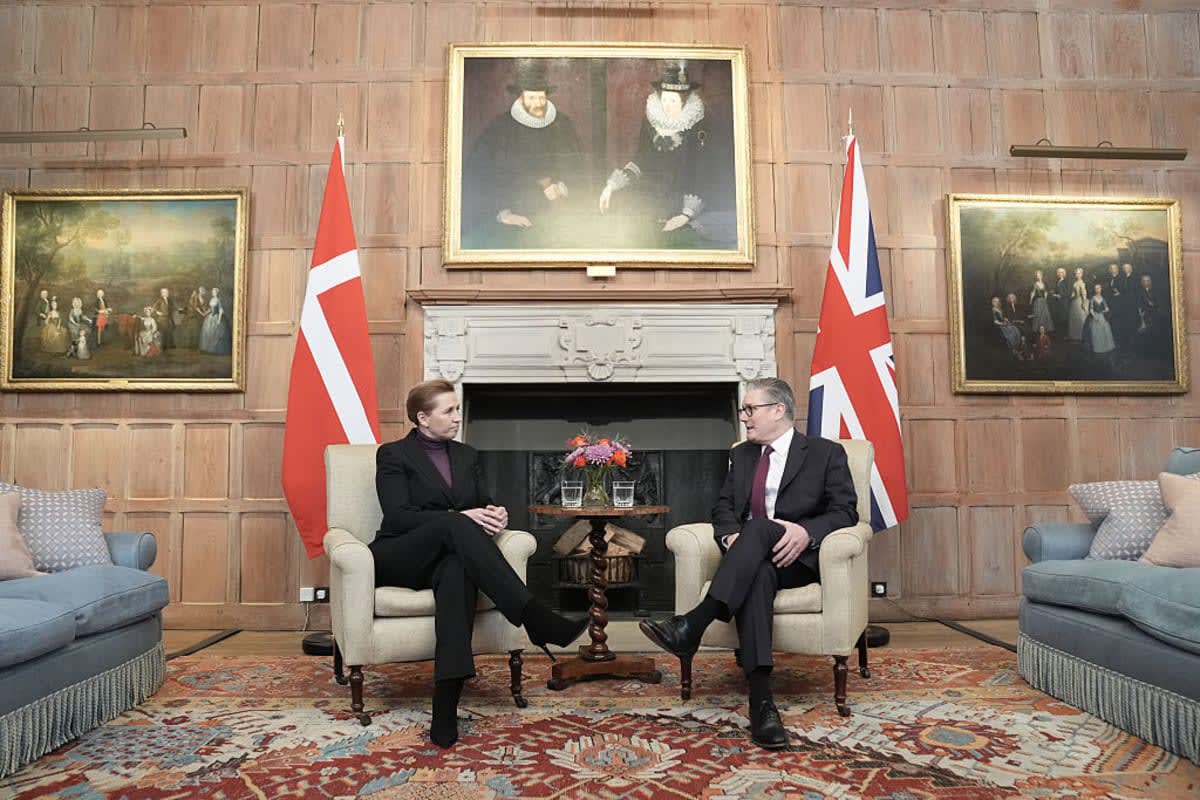
The shift was underlined on Thursday, January 22, when Prime Minister Keir Starmer hosted Danish Prime Minister Mette Frederiksen at Chequers in London for bilateral talks.
That happened just a day before UK's Deputy Prime Minister David Lammy told the BBC that Trump had backed down from his threats against Greenland, a Danish territory, in response to pressure from UK.
Starmer bolsters Denmark ties after Trump u-turn
Starmer hosted Frederiksen in London to discuss how their two countries can work together more closely for Arctic security and broader security cooperation.
They agreed that keeping the Arctic safe is a job for all North Atlantic Treaty Organization (NATO) countries and Europe, not just one country.
To make this happen, the two leaders plan to have their militaries work together more often.
During the visit, Frederiksen was very clear about where she stood, telling the media that "Greenland's sovereignty is not up for negotiation, stressing that NATO cannot negotiate on behalf of Denmark or Greenland."
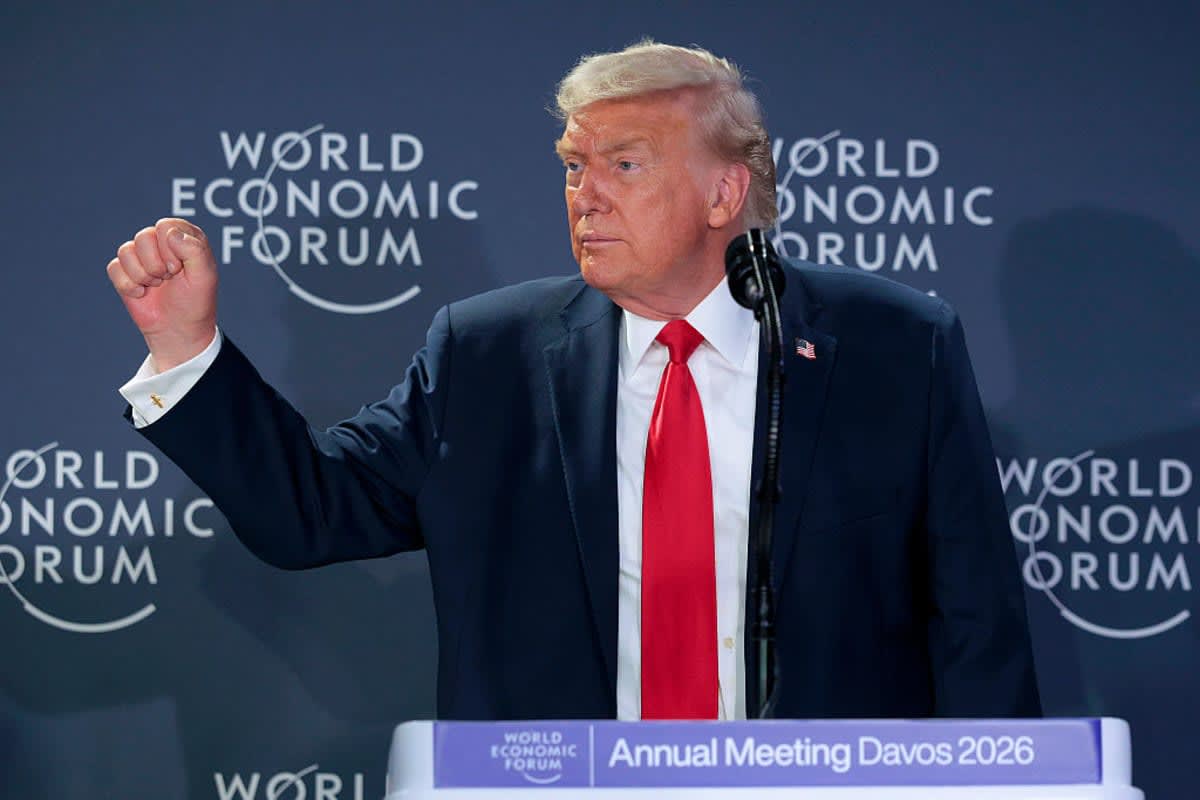
Britain claims its pressure ended Trump's threats
This new closeness follows Europe's tense standoff with Trump, who had suggested taking control of Greenland and threatened tariffs on European goods.
Lammy said that Trump changed his mind because the UK stood its ground.
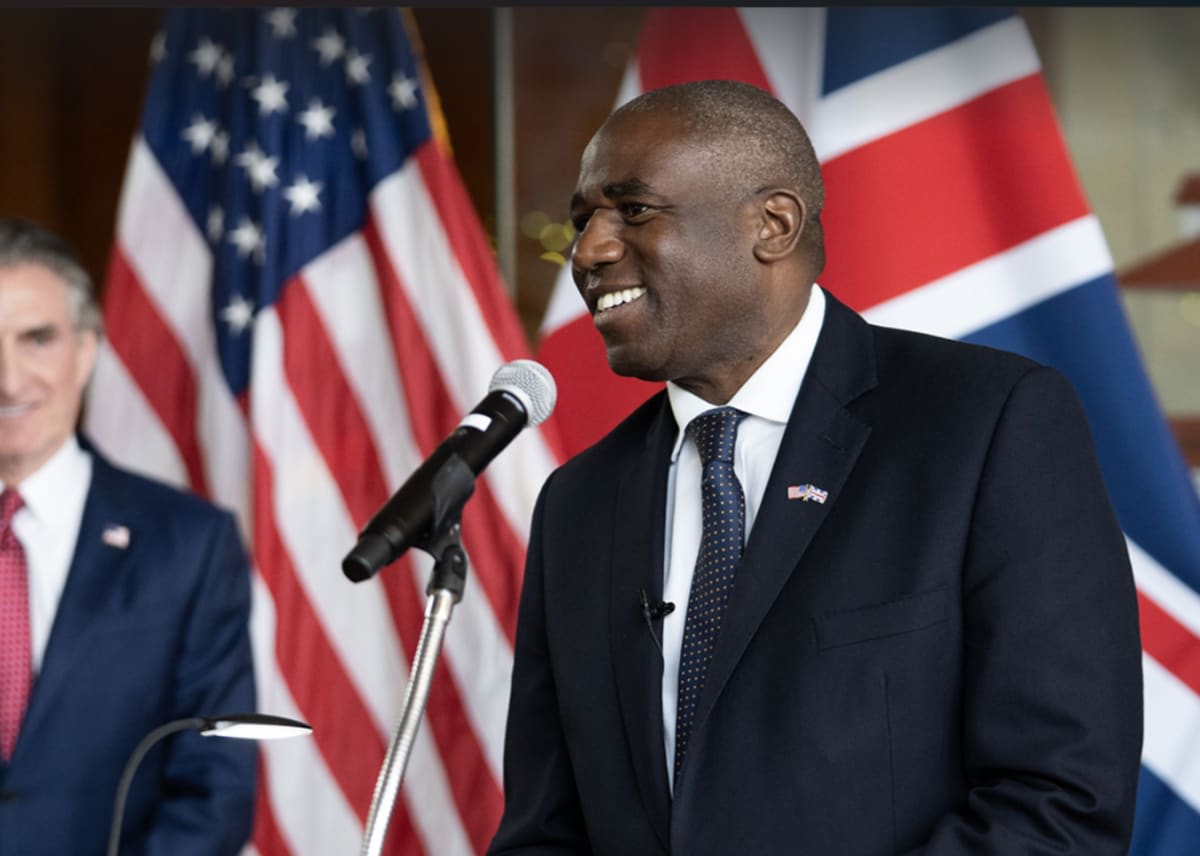
He explained that the US president had "responded to our concerns" after the UK made its support for international law "absolutely crystal clear."
He pointed out that by sticking together, the UK and Europe convinced their ally to change course, noting, "Donald Trump stepped back from any suggestion of force, and he stepped back from the use of tariffs."
Lammy warns of coercion in new environment
Despite the successful de-escalation, British officials acknowledge that the geopolitical landscape has fundamentally changed, requiring closer ties with European neighbors as the US shifts its focus.
David Lammy observed that while the UK-US relationship remains special, the international community is entering a "new environment" where major powers might use "coercion instead of the courts" to settle disputes.
He warned that "the old order isn't coming back," adding that "the tectonic plates have shifted. There is profound change."
This reality has pushed Starmer to maintain a fine balance, refusing to "yield" on Greenland's right to self-determination while simultaneously managing a US president who remains determined for America to "play a bigger role" in Arctic regional security.