Trump administration spent $30M on third-country deportations, Dems say

WASHINGTON, DC: The Senate Foreign Relations Committee Democrats say the Trump administration spent more than $30 million deporting migrants to countries other than their own, according to a new report released on Friday, February 13.
The report, led by Ranking Member Sen Jeanne Shaheen (D-N.H.), reviews agreements under which foreign governments accepted third-country nationals removed from the United States.
It alleges that in some cases the government paid more than $1 million per deportee and funded flights first to a third country and later back to the individual’s home country. The administration has defended the agreements as part of its broader immigration enforcement strategy.
Report details high-cost deals with more than 20 countries
The report provides what it describes as one of the most comprehensive reviews to date of the administration’s third-country deportation arrangements.
According to the findings, the administration has reached agreements with or sent migrants to more than 20 countries and is pursuing additional deals. It says that agreements with five governments, Equatorial Guinea, Rwanda, El Salvador, Eswatini and Palau, have cost more than $32 million.
Much of that funding was delivered as lump-sum payments, “often before any third country nationals arrived,” the report says. Collectively, those five countries have received about 300 third-country nationals.
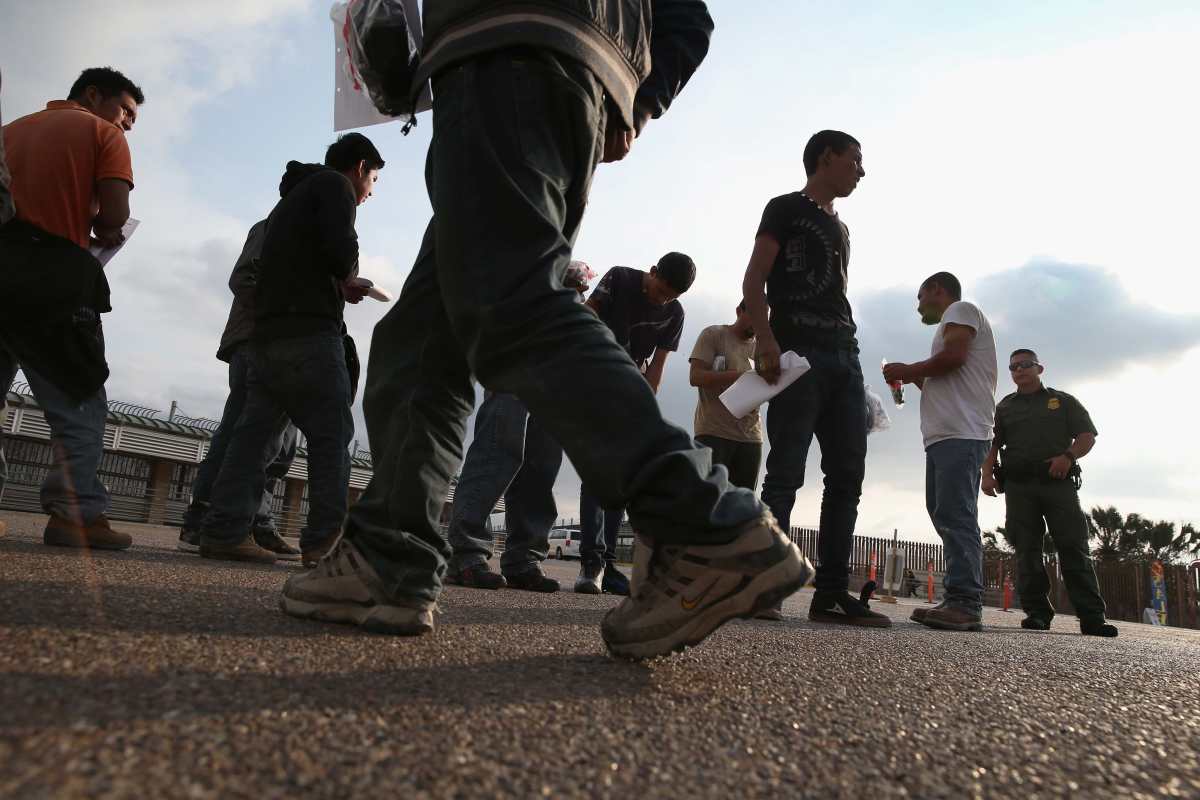
El Salvador received the largest number, with around 250 deportees. The report says the country was awarded a $4.76 million grant to imprison deportees alleged by the administration to have ties to the criminal organization Tren de Aragua.
Rwanda allegedly received $7.5 million to accept seven individuals, equating to more than $1 million per deportee, according to the report. Palau received $7.5 million but has not accepted any third-country nationals, the report states. As of January 2026, a combined 51 individuals had been sent to Eswatini, Equatorial Guinea, Rwanda and Palau.
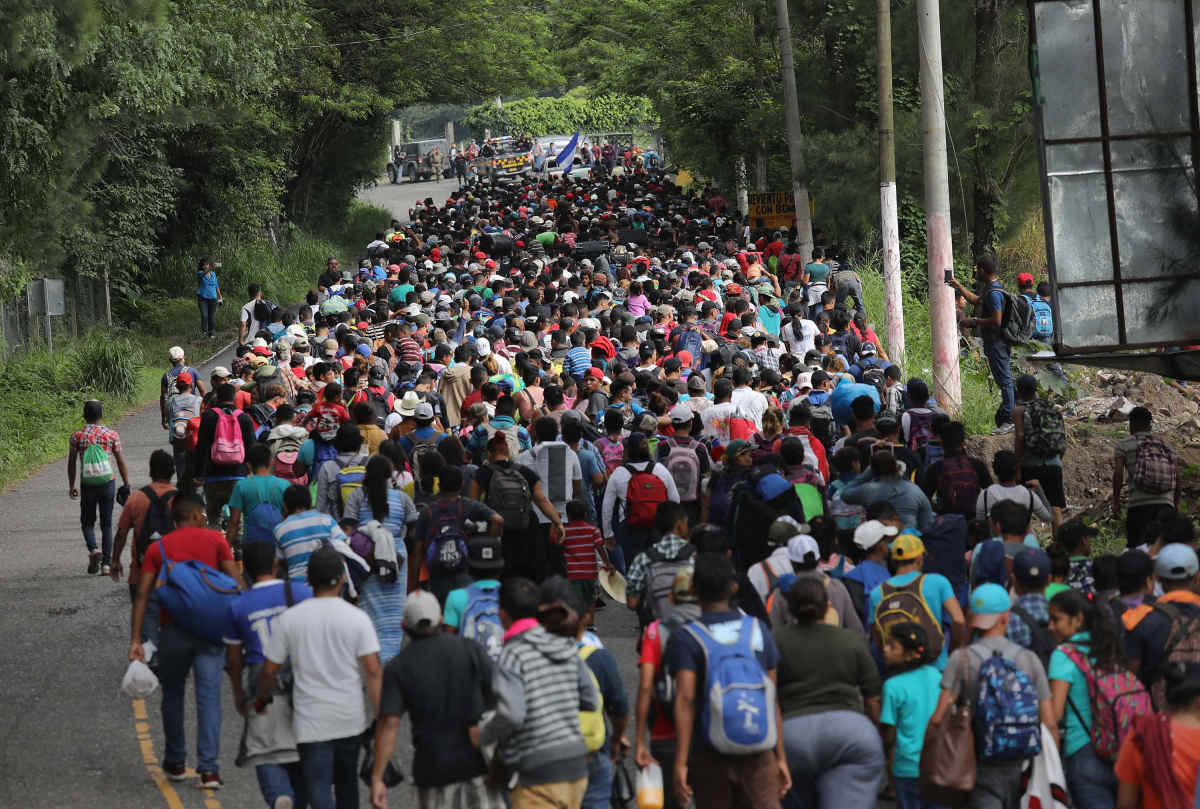
The report also highlights transportation costs, noting that the administration frequently used military aircraft, including for flights carrying small numbers of migrants.
“The Trump Administration spent an estimated more than $7.2 million on third-country deportation flights as of January 2026 to at least ten countries, with actual costs likely far higher,” the report states. Overall costs through January 2026 are “likely upward of $40 million,” according to the document.
Allegations of repeated removals, limited oversight
The report further alleges that “as of January 2026, more than eighty percent of the migrants sent to third countries the US paid to take them in have already returned to their country of origin, or are in the process of doing so.” In some cases, it says, the administration paid to deport individuals to a third country and later funded their return home.

A US official reportedly told committee staff that the administration “is sometimes paying the country to take people, flying them there and then paying to take them to their home country.”
Regarding agreements with distant countries such as Palau and Eswatini, a US official was quoted in the report as saying, “the point is that the Administration can threaten people that they will literally be dropped in the middle of nowhere.” The official added, “The point is to scare people.”