Geneva Iran-US nuclear talks cut short amid military threats and domestic unrest
GENEVA, SWITZERLAND: A new round of indirect nuclear talks between Iran and the United States took place in Geneva and lasted just over four hours. The discussions focused on the conditions under which Tehran would limit its nuclear program, with oversight from the International Atomic Energy Agency (IAEA).
The Geneva meeting occurred against the backdrop of mixed signals from Donald Trump. He expressed his belief that Iran wanted to reach a deal, while also highlighting the increasing presence of the US Navy in the region.
Omani mediation and naval brinkmanship
Oman continued its role as mediator, shuttling messages between the two sides since this phase of talks began there on February 6. The diplomatic effort has been overshadowed by rising military rhetoric.
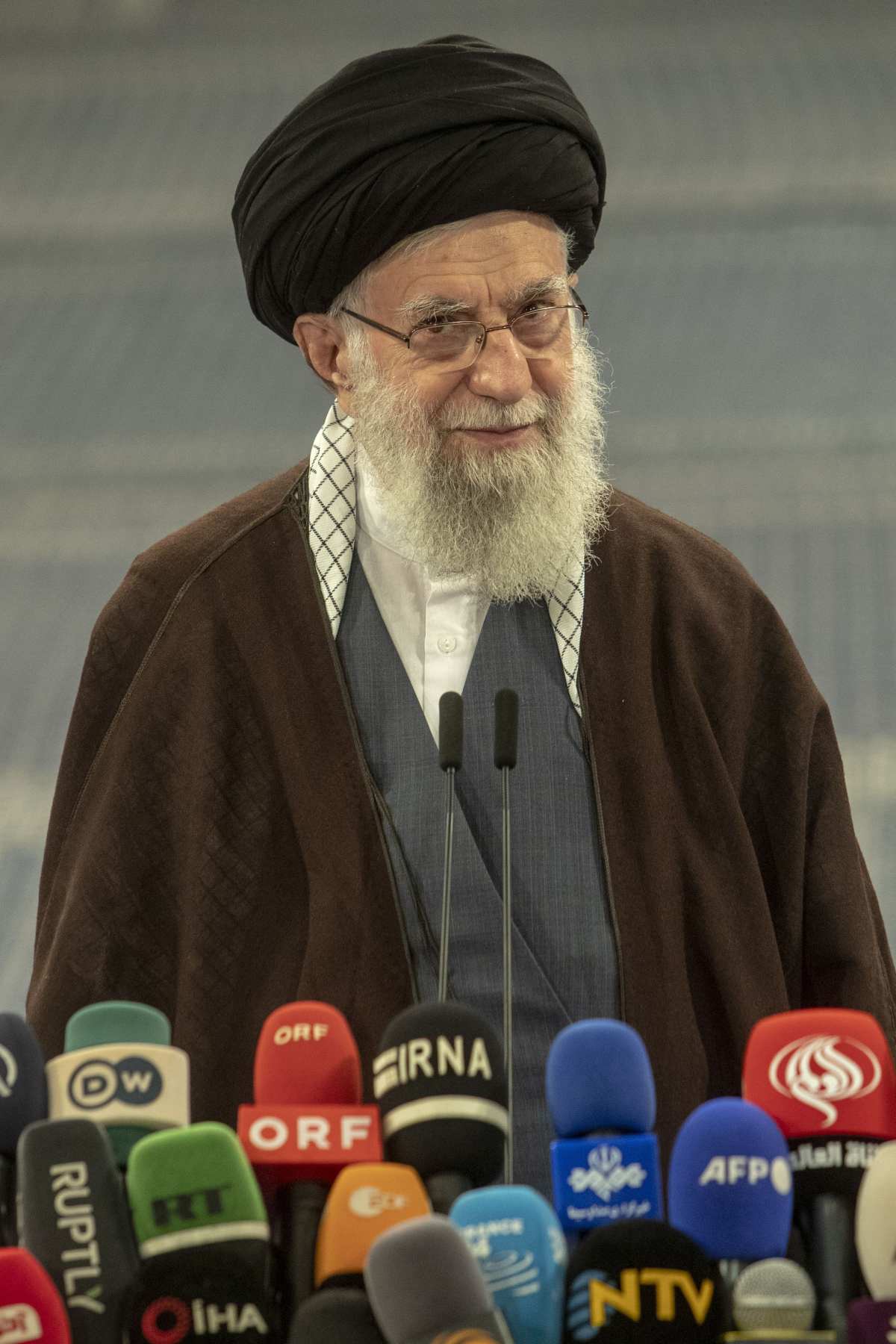
Iran’s Supreme Leader Ayatollah Ali Khamenei, responded to the deployment of US warships near Oman by declaring that the United States could not destroy the Islamic Republic. He warned that while warships were dangerous, “more dangerous than a warship is a weapon that can send it to the bottom of the sea.”
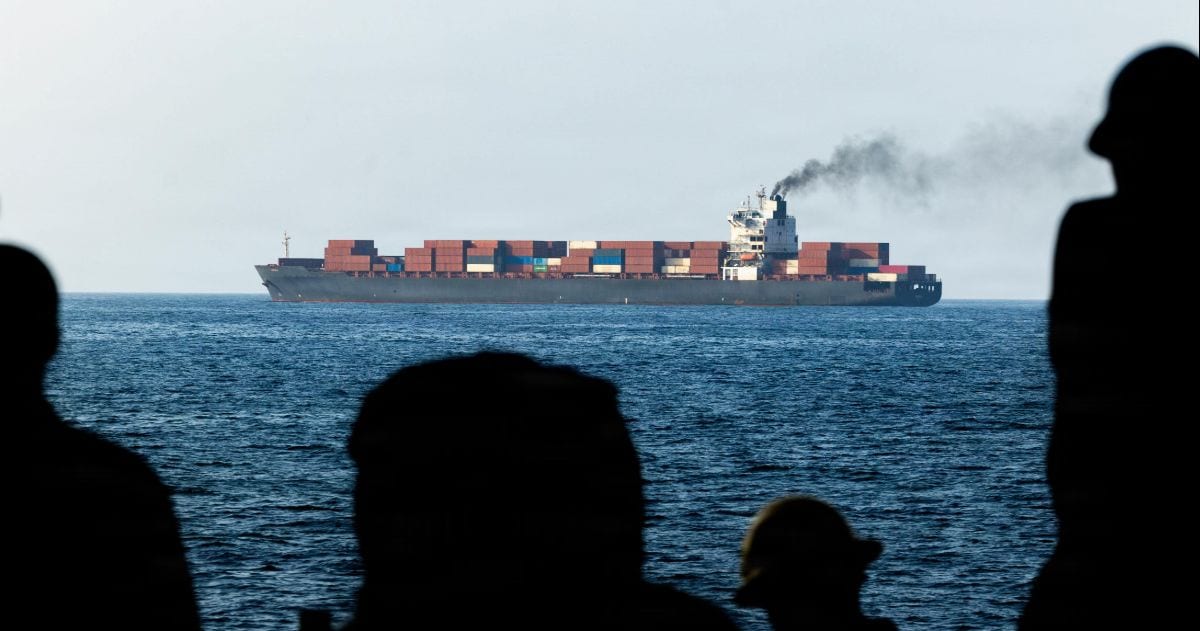
Tehran announced a partial closure of the Strait of Hormuz on Tuesday to conduct live-fire naval exercises. This move has raised concerns about potential disruptions to one of the world’s most critical shipping lanes.
The Strait of Hormuz connects the Persian Gulf with the Gulf of Oman and serves as the only maritime route for exporting crude oil from the oil-rich Gulf to global markets. Iran controls the northern coastline of the strait.
According to the US Energy Information Administration, approximately 20 million barrels of oil, about one-fifth of daily global production, pass through this narrow channel each day, making it a “critical oil chokepoint.”
Iranian officials have repeatedly warned that they could close the strait during periods of heightened tension with the West, a move that would significantly disrupt global energy supplies and commercial shipping.
Verification at the heart of negotiations
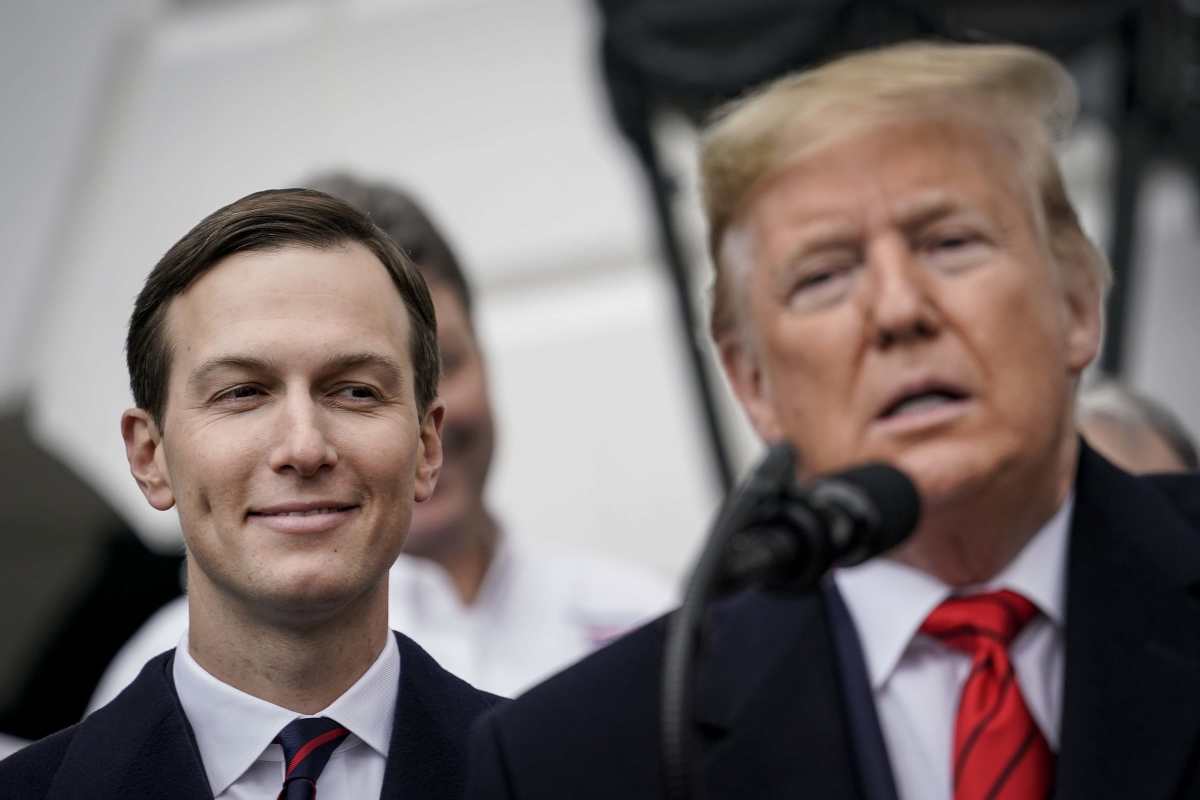
Although Trump said he was closely monitoring the talks, Iran stressed that any direct contact would be limited to the US delegation, led by special envoy Steve Witkoff, and Trump’s son-in-law Jared Kushner.
Iran's delegation was led by Foreign Minister Abbas Araghchi, who met with IAEA Director General Rafael Grossi on Monday. The US delegation had its own meeting with Grossi on Tuesday, indicating that nuclear verification remains a central focus of the talks.
Any agreement would necessitate the full return of IAEA inspectors to Iran’s nuclear facilities. Tehran has proposed diluting its stockpile of uranium enriched to 60%, but it opposes exporting this material abroad, particularly to Russia.
Iran is also offering economic incentives to attract US commercial interests, which include joint investments in oil, gas, and mining, as well as aircraft purchases. Deputy Foreign Minister for Economic Diplomacy Hamid Ghanbari stated that the sustainability of any deal would depend on tangible benefits for Washington.
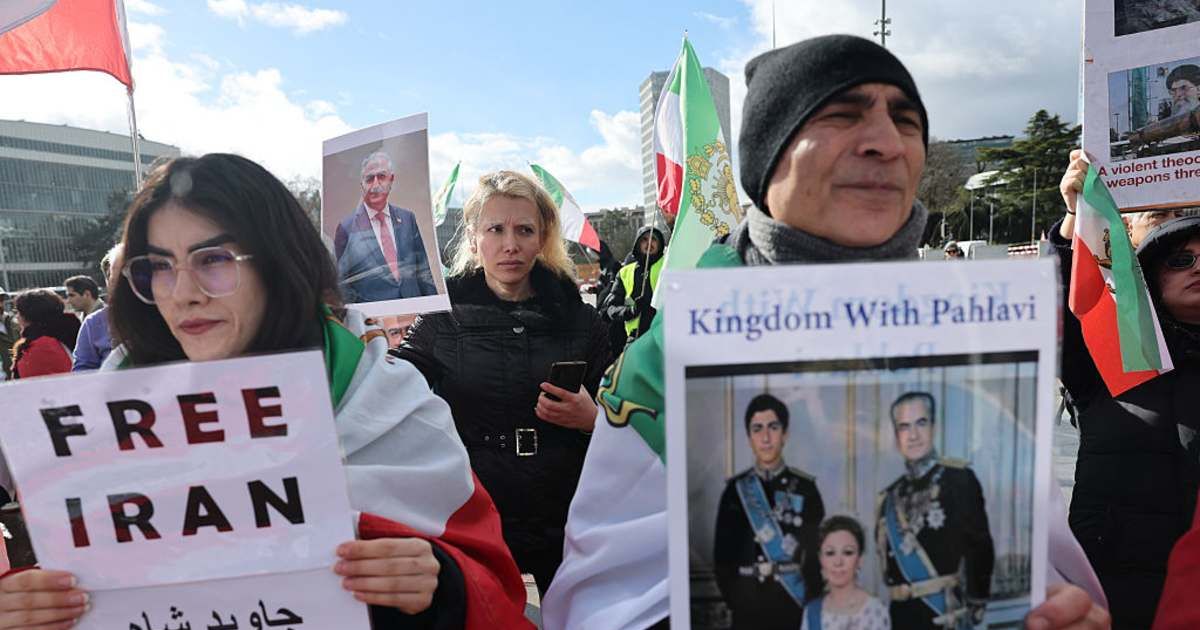
Meanwhile, political tensions in Iran are escalating. In recent weeks, reformist figures and demonstrators have been arrested, even as new opposition groups are emerging, advocating for a democratic transition and a free referendum on Iran's future political system.