Rubio signals negotiations over conflict with Iran before Geneva meeting: 'We're going to try'
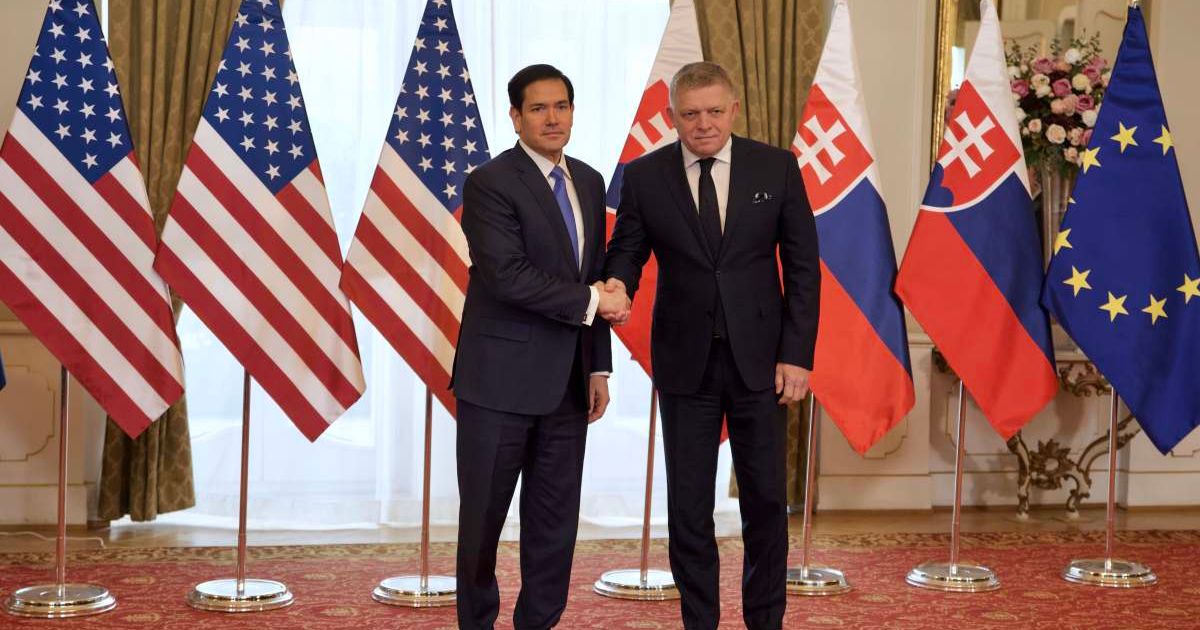
BRATISLAVA, SLOVAKIA: Secretary of State Marco Rubio said President Donald Trump is prioritizing diplomacy in dealing with Iran as negotiations are set to take place in Geneva on Tuesday, February 17.
Speaking at a news conference in Bratislava alongside Slovak Prime Minister Robert Fico on Sunday, Rubio said that the president has made clear his preference for talks over confrontation.
“The president’s made clear he prefers diplomacy,” Rubio said, while acknowledging the complexity of engaging with Iran’s leadership.
“We’re dealing with people who make political, geopolitical decisions on the basis of pure theology, and it’s a complicated thing. No one’s ever been able to do a successful deal with Iran, but we’re going to try,” he added.
Marco Rubio says US prioritizing negotiations as envoys head to Geneva
Rubio said that the US remains militarily postured in the region due to potential threats to American forces, but stressed that negotiations remains the administration’s primary focus.
He confirmed that US Special Envoy Steve Witkoff and the president’s son-in-law Jared Kushner will travel for “important meetings” with an Iranian delegation.
The talks, mediated by Oman, are expected to focus on Iran’s nuclear enrichment program and its stockpiles of highly enriched uranium.
Asked whether Congress would be informed of any potential military action against Iran, Rubio said that the administration would follow the law.
“We’ll always comply with the applicable laws of the United States in terms of involving Congress in any decisions,” he said.
Marco Rubio backs European findings on Alexei Navalny's death
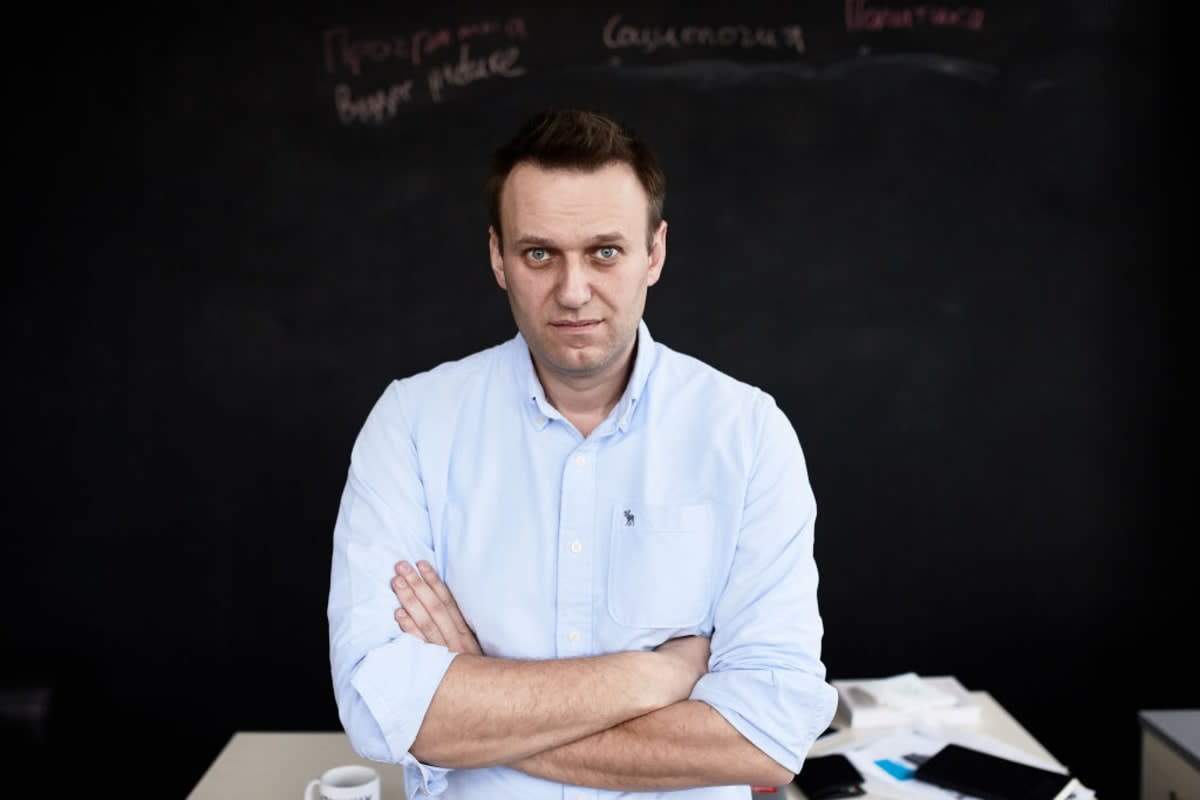
During the same visit, Rubio also said that the US had no reason to dispute assessments by several European governments that Russian opposition figure Alexei Navalny was poisoned with a rare toxin.
“We don’t have any reason to question it or dispute it,” Rubio said, calling the findings “troubling.”
Five European countries, the United Kingdom, Sweden, France, Germany and the Netherlands, said that Navalny was killed by epibatidine, a lethal toxin found in poison dart frogs native to South America.
The countries said that the substance does not occur naturally in Russia and concluded that Moscow “had the means, motive and opportunity” to administer the poison while Navalny was held in a penal colony north of the Arctic Circle.
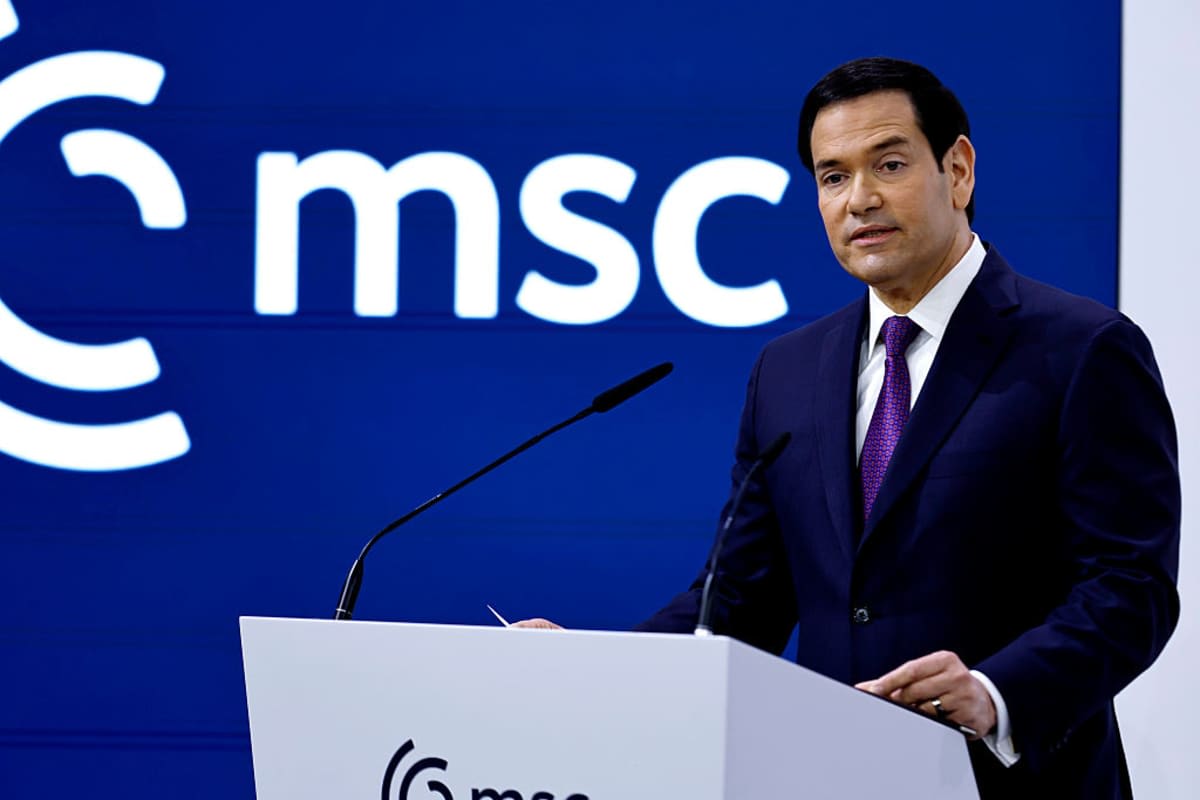
Rubio's visit comes after he attended the Munich Security Conference in Germany. He delivered a forceful address at the Conference on Saturday, laying out the Trump administration’s vision for the transatlantic alliance while pressing Europe to assume greater responsibility for its own security.
Rubio began by acknowledging the historic partnership between Europe and the United States, crediting it with overcoming major global threats.
“We belong together,” he told world leaders gathered in Munich, while noting that the US may be “direct and urgent” in its approach.