Pelosi says Europeans favored Rubio’s Munich tone over JD Vance’s speech
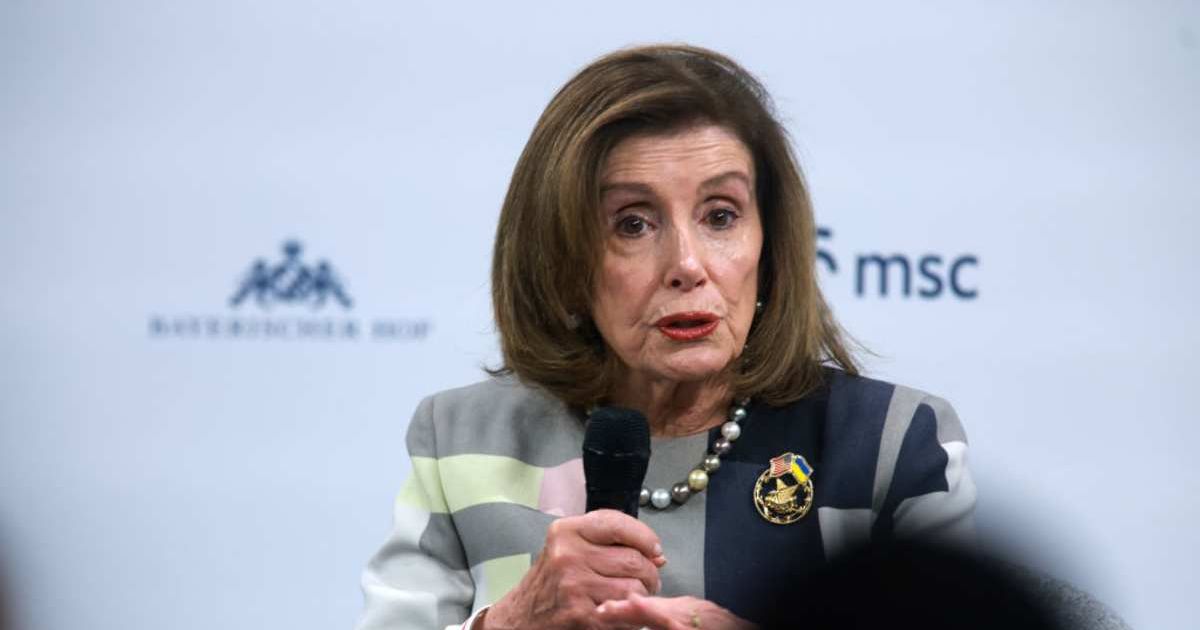
MUNICH, GERMANY: Former US House Speaker Nancy Pelosi, attending the Munich Security Conference in Germany, said US Secretary of State Marco Rubio delivered a message that was broadly welcomed by European leaders.
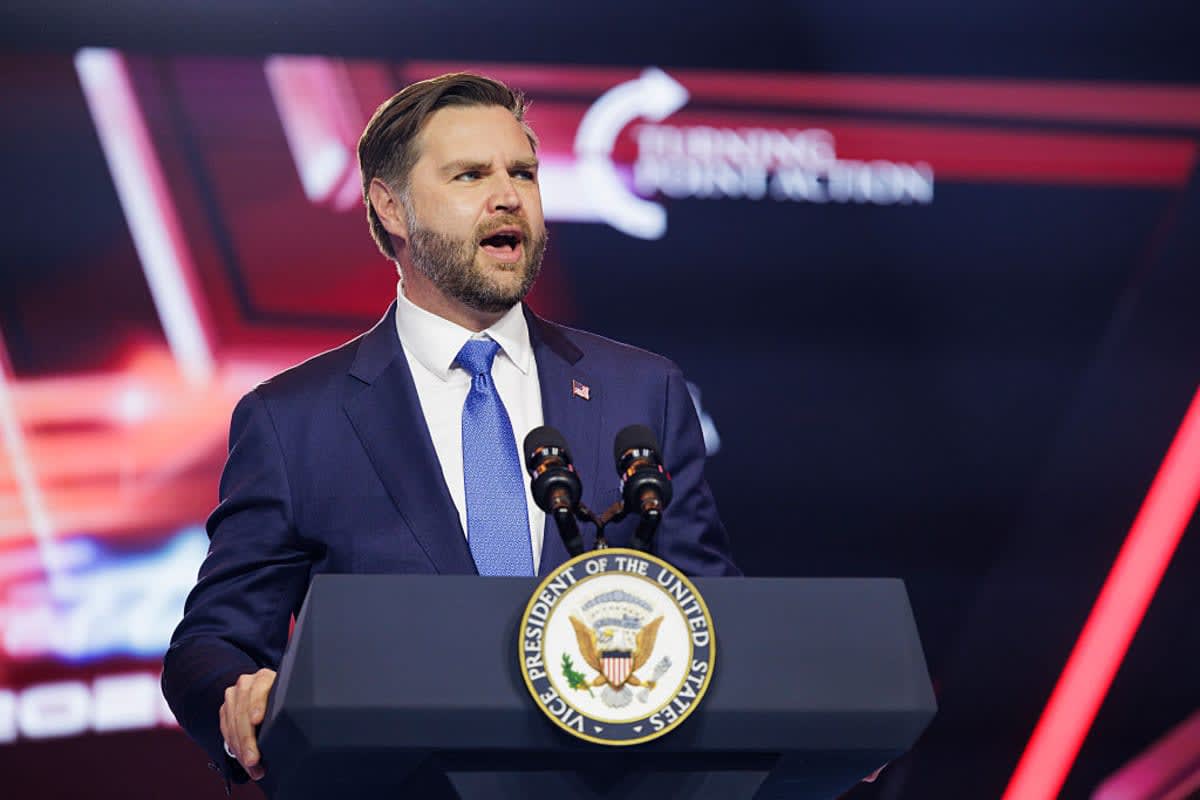
Speaking to MS NOW hours after Rubio’s address, Pelosi said Europeans reacted far more positively to his remarks than to last year’s speech by Vice President JD Vance.
“They were happy compared to Vice President Vance’s speech last year, which was really insulting,” Pelosi said. “This was much better.”
Pelosi says Rubio’s speech ‘little bit condescending’
Despite the positive reception, Pelosi, a member of the Munich Security Conference’s advisory council, said Rubio’s address carried an undertone that did not sit entirely well.
She described the speech as “a little bit condescending to Europeans. “We’re willing to be with you as long as we agree on certain things’- but nonetheless well received.”
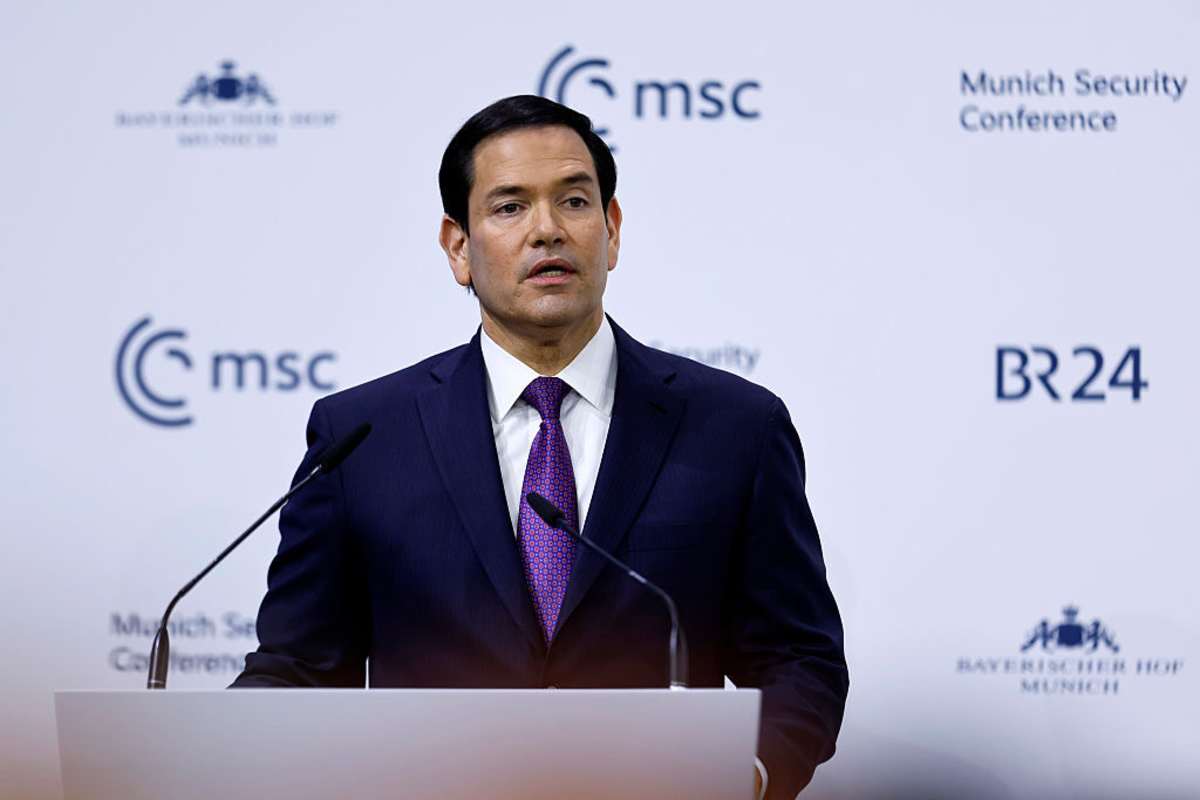
Rubio, in his remarks, stressed that the United States and Europe “belong together,” and reminded the long-standing transatlantic partnership and urging European nations to take on greater responsibility for their own defense against regional threats.
Rubio reassured allies amid strained ties
Opening his much-anticipated speech, Rubio highlighted the historic alliance between Europe and the United States, calling it a partnership that had “saved the world” from past dangers.
“While we are prepared, if necessary, to do this alone, it is our preference and it is our hope to do this with you, our friends here in Europe,” Rubio said. “We belong together.”
He also acknowledged that Washington can at times be “direct and urgent” in its counsel, while seeking to reassure leaders that the administration of President Donald Trump remains committed to the transatlantic alliance, even as it has come under strain during Trump’s second term.

Democrats seek to counter Trump’s message
Pelosi is among several Democratic lawmakers who traveled to Germany this week, aiming to counter the Trump administration’s foreign policy narrative. The group includes roughly half a dozen Democrats widely seen as potential contenders in the 2028 presidential race.
Their presence is seen as ongoing efforts within the party to reassure European allies amid uncertainty over Washington’s long-term global commitments.