Rubio backs a renewed US-European alliance, urges greater regional responsibility
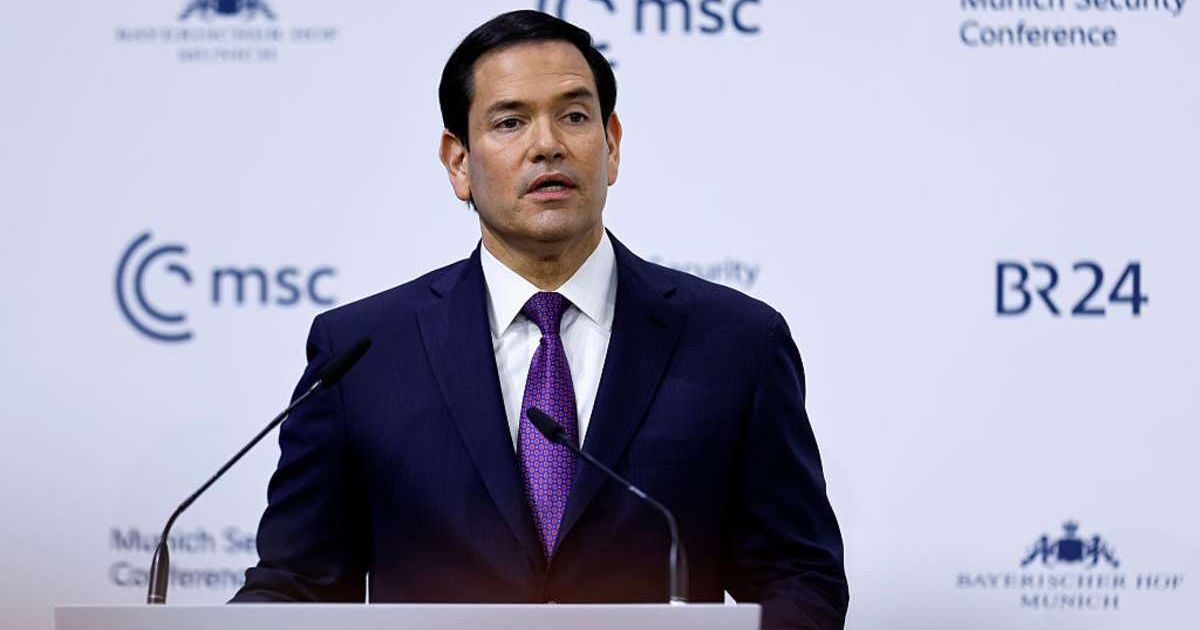
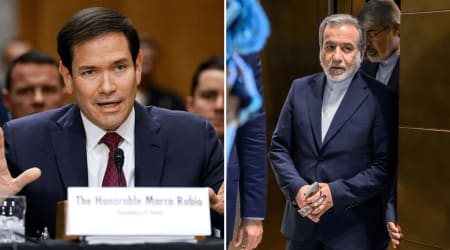
MUNICH, GERMANY: Marco Rubio delivered a forceful address at the Munich Security Conference on Saturday, February 14, laying out the Trump administration’s vision for the transatlantic alliance while pressing Europe to assume greater responsibility for its own security.
Rubio began by acknowledging the historic partnership between Europe and the United States, crediting it with overcoming major global threats. “We belong together,” he told world leaders gathered in Munich, while noting that the US may be “direct and urgent” in its approach.
WE IN AMERICA HAVE NO INTEREST IN BEING POLITE AND ORDERLY CARETAKERS OF THE WEST’S MANAGED DECLINE! pic.twitter.com/b0A1n8FANs
— Under Secretary of State Jacob S. Helberg (@UnderSecE) February 14, 2026
At the same time, Rubio made clear that Washington expects the alliance to adapt. The administration, he said, has “no interest in being polite and orderly caretakers of the West’s managed decline,” signaling a drive toward renewed strength and strategic clarity in the partnership.
Europe must lead in regional defense
A central pillar of Rubio’s remarks was a call for European nations increase their defense capabilities. He argued that durable deterrence depends on allies who can independently protect their borders and institutions.
“We want allies who can defend themselves so no adversaries will feel inclined to challenge our collective strength,” Rubio said.
We do not want allies shackled by guilt and shame.
— Secretary Marco Rubio (@SecRubio) February 14, 2026
We want allies who are proud of their culture and heritage and are willing to help us defend it. pic.twitter.com/IOKg9n1UNM
The Trump administration has repeatedly urged NATO members to boost defense spending and reduce reliance on US military support. Rubio emphasized that the US is not seeking separation from Europe but a more balanced arrangement in which responsibilities are shared.
He framed the call for self-reliance as essential to maintaining credibility against adversaries and preserving long-term stability across the region.
Testing the path to Ukraine peace
Turning to Ukraine, Rubio reaffirmed that the US remains engaged in efforts to end the war. He acknowledged uncertainty about Moscow’s intentions, stating that Washington does not yet know “if the Russians are serious about ending the war.”
U.S. Secretary of State Marco Rubio:
— Visegrád 24 (@visegrad24) February 14, 2026
"We don't know if the Russians are serious about ending the war. They say they are, under what terms they are willing to do it, and whether we can find terms acceptable to Ukraine that Russia will always agree to." pic.twitter.com/ZCGtJQ1eWV
Despite that uncertainty, he said the US will continue to pursue a diplomatic outcome that “Ukraine can live with and Russia can accept.”
Rubio cited estimates that Russia is losing between 7,000 and 8,000 troops per week and noted that Moscow has not achieved its original objectives. He said the administration would continue testing whether a negotiated settlement is possible while maintaining support for Ukrainian sovereignty.
Hard realities of the Iran deal
In a discussion with Bloomberg News following his speech, Rubio addressed Iran and the prospect of a new nuclear agreement. He said President Donald Trump prefers a negotiated solution but acknowledged that reaching such a deal would be “very hard to do.”
Rubio suggested that political change in Tehran could ultimately benefit global security, though Trump has not publicly endorsed that position.
The administration has maintained a “maximum pressure” approach toward Iran while leaving the door open to negotiations aimed at preventing the development of nuclear weapons.
Reversing dependency on Chinese minerals
Rubio also raised concerns about Western reliance on China for critical minerals, describing the issue as a national security priority.

He said the US and its allies must take steps to reduce strategic vulnerabilities tied to supply chains. Economic resilience, he argued, is now inseparable from security policy.
Rubio closed by reiterating that while the United States is prepared to act independently when necessary, it prefers coordinated action with European partners. His remarks combined affirmation of the alliance’s history with a clear demand that it adapt to what he described as a rapidly changing geopolitical era.