Explosions light up Bahrain, Qatar and UAE as Iran continues strikes on US allies
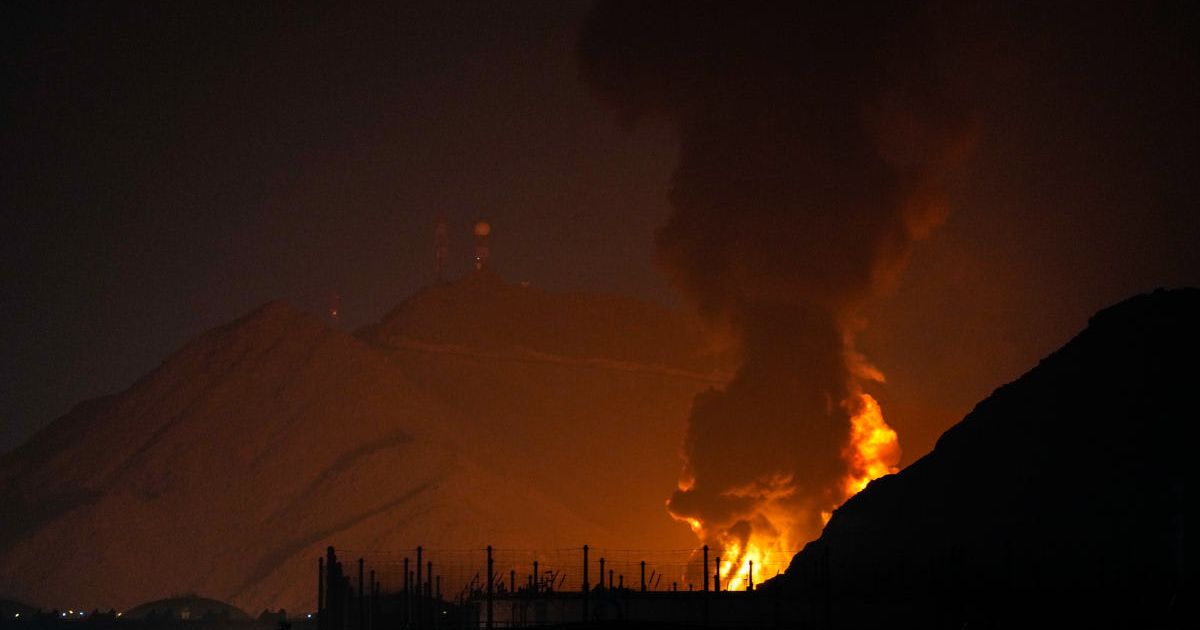
MOI: The Iranian aggression caused a fire and material damage to a house and several surrounding buildings in Manama. Civil Defence is taking the necessary measures to extinguish the fire.
— Ministry of Interior (@moi_bahrain) March 7, 2026
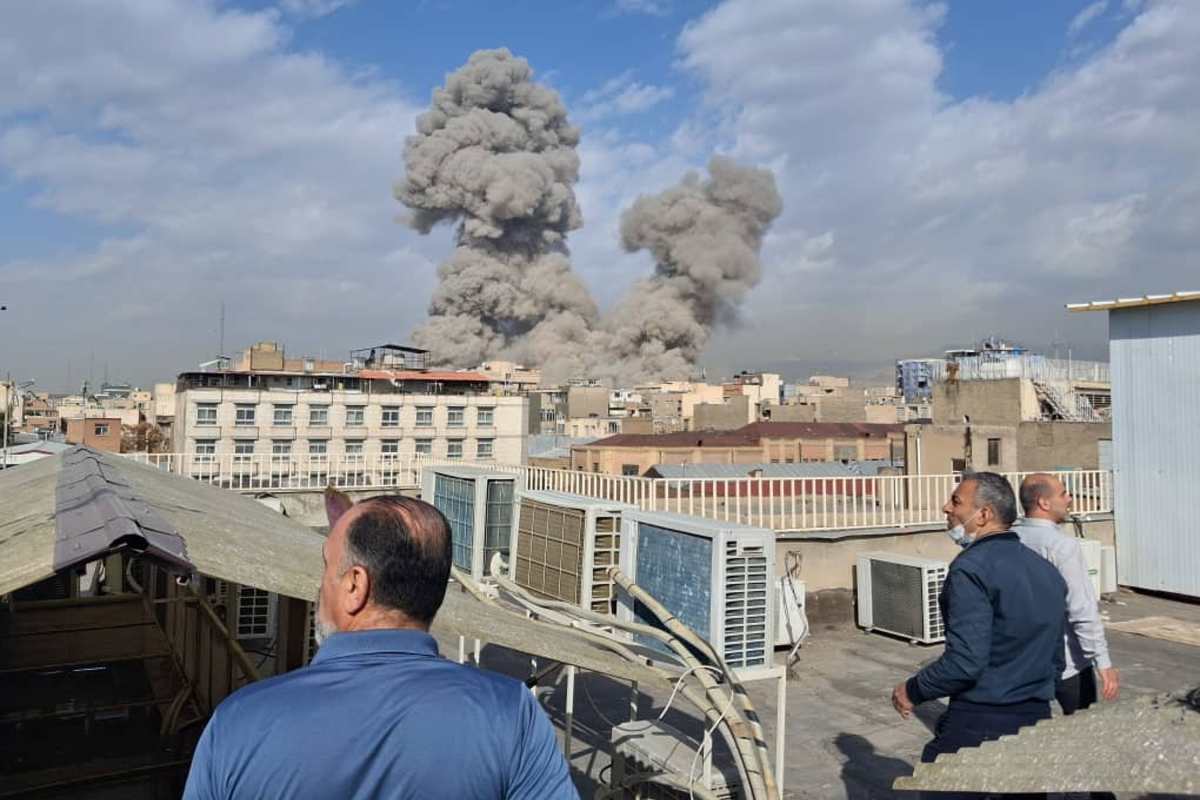
DUBAI, UAE: Explosions were reported across several Gulf states on Saturday evening, March 7, as Iran continued missile and drone attacks targeting US allies in the region, despite earlier suggestions from Iranian leaders that strikes on neighboring countries would stop.
Witnesses reported a series of loud blasts in Manama, the capital of Bahrain. It was not immediately clear whether the explosions were caused by direct impacts or air-defense interceptions.
Iran’s state-linked Fars News Agency claimed that there had been “massive explosions at US bases in Bahrain.”
Later, Bahrain’s Interior Ministry said in a social media post that “Iranian aggression caused a fire and material damage to a house and several surrounding buildings” in Manama.
تتعامل حالياً الدفاعات الجوية الإماراتية مع تهديدات صاروخية وطائرات مسيرة قادمة من إيران
— وزارة الدفاع |MOD UAE (@modgovae) March 5, 2026
وتؤكد وزارة الدفاع أن الأصوات المسموعة في مناطق متفرقة من الدولة هي نتيجة اعتراض كل من منظومات الدفاع الجوي للصواريخ البالستية، والمقاتلات للطائرات المسيرة والجوالة.
UAE air defences are… pic.twitter.com/4egUVjHXFU
Blasts heard across Gulf capitals
Journalists reported similar developments elsewhere in the Gulf.
CNN staff in Doha, the capital of Qatar, heard a series of loud bangs, while teams in Abu Dhabi, the capital of the United Arab Emirates, reported at least three explosions.
The UAE’s National Security Council said air-defense systems were responding to a missile threat and urged residents to remain in safe locations.
UAE leader issues rare warning after attacks
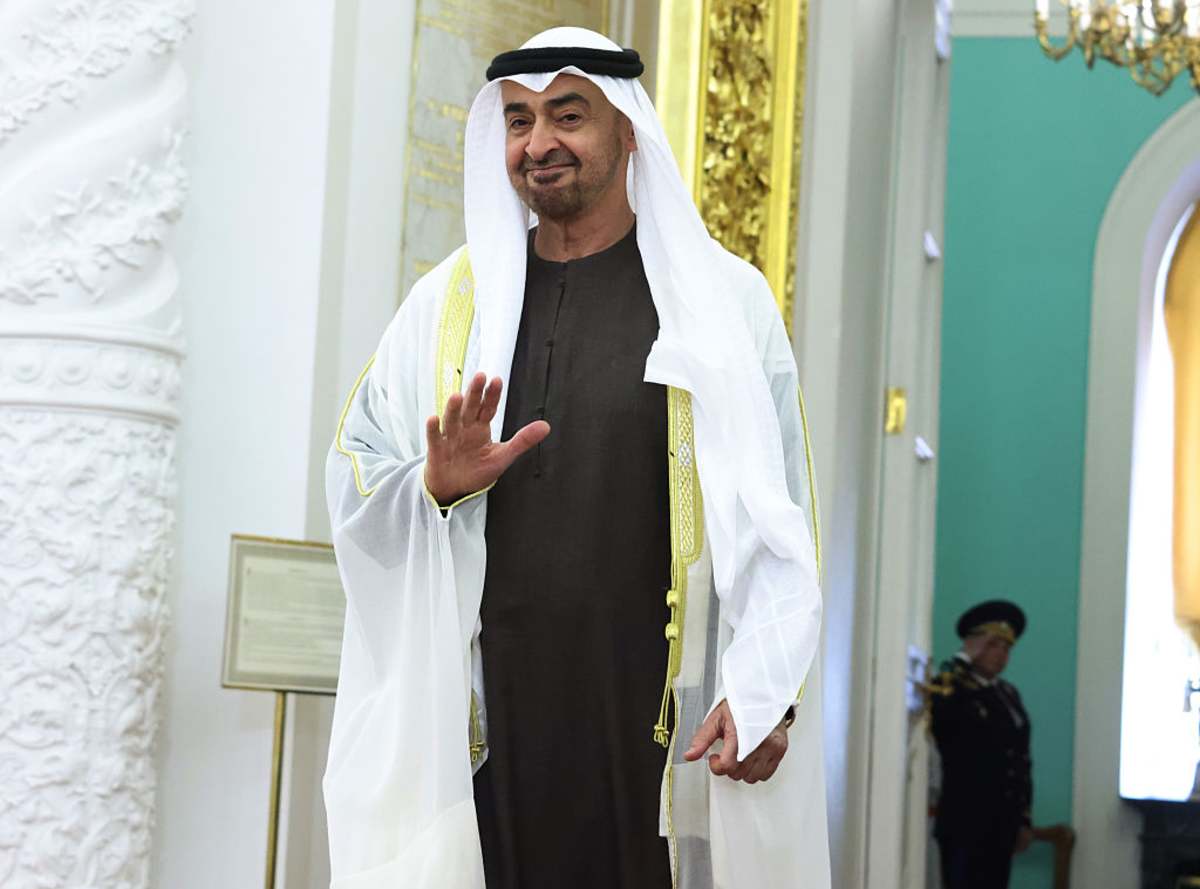
The escalation prompted a strong response from Mohamed bin Zayed Al Nahyan, the president of the United Arab Emirates, who delivered an unusually direct warning to Iran.
In rare public remarks while visiting a hospital treating civilians injured in the attacks, the Emirati leader, widely known as MBZ, said that he wanted to send a message to “the enemy of the UAE.”
“The UAE is beautiful, the UAE is a model to be followed, but I tell you, do not be deceived by that,” he said.
“The UAE’s hand can reach and is strong, its flesh is bitter, and we are not easy prey,” he added. The comments were his first since the conflict began a week ago.
UAE intercepts missiles and drones
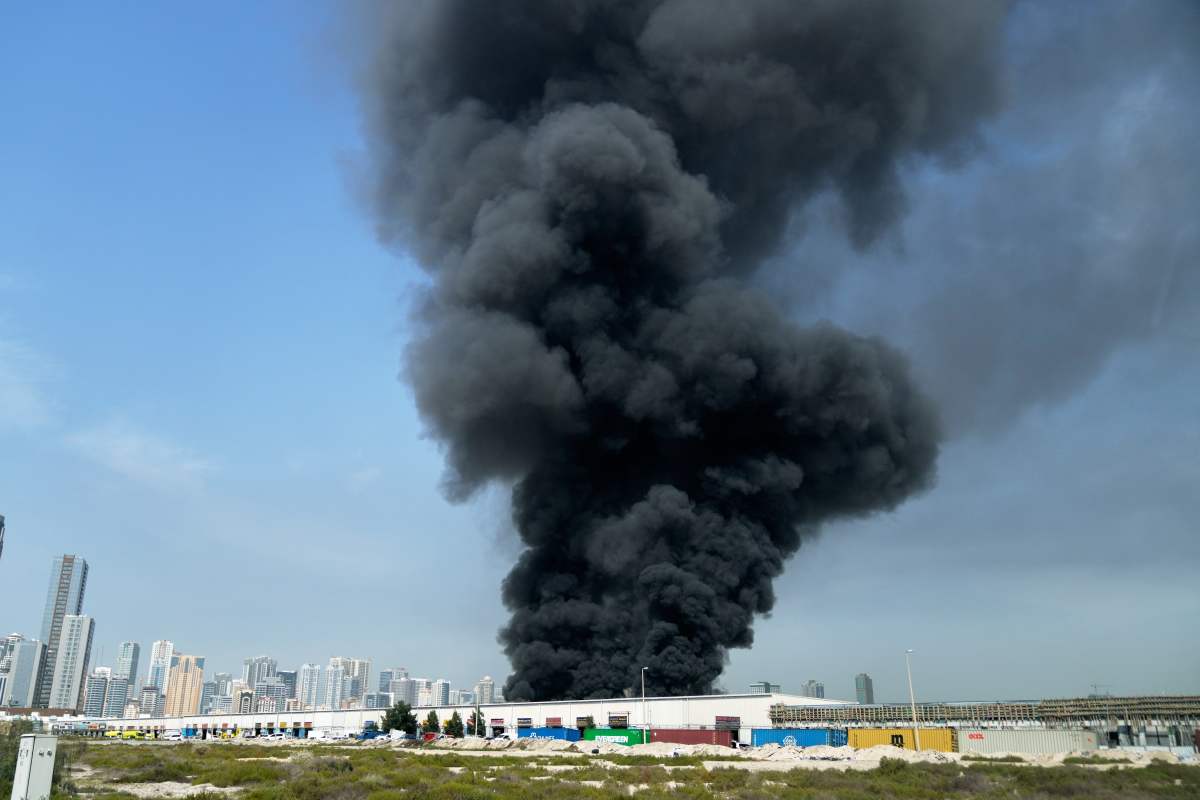
The UAE said that it had detected 16 ballistic missiles and 121 drones launched from Iran on Saturday.
According to the country’s Ministry of Defense, air defenses intercepted and destroyed 15 of the missiles, while the remaining missile fell into the sea. Only two drones struck the country; the rest were intercepted.
Since the conflict began a week ago, the UAE said that it had detected 221 ballistic missiles and 1,305 drones launched toward its territory.
Authorities said the attacks killed three foreign nationals from Pakistan, Nepal and Bangladesh, and injured more than 112 people.
“The Ministry of Defense affirmed that it remains fully prepared and ready to deal with any threats,” the ministry said in a statement, adding that it would firmly confront any attempt to undermine the country’s security, sovereignty and stability.
Iran signals halt to regional attacks
Earlier on Saturday, Iranian President Masoud Pezeshkian apologized to Arab Gulf nations for the impact of Iranian missile and drone strikes targeting US bases and suggested Tehran would stop attacking neighboring countries unless they were used to launch attacks on Iran.
Pezeshkian’s office later issued a clarification, saying the message was that Iran would not target regional states if they did not cooperate with US military action against Tehran.