White House confirms only 'little progress' in Iran talks, says Trump monitoring situation
WASHINGTON, DC: The White House on Wednesday, February 18, acknowledged that only limited progress has been made in ongoing talks between the United States and Iran and stated that the two sides remain far apart on key issues as diplomatic engagement continues.
“I think you heard from the administration and the state department yesterday that there was a little bit of progress made, but we are still very far apart on some issues,” White House Press Secretary Karoline Leavitt said during a briefing.
“I believe Iranians are expected to come back to us with some more details in the next couple of weeks. The president will continue to watch how this will play out,” she added.
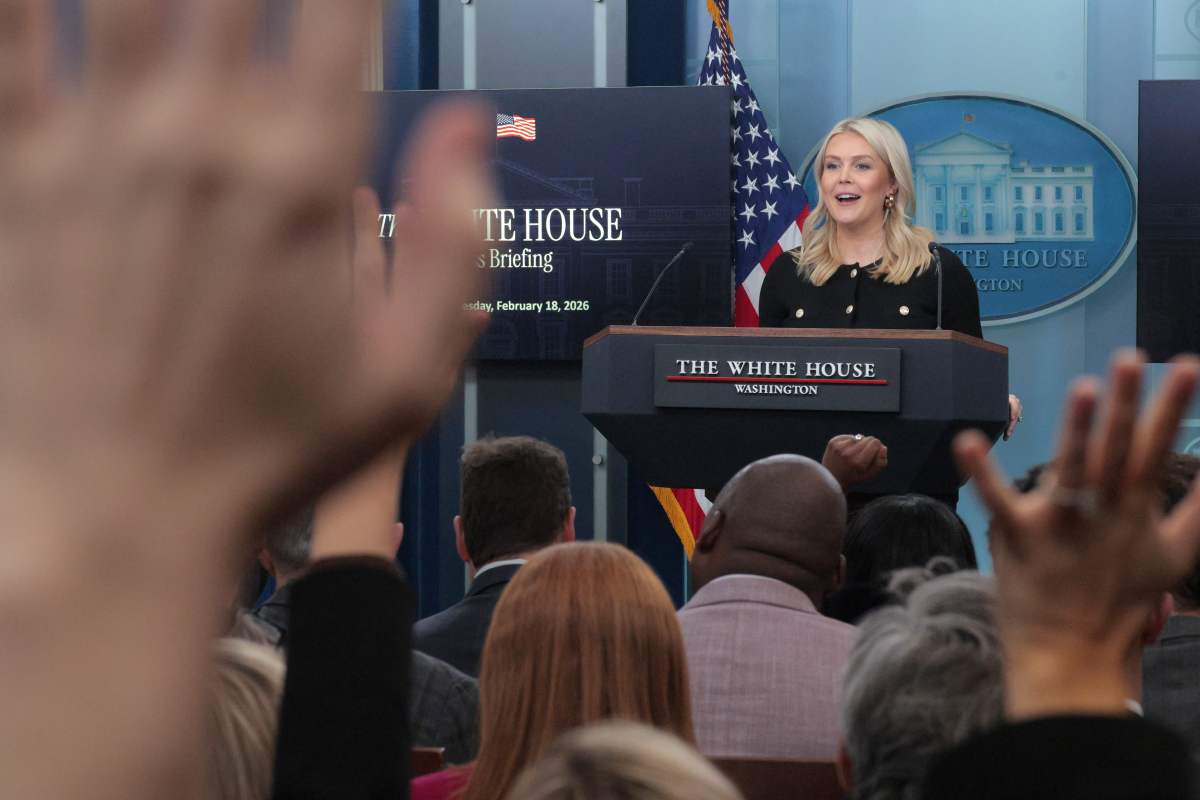
Karoline Leavitt declines to comment on deadlines
Leavitt declined to outline any timetable for the negotiations or speculate on potential consequences if talks stalled. When pressed on whether President Donald Trump was considering military action or had issued deadlines to Iranian officials, she pushed back.
“It is a fair question, but I am not going to set deadlines on behalf of the President,” Leavitt said, signaling that the White House was keeping its options deliberately open while talks continued.
Administration officials have repeatedly stressed that diplomacy remains the preferred path, even as they acknowledge that significant disagreements persist.
Iran reports preliminary understanding with US on 'guiding principles'
The discussions are being conducted indirectly, with mediation by Oman, a longtime intermediary between Washington and Tehran.
According to US officials, recent exchanges yielded modest movement on procedural issues and broad principles, but failed to resolve core disputes, including the scope of Iran’s nuclear activities, sanctions relief and verification mechanisms.
Iran said it had reached a preliminary understanding with the United States on broad “guiding principles” aimed at resolving long-running disputes over Tehran’s nuclear program, while acknowledging that major work still lay ahead.
Speaking after indirect talks in Geneva, Iranian Foreign Minister Abbas Araghchi said the discussions had helped clarify the framework for negotiations but stressed that substantive issues remained unresolved.
US officials offered a similarly cautious assessment, saying only that “progress was made” without elaborating on specific outcomes.
The talks were mediated by Oman, whose foreign minister, Badr Albusaidi, said that the negotiations concluded with “good progress toward identifying common goals and relevant technical issues,” signaling incremental movement rather than a breakthrough.
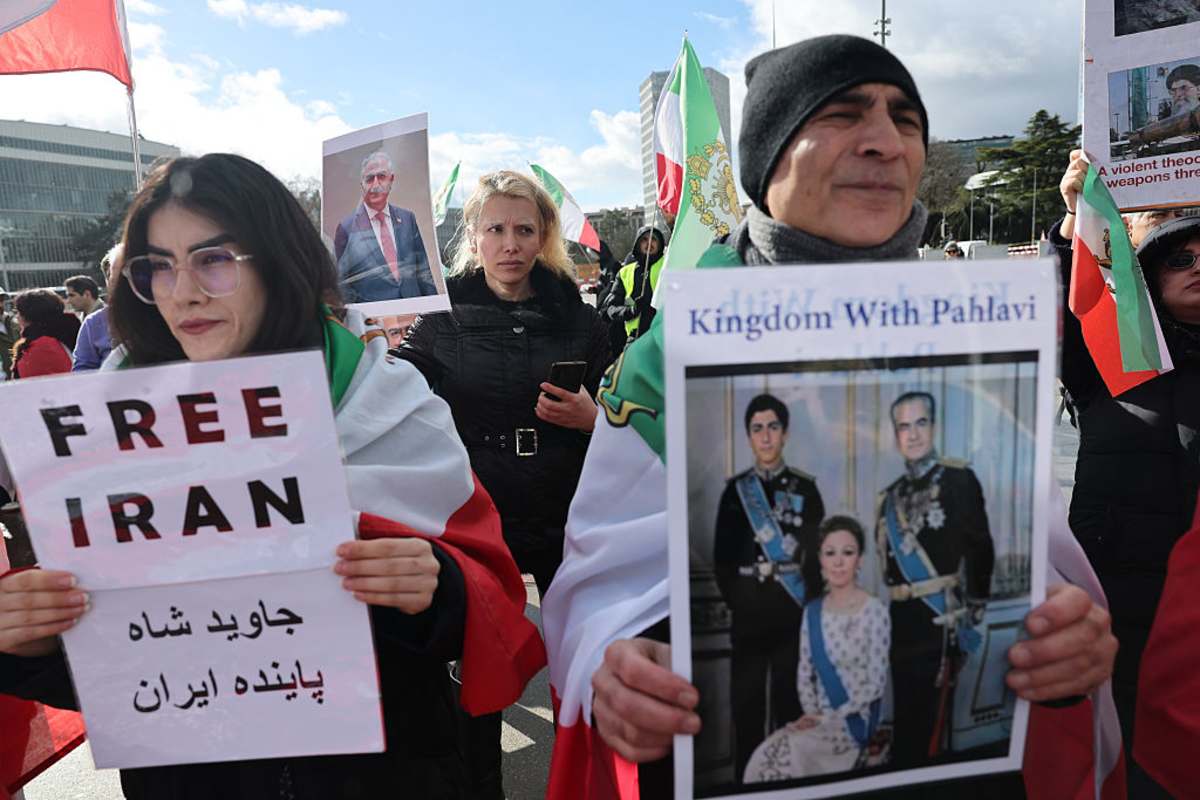
Talks amidst heightened tension between US and Iran
The meeting followed a period of heightened tension marked by repeated US military warnings toward Iran over its nuclear activities and its deadly crackdown on anti-government protests.
President Donald Trump said earlier that he believed Tehran ultimately wants an agreement.
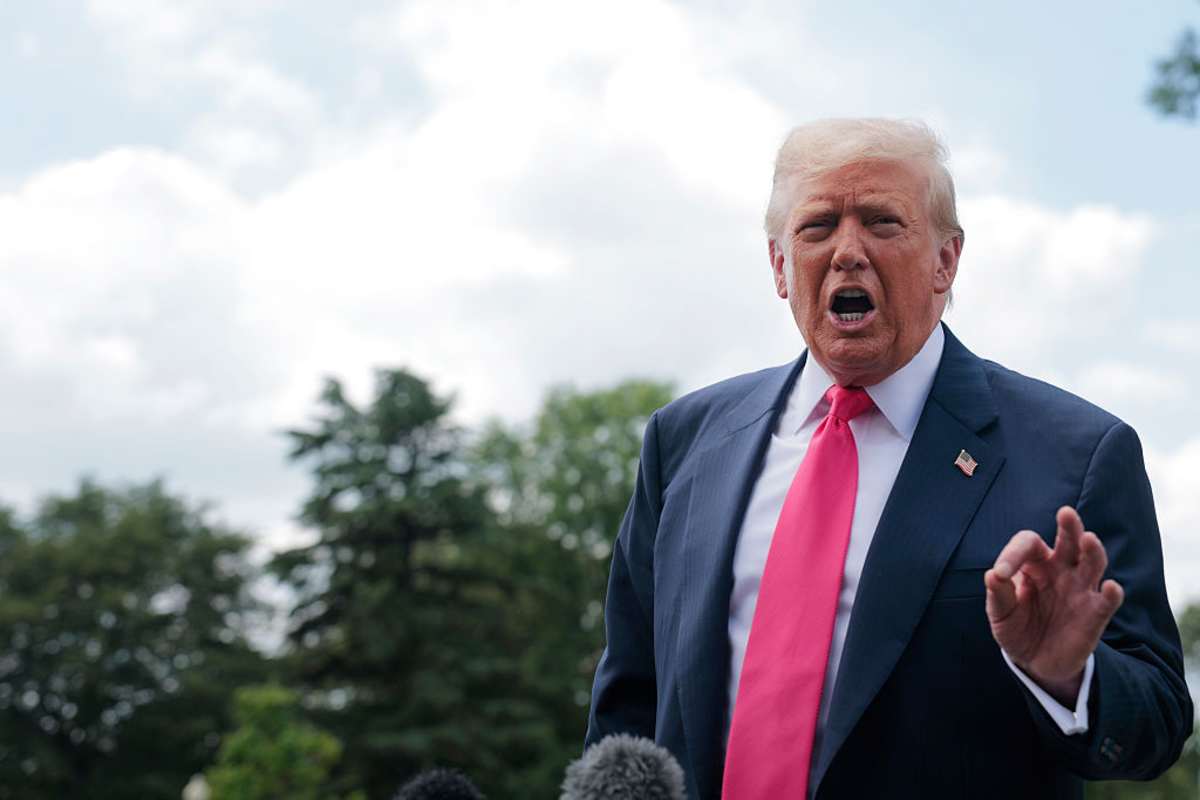
“I don’t think they want the consequences of not making a deal,” Trump told reporters aboard Air Force One, arguing that Iran had already experienced the costs of a hard-line approach.
He referenced last summer’s US strikes on Iranian nuclear facilities, saying diplomacy could have avoided military action.
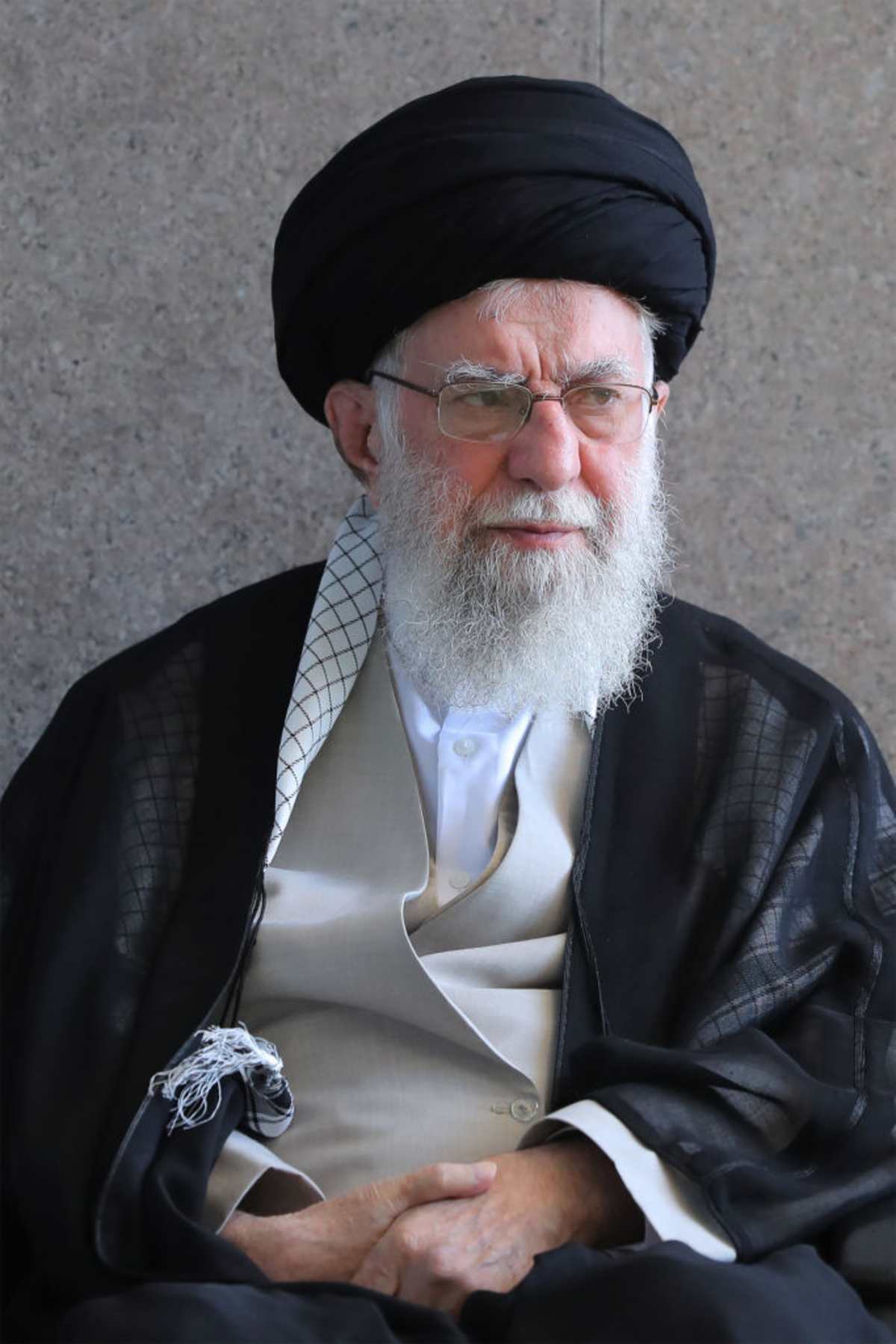
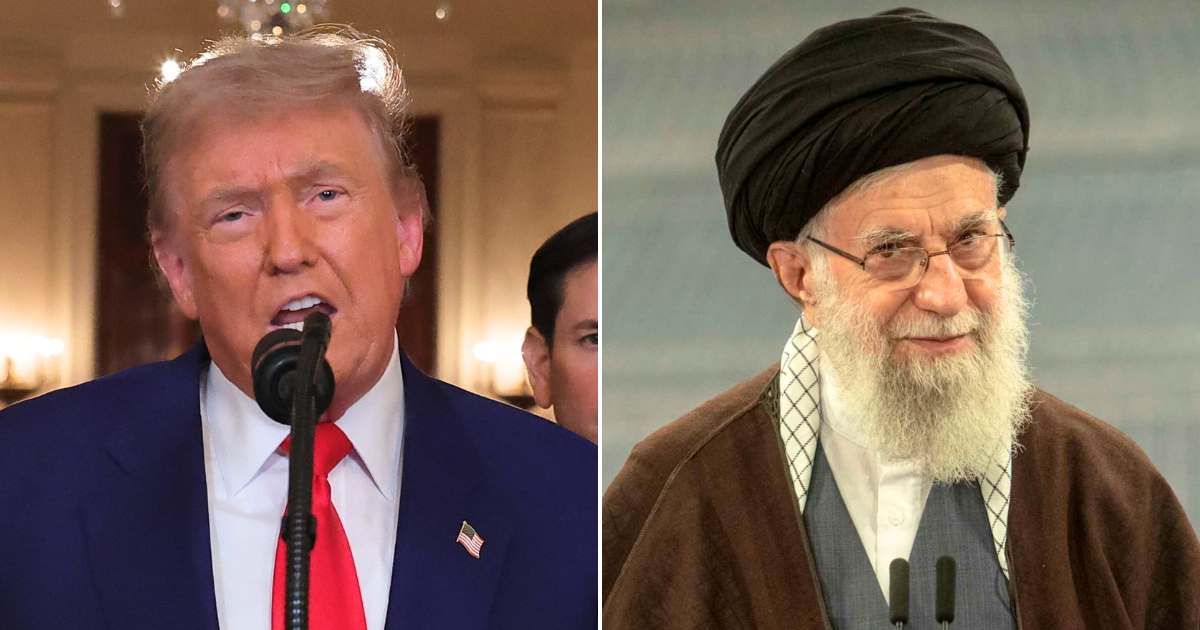
Iran’s Supreme Leader Ali Khamenei responded sharply to Trump’s threats. “More dangerous than an aircraft carrier is the weapon that can send it to the bottom of the sea,” Khamenei said.