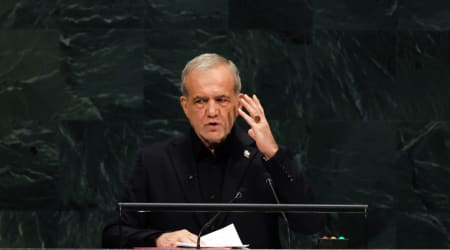
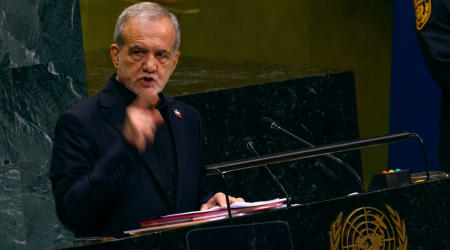
CENTCOM shares striking clip of US Air Force eliminating 16 Iranian mine-laying boats near Strait of Hormuz

WASHINGTON, DC: The United States military reported striking Iranian mine-laying vessels near the Strait of Hormuz on Tuesday, March 9, amid escalating tensions in the region. This development comes as reports indicate Iran has begun laying mines in the waterway, widely considered the world’s most important energy chokepoint.
U.S. forces eliminated multiple Iranian naval vessels, March 10, including 16 minelayers near the Strait of Hormuz. pic.twitter.com/371unKYiJs
— U.S. Central Command (@CENTCOM) March 10, 2026
Roughly one-fifth of global crude oil passes through the strait, making any disruption to shipping a major concern for global energy markets. The strikes and threats surrounding the passage have triggered volatility in oil prices and heightened geopolitical tensions.
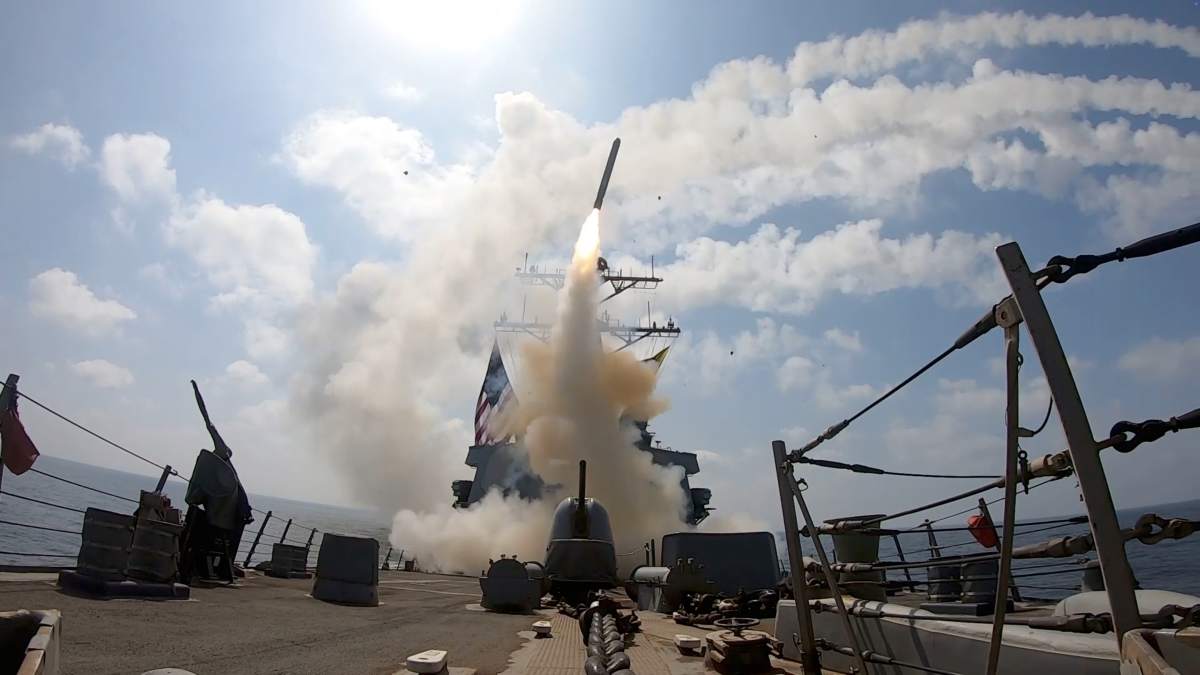
US strikes Iranian mine-laying vessels in Strait of Hormuz
The US Central Command released a video showing missile strikes targeting what it identified as Iranian mine-laying vessels and stated it had “eliminated” 16 such vessels near the Strait of Hormuz.
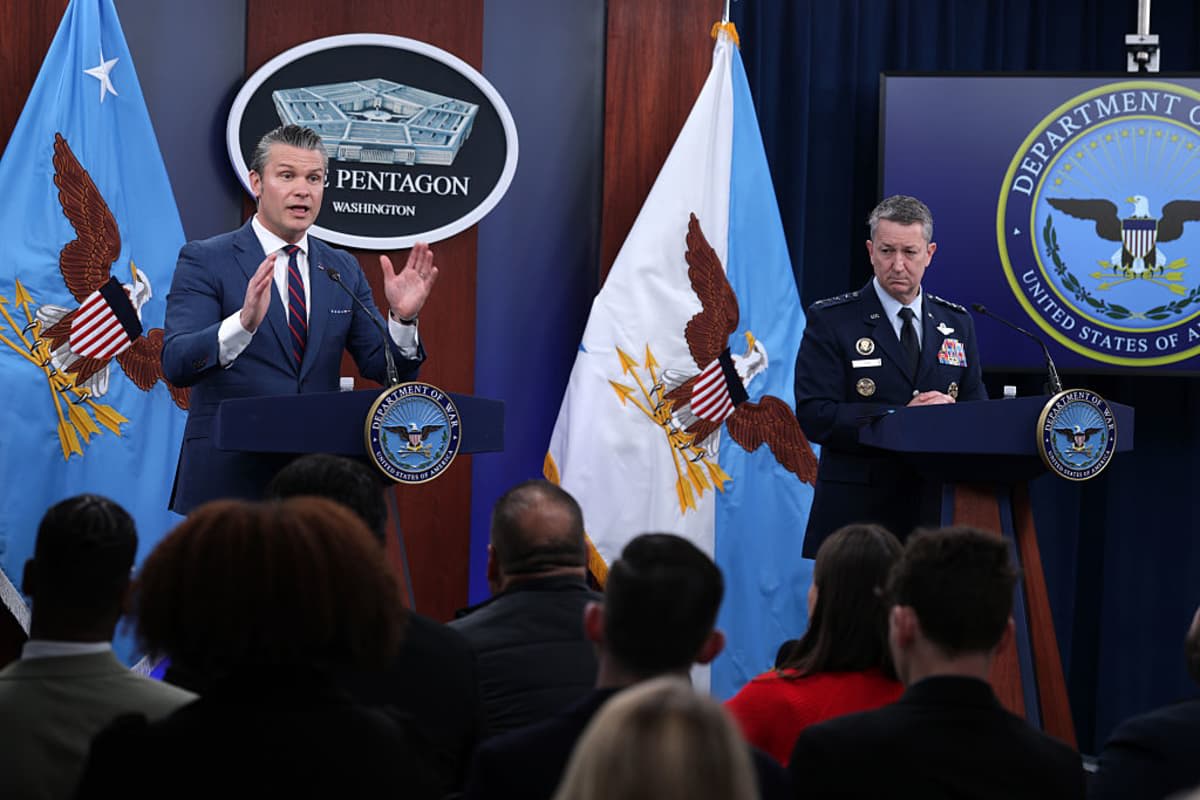
The strikes occurred on the same day Secretary of War Pete Hegseth said the US had carried out “the most intense day of strikes inside Iran.” “We’re crushing the enemy in an overwhelming display of technical skill and military force,” Hegseth said.
He added, “Today will be yet again our most intense day of strikes inside Iran: the most fighters, the most bombers, the most strikes, intelligence more refined and better than ever.”
The Pentagon said earlier that the US was targeting Iranian mine storage facilities. According to sources cited by CNN, mining activity is not yet extensive, with only a few dozen mines laid in recent days.
However, one source said Iran still retains about 80 per cent to 90 per cent of its small boats and mine-laying vessels, meaning its forces could feasibly deploy hundreds of mines in the waterway.
The Islamic Revolutionary Guard Corps (IRGC), which effectively controls the strait along with Iran’s traditional navy, has the capability to deploy what has been described as a “gauntlet” of dispersed mine-laying craft, explosive-laden boats, and shore-based missile batteries.
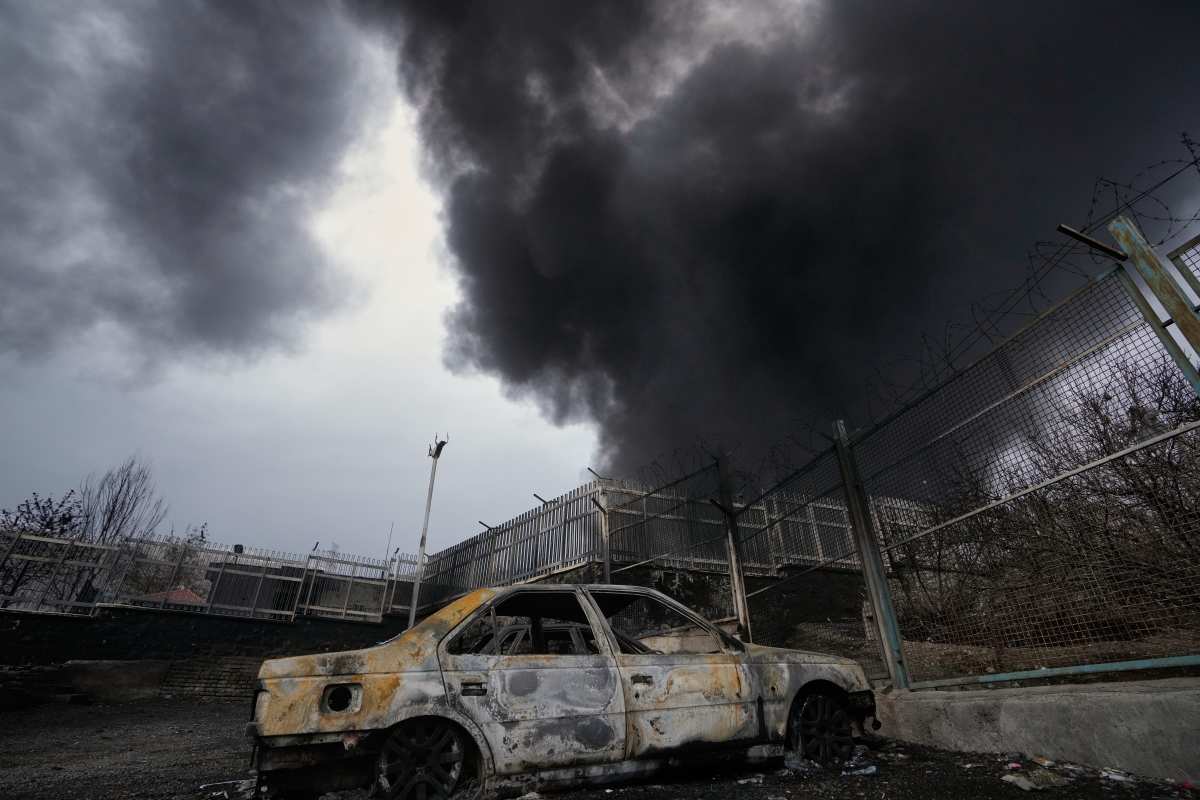
Iran threatens closure of Hormuz as oil markets react
Tensions escalated after Ebrahim Jabari, a senior adviser to the IRGC’s commander-in-chief, issued a warning about the waterway. “The strait is closed. If anyone tries to pass, the heroes of the Revolutionary Guard and the regular navy will set those ships ablaze,” Jabari said.
He also threatened attacks on energy infrastructure, saying, “We will also attack oil pipelines and will not allow a single drop of oil to leave the region. Oil price will reach $200 in the coming days,” in a post on the IRGC’s Telegram channel.
President Donald Trump said in a post on Truth Social on Tuesday, “I am pleased to report that within the last few hours, we have hit, and completely destroyed, 10 inactive mine-laying boats and/or ships, with more to follow!”
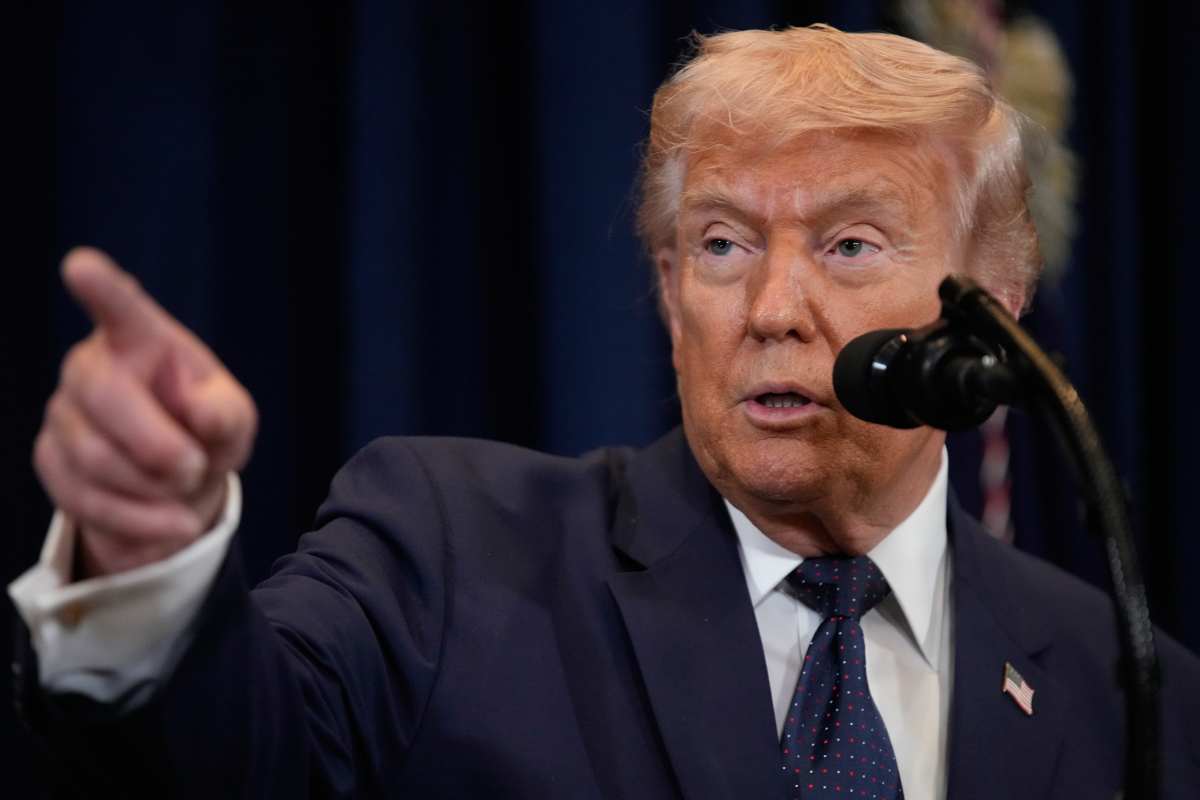
Trump had previously threatened Iran over blocking ship passages in the strait. In an earlier post, he said, “If Iran has put out any mines in the Hormuz Strait, and we have no reports of them doing so, we want them removed, IMMEDIATELY! If for any reason mines were placed, and they are not removed forthwith, the Military consequences to Iran will be at a level never seen before.”
US officials said Tuesday that the US Navy had not escorted any vessels through the strait, though the Trump administration was considering options to potentially provide such escorts. Trump also stated during a Monday press conference, “The Strait of Hormuz is going to remain safe. We have a lot of Navy ships there. We have the best equipment in the world inspecting for mines.”
Nearly 15 million barrels per day of crude production, along with another 4.5 million barrels per day of refined fuels, are now effectively stranded in the Gulf, according to CNN. Producers such as Iraq and Kuwait have no alternative routes to ship oil except through Hormuz. The G7 group of large economies has hinted it could release more oil to offset shortages.