Washington asks Israel to pause strikes on Iran energy infrastructure over escalation fears
WASHINGTON, DC: The Trump administration has requested that Israel cease further strikes on Iran's energy facilities, specifically targeting oil infrastructure, Axios reported.
This request marks the first instance of the US attempting to limit Israeli military actions since the joint campaign began ten days ago.
Messages were conveyed at a senior political level and directly to IDF Chief of Staff Eyal Zamir.
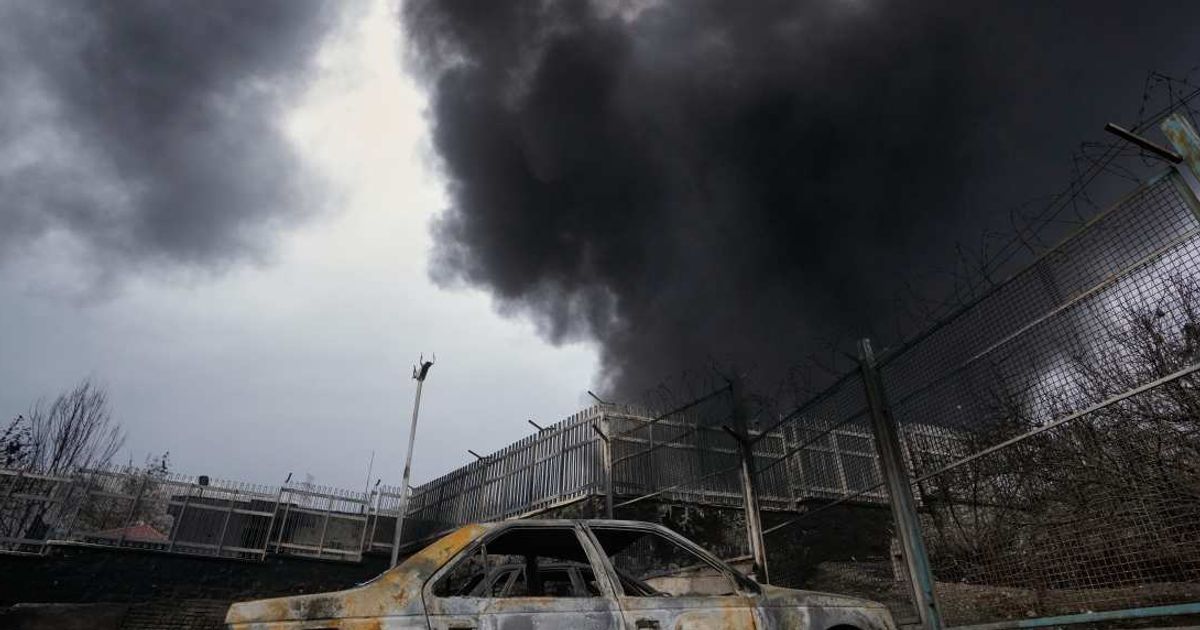
According to Israeli officials, the US has demanded advance notification of any future strikes on Iranian oil facilities to prevent further "toxic black smoke" and health crises in cities like Tehran.
Preserving the post-war Iranian economy
Our allies in Israel have shown amazing capability when it comes to collapsing the murderous regime in Iran. America is most appreciative.
— Lindsey Graham (@LindseyGrahamSC) March 9, 2026
However, there will be a day soon that the Iranian people will be in charge of their own fate, not the murderous ayatollah’s regime.
In…
A primary driver for the US request is the desire to cooperate with Iran's oil sector once the conflict concludes.
President Trump reportedly aims to follow a model similar to his approach in Venezuela, ensuring the infrastructure remains intact for a future administration.
Senator Lindsey Graham, a vocal supporter of the war, echoed this sentiment by urging caution in target selection.
Graham noted that the oil economy will be "essential" for the Iranian people to build a better life once the current regime collapses, warning against crippling their future means of survival.
Avoiding a regional doomsday scenario
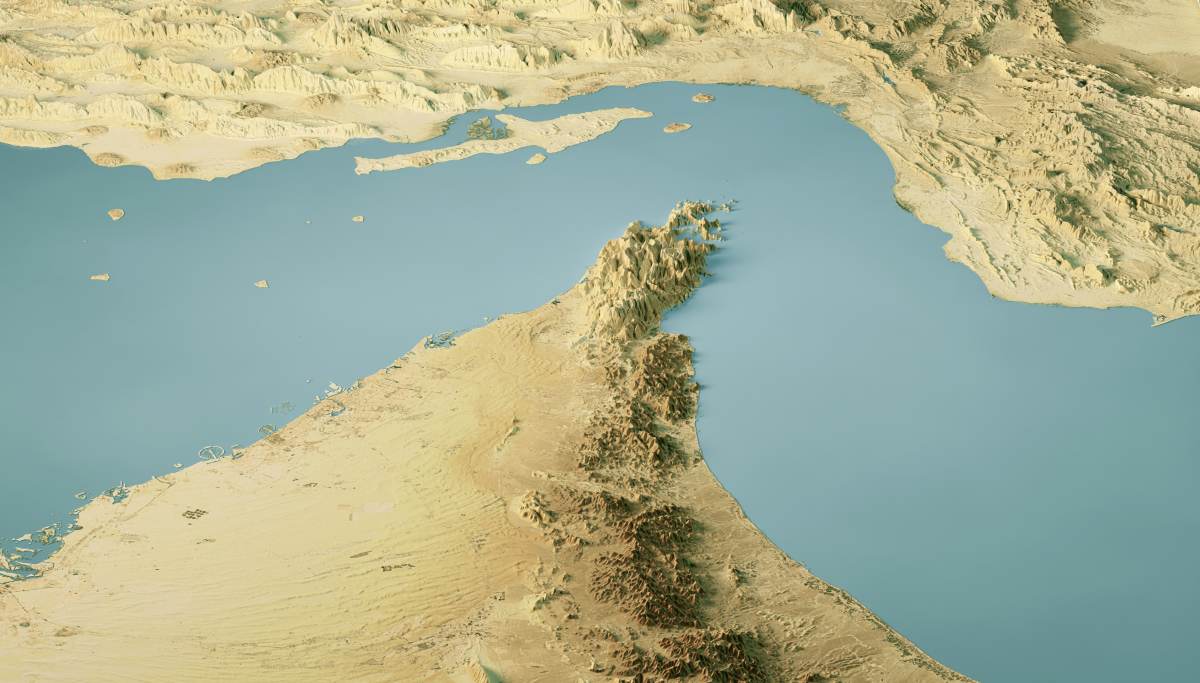
The White House currently views strikes on energy infrastructure as a "doomsday option" to be held in reserve.
The administration expressed concern that continuing these attacks could trigger massive Iranian retaliation against energy sites across the Gulf states.
While Iran has previously targeted Gulf facilities with drones, the damage was not irreversible.
US officials fear that a new round of strikes could change that calculus, leading to a wider regional conflict and driving global oil prices even higher than their current levels.
Distancing the US from fuel strikes
Defense Secretary Pete Hegseth recently distanced the US from the recent Israeli strikes on fuel depots, clarifying that American forces have not targeted such facilities.
This public pivot highlights a growing tactical divide between the two allies regarding the "easily destroyable targets" that could prevent Iran from being rebuilt as a nation.
Despite the internal friction, Trump telegraphed a stern warning on Truth Social, stating that if Iran harms global oil supplies, they will be hit "20 times harder." For now, the focus remains on liberating the public without destroying the economic pillars they will need in the aftermath.