CIA secretly tracked Ali Khamenei for months before US-Israel strike that led to his death
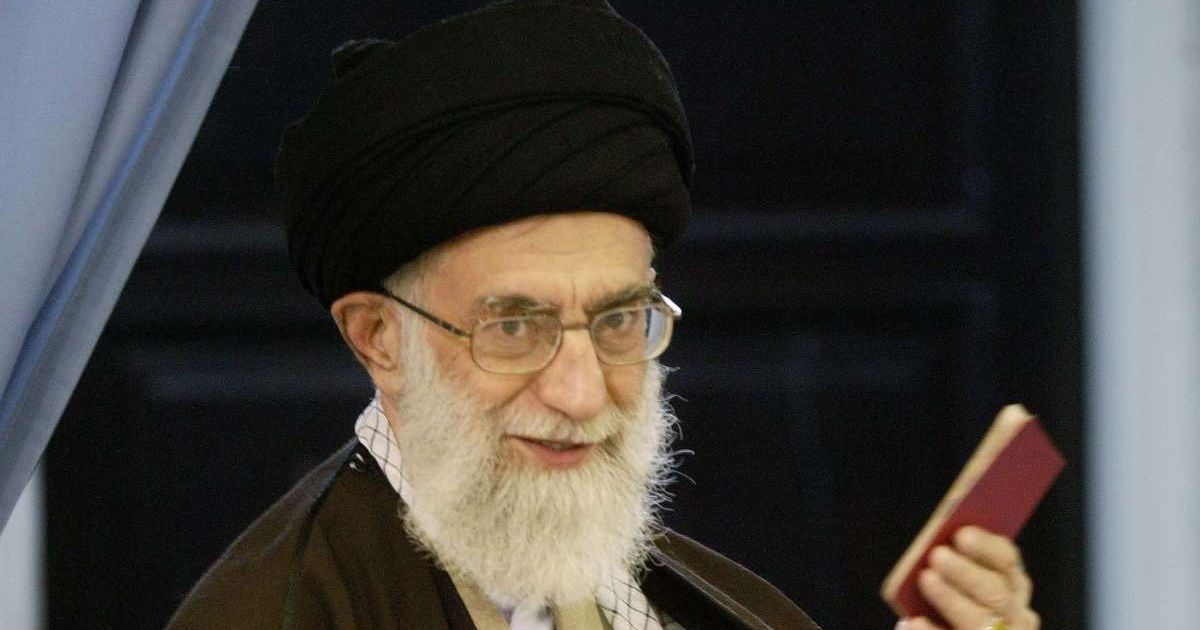
US and Israeli forces hit Tehran after CIA pinpointed a leadership meeting, leveraging months of tracking to time the strike
PUBLISHED 1 HOUR AGO
Supreme Leader Ayatollah Ali Khamenei was seen during a public address in Tehran weeks before the strike (Getty Images)

WASHINGTON, DC: Israeli and American intelligence agencies, including the CIA, closely tracked Iran’s Supreme Leader, Ayatollah Ali Khamenei for months before a coordinated strike on February 28 that resulted in his death, according to multiple sources cited by CNN.

Five people familiar with the operation said intelligence officials gathered detailed information about the 86-year-old leader’s daily routines, movements, communications, and potential safe locations. The surveillance effort reportedly intensified in the weeks leading up to the joint Israeli-US attack on targets in Tehran.

The strike marked a dramatic escalation in regional tensions and followed months of intelligence coordination between Washington and Jerusalem.
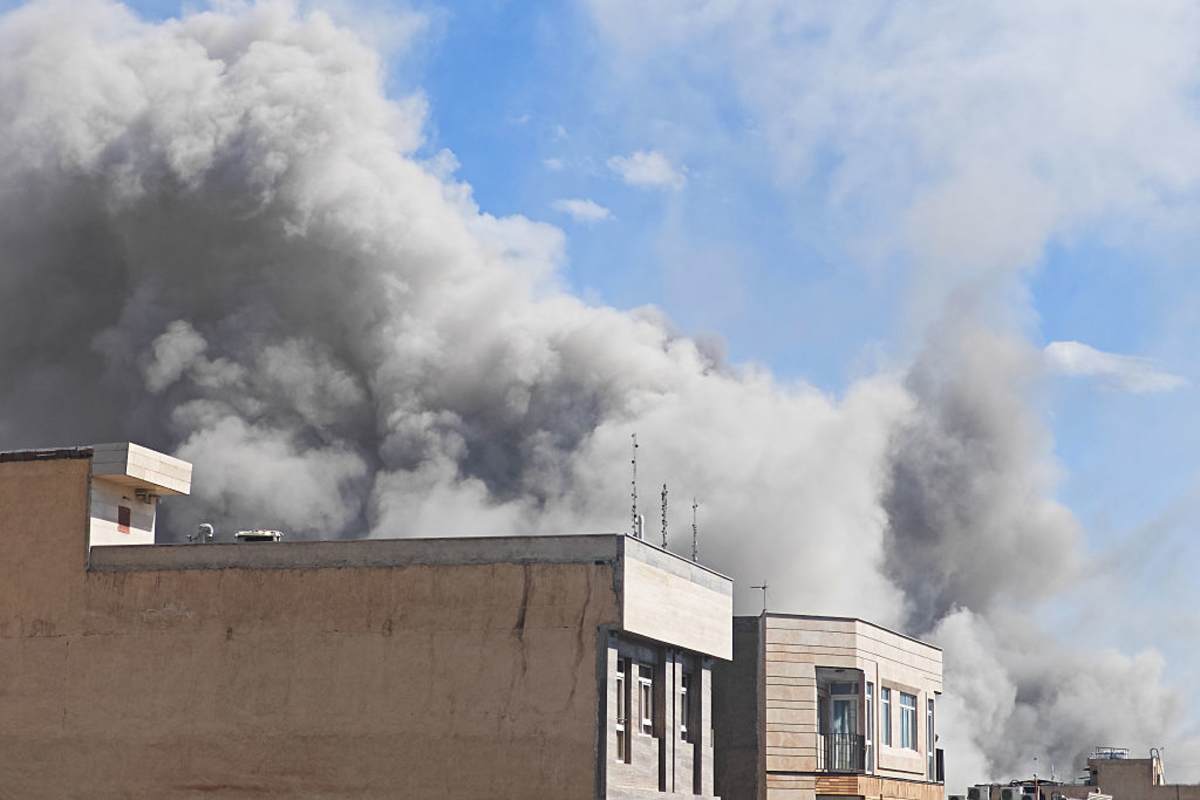
Plumes of smoke rise over the skyline following explosions on March 1, 2026 in Tehran, Iran. Iran's Supreme Leader, Ayatollah Ali Khamenei, was confirmed killed after the United States and Israel launched a joint attack on Iran on February 28. Iran retaliated by firing waves of missiles and drones at Israel, and targeting U.S. allies in the region. (Photo by Majid Saeedi/Getty Images)
Plumes of smoke rose over Tehran’s skyline after explosions were reported following the February 28 strike (Majid Saeedi/Getty Images)

Daytime strike followed months of intelligence tracking

Sources told CNN that officials tracked where Khamenei lived, whom he met, and how he communicated. Analysts also assessed where he might seek shelter in the event of military action.

According to three sources, intelligence indicated that senior Iranian officials, including Khamenei, were meeting at separate locations within a Tehran compound on Saturday morning. Officials also concluded that he exercised greater caution at night, prompting planners to approve a daytime operation.
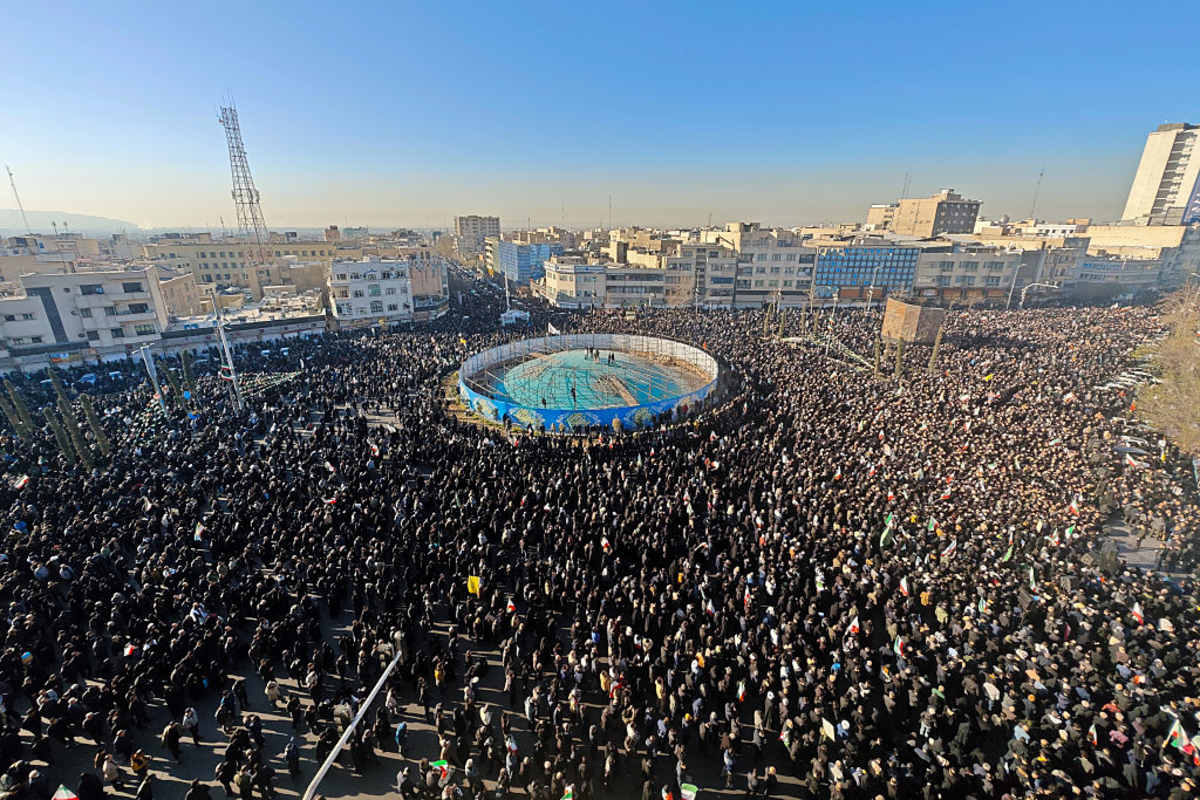
Thousands of people gather in Enghelab Square for a pro-government demonstration after Iranian state media confirmed the death of Ayatollah Ali Khamenei on March 1, 2026 in Tehran, Iran. Iran's Supreme Leader, Ayatollah Ali Khamenei, was confirmed killed after the United States and Israel launched a joint attack on Iran on February 28. Iran retaliated by firing waves of missiles and drones at Israel, and targeting U.S. allies in the region. (Photo by Majid Saeedi/Getty Images)
Thousands gathered in Enghelab Square after Iranian state media confirmed Khamenei’s death (Majid Saeedi/Getty Images)

Israeli warplanes launched missiles at around 6 am, striking the compound while high-level meetings were underway.

Operation Roaring Lion targeted senior Iranian leadership

Ahead of the operation, Israel’s Chief of the General Staff, Eyal Zamir, sent a message to Israeli Air Force pilots signaling the start of 'Operation Roaring Lion.' In the note, he informed pilots they were cleared to strike designated targets at dawn.
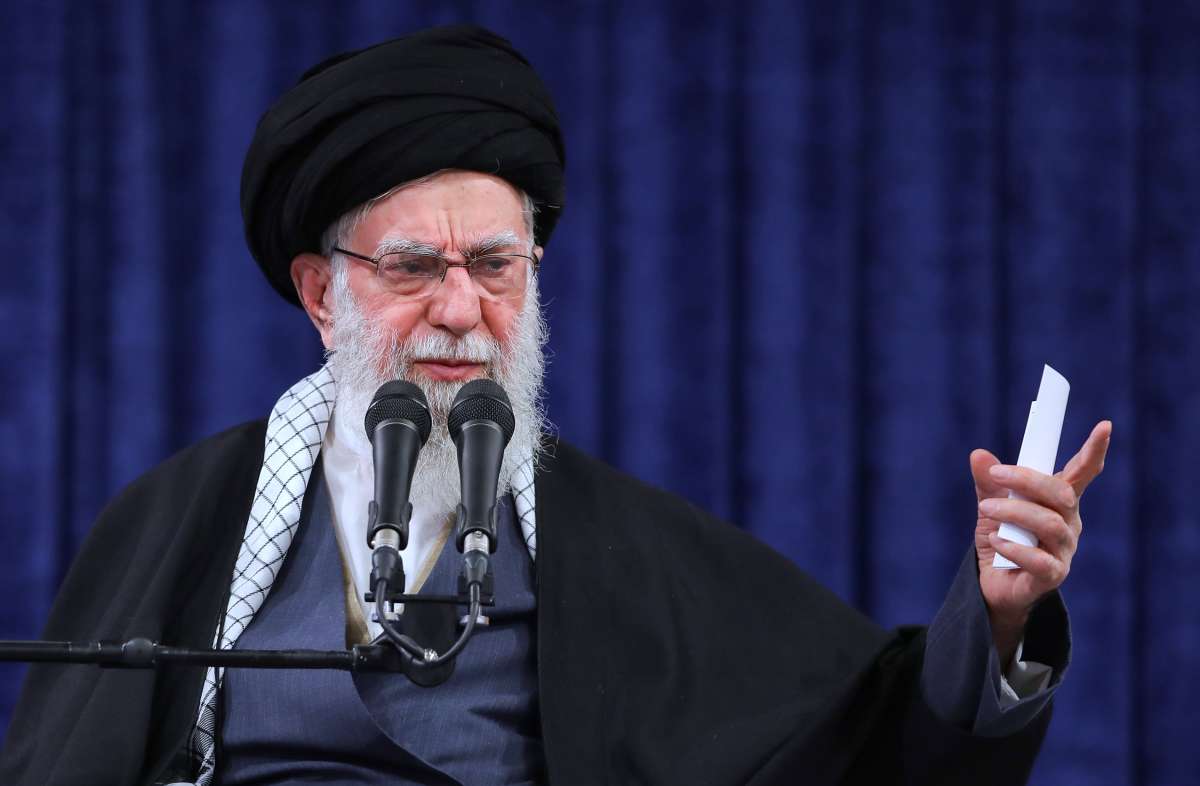
In this photo released by an official website of the office of the Iranian supreme leader, Supreme Leader Ayatollah Ali Khamenei speaks in a meeting in Tehran, Iran, Tuesday, Feb. 17, 2026. (Office of the Iranian Supreme Leader via AP)
Ali Khamenei spoke at a meeting in Tehran days before the joint Israeli-US operation (Office of the Iranian Supreme Leader via AP)

Later that day, President President Donald Trump announced Khamenei’s death on Truth Social, describing the operation as a coordinated effort between US and Israeli intelligence.

Trump wrote that Khamenei was unable to evade advanced tracking systems and said multiple leaders died in the strike. He also stated that military operations would continue as long as necessary to achieve US objectives in the region.


Iran vows retaliation after Khamenei’s death

Iranian President Masoud Pezeshkian condemned the strike, calling it a grave crime. In a public statement, he said the attack would not go unanswered and warned it would mark a new chapter in the region’s history.

Pezeshkian added that Iran would hold those responsible accountable and respond with full strength.
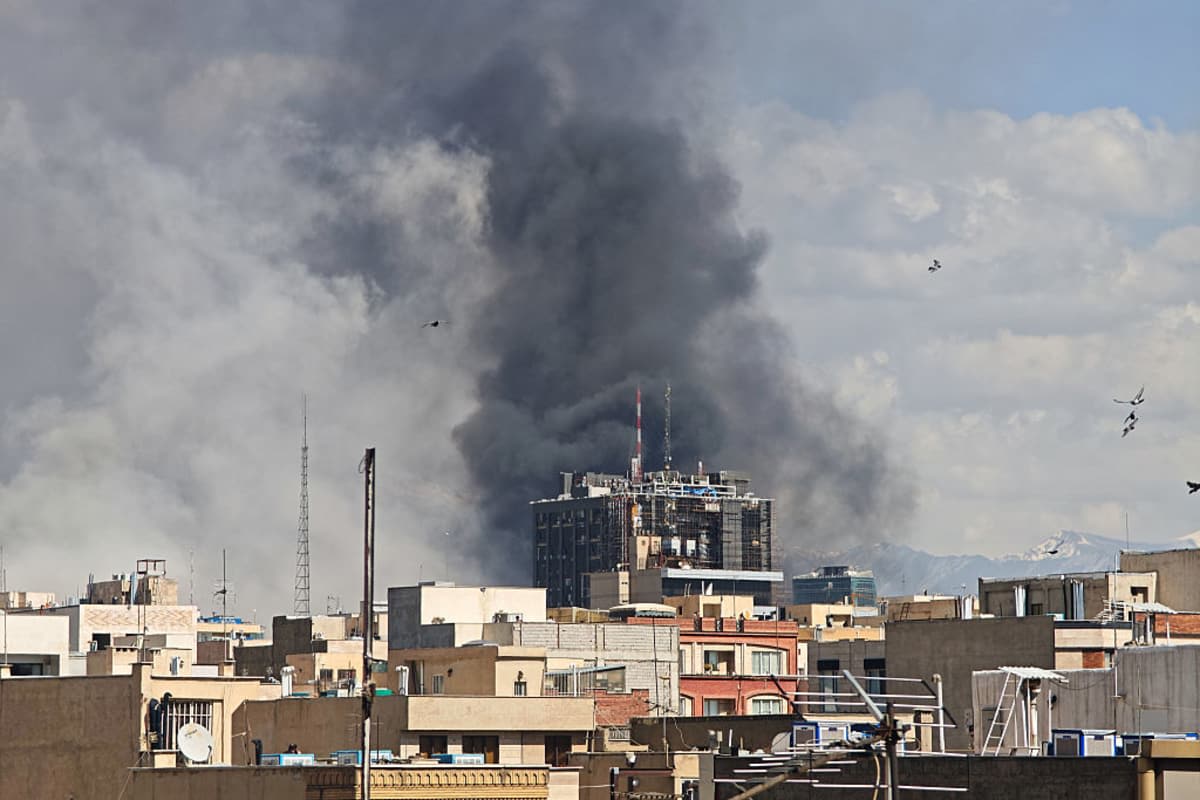
: Plumes of smoke rise over the skyline following explosions on March 1, 2026 in Tehran, Iran. Iran's Supreme Leader, Ayatollah Ali Khamenei, was confirmed killed after the United States and Israel launched a joint attack on Iran on February 28. Iran retaliated by firing waves of missiles and drones at Israel, and targeting U.S. allies in the region. (Photo by Majid Saeedi/Getty Images)
Smoke billowed over parts of Tehran after the coordinated strike targeted senior Iranian officials (Majid Saeedi/Getty Images)

 The strike has heightened tensions across the Middle East, with regional actors closely watching for further escalation following the unprecedented targeting of Iran’s top leader.
RELATED TOPICS US STRIKES IRAN

GET BREAKING U.S. NEWS & POLITICAL UPDATES
STRAIGHT TO YOUR INBOX.

MORE STORIES

While talking to The Atlantic’s Michael Scherer, Donald Trump argued that Tehran could have avoided the strike if it had agreed to a deal earlier
16 minutes ago
'As one nation, we grieve for the true American patriots who have made the ultimate sacrifice for our nation,' Donald Trump said
55 minutes ago
Mark Kelly said he needs more details from the White House and is unlikely to support the administration’s recent actions
1 hour ago
John Fetterman told CNN that he supports Donald Trump's decision to strike Iran and stressed that the action didn't violate the War Powers Resolution
1 hour ago
Greene says the mission broke campaign pledges to avoid foreign wars and questions its cost for American families
1 hour ago
Trump acknowledged three US service members lost their lives and injured others as he vowed the US will press its Iran military campaign until its goals are met
2 hours ago
Authorities nationwide boost counterterror and law enforcement readiness as conflict with Iran deepens and Senate plans to meet Monday afternoon
2 hours ago
Senator Tom Cotton says no large-scale ground invasion planned as Trump outlines nuclear and missile concerns
6 hours ago
Chris Murphy warned that sustained bombing without congressional backing or a broader plan might deepen US involvement and increase risks to troops
7 hours ago
Tehran swiftly named an interim leadership council as constitutional procedures began to select a permanent supreme leader
8 hours ago