Gas prices to fall long term despite Iran war surge, White House says
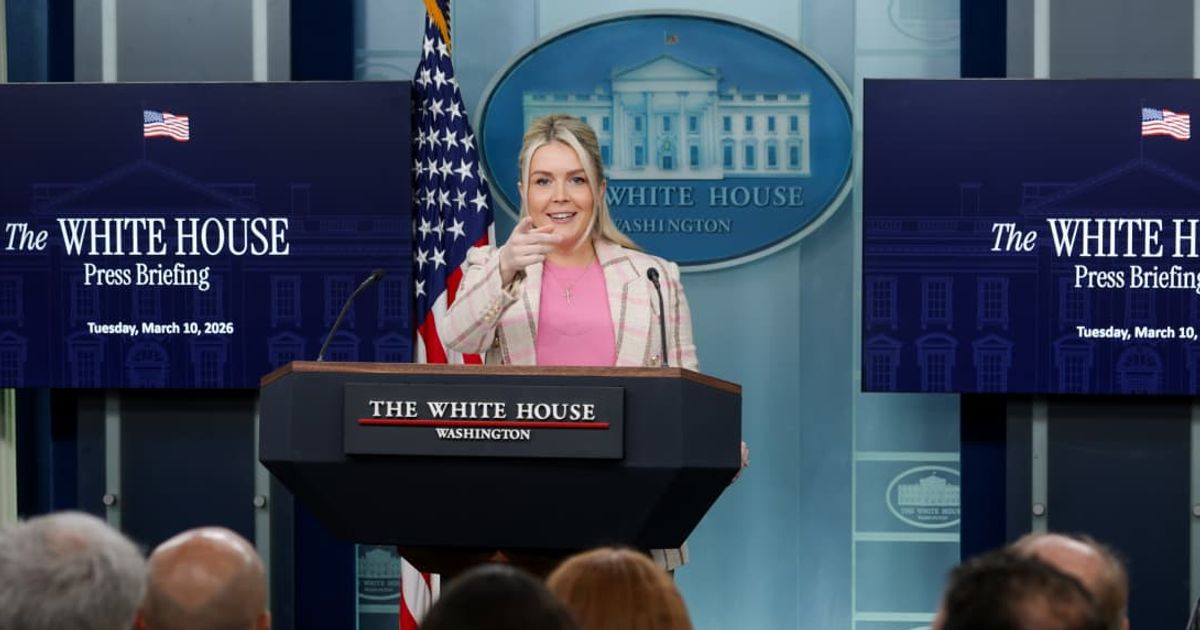
WASHINGTON, DC: The White House issued a firm reassurance to the American public on Tuesday, March 10, asserting that the ongoing military operation against Iran will ultimately lead to lower gas prices in the "long term."
Despite a global surge in energy costs triggered by the ten-day conflict, Press Secretary Karoline Leavitt characterized the current price hikes as a temporary shock that the administration is actively working to mitigate.
Leavitt emphasized that President Trump remains unequivocally committed to maintaining the "freedom of navigation" through the US of Hormuz.
The administration warned that any attempt by the remaining elements of the Iranian regime to block the flow of energy would be met with a military response "20x harder" than any strikes conducted thus far.
Federal measures to stabilize energy markets
.@PressSec: "Last night, @POTUS reiterated his commitment toward keeping oil flowing through the Strait of Hormuz, so the United States and all of our allies can receive their energy needs. President Trump will not allow rogue Iranian terrorists to stop the freedom of navigation… pic.twitter.com/HImZbJUIM6
— Rapid Response 47 (@RapidResponse47) March 10, 2026
To combat the immediate volatility, the Trump administration has rolled out a suite of economic and security measures.
This includes the Treasury Department temporarily waiving specific oil-related sanctions and the federal government offering political risk insurance to tankers currently operating in the high-tension waters of the Gulf.
Furthermore, the Commander-in-Chief has authorized the US Navy to provide direct escorts for oil tankers when necessary.
These actions are designed to ensure that the United States and its global allies continue to receive essential energy supplies despite the proximity of the active war zone to critical shipping lanes.
Military prepared for further strategic escalation
.@PressSec Karoline Leavitt on Iran and energy: "If they do anything to stop the flow of oil or goods within the Strait of Hormuz they will be hit by the world’s most powerful military twenty times harder than they have been hit thus far!" pic.twitter.com/K9EQtxPQuV
— CSPAN (@cspan) March 10, 2026
The White House confirmed that the US military is currently drawing up additional operations to ensure the US of Hormuz remains open to international commerce.
While Leavitt declined to "broadcast" the specifics of these tactical options, she noted that the President is prepared to deploy them to prevent rogue elements from halting the free flow of goods.
"The President is not afraid to use them," Leavitt stated, reiterating that the "world’s most powerful military" stands ready to enforce energy security.
This posture is intended to signal to global markets that the disruption to the Iranian oil infrastructure will be offset by the security of broader regional exports.
Promises of a future energy dividend
.@PressSec: "Thus far, the Trump Administration has offered political risk insurance to tankers operating in the Gulf. @USTreasury temporarily waved certain oil-related sanctions, and the Commander-in-Chief, has offered the U.S. Navy to escort tankers when necessary... Rest… pic.twitter.com/a5cv8jiGfL
— Rapid Response 47 (@RapidResponse47) March 10, 2026
While the Press Secretary did not specify an exact timeline for when consumers would see relief at the pump, the administration's messaging remained focused on the eventual outcome of the mission.
The White House insists that removing the threat posed by the "terrorist regime" will stabilize the region and deliver sustainable energy savings for Americans.
"Rest assured to the American people," Leavitt concluded, "this operation WILL result in lower gas prices in the long-term." For now, the administration continues to balance its offensive military goals with the immediate need to manage the domestic economic fallout of the escalating conflict.