Tillis fires back at Graham's 'who owns Greenland' comment as GOP splinters over Arctic strategy
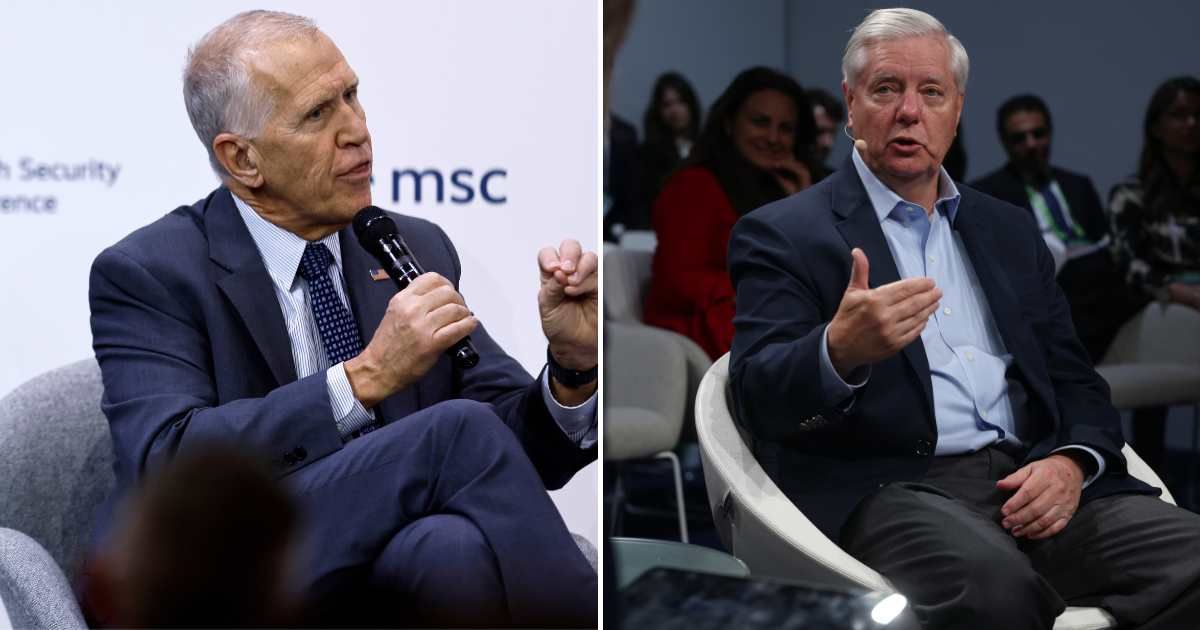
MUNICH, GERMANY: The annual Munich Security Conference became the stage for a rare public disagreement between two senior Republican lawmakers on Saturday, February 14, as debate resurfaced over President Donald Trump's focus on Greenland.
Senators Thom Tillis and Lindsey Graham offered sharply different perspectives on the administration’s Arctic strategy, exposing an internal GOP divide over how far Washington should go in pursuing control of the Danish territory.
The exchange followed remarks made by Graham a day earlier in which he brushed aside concerns about Greenland’s sovereignty.
The episode highlighted the broader tension between the administration’s assertive posture in the Arctic and the diplomatic sensitivities of the NATO alliance.
While Trump had emphasized Greenland’s strategic importance due to existing US military installations and radar systems, some lawmakers weighed the geopolitical benefits against alliance cohesion.

Internal Republican divide over Arctic strategy
President Trump’s renewed focus on Greenland triggered contrasting reactions within his own party.
On Friday, Senator Lindsey Graham publicly minimized concerns about ownership of the island, saying, “Who gives a s**t who owns Greenland? I don’t,” signaling support for prioritizing US security interests over sovereignty debates.
JUST IN - Sen. Lindsey Graham: "Who gives a shit who owns Greenland? I don't." pic.twitter.com/QYCf9xiipi
— Insider Paper (@TheInsiderPaper) February 13, 2026
Senator Thom Tillis responded more cautiously the following day.
Without directly naming Graham, Tillis stressed that the status of Greenland mattered deeply to the approximately 85,000 indigenous residents who lived there.
He argued that while national security interests in the Arctic were significant, they needed to be balanced with respect for local populations and international norms
NATO allies express concern over rhetoric
The administration’s past statements about acquiring Greenland had unsettled some NATO allies, particularly Denmark.
European officials warned that any move perceived as coercive could strain alliance unity at a time of heightened geopolitical tension.
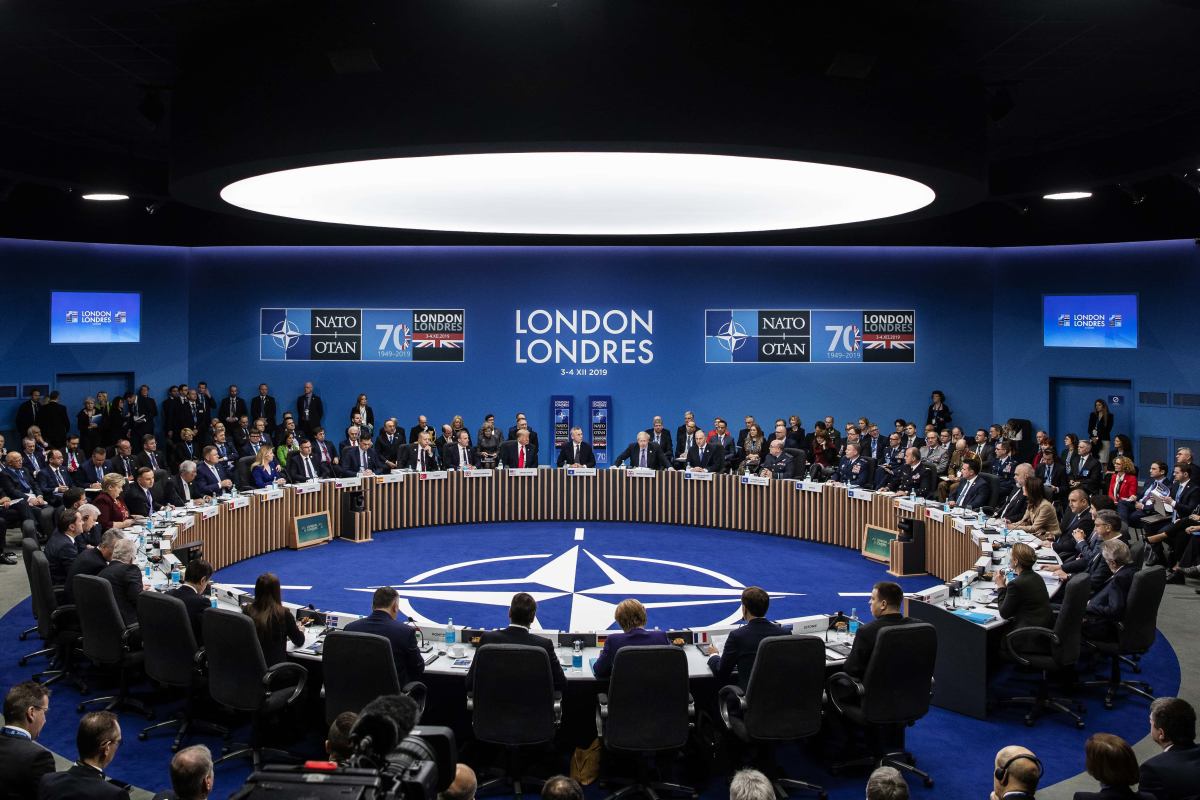
Trump had previously argued that Greenland was critical to US national security, citing increased activity by Russia and China in Arctic waters. However, critics within allied governments had described the rhetoric as disruptive.
Recent comments suggested that momentum around the proposal had slowed amid pushback from both European leaders and some Republican lawmakers.
The pause opened space for discussions on strengthening Arctic cooperation without escalating diplomatic tensions.
Rejecting the bully narrative in diplomacy

Tillis also addressed concerns about how the US rhetoric was being perceived abroad. He said that America’s identity was rooted in opposing coercion, adding, “I think it’s in our DNA whether we want to believe it or not.”
While acknowledging that political language could sometimes become “hot” or “cowboy-ish,” Tillis suggested that US leadership should combine strength with respect in international dealings.
Strategic military importance of the Greenland territory
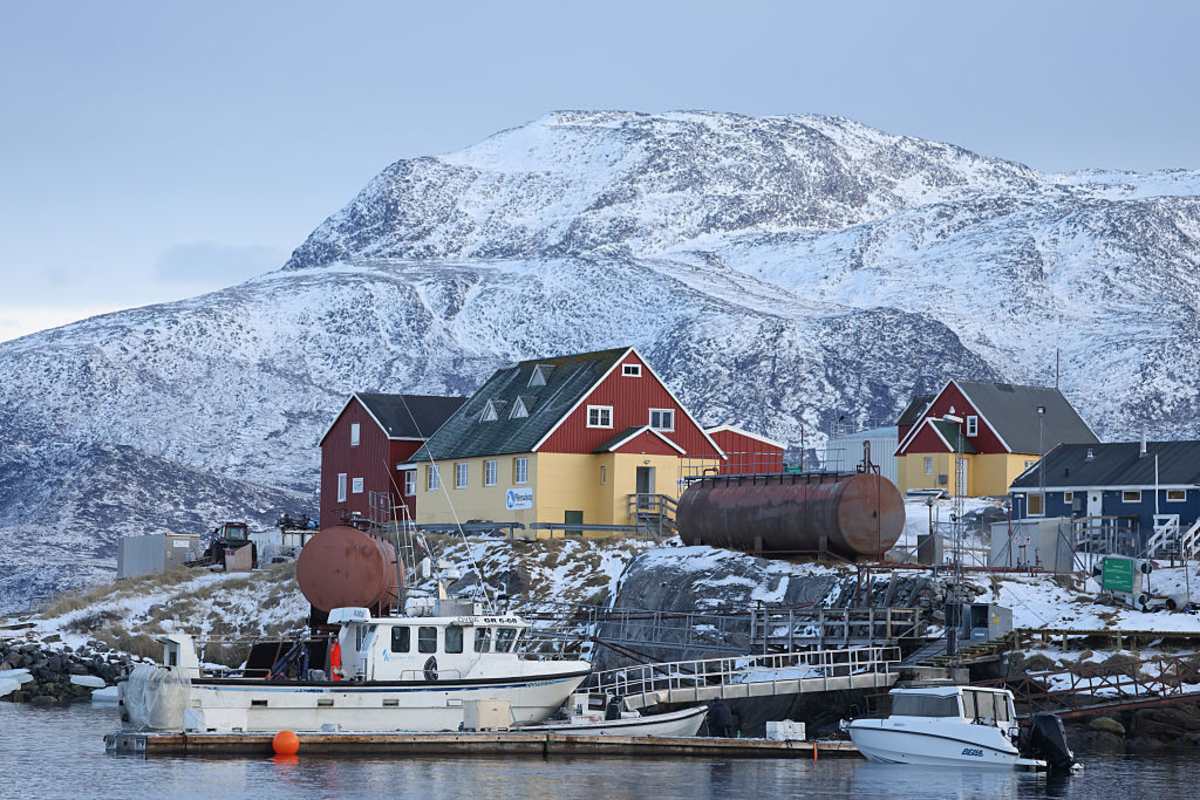
Despite the political friction, Greenland’s strategic value remained central to the debate. The island hosts US troops and key radar installations that contribute to early-warning systems and Arctic surveillance.
Trump has repeatedly framed Greenland as essential to preventing adversarial influence in the region, particularly as Russia and China expand their Arctic presence.