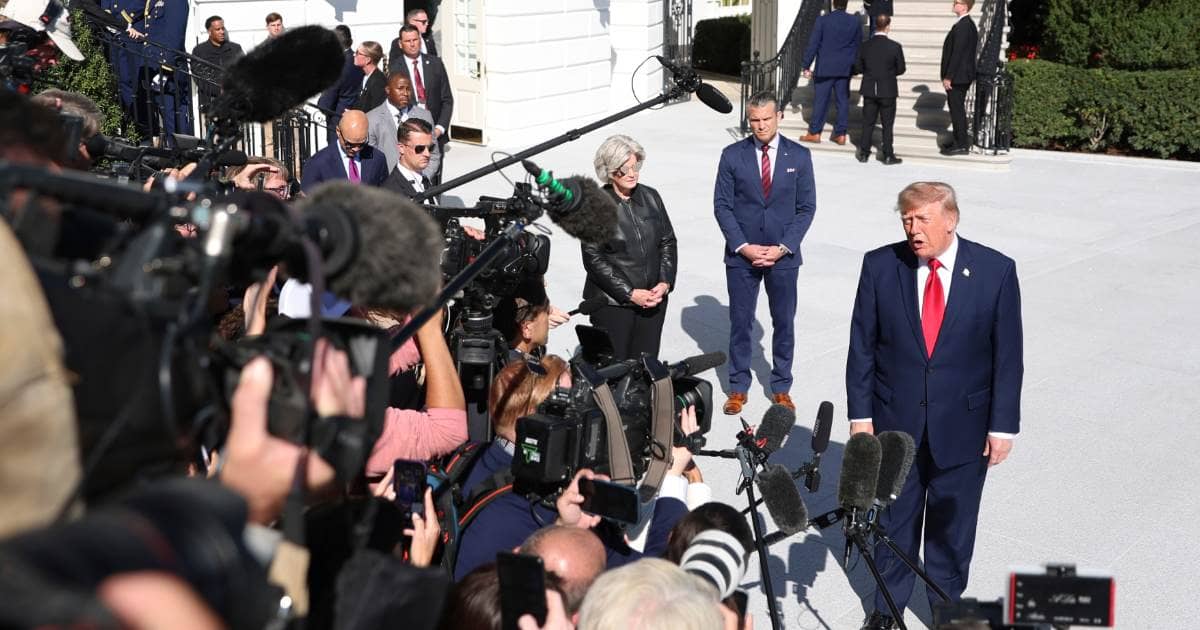
'Everything has trade-offs': White House floats gas tax suspension as prices hit $4.52
Q: "Would you support suspending the federal gas tax?"
— The Bulwark (@BulwarkOnline) May 10, 2026
Wright: "Ya. All measures that can be taken to lower the price at the pump…this administration is in support of."
Q: "You're saying President Trump would be open to suspending the federal gas tax?"
Wright: "We're open to… pic.twitter.com/gRClFisVjS
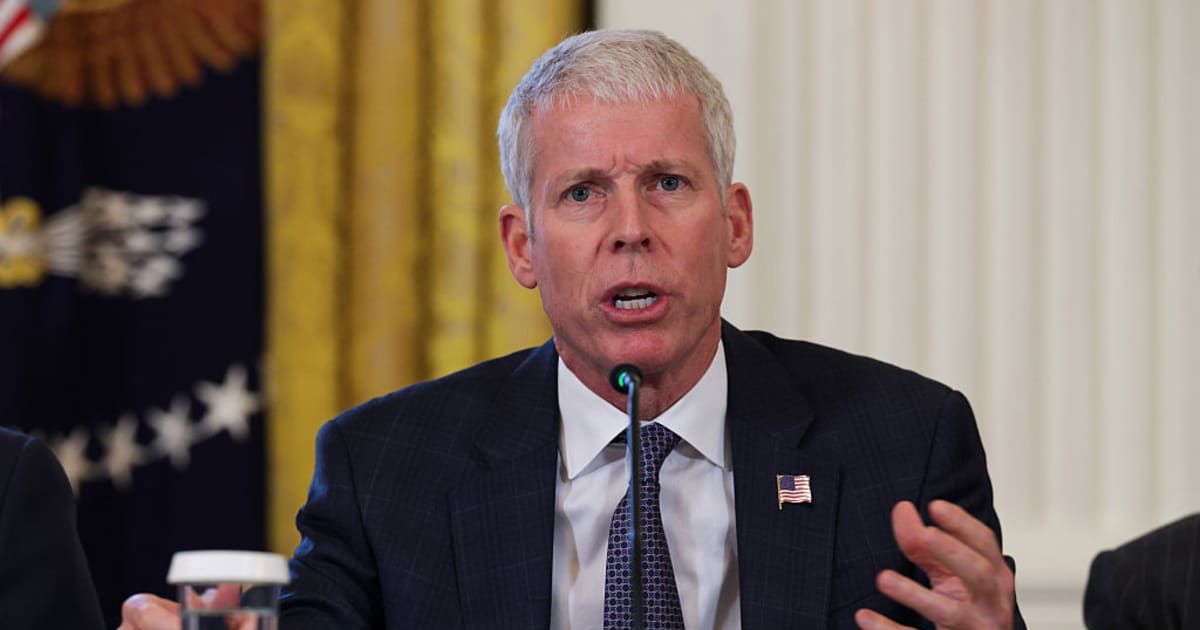
WASHINGTON, DC: The Trump administration is open to suspending the federal gas tax as Americans grapple with soaring fuel prices linked to escalating tensions in the Middle East, Energy Secretary Chris Wright said on Sunday, May 10.
Speaking on NBC’s 'Meet the Press', Wright said the administration would consider any policy that could reduce costs at the pump for consumers facing mounting economic pressure.
“All measures that can be taken to lower the price at the pump and lower the prices for Americans, this administration is in support of,” Wright said when asked about the possibility of suspending the federal gasoline tax.
Pressed on whether President Donald Trump specifically supports the idea, Wright responded: “We’re open to all ideas.” The current federal gas tax stands at roughly 18 cents per gallon.
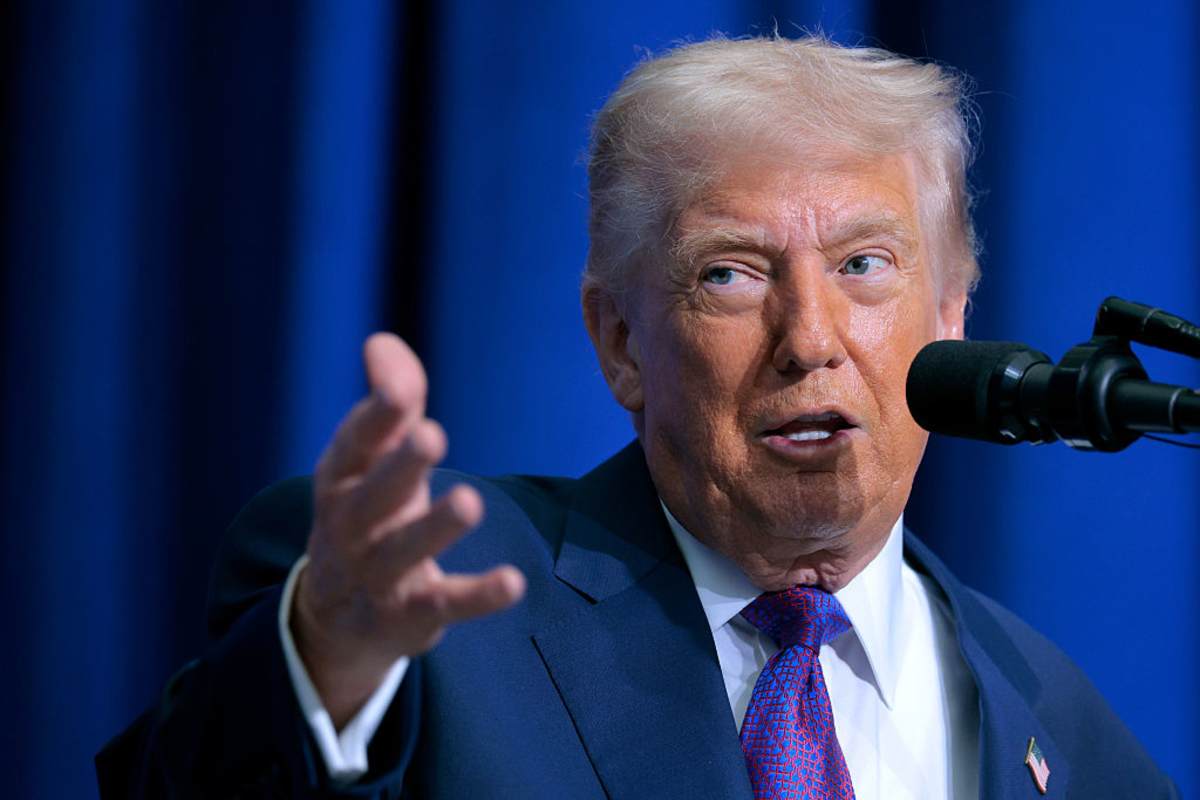
Gas prices continue a sharp climb
The comments come as gasoline prices across the United States continue to rise amid turmoil surrounding the Iran conflict and disruptions to global energy supplies.
According to data from AAA, the national average for gasoline reached $4.52 per gallon on Sunday, an increase of more than 50% since the start of the Iran war.
The spike in prices has become a major political issue during a critical midterm election year, placing additional pressure on the administration to demonstrate action on inflation and energy affordability.
While a temporary suspension of the federal gas tax could offer modest relief to consumers, critics argue that the move may have limited long-term impact and could reduce funding for highway and infrastructure programs.
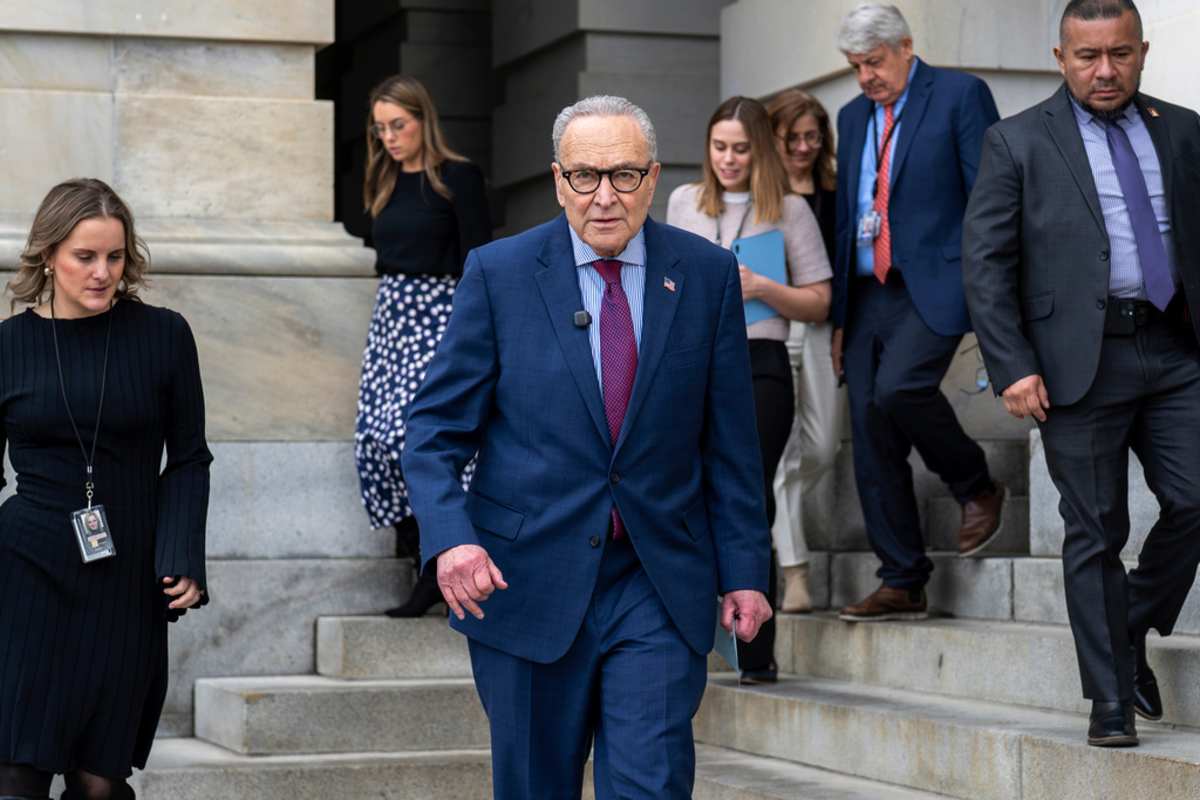
Democrats earlier proposed a temporary tax suspension
The idea of suspending the gas tax has already gained traction in Congress. Democrats introduced legislation in March that would temporarily halt the collection of the federal gasoline tax through October in an effort to cushion consumers from rising fuel costs.
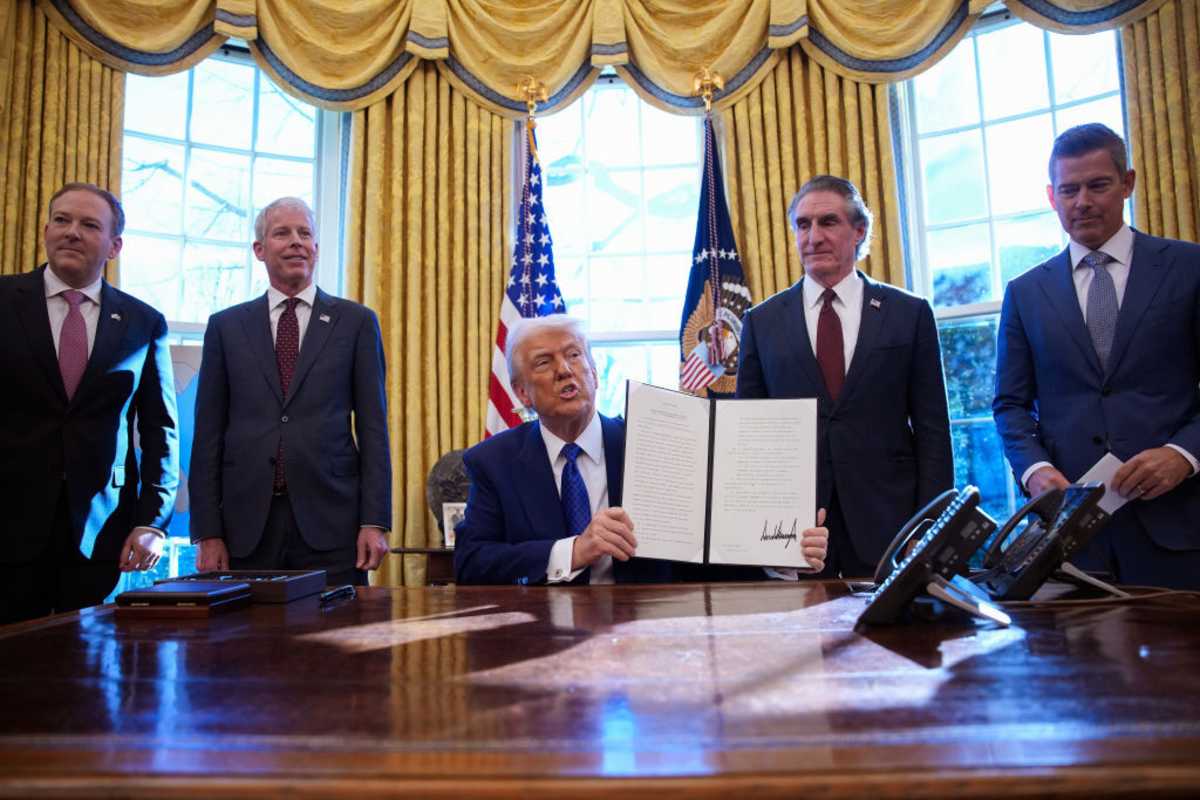
Wright acknowledged that any such move would involve compromises.
“Everything has trade-offs,” he said, without elaborating on what specific concerns the administration may have regarding the proposal.
Administration avoids forecasting $5 gasoline
Wright declined to predict whether national average gas prices could soon reach the politically sensitive $5-per-gallon mark.
“I can’t predict the price of energy in the short term or even the medium term,” he said, while defending the administration’s broader approach to the Iran crisis.
Q: "Should Americans be prepared for the possibility of paying $5 a gallon for gas?"
— The Bulwark (@BulwarkOnline) May 10, 2026
Energy Secretary Chris Wright: "I can't predict the price of energy in the short-term or even medium-term." pic.twitter.com/oSDfDWs4tB
“What we’re doing is ending a 47-year conflict Iran has fought, ‘Death to the United States’ for 47 years, ‘Death to Israel,’” Wright added.
When pressed again on the possibility of gasoline hitting $5 a gallon, Wright reiterated that he was avoiding specific price forecasts.
“But I will say, the United States is in a tremendous position,” he said, citing America’s large-scale oil and natural gas production capacity.
Earlier predictions fail to materialize
Wright’s latest comments stand in contrast to remarks he made in March, when he predicted there was a “very good chance” gasoline prices could fall below $3 per gallon by summer.
At the time, he suggested Americans would only feel the impact of rising prices “for a few more weeks.”
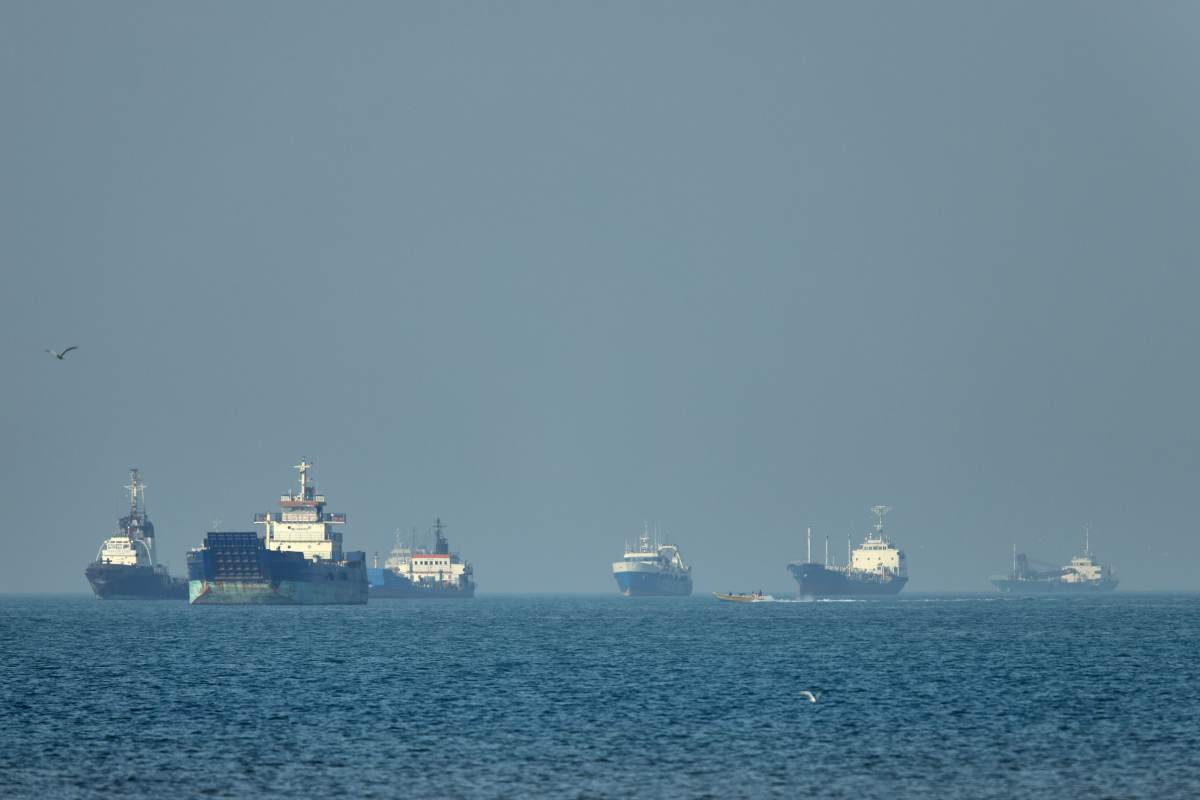
However, eight weeks later, fuel prices have continued to climb, fueled by instability in global shipping lanes and Iran’s ongoing blockade of the Strait of Hormuz, one of the world’s most critical oil transit routes.
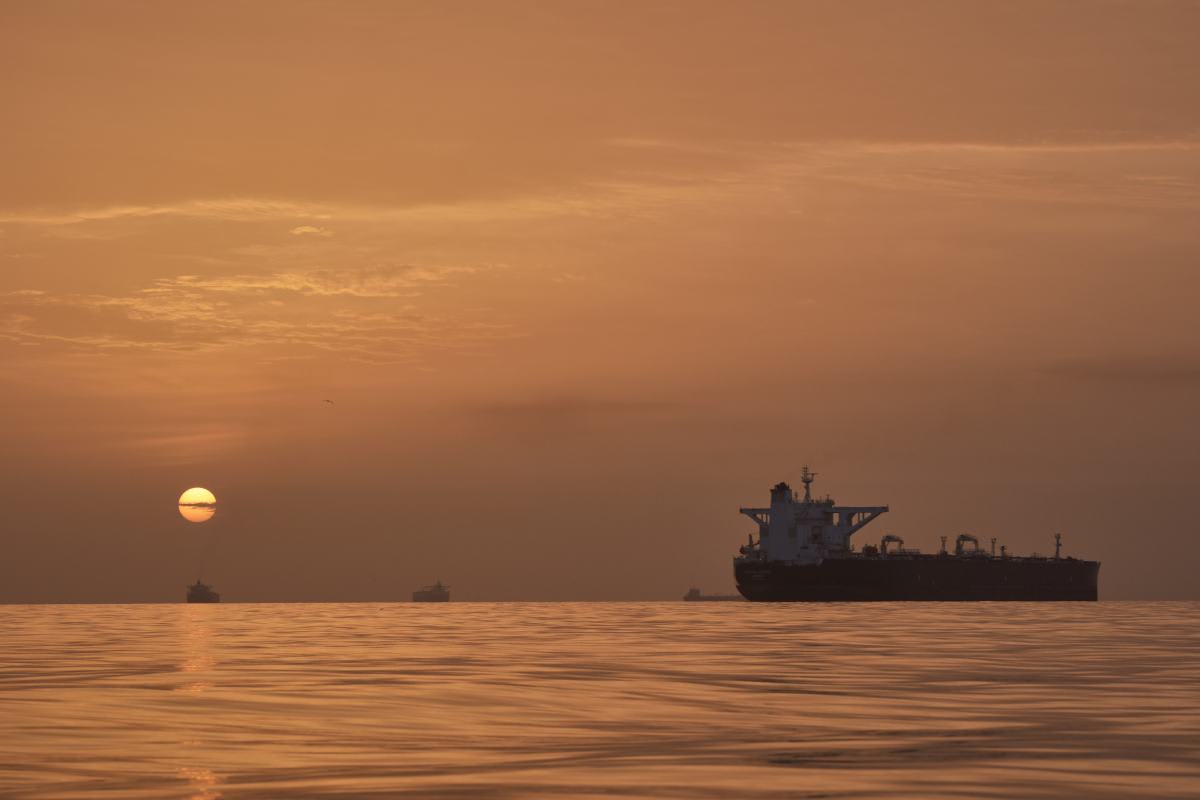
Energy analysts say the prolonged standoff in the Gulf has tightened global supply expectations and increased market fears over possible disruptions to crude exports from the region.