Trump energy chief warns Iran could reach weapons-grade uranium within weeks

WASHINGTON, DC: Energy Secretary Chris Wright issued a stark warning to the Senate Armed Services Committee on Wednesday, May 13, revealing that Iran has reached a "frighteningly close" proximity to producing weapons-grade uranium.
According to Wright, the Islamic Republic’s stockpile of highly enriched material has placed the regime just "a small number of weeks" away from the threshold required to develop a nuclear device.
The testimony underscores a deepening crisis for the Trump administration, which has launched multiple military campaigns, Operation Midnight Hammer last year and Operation Epic Fury earlier this year, specifically targeting Iranian nuclear infrastructure.
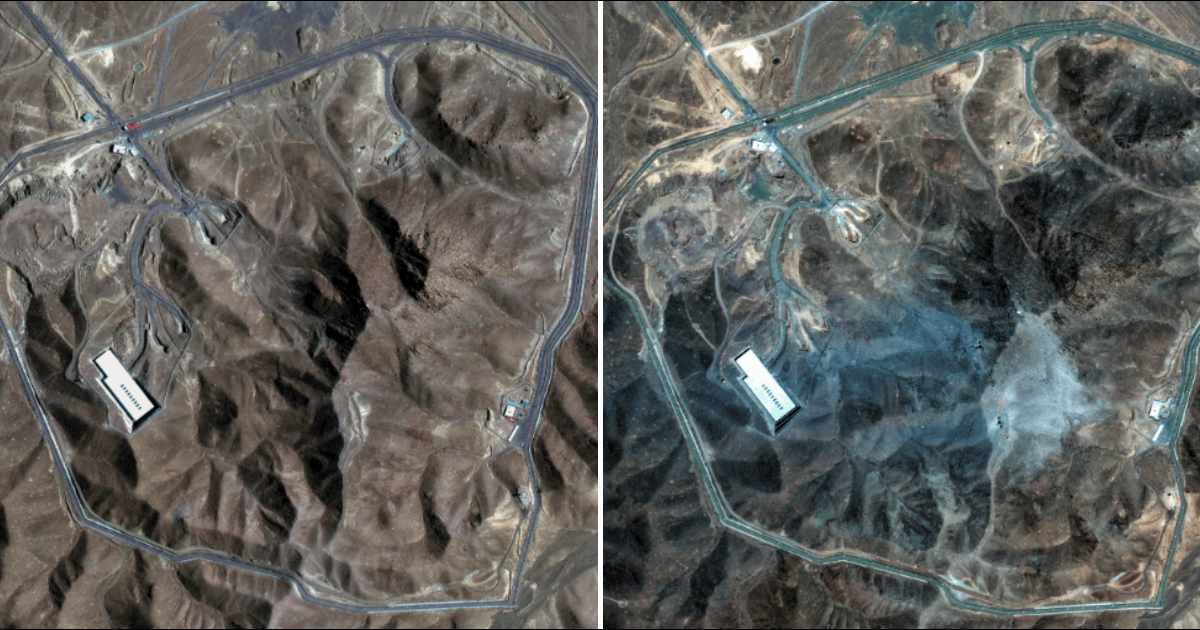
Despite these strikes, Wright confirmed that Iran currently possesses approximately one ton of 60% enriched uranium.
Special Envoy Steve Witkoff noted that if this material is refined to the 90% weapons-grade level, it would provide enough fuel for 11 nuclear warheads.
Technical leap toward weapons grade enrichment
Nuclear experts maintain that reaching 60% enrichment represents the most significant technical hurdle in the process.
Secretary Wright explained to lawmakers that while the numerical jump from 60% to 90% seems large, it actually accounts for nearly 90% of the total work required for a weapon.

"When you're at 60%, you are... way [closer to] 90% of the way there," Wright stated.
Beyond the one ton of highly enriched fuel, the regime also holds an additional 11 tons of uranium enriched to the 20% level, which could be processed into weapons-grade material in several weeks.
Senator Richard Blumenthal suggested that for the President to fully eliminate the threat, the United States would likely need to confiscate the entire 12-ton stockpile.
Wright agreed, noting that the administration’s goal is to end the program entirely to ensure a "safe world." This "wise strategy" aligns with the President's public demands that the US will secure the material "one way or another."
Ground force retrieval plans under consideration
The White House is currently monitoring Iranian nuclear sites via satellite, maintaining a constant threat of aerial bombardment should any movement toward the material be detected.
However, during Operation Epic Fury, reports surfaced that the President contemplated an even higher-stakes move: deploying ground forces directly into Iranian territory to physically retrieve the nuclear material.
🚨 NOW: President Trump announces if Iran doesn't do the right thing, he's FINISHING THE JOB HIMSELF
— Eric Daugherty (@EricLDaugh) May 12, 2026
"And they'll even do the right thing or we'll finish the job. They're either going to do the right thing — or we're just going to finish the job." 🔥
I would NOT want to test 47… pic.twitter.com/6m1gBFlQFK
Such a mission would require troops to dig out the uranium while managing the extreme risks of radiation exposure deep behind enemy lines.
For now, the administration is leaning on diplomatic channels mediated by Pakistan, though progress is stalled.
On Sunday, the President rejected Tehran's latest proposal as "unacceptable," declaring the current ceasefire to be on "massive life support."
"They’ll either do the right thing, or we’ll finish the job," the President told reporters Tuesday, signaling that the era of monitoring may soon give way to direct seizure.