Trump’s Greenland framework: 5 key figures shaping the talks with Denmark and Nuuk
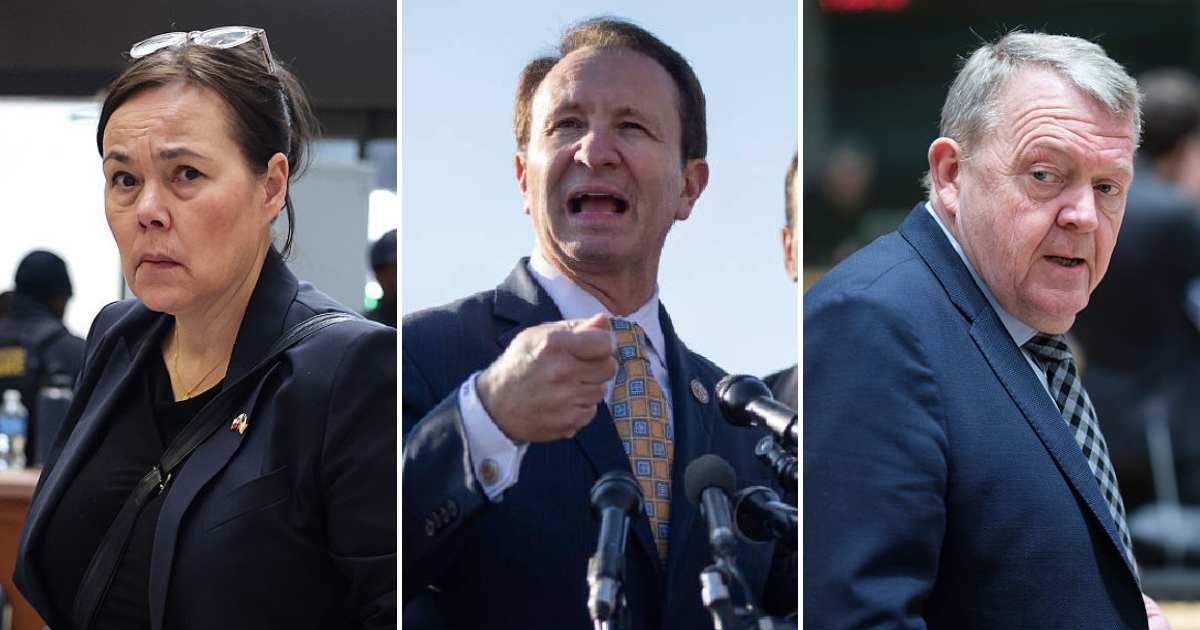
WASHINGTON,DC: Negotiations over President Donald Trump’s proposed Greenland “framework” are officially underway.
After a high-stakes meeting in Washington on January 14, officials from the US, Denmark, and Greenland agreed to form a working group to address Arctic security and the future of the island territory.
We take a look at the top American, Danish and Greenlandic leaders steering this high-stakes security deal that has rattled Europe.
JD Vance
Vice President JD Vance is the most high-profile person who was involved in the meeting that led to the agreement to form a working group.
The former Ohio Senator is well-known as the administration's leading voice on "America First" foreign policy and Arctic strategy.
He has been tasked by President Trump to oversee the strategic integration of Greenland into US defense planning.
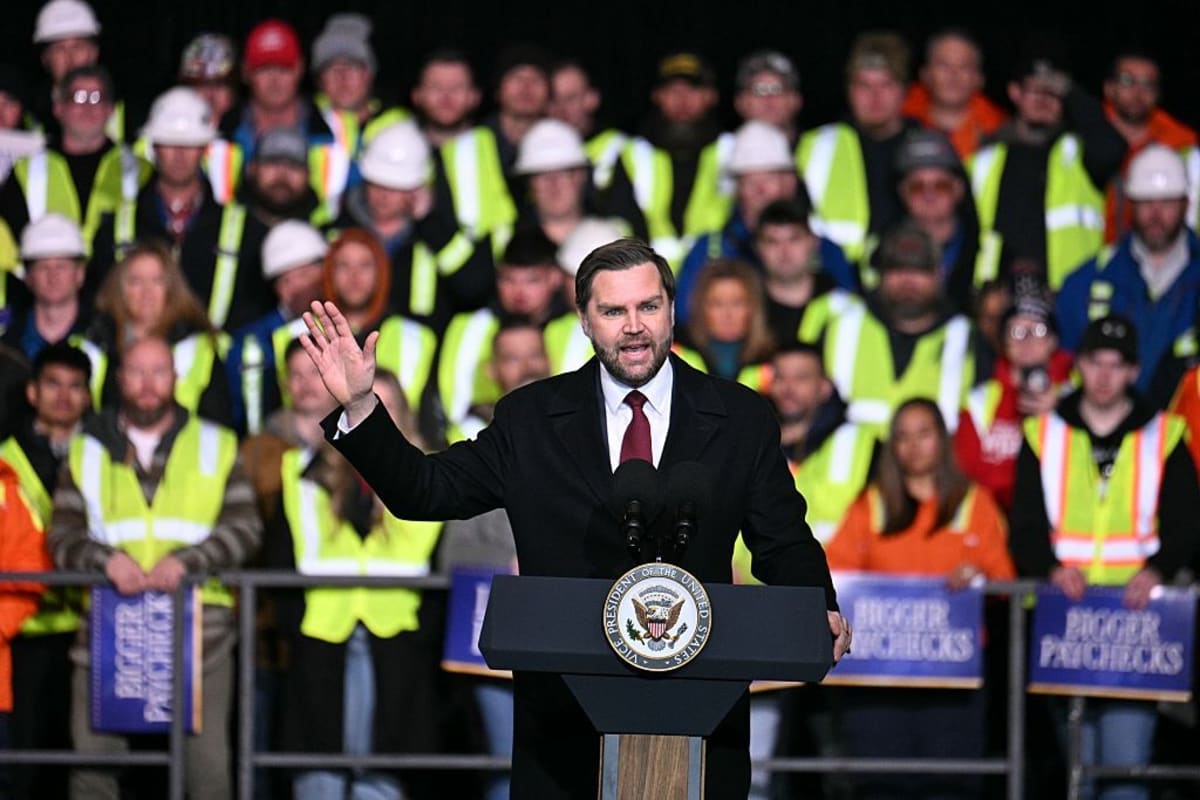
Speaking to reporters in Toledo, Ohio, on January 22, Vance reaffirmed that the US remains committed to securing Greenland, calling it essential for the nation's "entire missile defense system."
He indicated that talks with NATO allies are "going fine" and described the move to control the area as a vital necessity for monitoring threats in the Arctic.
Marco Rubio
Secretary of State Marco Rubio, a veteran of the Senate Foreign Relations Committee, flanked Vance at the meeting with Danish leaders.
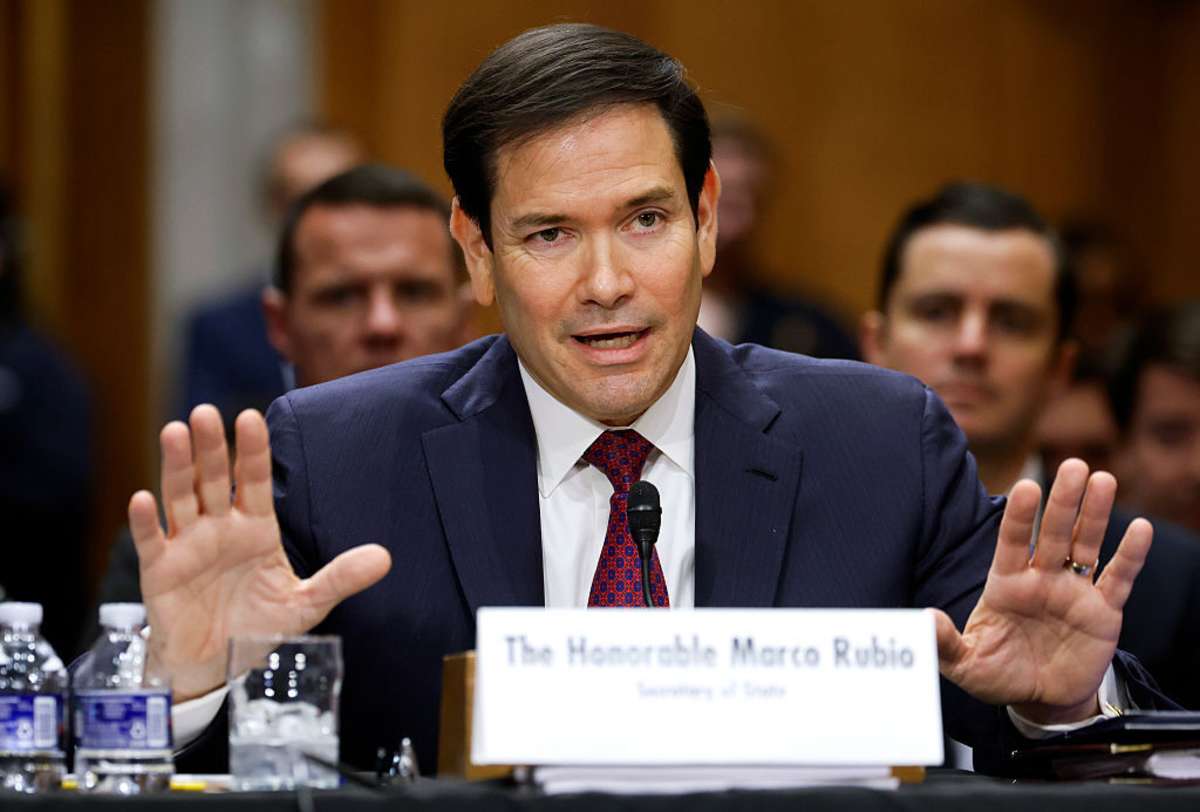
It was Rubio who announced that there would be a technical meeting on the Arctic island between US and Denmark and Greenland.
During a Senate hearing, Rubio said the US had "excellent meetings" on Greenland with North Atlantic Treaty Organization (NATO) Secretary-General Mark Rutte on the sidelines of the World Economic Forum (WEF) in Davos, Switzerland.
"I think we have in place a process that's going to bring us to a good outcome for everybody," he said.
He confirmed that technical meetings are moving forward and stated that the goal is to reach an outcome that addresses US national security.
The Secretary of State is keen on keeping the negotiations quiet, though. “We’re going to try to do it in a way that isn’t like a media circus every time these conversations happen, because we think that creates more flexibility on both sides to arrive at a positive outcome,” he had said.
Lars Løkke Rasmussen
Rasmussen is the Foreign Minister of Denmark.
However, perhaps his more impressive qualification is that he has previously served as the Prime Minister of Denmark.
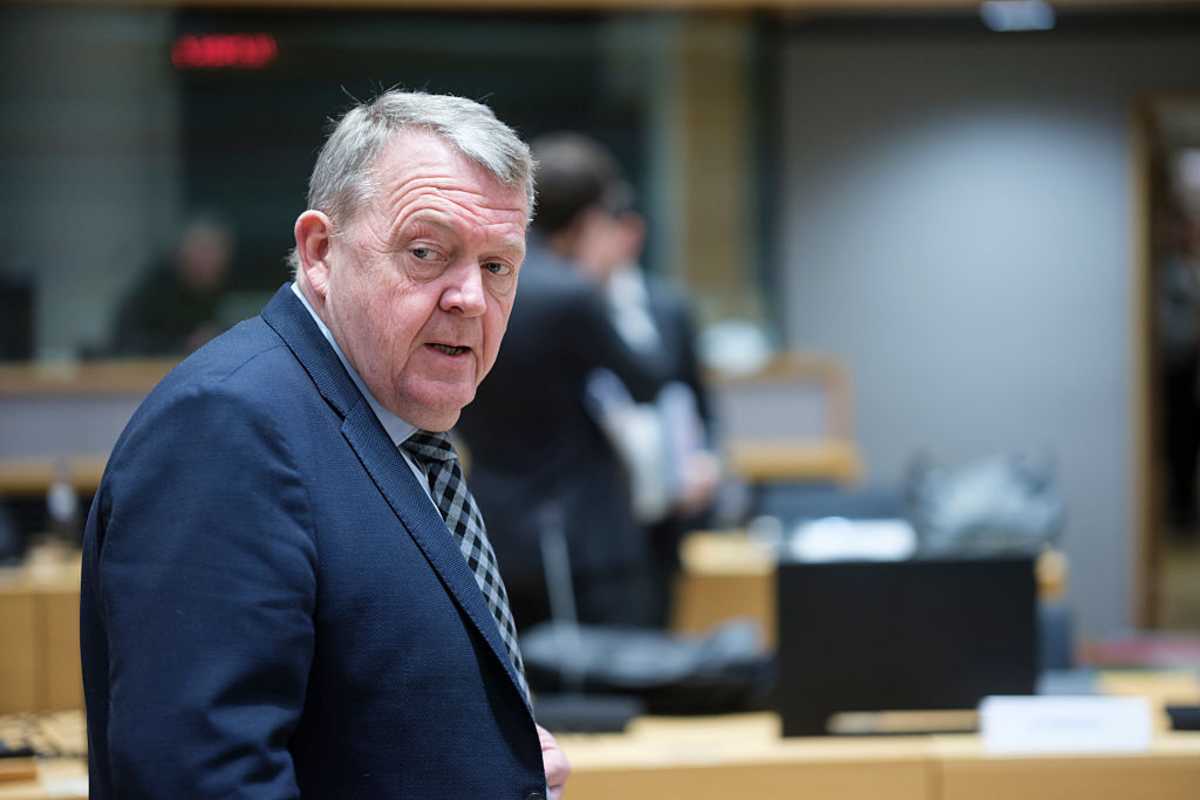
The top diplomat now finds himself tasked with balancing Denmark's centuries-old relationship with Greenland against the intense pressure from Washington.
Following recent technical talks, Rasmussen expressed a sense of optimism on Thursday, January 29.
Addressing the media, he said, "We have had the very first meeting at senior official level in Washington" regarding the Greenlandic issue.
"It went well in a very constructive atmosphere and tone, and new meetings are planned. It's not that things are solved, but it's good," he added.
Rasmussen has firmly stated that Greenland is not for sale. He has previously also taken stances against President Trump.
In a social media post on X on January 18, prior to Trump's announcement of the Greenland framework, Rasmussen had written, "The President’s statement comes as a surprise. Earlier this week, we had a constructive meeting with Vice President Vance and Secretary Rubio. The purpose of the increased military presence in Greenland, to which the President refers, is to enhance security in the Arctic."
1/2 The President’s statement comes as a surprise. Earlier this week, we had a constructive meeting with Vice President Vance and Secretary Rubio. The purpose of the increased military presence in Greenland, to which the President refers, is to enhance security in the Arctic.
— Lars Løkke Rasmussen (@larsloekke) January 17, 2026
Vivian Motzfeldt
Vivian Motzfeldt, the Minister of Foreign Affairs for Greenland, is the primary voice for the Greenlandic people in these negotiations.
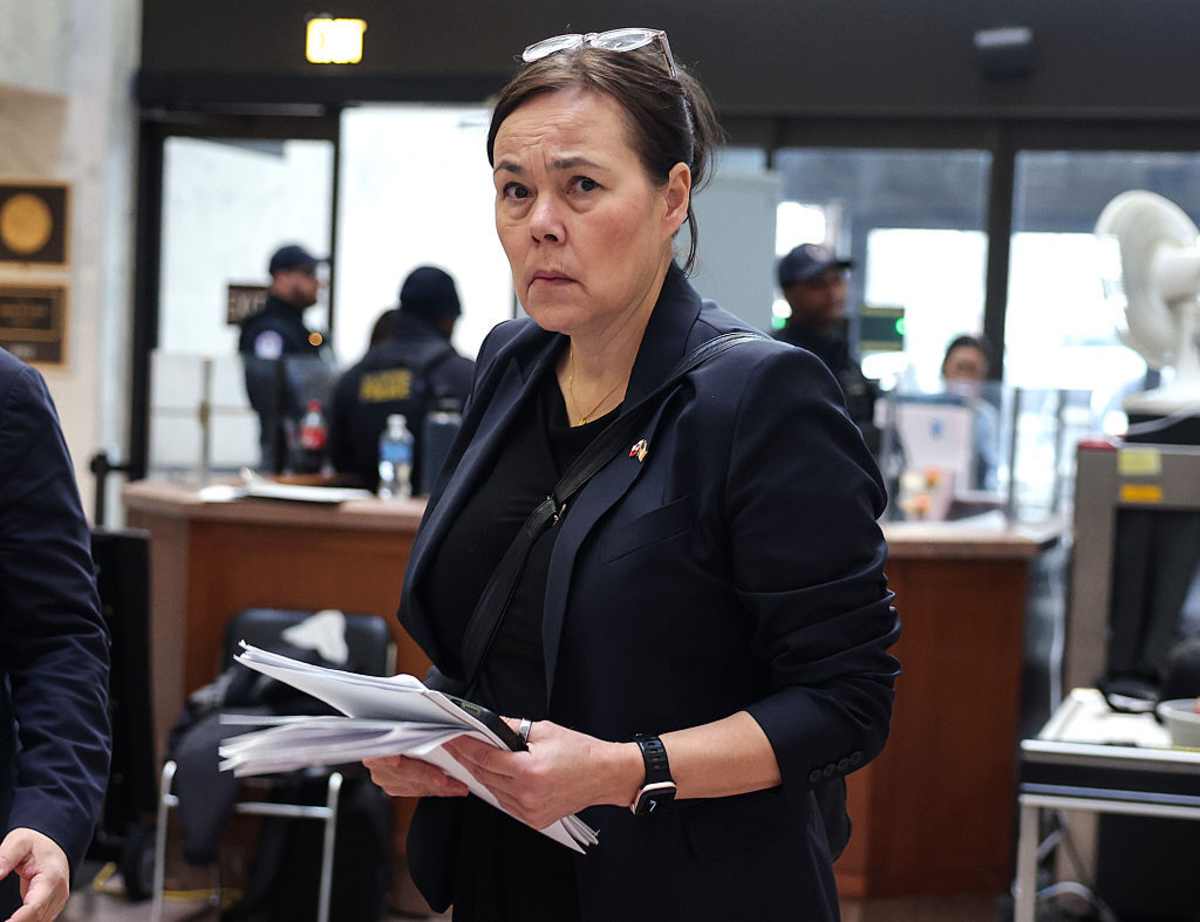
She has been vocal about Greenland "taking the lead" in talks regarding its own land.
"When it comes to Greenland, it should be Greenland that takes the lead and speaks with the United States," Motzfeldt said, according to Danish broadcaster DR.
She recently emphasized that while Greenland and the US need each other for security, any agreement must be based on mutual trust and respect for Greenlandic autonomy.
Interestingly, despite her strict stand against Trump's talks of annexing Greenland, Motzfeldt has come under media scrutiny for an indirect business link to the US president.
Her husband, Jørgen Wæver Johansen, is co-owner and director of two Greenlandic companies: Greenland Water Bank and Greenland Investment Group.
Ronald Lauder, a billionaire Trump donor who is widely credited with first floating the idea of the US taking over Greenland, has bought stakes in both companies.
Arctic politics expert Marc Jacobsen assesses this as a strategic investment, aimed at gaining influence and proximity to Greenlandic decision-makers.
Jeff Landry
In this list of people, Louisiana governor andthe US Special Envoy for Greenland, Jeff Landry, is the only person who wasn't in the January 14 meeting.
However, his role is quite important in navigating the complexities of this Arctic deal.
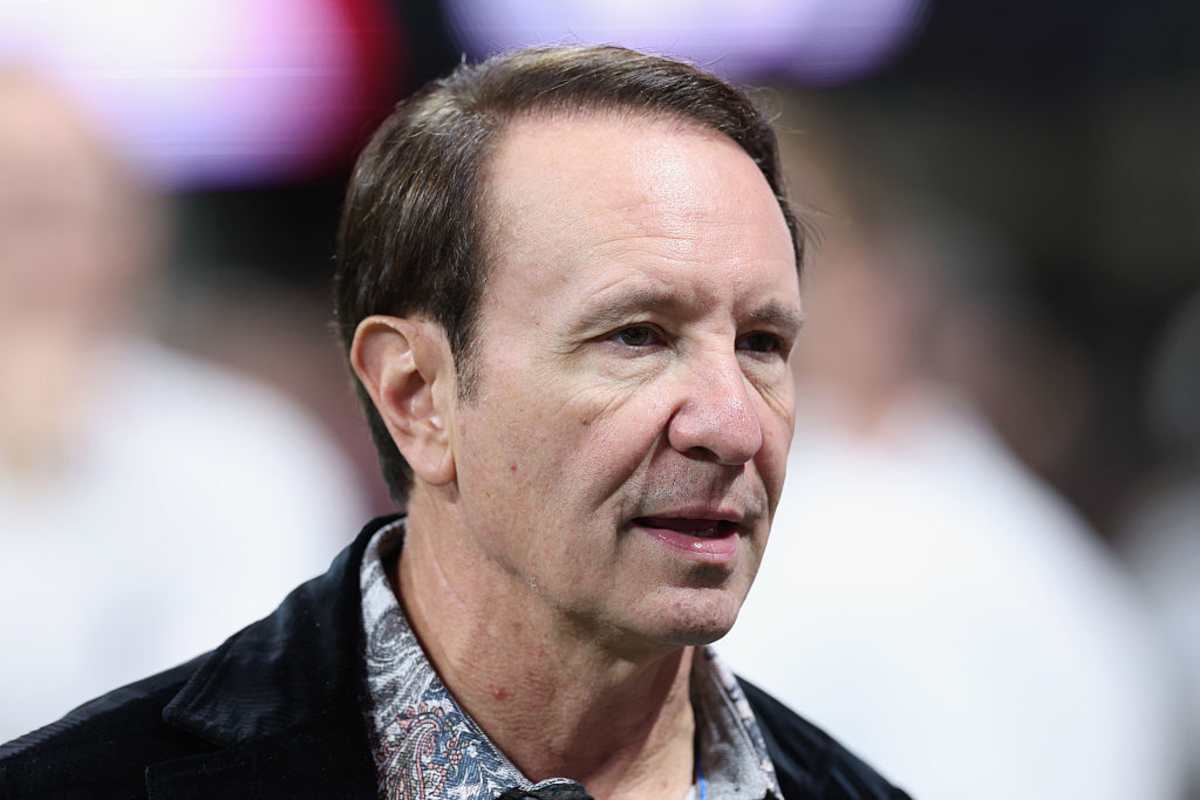
Landry recently shared that the new framework aims to build upon existing defense treaties from 1941 and 1951.
He has stated that the deal is intended to ensure “American dominance in the Arctic” by expanding military infrastructure and preventing foreign influence, calling these measures "preventive" rather than "provocative."