Israel vows weeks of strikes on Iran as Gulf conflict spreads: 'Thousands of targets ahead'
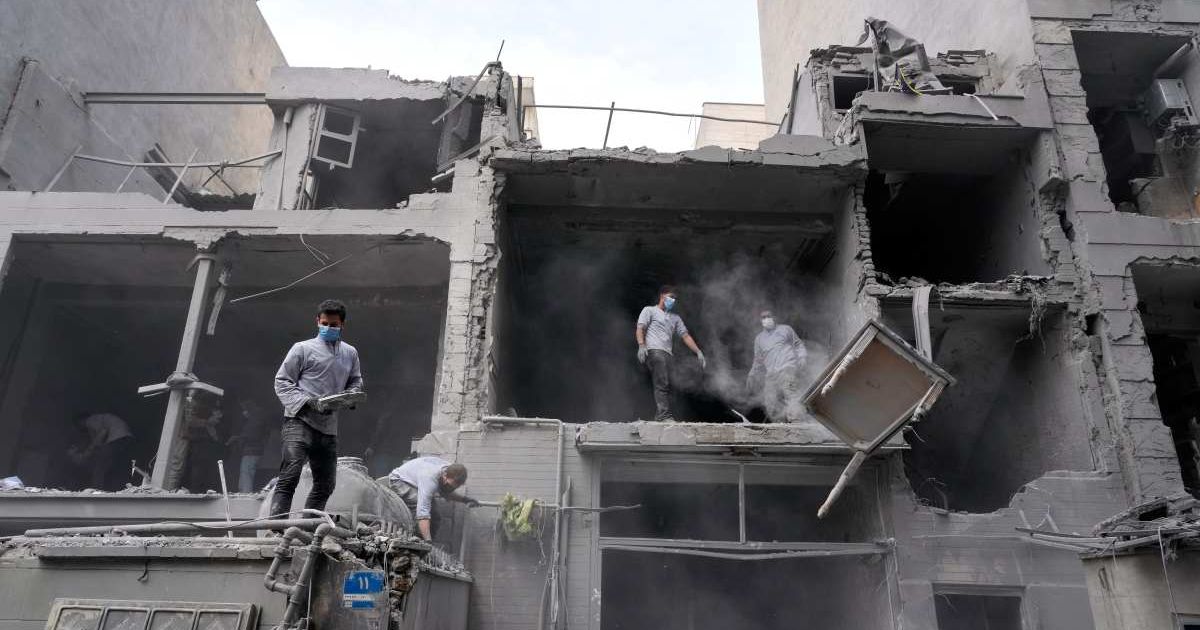
TEL AVIV, ISRAEL: Israel plans to continue its military campaign against Iran for at least three more weeks, with thousands of targets still identified for strikes, according to the Israeli military.
Brig Gen Effie Defrin, spokesperson for the Israel Defense Forces (IDF), told CNN on Sunday, March 15, that the campaign would extend at least until the Jewish holiday of Passover, with contingency plans stretching even further.
“We have thousands of targets ahead,” Defrin said. “We are ready, in coordination with our US allies, with plans through at least the Jewish holiday of Passover, about three weeks from now. And we have deeper plans for even three weeks beyond that,” he added.
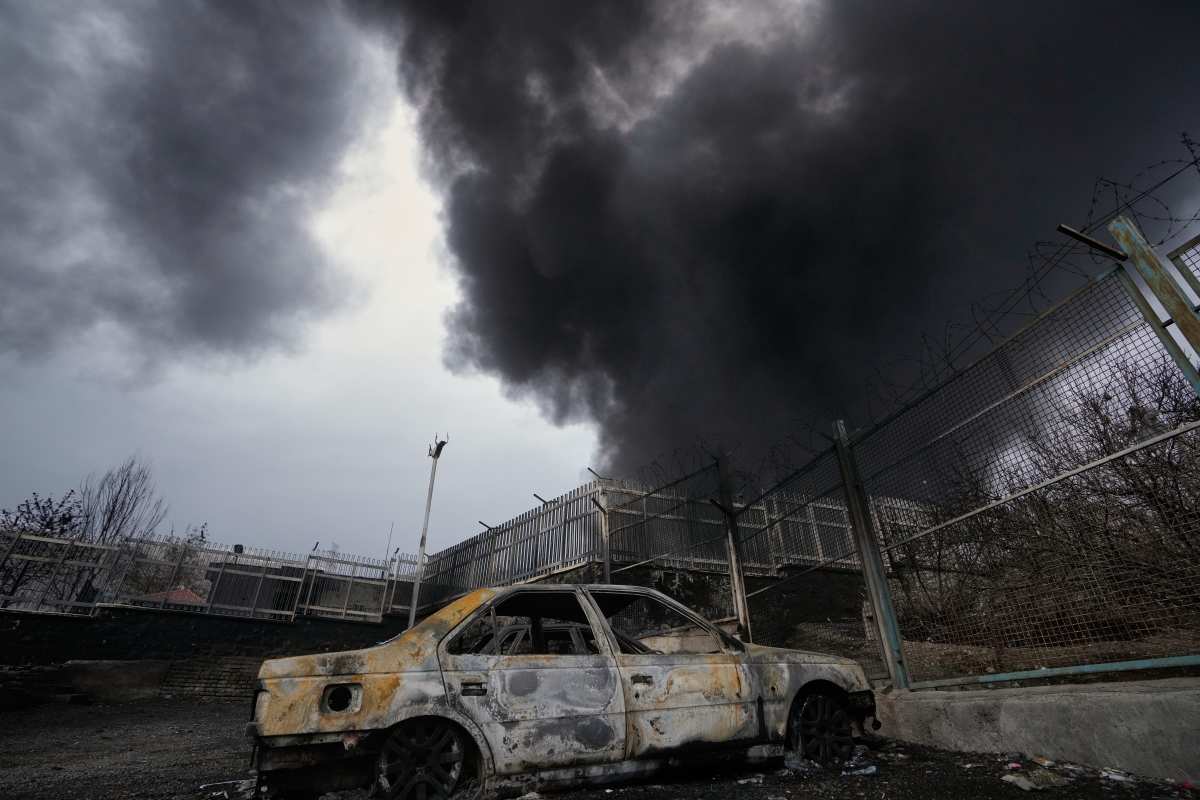
Hundreds of airstrike waves since late February
The IDF said the Israeli Air Force had conducted about 400 waves of airstrikes in western and central Iran since the campaign began on February 28.
According to Israeli officials, the strikes have focused on dismantling infrastructure and targeting operatives linked to Iran’s defense and weapons production units.
Officials added that the United States and Israel together had already hit thousands of targets since the conflict began.
Defrin emphasized that the campaign is not bound by a specific timeline.
“We are not working according to a stopwatch or timetable, but rather to achieve our goals,” he said, adding that the objective is to “severely weaken the Iranian regime.”
Extremist group drawn into expanding conflict
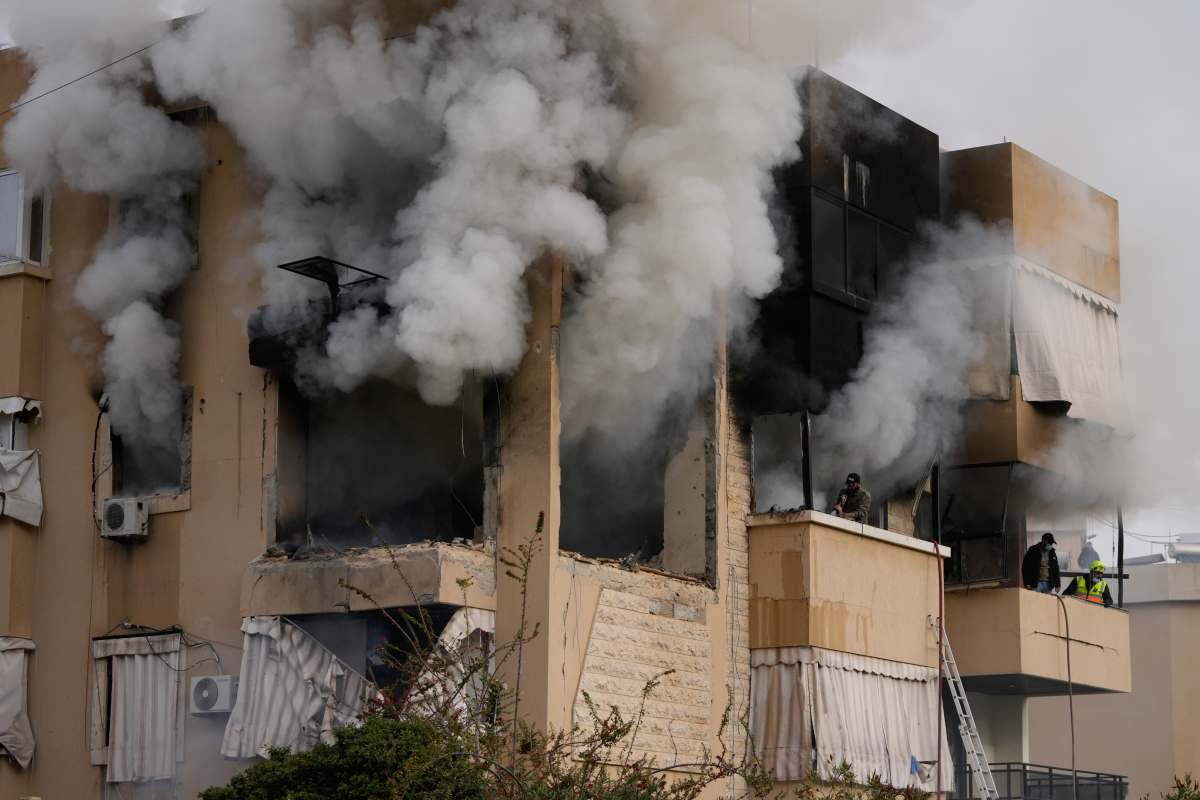
The widening offensive has also pulled the H*******h in Lebanon into the conflict, Israeli officials said.
Defrin noted that the Iran-backed group had stayed out of last year’s brief 12-day confrontation but had joined the current hostilities because the scope of the campaign is far broader.
“In June they understood that it was a limited campaign in Iran, so they didn’t attack. Now that it’s all-out, they join in,” he said.
Israeli officials indicated that operations against H*******h in Lebanon could continue even after the fighting with Iran subsides. The IDF is reportedly deploying additional troops along Israel’s northern border to seize territory and push the forces of the radical group further back.
As the conflict entered its third week, Israel said it had launched fresh attacks on western Iran on Sunday.
Iran’s army, meanwhile, said it carried out “powerful” drone strikes targeting Israeli security centers and police headquarters, describing the attacks as part of its “legitimate defense” of the Iranian people.
Gulf states intercept missiles and drones
Several Gulf nations reported intercepting missiles and drones launched from Iran over the weekend.
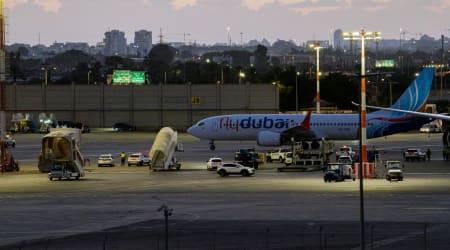
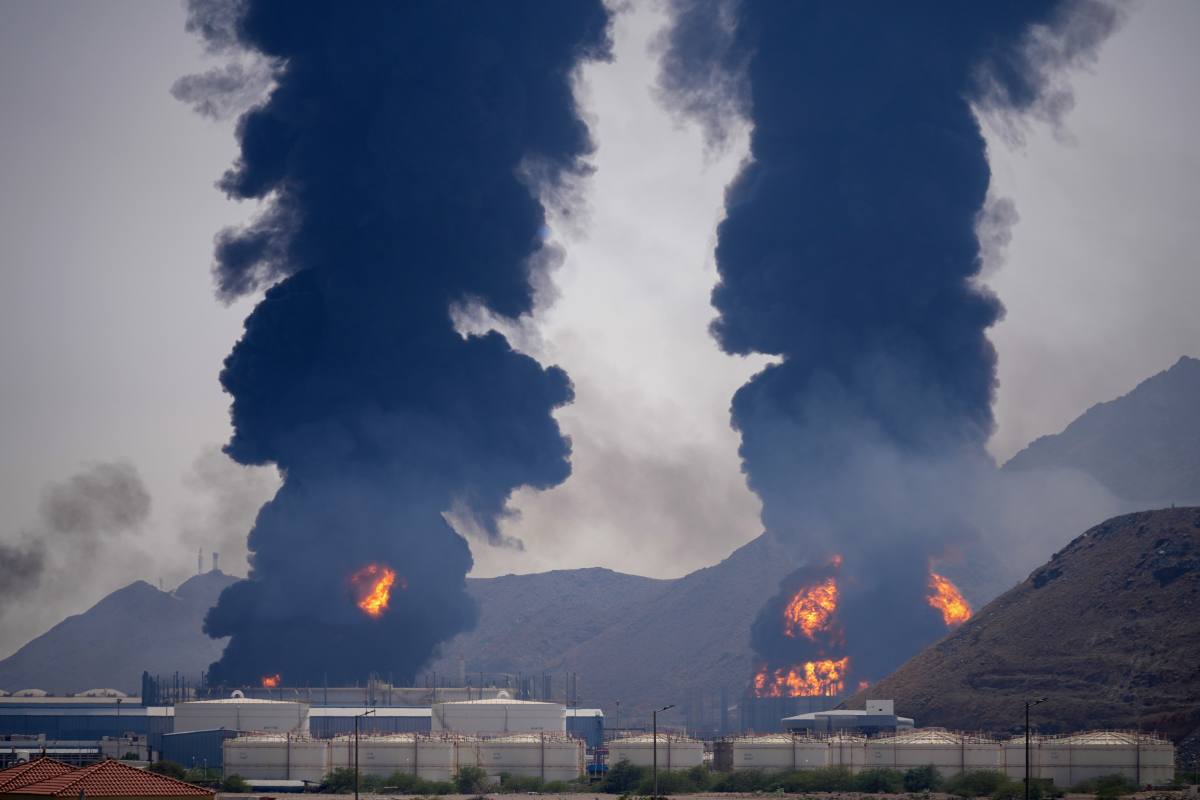
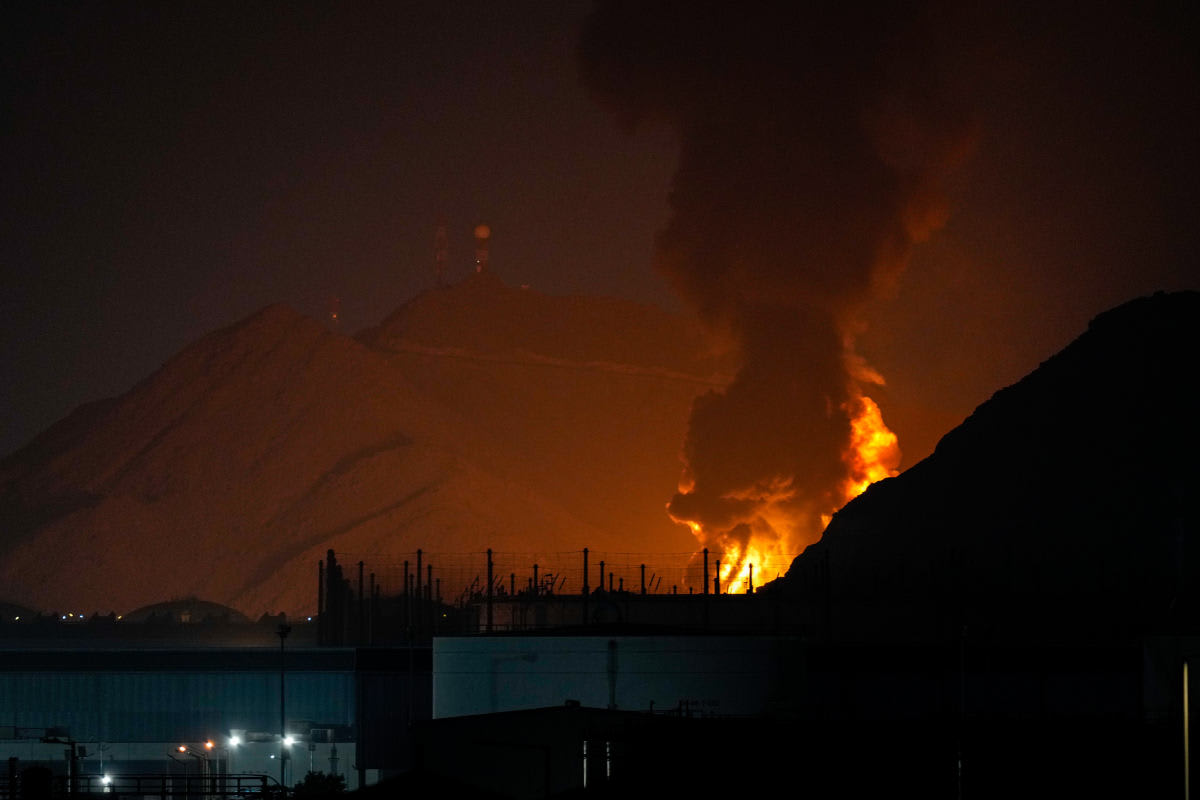
United Arab Emirates: Authorities in Dubai said sounds heard over the Marina district and the Al Sufouh beachfront area were caused by missile interceptions. The defense ministry said nine ballistic missiles and 33 drones launched from Iran were engaged on Saturday. Debris from an intercepted drone also sparked a fire at a key oil hub at Fujairah port.
Saudi Arabia: Defense officials said air defenses intercepted 10 drones over the capital, Riyadh, and the eastern region.
Qatar: Officials said the country’s defenses “successfully” intercepted four ballistic missiles and several drones late Saturday.
Kuwait: Air defense systems responded to two drones targeting the Ahmad Al-Jaber Air Base in southern Kuwait, causing material damage near the base. The civil aviation authority also reported that a radar system was hit after Kuwait International Airport was targeted by several drones.
Iraq: A drone strike hit the UAE Consulate General in Iraq’s Kurdistan region, injuring two security personnel and damaging a building, according to the UAE foreign ministry. Officials said it was the second such attack in a week.
Bahrain: The country’s defense force said it had intercepted and destroyed 211 drones and 125 missiles since the start of the conflict.