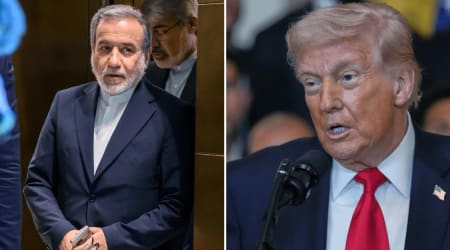
US military action against Iran seen as imminent, report says
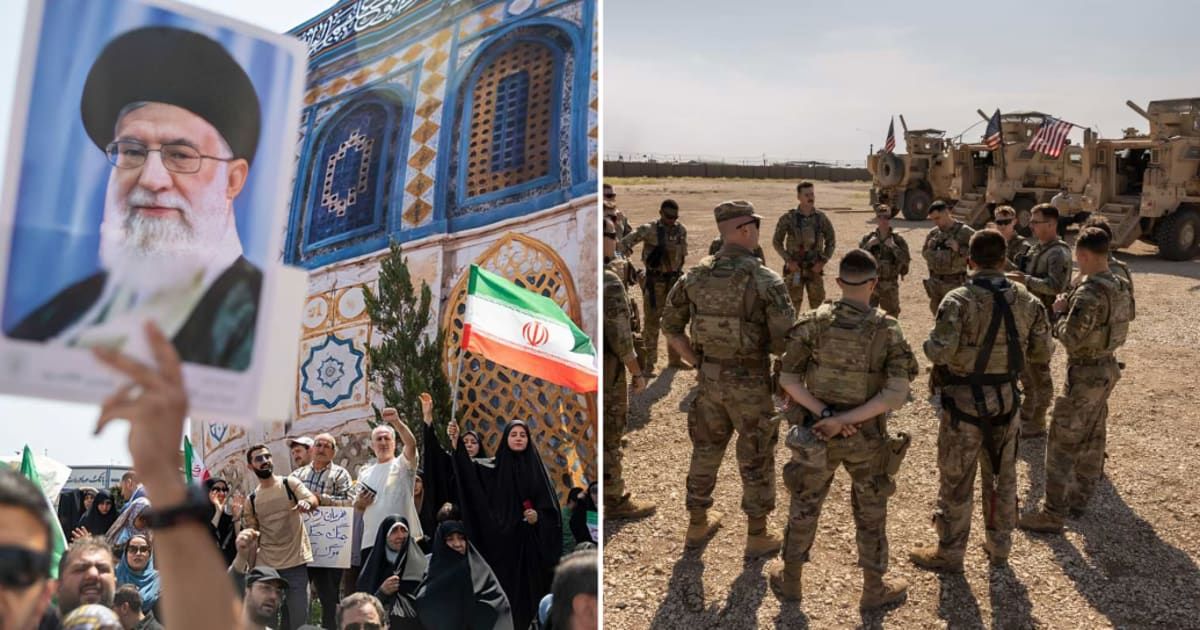
WASHINGTON: The United States began repositioning some personnel from military facilities across the Middle East, a US official confirmed to Reuters on Wednesday, January 14, as regional tensions spiked following direct warnings from Tehran.
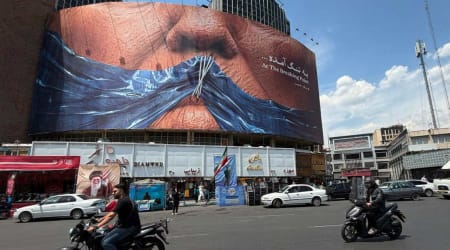
A senior Iranian official cautioned that American bases in neighboring countries could be struck if Washington launched military action against Iran.
The adjustment came amid sweeping unrest inside Iran and mounting signals that the Trump administration was weighing force.
Multiple Western military officials indicated that a US strike could come with little notice, as President Donald Trump continued to warn of intervention in response to the crackdown on protesters.
US pulling personnel from key bases
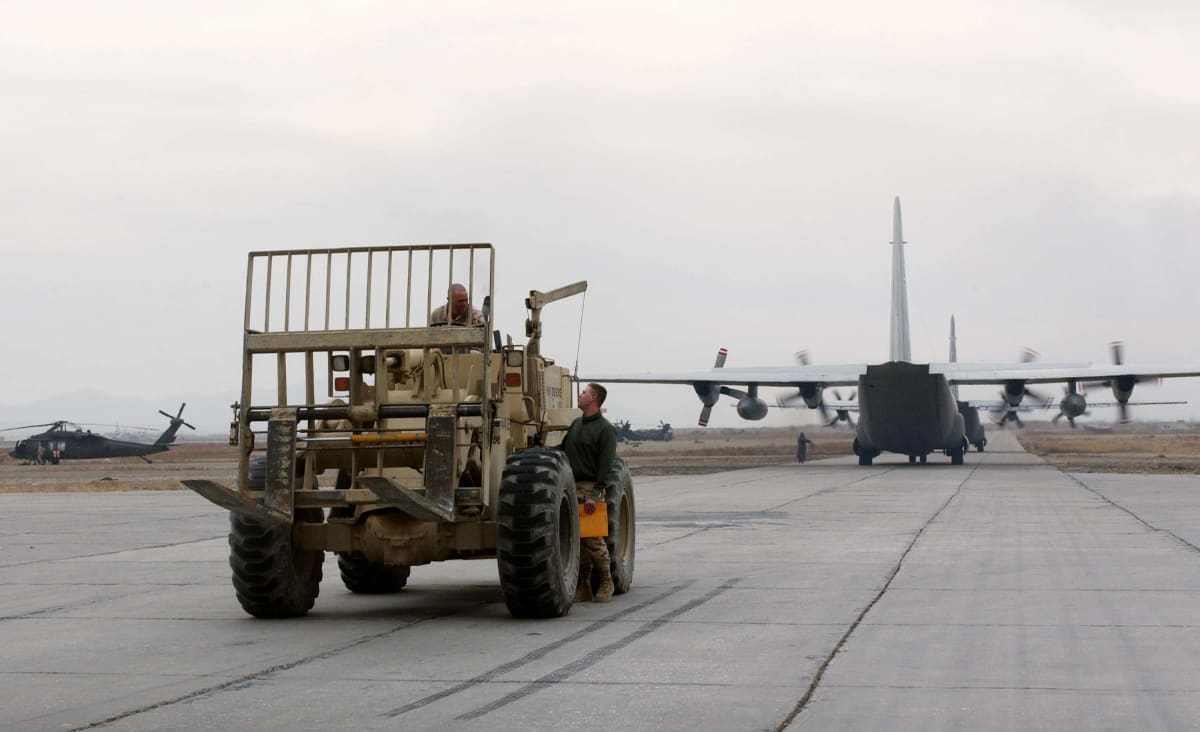
A US official, speaking on the condition of anonymity, said personnel were being pulled from select installations as a precautionary step tied to the deteriorating security environment.
Qatar confirmed that drawdowns at Al Udeid Air Base, the largest US facility in the region, were “being undertaken in response to the current regional tensions.”
British officials also confirmed that the United Kingdom was withdrawing some personnel from a base in Qatar.
Three diplomats said limited staff had been instructed to depart, though there were no indications of a large-scale evacuation comparable to the one ordered ahead of Iran’s missile strike last year.
Defense officials emphasized that the moves were defensive in nature and designed to reduce exposure as threats escalate.
Trump threatens 'very strong action'
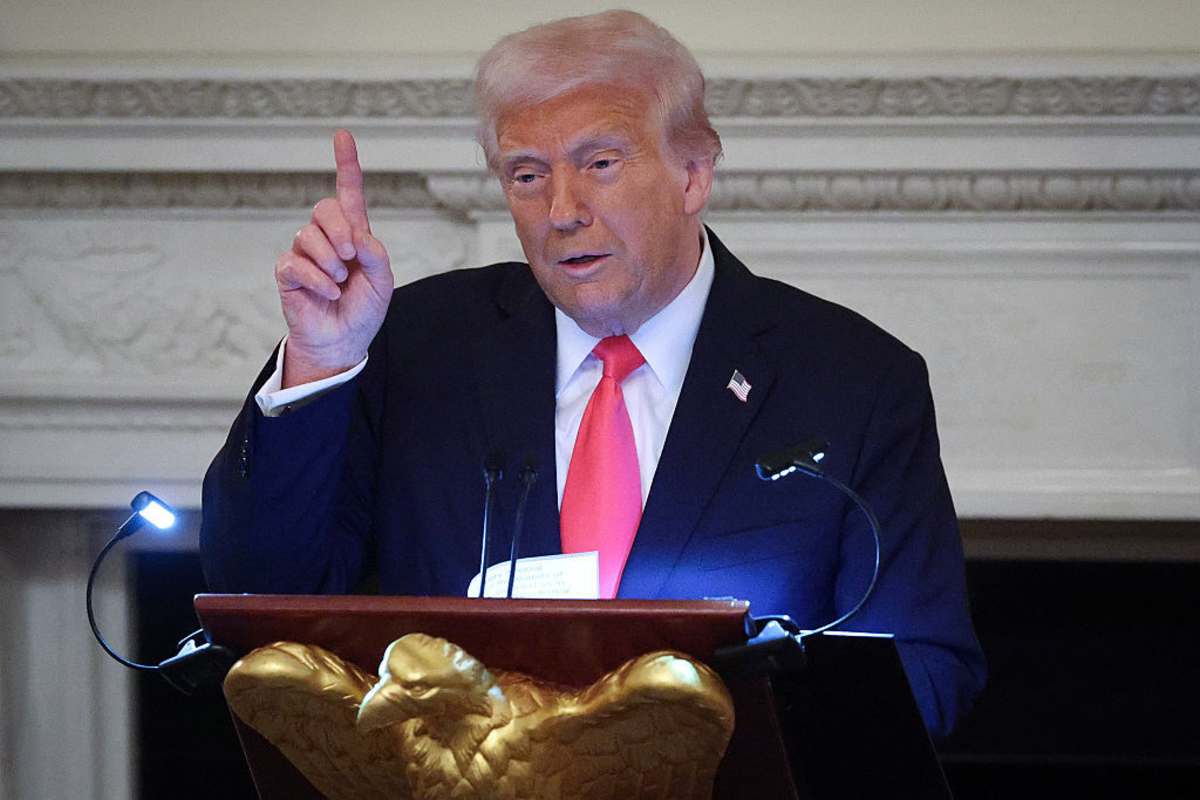
President Trump sharpened his public posture in recent days.
In a CBS News interview on Tuesday, he warned Iran that the United States would take “very strong action” if executions of protesters continue, telling Iranians that “help is on the way.”
Western officials said that the administration’s messaging appeared deliberate. “All the signals are that a US attack is imminent,” one Western military official told Reuters. “Unpredictability is part of the strategy.”
Israeli sources also suggested that Trump had made a decision in principle to intervene, though they cautioned that the scale and timing remained uncertain.
Tehran warns regional neighbors of strikes
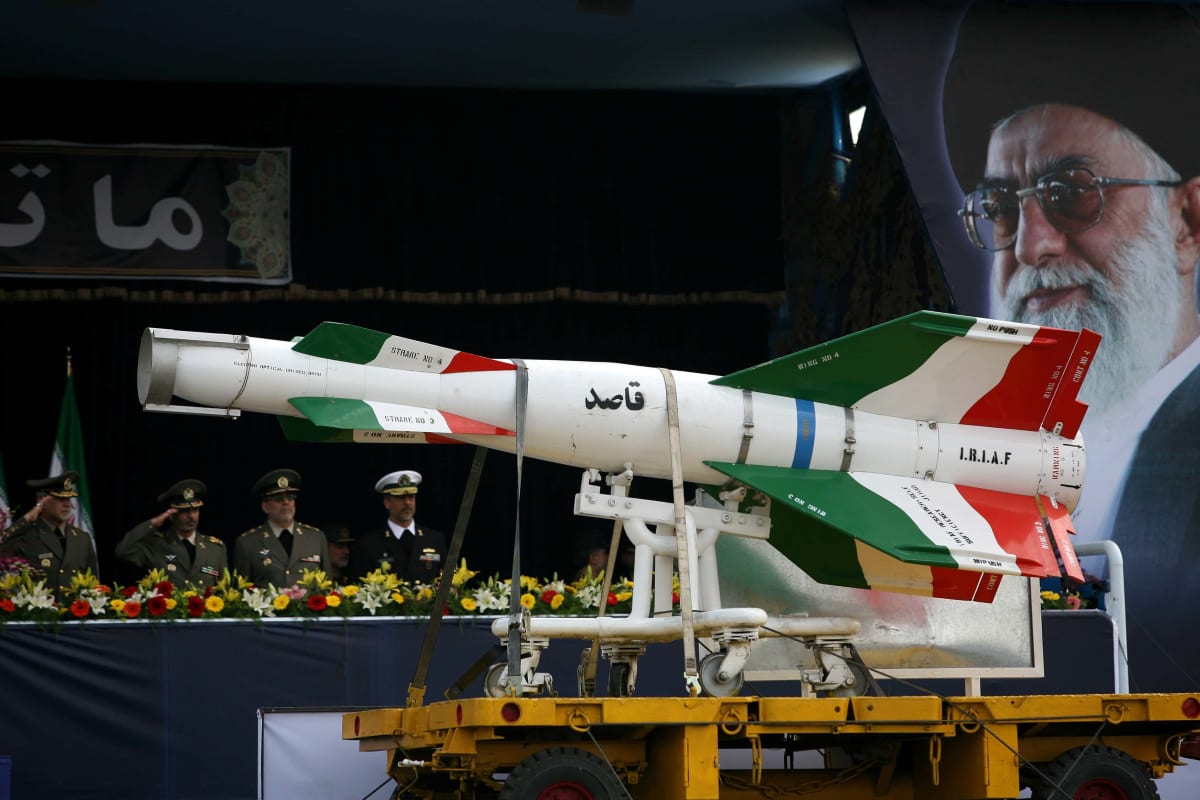
Iran responded with explicit threats aimed at US partners.
A senior Iranian official said that Tehran had informed Saudi Arabia, the United Arab Emirates, Turkey, and others that US bases in those countries would be attacked if Washington struck Iran.
Diplomatic engagement have also stalled. Contacts between Iranian Foreign Minister Abbas Araghchi and US Special Envoy Steve Witkoff have been suspended.
Iranian leaders accused the United States and Israel of orchestrating unrest, characterizing the protests as domestic extremism directed from abroad.
Regional governments increased security around American installations while urging restraint through private channels.
Unrest reportedly dwarfs previous protest waves
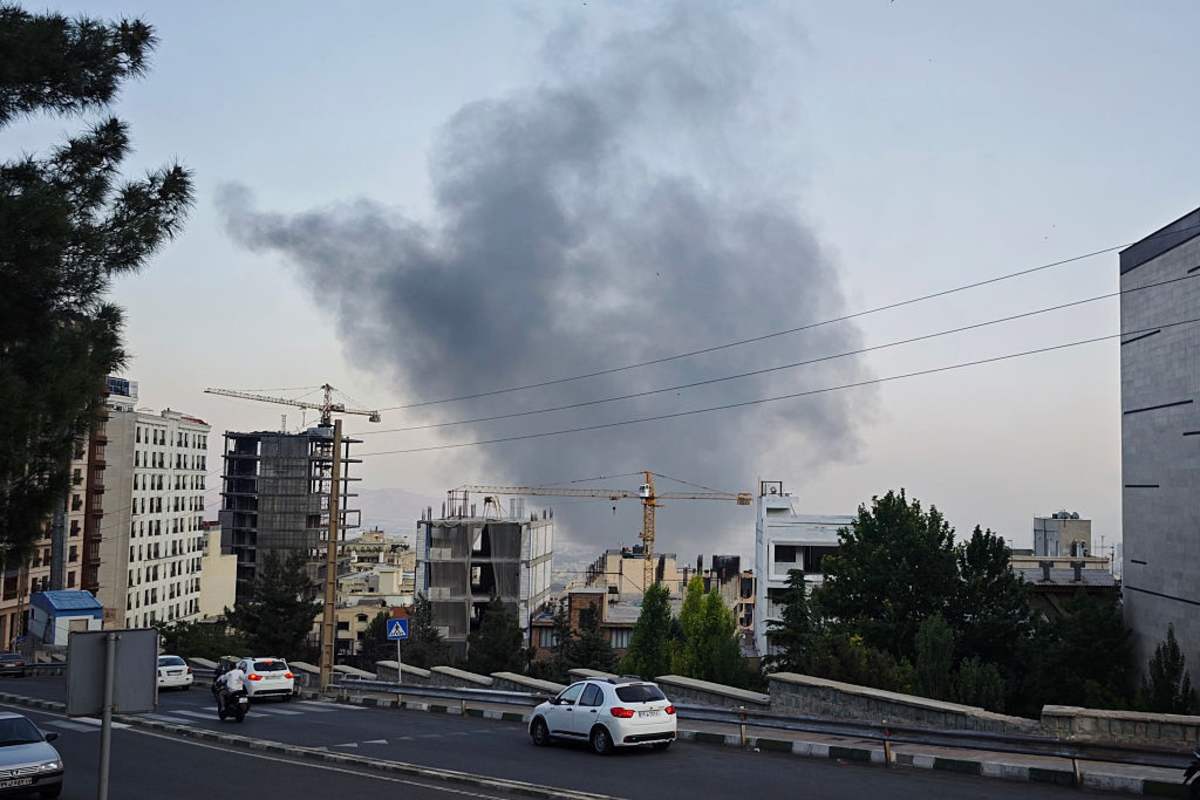
Inside Iran, the scale of the upheaval is reportedly unprecedented. An Iranian official claimed that more than 2,000 people had been killed. The rights group HRANA reported 2,403 protesters and 147 government-affiliated individuals dead.
Armed Forces Chief of Staff Abdolrahim Mousavi acknowledged that Iran had “never faced this volume of destruction.”
While Western officials claim the government did not appear on the brink of collapse, the scope of the violence stunned authorities. France described the crackdown as the “most violent repression in Iran’s contemporary history.”