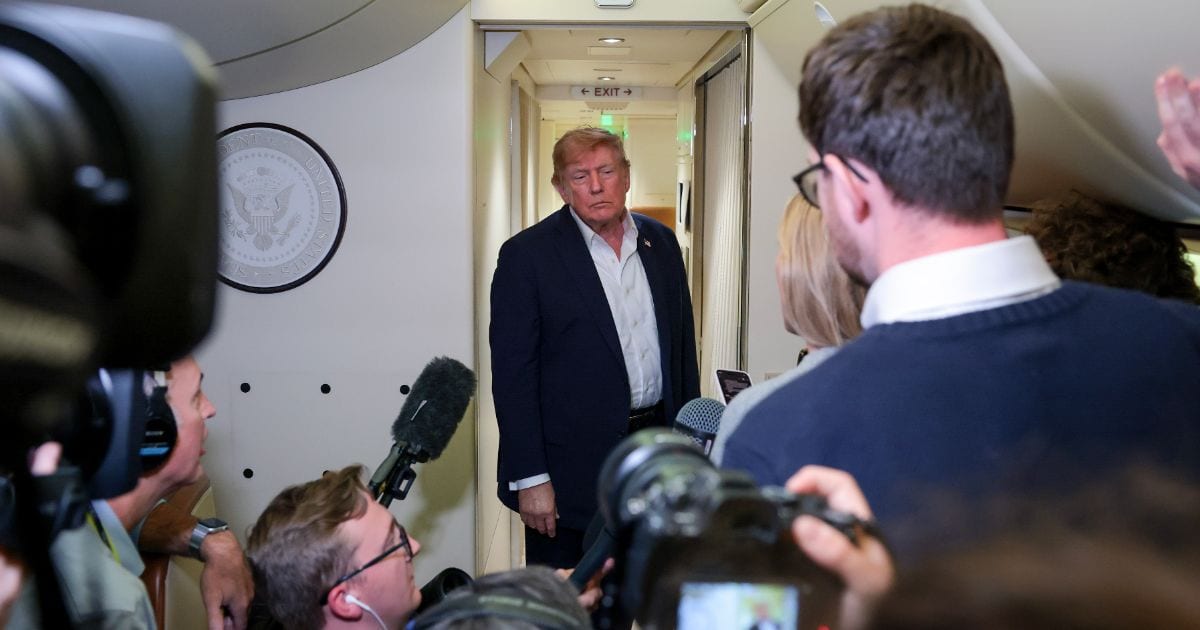
US to provide insurance guarantees for Gulf shipping under Trump order
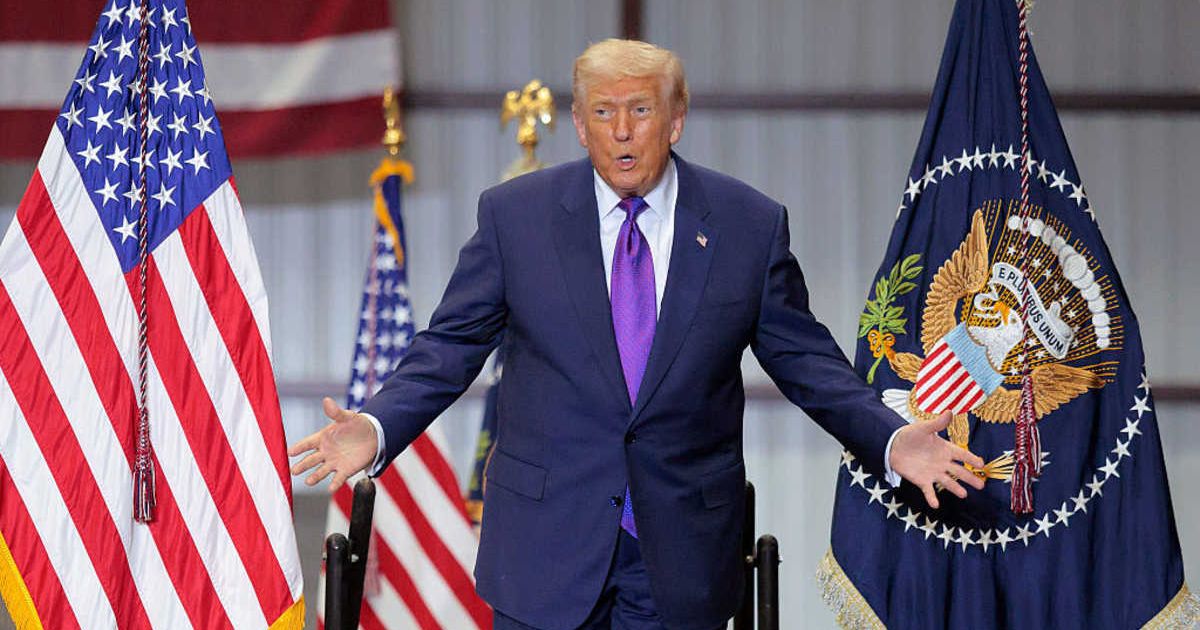
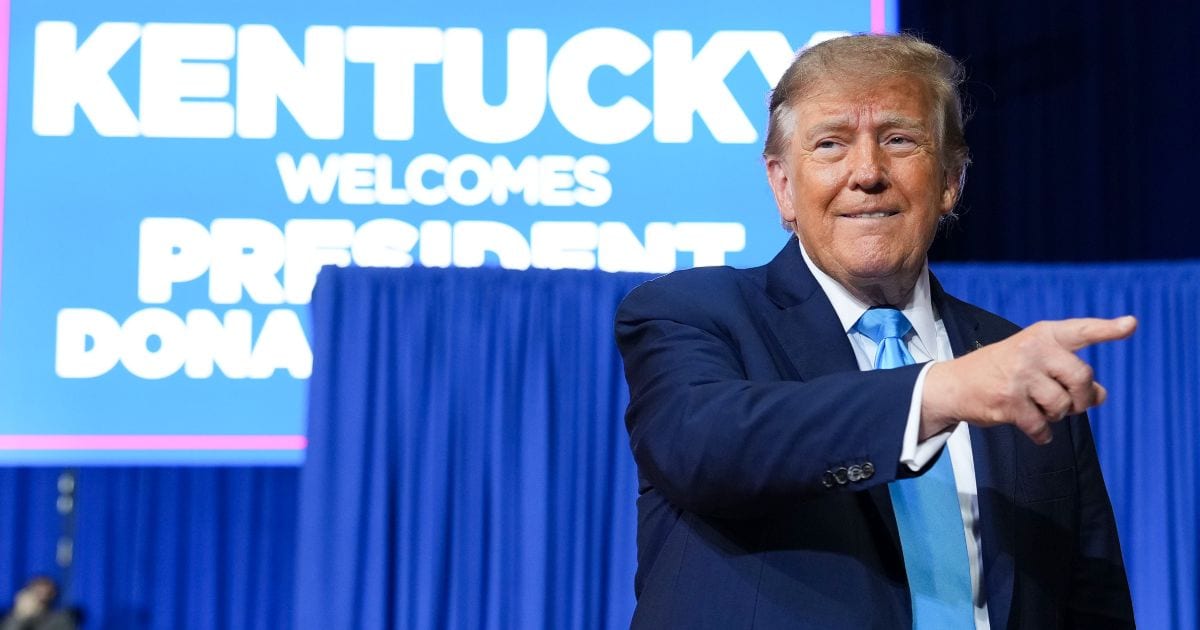
WASHINGTON, DC: President Donald Trump announced on Tuesday, March 3, that he has directed the United States Development Finance Corporation (DFC) to provide immediate "political risk insurance and guarantees" for maritime trade traveling through the Gulf.
The directive follows reports that several major maritime insurers have terminated coverage for war-related damage in the region, effectively shutting down the Strait of Hormuz.
The President asserted that this federal intervention is designed to protect the financial security of shipping lines, specifically those transporting energy.
"No matter what, the United States will ensure the FREE FLOW of ENERGY to the WORLD," Trump posted on Truth Social.
DFC provides insurance for maritime trade
The President's order for the DFC to offer insurance at a "very reasonable price" is intended to cover vessels that have lost private insurance.
Analysts say that while Iran may struggle to physically close the strait, the withdrawal of insurance companies and vessel operators can achieve the same result. Without such insurance, operators would bear the full cost of oil lost in a potential attack.
Trump’s program aims to restore the transit of oil and chemical tankers, which have plummeted following Iranian threats to attack vessels in the area.
On Monday, only two tankers successfully transited the strait, a sharp decline from the typical daily average of 60 vessels. This waterway is responsible for approximately 20% of the world’s daily oil flows.
Navy may escort tankers through Strait
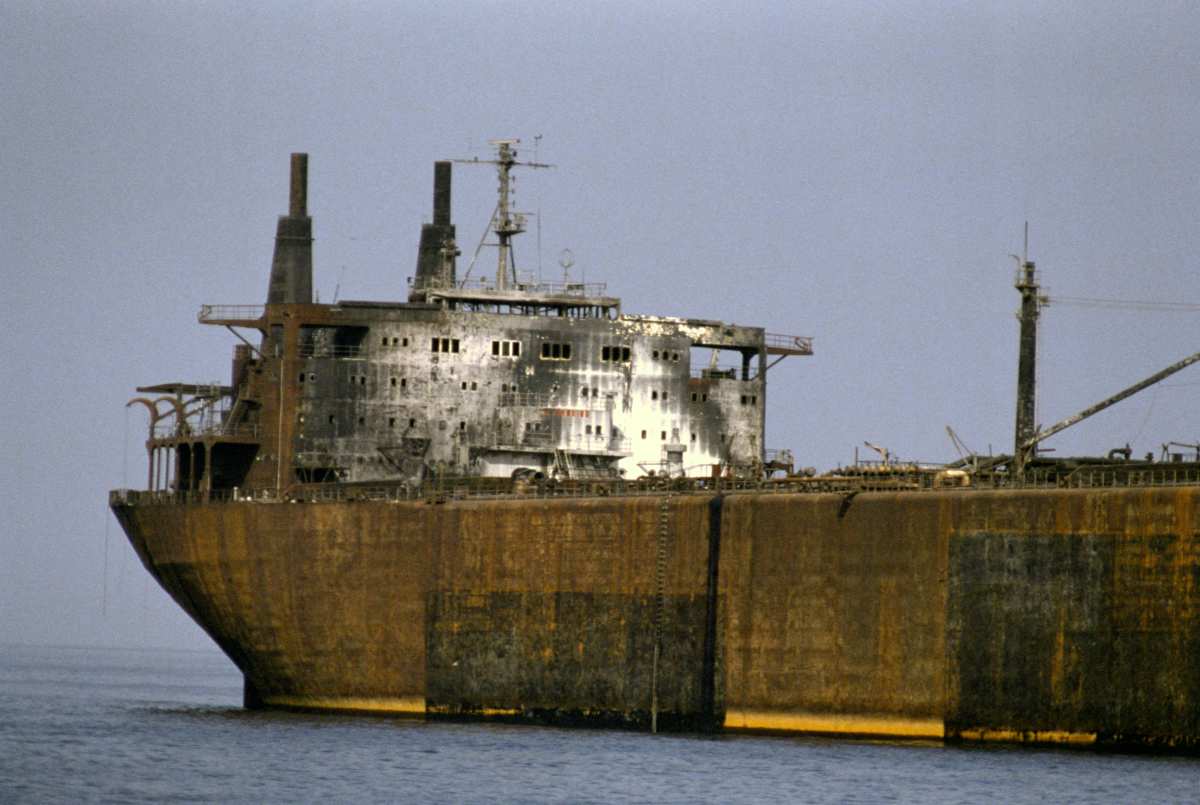
Beyond financial guarantees, Trump suggested that the United States Navy could begin escorting tankers through the Strait of Hormuz "as soon as possible."
This military support would be deployed "if necessary" to counter the threat of Iranian attacks. Trump highlighted that the nation’s combined economic and military strength is currently the "GREATEST ON EARTH."
The potential for naval escorts comes as the State Department has warned Americans across the Middle East to leave the region as the conflict enters its fourth day.
With embassies closing in Saudi Arabia and Kuwait, the administration is prioritizing the security of critical shipping lanes to prevent a global energy crisis.
Securing 20% of global oil flows
The Strait of Hormuz remains the world's most vital energy chokepoint, with approximately 20% of global oil flows passing through its narrow waters daily.
Typically, 60 vessels transit the strait each day, but recent threats from Iran have caused a dramatic collapse in activity.
President Trump’s intervention aims to break this deadlock, noting that while Iran may lack the power to physically shut the strait, the withdrawal of private insurance coverage achieved a similar effect.
By ensuring the financial security of maritime trade, the administration intends to restore the transit of energy resources that are essential for global economic stability.