Inflation nears three-year high as Iran war sparks energy shock across US economy

WASHINGTON, DC: Rising fuel costs triggered by escalating tensions in Iran push inflation to 3.8% in April, outpacing wage growth and deepening affordability concerns for American households.
Inflation in the United States accelerated sharply in April, climbing to 3.8%, its highest level in nearly three years, as the economic fallout from the war involving Iran sent energy prices soaring and intensified financial pressure on consumers across the country.
Fresh data released on Tuesday by the Bureau of Labor Statistics (BLS) showed that the surge in fuel and transportation costs reverberated throughout the broader economy, raising prices for everything from airline tickets and takeout meals to clothing and shipping services.
The latest inflation spike marks a significant setback for policymakers who had hoped price pressures were gradually easing after months of cooling consumer demand and slower economic growth.
On a monthly basis, consumer prices rose 0.6% in April, matching economists’ expectations. However, underlying inflationary pressures remained stubbornly strong, with core inflation, which strips out volatile food and energy prices, increasing 0.4% during the month, slightly above forecasts.
Economists warned that the full impact of the energy shock may not yet be visible, suggesting consumers could face additional price increases in the months ahead.
Wage growth falls behind inflation
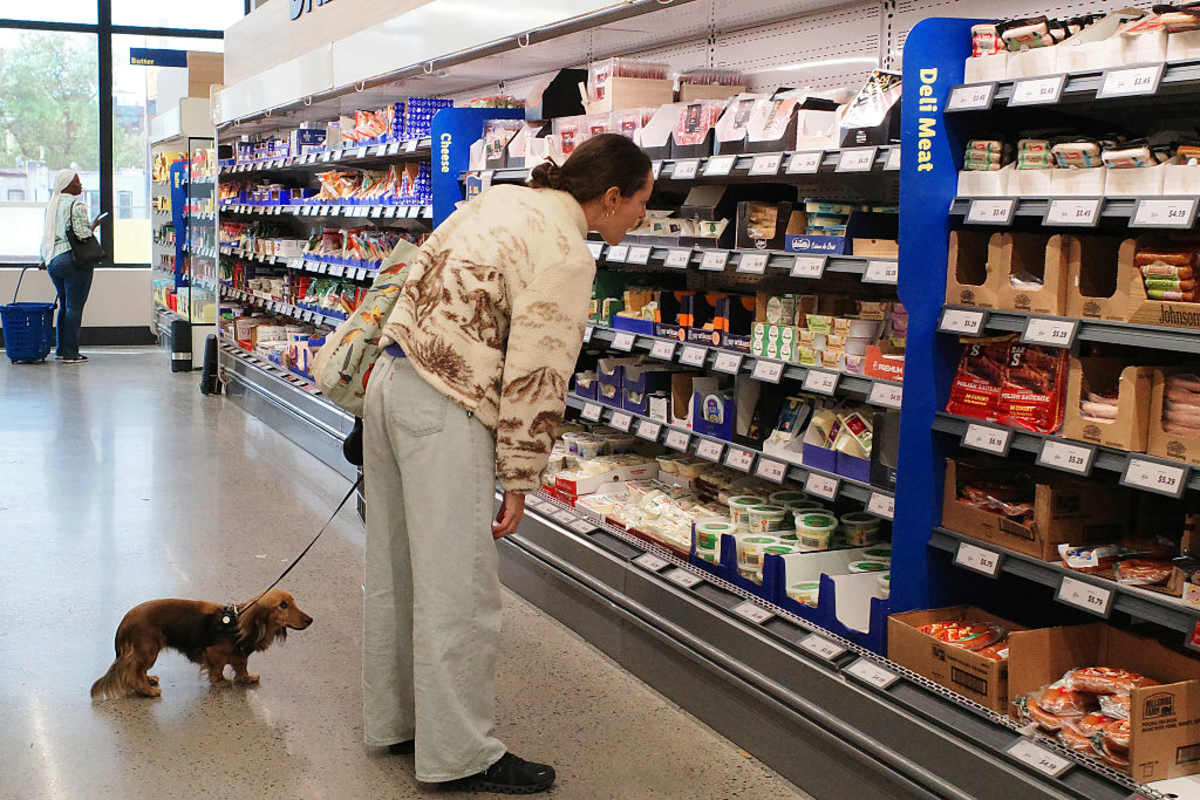
One of the most concerning aspects of the latest inflation report is that wages are no longer keeping pace with rising prices, threatening to worsen the affordability crisis already burdening millions of Americans.
Average wage growth slowed to 3.6% in April, according to the latest jobs report released last week, down from nearly 4% growth recorded in November.
With inflation now running at 3.8%, real wages are effectively shrinking, meaning workers are losing purchasing power despite continued employment gains.
The reversal is particularly significant because wage growth had previously helped households withstand higher prices over the past two years. Now, economists fear consumers may begin cutting spending more aggressively as everyday necessities become increasingly expensive.
Higher borrowing costs, elevated rents, food prices and transportation expenses had already strained household budgets before the latest jump in energy prices linked to the Middle East conflict.
Oil and gas prices surge amid Iran conflict
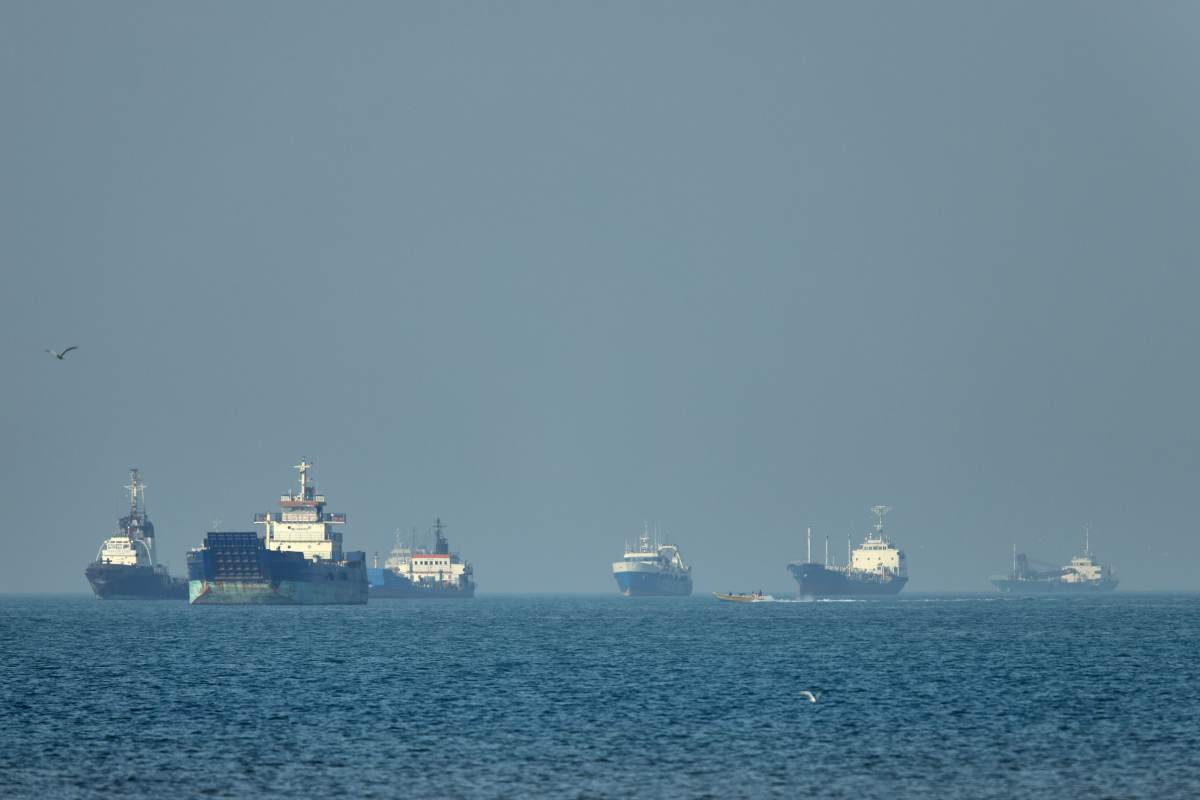
The sharp escalation in inflation comes as global energy markets remain rattled by instability surrounding Iran and the Strait of Hormuz, a critical shipping route for global oil supplies.
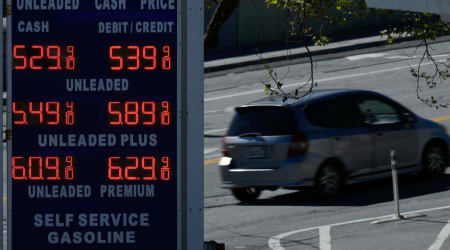
As of Tuesday morning, oil prices had surged more than 70% since the beginning of the year, while the national average price for a gallon of gasoline climbed to $4.50.
According to the Bureau of Labor Statistics, the energy index rose 3.8% in April alone and accounted for more than 40% of the total monthly increase in consumer prices. “The index for energy rose 3.8 percent in April, accounting for over forty percent of the monthly all items increase,” the BLS said in its monthly statement.
Analysts said geopolitical tensions have significantly tightened global fuel markets, driving up costs for transportation companies, airlines and manufacturers.
Despite the sharp increases already recorded, economists believe additional inflationary pressure from energy markets could still emerge later this year.
“Energy costs likely would not start to feed through to core goods prices for at least a few more months,” Citigroup analysts wrote in a note to clients on Monday.

Airlines, shipping and retail feel the pressure
The jump in fuel prices is rapidly affecting industries heavily dependent on transportation and logistics.
Airfares surged 20% compared with a year earlier as airlines grappled with dramatically higher jet fuel costs.
According to data from Argus, jet fuel prices have risen roughly 60% since the Iran conflict began.
Major US carriers including Delta Air Lines, United Airlines and Southwest Airlines have already increased baggage fees and other travel-related charges in an attempt to offset rising operating costs.
Several international airlines have also implemented fuel surcharges on ticket prices, raising concerns that summer travel could become significantly more expensive for consumers.
Shipping and delivery services are facing similar pressures. The United States Postal Service introduced what it described as a “limited time price change” in April to compensate for escalating fuel expenses.
Retailers and manufacturers are also beginning to confront higher transportation and supply chain costs, potentially setting the stage for broader price increases later in the year.

Food, services and consumer costs continue rising
The inflation report showed price increases spreading well beyond fuel-related categories.
Prices for “food away from home,” a category that includes restaurants and takeout meals, rose 0.7% in April, reflecting higher labor and transportation expenses across the hospitality sector.
Service-sector inflation also remained elevated. The broader services category, including transportation and travel-related services, increased 0.5% from the previous month.
Meanwhile, apparel prices climbed as retailers absorbed higher shipping and production costs tied to rising energy prices.
Economists warned that sustained increases in service-sector inflation could complicate efforts by policymakers to bring overall inflation back under control.
Despite the broad-based rise in prices, the report contained a few areas of relief for consumers.
Prices for new vehicles declined slightly in April, while used vehicle prices remained flat after years of sharp volatility in the auto market. Medical care costs, health insurance prices and communications services also registered modest declines during the month.