Trump reveals unlikely weapon against Iran's Hormuz chokehold: US pipelines
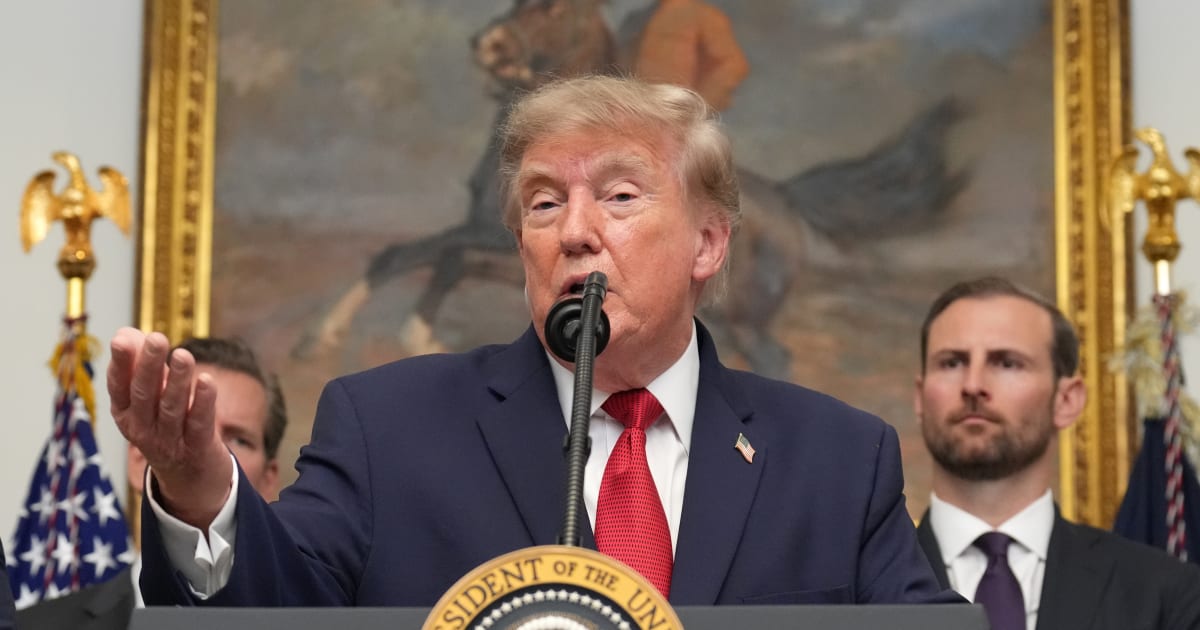
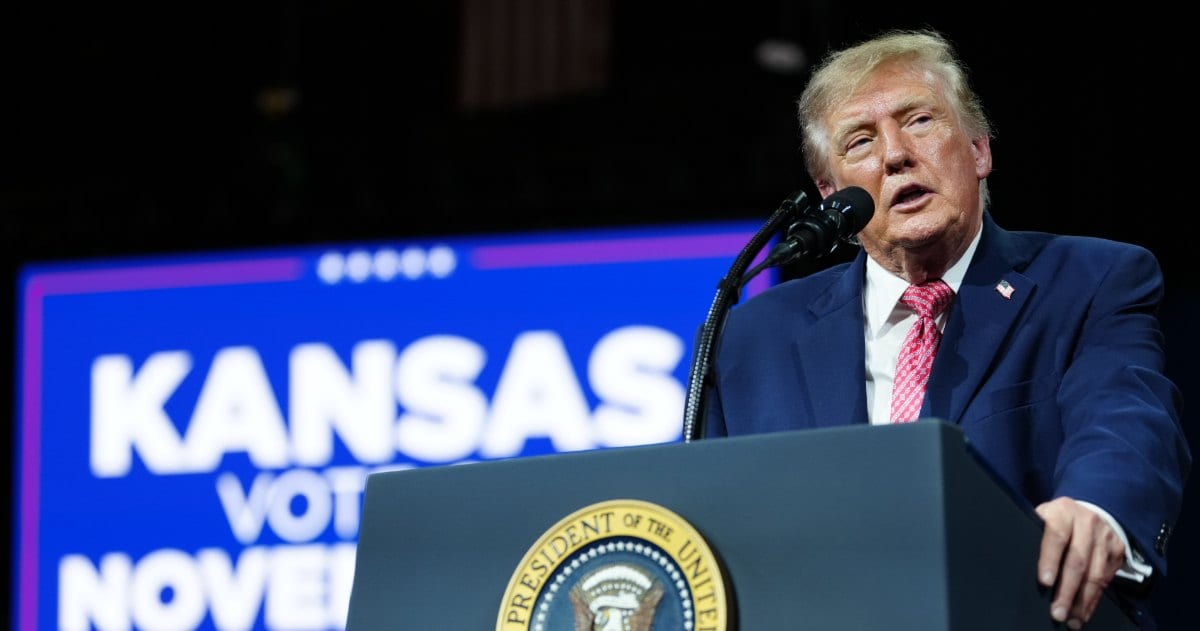
WASHINGTON, DC: President Donald Trump says the Strait of Hormuz is becoming less important to the global energy market as American oil production and new pipelines help offset disruptions caused by the Iran conflict.
His comments came as a previously unreported US military operation was revealed to be moving millions of barrels of oil through the strategic waterway.
Trump on Iran:
— Adam Scott (@chefcascottccc) August 19, 2026
A lot of pipelines are being built. I think the Hormuz Strait is not going to be quite as important as it was in the past. https://t.co/UKa228zX2V pic.twitter.com/rE4V5pU4nG
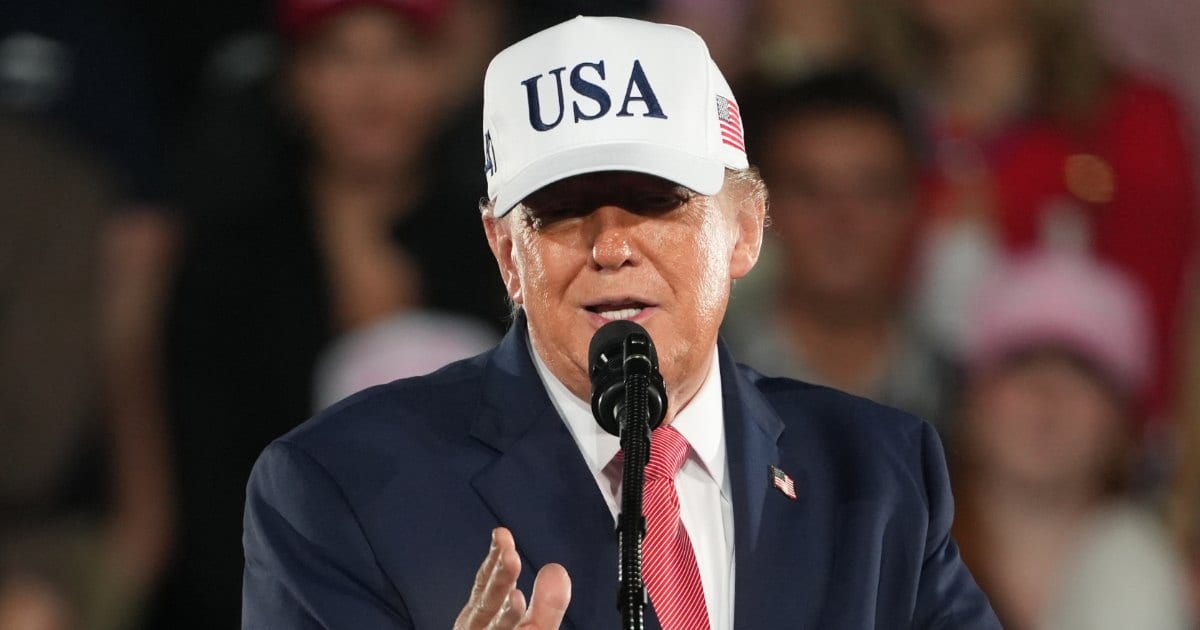
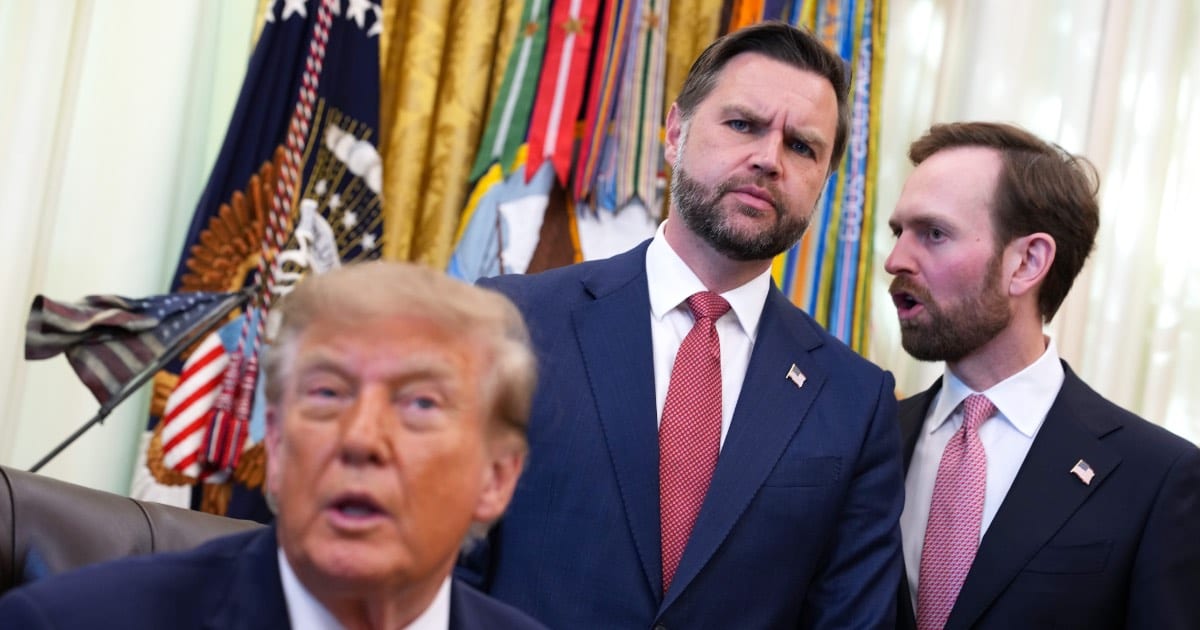
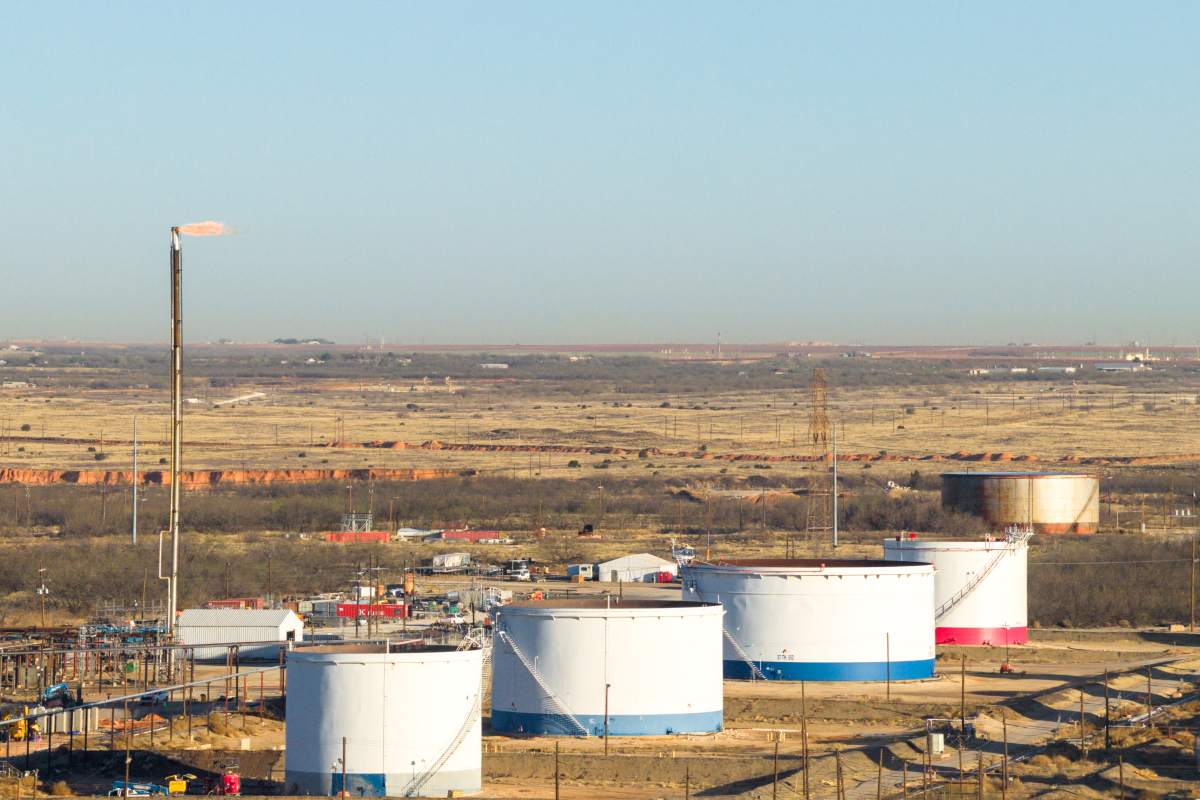
“We are getting a lot of oil out,” Trump said while meeting crypto leaders at the White House. He pointed to Texas, Alaska, and Louisiana production, along with what he described as record numbers of pipelines being built.
“So I think the Hormuz rate's not going to be quite as important as it was in the past,” Trump said.
Secret corridor keeps tankers moving
According to US officials, the military has quietly established a shipping corridor through the southern channel of the Strait of Hormuz.
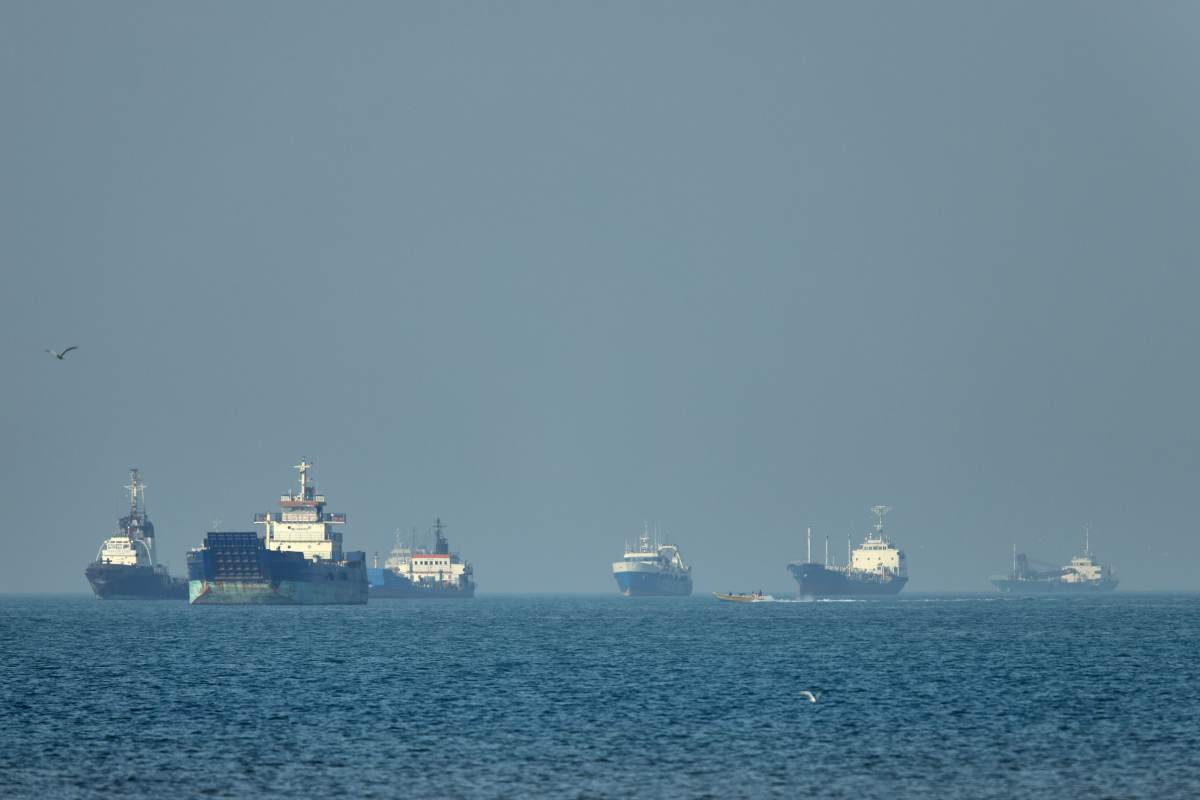
The operation has reportedly allowed 15 to 20 tankers to enter and leave the Strait each night. About 10 million barrels of oil a day, roughly half the pre-war volume, are now reaching the global market through the route.
The operation involves more than escorting loaded tankers. Empty vessels are also being guided into the Gulf from the Arabian Sea, where they collect oil before returning through the Strait.
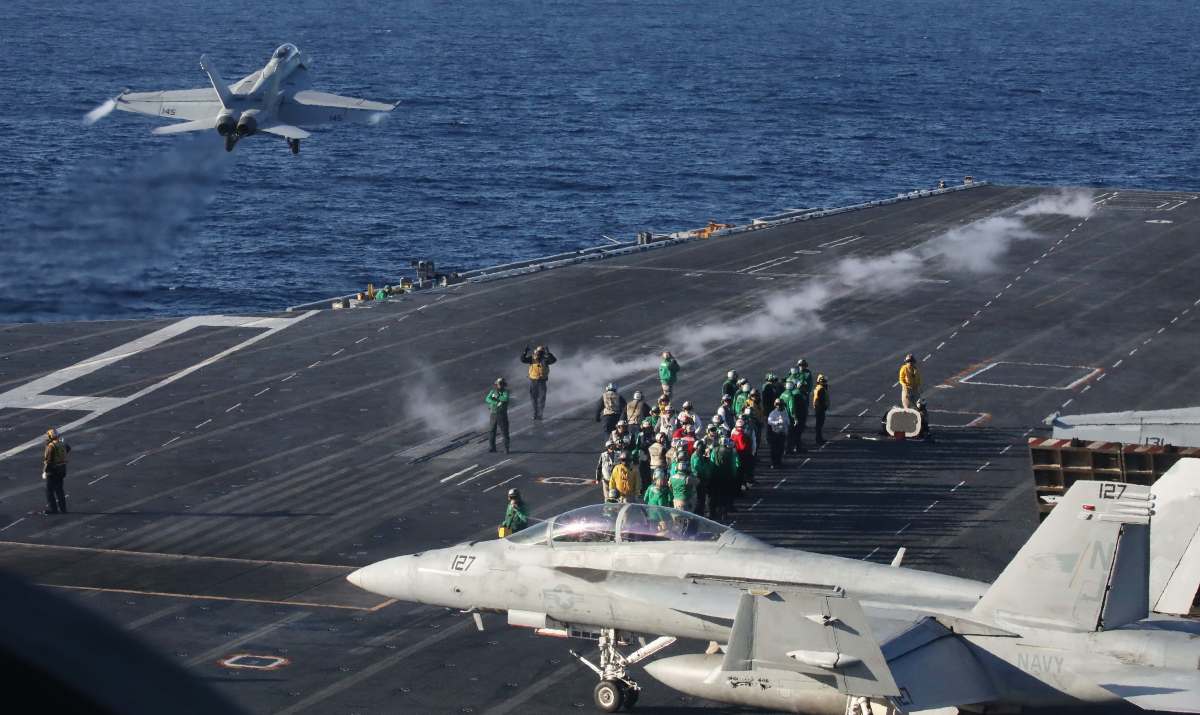
US forces reportedly organize the ships into scheduled movements and provide guidance for their passage through the southern channel. American fighter jets are also being used to protect the corridor from Iranian missiles and drones.
Iran’s grip faces US challenge
The operation was reportedly made possible after a US military campaign damaged Iranian radar and maritime surveillance systems, reducing Tehran’s ability to monitor shipping through the southern channel.
US officials said Iranian monitoring now relies on a limited number of restored radar systems and small IRGC boats.
The figures represent a significant recovery from the severe disruption caused by the conflict, although oil flows remain below pre-war levels.
On some recent nights, officials said as many as 15 million barrels moved through the corridor.
Trump has repeatedly claimed that the United States now has “total control” of Hormuz, while Iran has rejected the assertion.
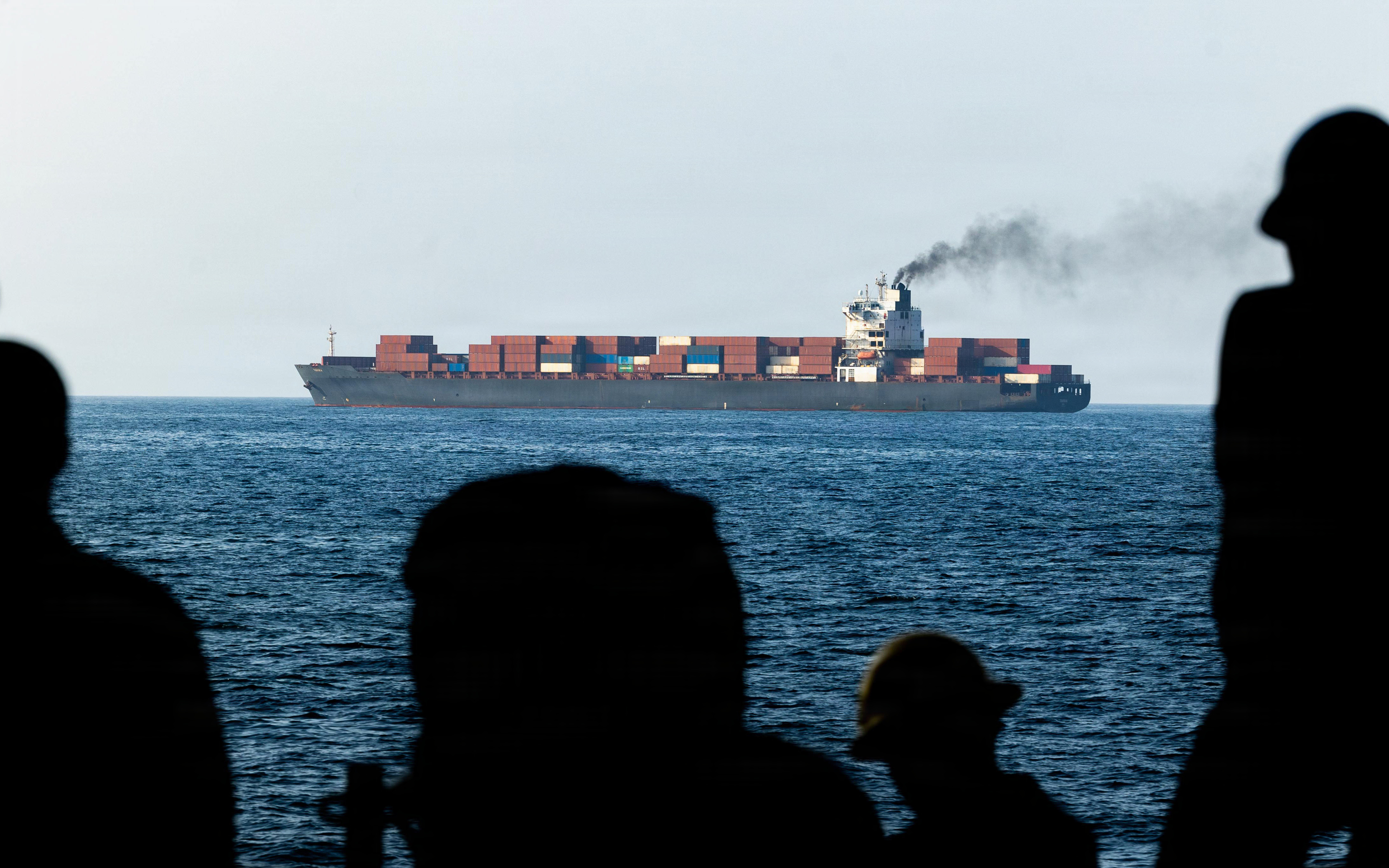
Shipping traffic had fallen sharply during the conflict, with only eight vessels recorded crossing on one recent day compared with roughly 130 a day before the war.
Trump sees energy alternatives growing
Trump said the disruption has forced countries and producers to look for alternatives they previously had not considered.
He argued that this domestic production and expanding pipeline infrastructure are reducing the economic leverage once associated with Hormuz.
The development comes as Washington and Tehran remain locked in a broader standoff over the Strait.
Trump has said the US blockade remains in place and has previously floated declaring Hormuz US territory, while Iran continues to reject Washington's claims of control.