Explained: The new rules Trump wants for counting America
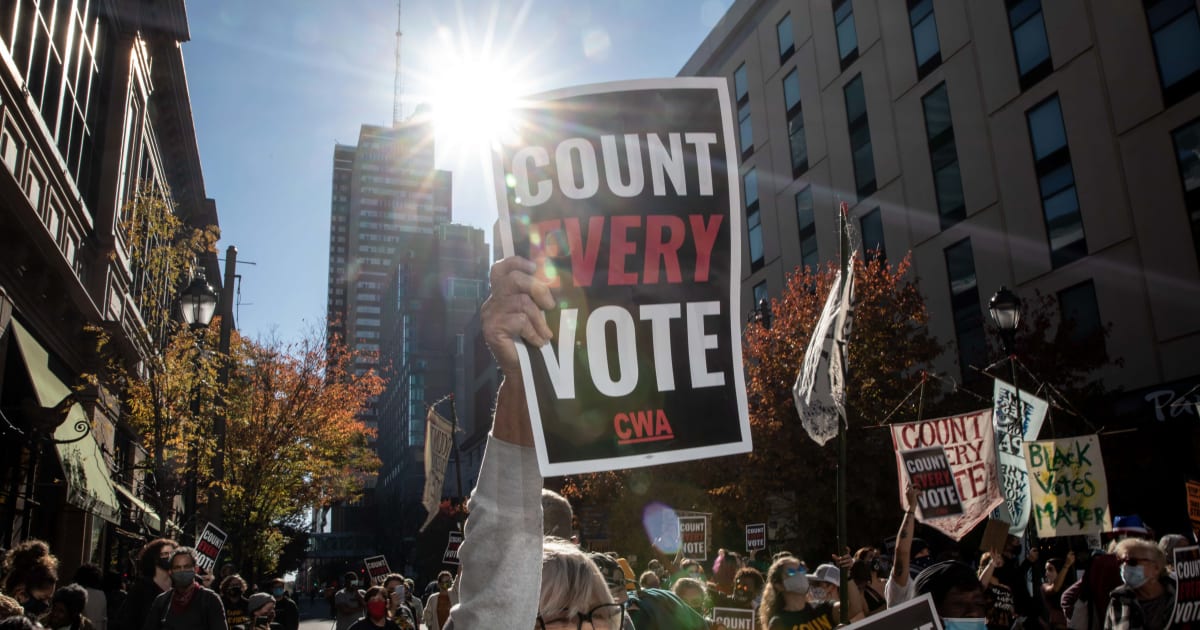
WASHINGTON, DC: President Donald Trump's administration has proposed major changes to the 2030 Census that could alter one of the most basic questions the government asks: Who counts as part of America's population?
The Census Bureau's proposed rule would narrow the definition of who qualifies as a person's “usual residence” for congressional apportionment.
It would also remove race and ethnicity questions from the census questionnaire.
The changes remain proposals and are subject to public comment and further review before they can take effect.
Here is what the proposed changes could mean for Americans.
Who would count under new rules
For decades, the Census Bureau has generally counted people based on where they live and sleep most of the time.
The Census Bureau calls this a person's “usual residence,” and the standard has been used since the country's earliest censuses.

The Trump administration now proposes changing that approach for congressional representation.
According to the proposed rule, undocumented immigrants would no longer be included in the population totals used to divide House seats among states.
The proposal could also exclude some people legally living in the United States who do not have lawful permanent resident status.
The government is still considering how to determine which immigration categories would qualify.
The Census Bureau says it could use administrative records from agencies including the Departments of Homeland Security, Treasury, and State to help make those determinations.
That means the 2030 count could look different from previous censuses not simply because of population changes, but because the government would apply a new definition when deciding who belongs in the apportionment total.
House seats could shift between states
The Census is not just a national headcount.
Every 10 years, its population totals are used to divide the 435 seats in the House of Representatives among the states.
States with faster population growth can gain seats, while others can lose them.
For generations, those calculations have generally included everyone living in a state, regardless of citizenship or immigration status.
Trump's proposed rule would change that approach by excluding certain residents from the numbers used for apportionment.
The proposal could therefore affect which states gain or lose congressional representation after 2030.
States with large immigrant populations could see the biggest changes if the rule is implemented.
The issue is also likely to face legal challenges.
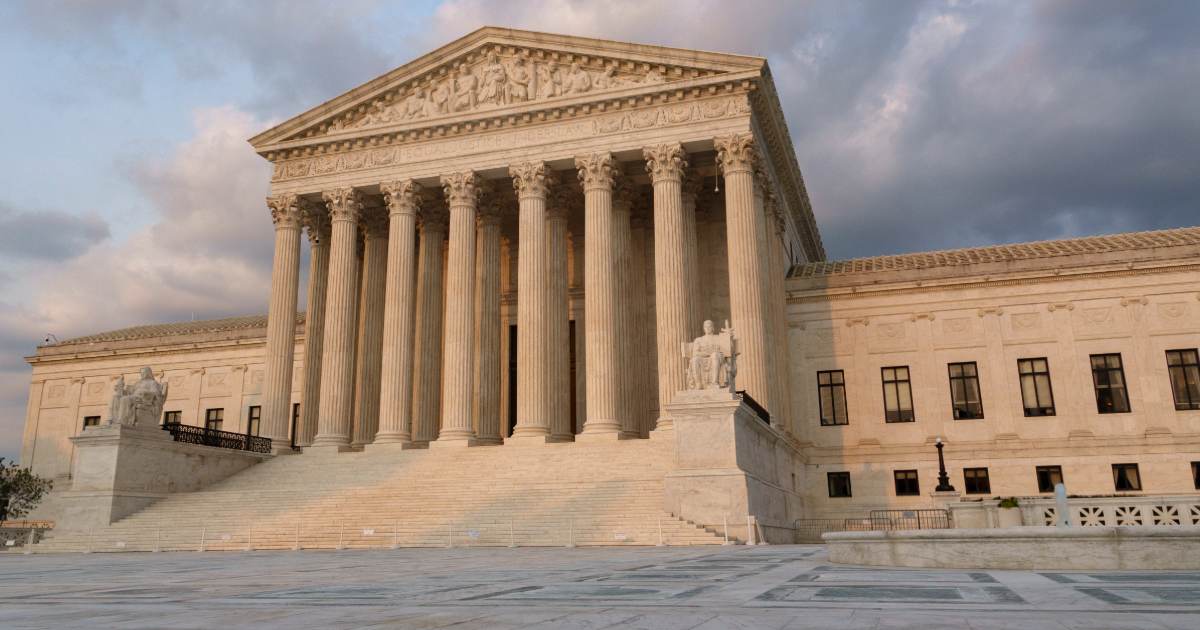
The 14th Amendment refers to counting the “whole number of persons in each State,” while previous Trump administration efforts to exclude undocumented immigrants from congressional apportionment were challenged in court.
Political maps could change too
Census numbers do more than determine House seats.
States and local governments use population data to redraw congressional, state legislative, and local political districts.
This process, known as redistricting, determines which communities are grouped together when Americans vote for their representatives.
If the underlying population count changes, the political maps drawn from that information could also change.
Race and ethnicity data have also been used in redistricting and civil rights enforcement.
The Trump administration's proposal would prohibit race and ethnicity questions on the census form, although the Census Bureau says it could continue obtaining demographic information through other administrative records and surveys.
The decennial census has historically collected information about race and ethnicity, making the proposed change significant for the government's demographic data collection.
Federal dollars could be affected
Census data also helps guide the distribution of federal money to states and communities.
Population figures are used in decisions involving programs and services that support schools, roads, healthcare, housing, and other local needs.

A lower official population count could affect how some federal resources are distributed, particularly if millions of residents are excluded from totals used by government agencies.
Reports suggest that the proposal could significantly affect federal funding allocations and political representation.
The Census Bureau's numbers are also used by businesses, researchers, and local governments when planning services and investments.
For that reason, the census affects communities even when residents never directly see the data being used.
What happens before 2030 arrives
The proposal is not yet the final rule for the 2030 Census.
The Census Bureau is accepting public comments as part of the federal rulemaking process, and the proposal could be changed before any final decision is made.
Census planning is already underway years before Americans are expected to complete their 2030 questionnaires.
For ordinary Americans, the proposal matters because the census helps determine how their communities are represented, how political districts are drawn and how population-based federal resources are allocated.