Iran significantly loses control of Hormuz as 80% of ships bypass waterway after Trump’s claims
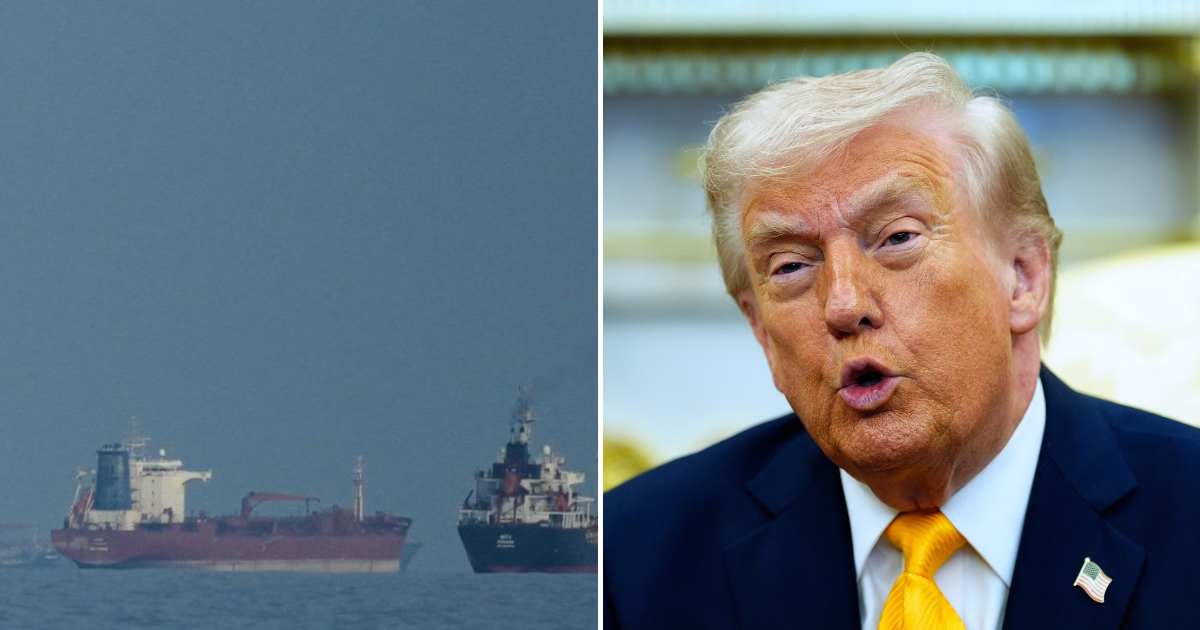
TEHRAN, IRAN: The Strait of Hormuz remains a central point of contention in the war between the United States and Iran, with both sides repeatedly claiming control over the strategic waterway.
However, Iran appears to be losing significant control over traffic through the chokepoint, with more than 80% of vessels transiting the waterway over the past two weeks opting for a route along the Omani side, according to a report by CNN.
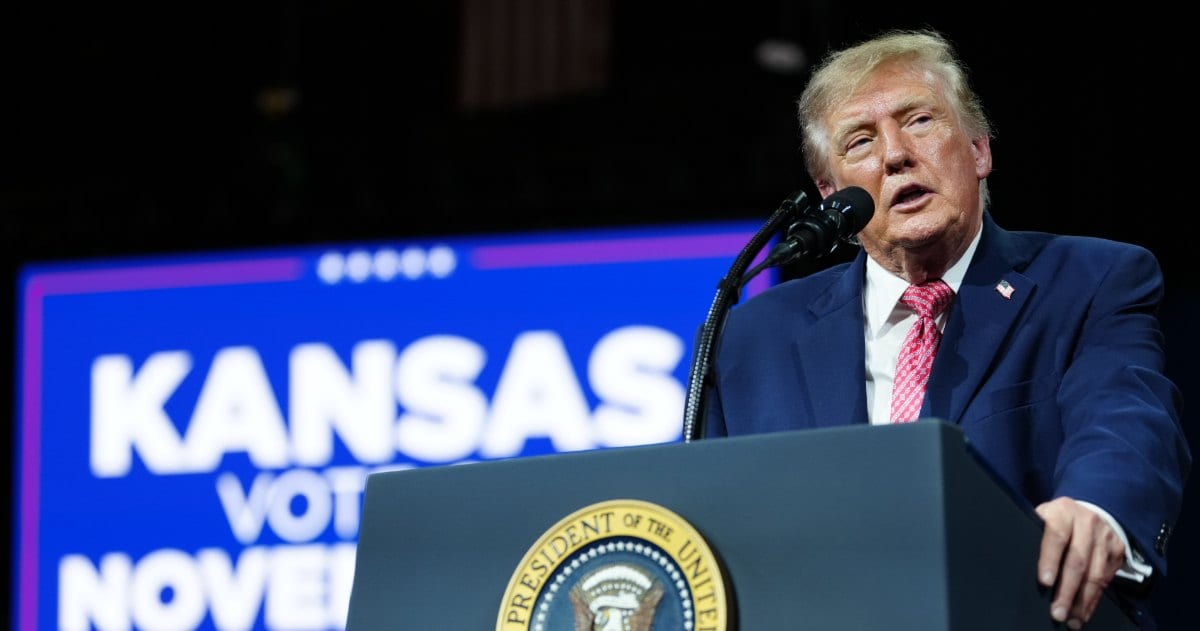
The shift marks a significant change in traffic patterns as Tehran continues to assert control over the strait, while President Donald Trump has claimed that the US will become the "guardian" of the waterway.
Ships increasingly bypass Iran in Strait of Hormuz
The recent change marks a significant shift in shipping patterns through the Strait of Hormuz.
According to Kpler, the Omani route saw virtually no traffic a month ago but has since become the route used by the majority of vessels crossing the waterway.
The route is authorized by the United Nations but has been strongly opposed by Iran.
Tehran has claimed authority over navigation through the strait and has attacked ships attempting to use the Omani side.
Despite those risks, commercial vessels have increasingly chosen the route, relying on the presence of US naval forces operating in the area for protection.
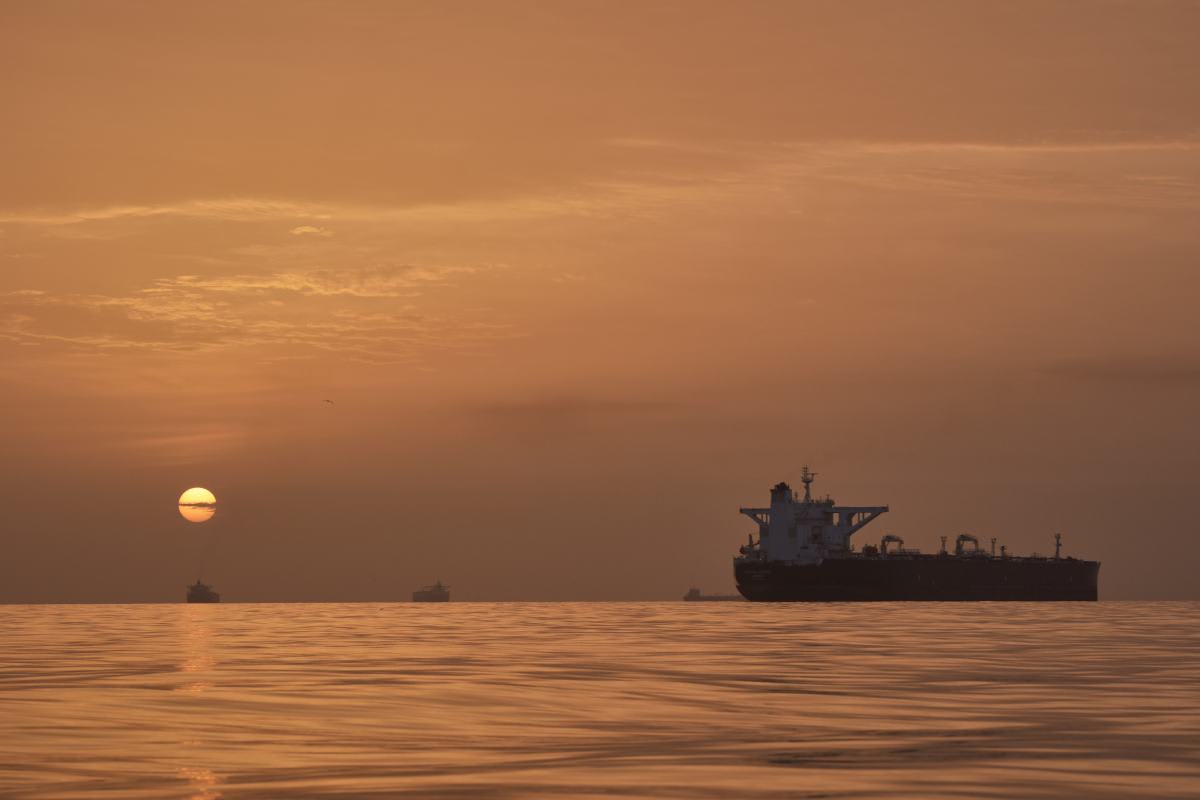
The shift has also limited Iran’s ability to collect tolls from ships using the waterway.
Iran had previously sought to impose charges on vessels transiting the strait, but the growing use of the Omani route has made those efforts more difficult.
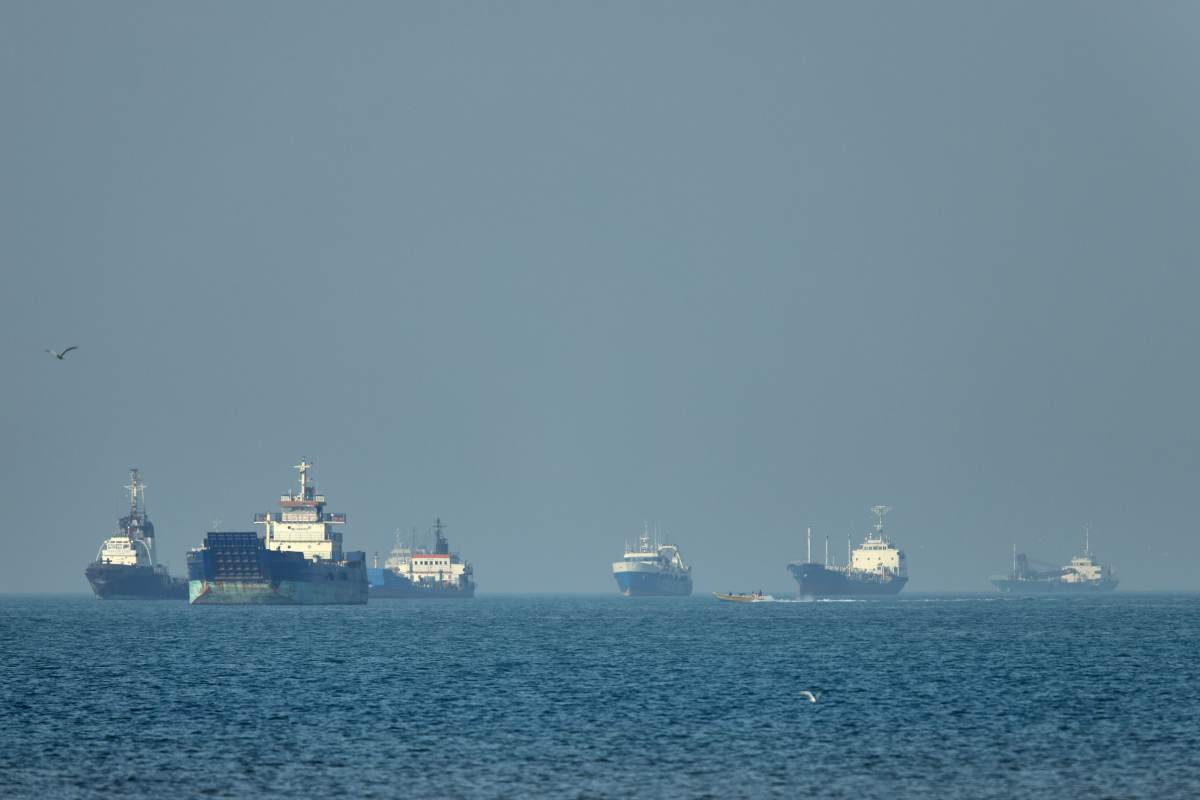
“It increasingly looks like Iran has at least partially lost control of the strait,” said Homayoun Falakshahi, head of crude oil analysis at Kpler.
Trump calls Strait of Hormuz 'US territory'
Trump has repeatedly linked the strait to his broader pressure campaign against Tehran.
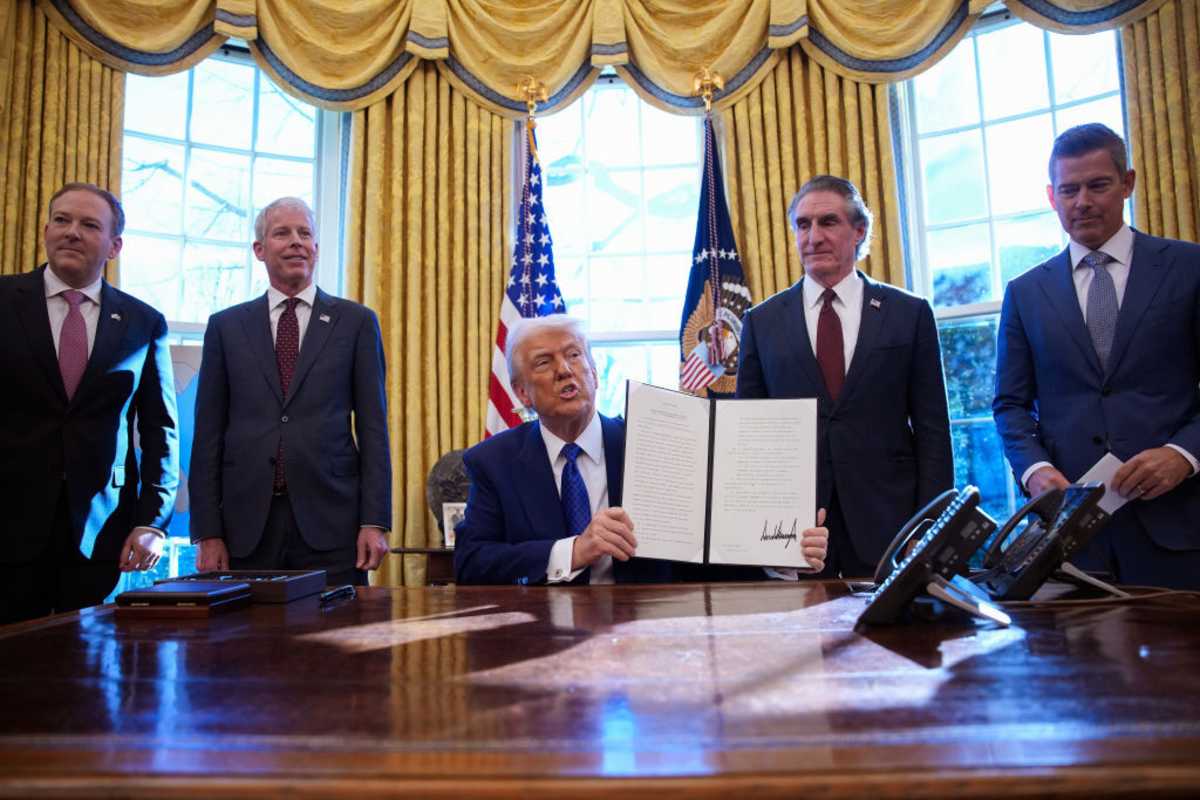
Last month, the president said that the United States would become the “Guardian of the Hormuz Strait” and announced a blockade targeting Iranian shipping while saying other countries would retain access.
Trump echoed that statement again on Tuesday, August 18, as he shared a map labeling the Strait of Hormuz “NEW US TERRITORY” in a post on X and reiterated that he would like to take control of the waterway.
US Energy Secretary Chris Wright said last week that oil shipments through the Strait of Hormuz, combined with cargoes rerouted around the waterway, totaled about 15 million barrels per day over a one-week period.
That compares with roughly 20 million barrels per day moving through the region before the war.
The figures indicate that Iran has not been able to completely halt shipping through the waterway, but they do not establish that the United States has full control over it.
همانطور که ترامپ نام خلیج همیشگی فارس را به صورت صحیح نوشت، به زودی توهمش درخصوص تنگه هرمز یا اصلاح می شود یا توهمات این متوهم را اصلاح خواهیم کرد. pic.twitter.com/gpxqnGK077
— Gharibabadi (@Gharibabadi) August 18, 2026
Disputing Trump’s claims of owning the strait, Iranian Deputy Foreign Minister Kazem Gharibabadi said, “the Strait of Hormuz has been Iranian, is Iranian, and will remain Iranian.”
Gharibabadi also mocked Trump’s earlier remarks, saying that his “delusion” regarding the Strait of Hormuz would be corrected.