Scott Bessent hints at major Strait of Hormuz move that may lower oil prices
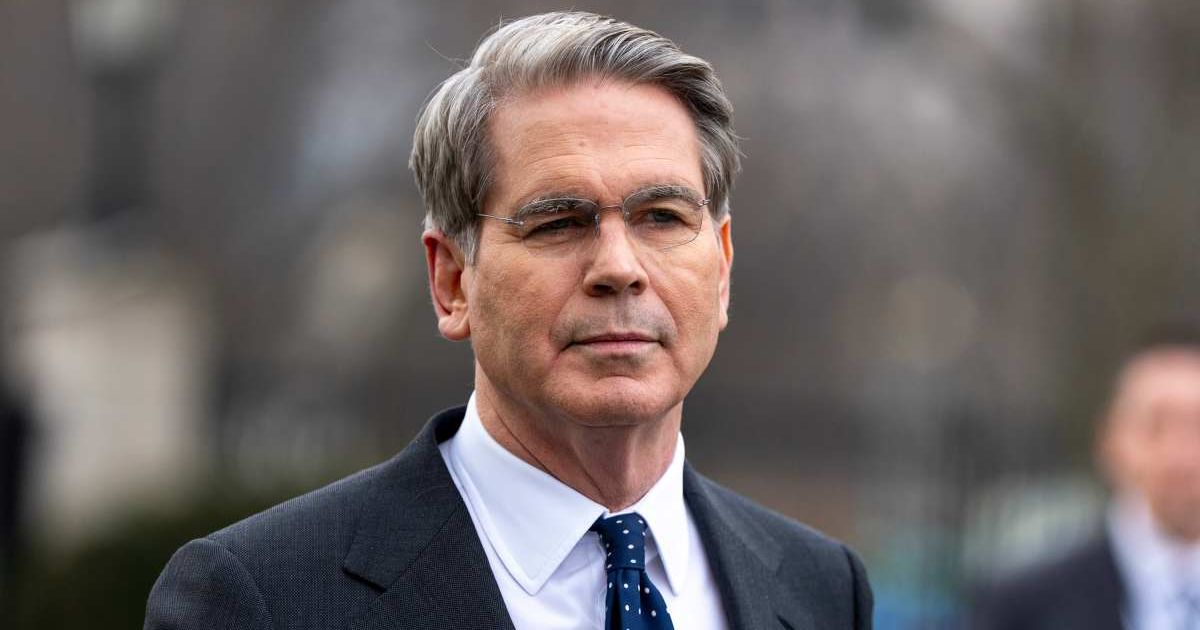
Scott Bessent claimed the US has 'absolute control' over the Strait of Hormuz, which carries nearly 20 percent of the world’s oil supply
Treasury Secretary Scott Bessent claimed Iranian oil ships had already started moving again through the Strait of Hormuz (AP Photo/Alex Brandon)

WASHINGTON, DC: Treasury Secretary Scott Bessent sparked fresh buzz around the global oil crisis after making bold comments about the Strait of Hormuz during TV interviews on Monday, May 4. His remarks came as Americans continue feeling the pressure of rising gas prices tied to the ongoing Iran conflict.

The Strait of Hormuz, a narrow waterway near Oman, handles nearly one-fifth of the world’s oil supply.

Since the war involving Iran began on February 28, disruptions in the region have pushed oil prices sharply higher and reignited fears about inflation.


Scott Bessent says Iranian ships are already moving

During an interview with CNBC, Bessent claimed that Iranian oil ships had already started moving again.

“The Iranian ships have been getting out already, and we've let that happen to supply the rest of the world,” he said.
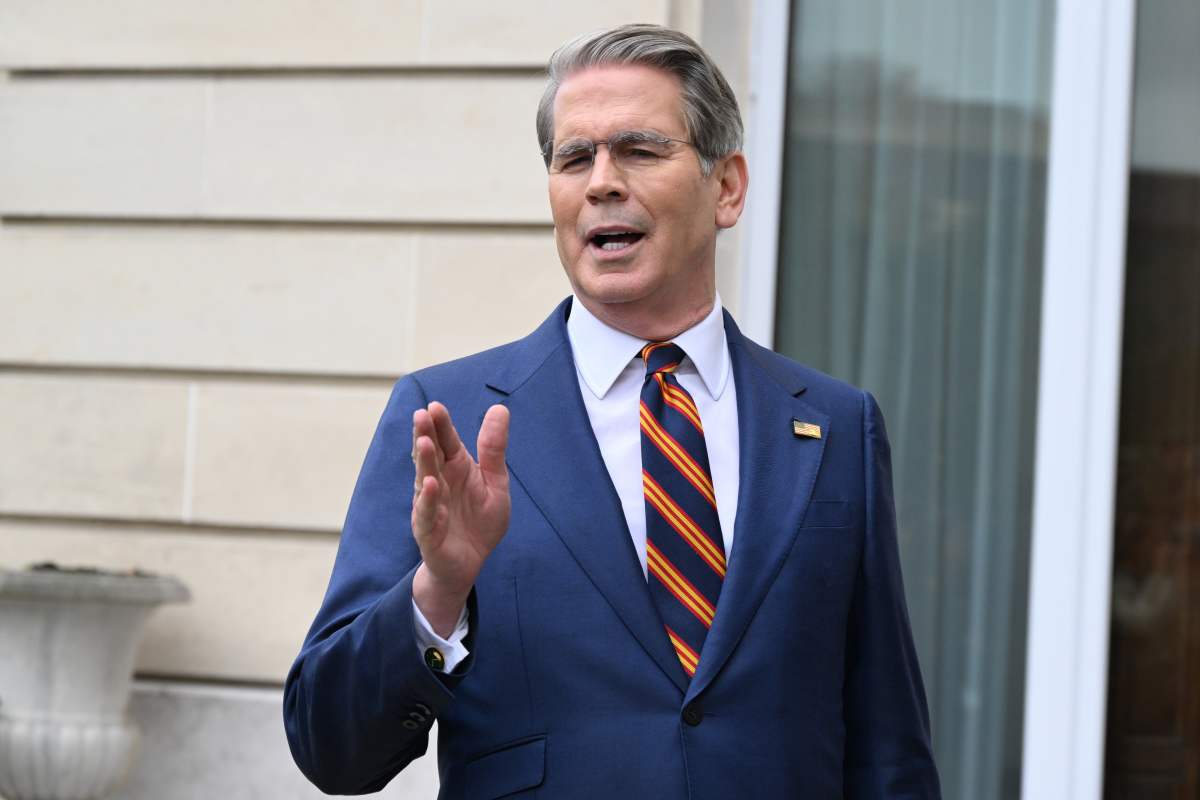
US Treasury Secretary Scott Bessent addresses journalists during a news conference at the OECD Headquarters, Monday, March 16, 2026, in Paris, France. (AP Photo/Emma Da Silva)
US Treasury Secretary Scott Bessent addresses journalists during a news conference at the OECD Headquarters, Monday, March 16, 2026, in Paris, France (AP Photo/Emma Da Silva)

He later appeared on Fox News and said the US has “absolute control” over the Strait of Hormuz. Bessent also accused China of helping fund Iran through energy purchases.

His comments suggested the administration may be quietly trying to ease pressure on global oil supplies before prices climb even further.

Markets are still not fully convinced

Despite Bessent’s optimism, oil markets barely reacted. Brent crude stayed around $108 a barrel, showing that traders still believe the situation remains unstable.
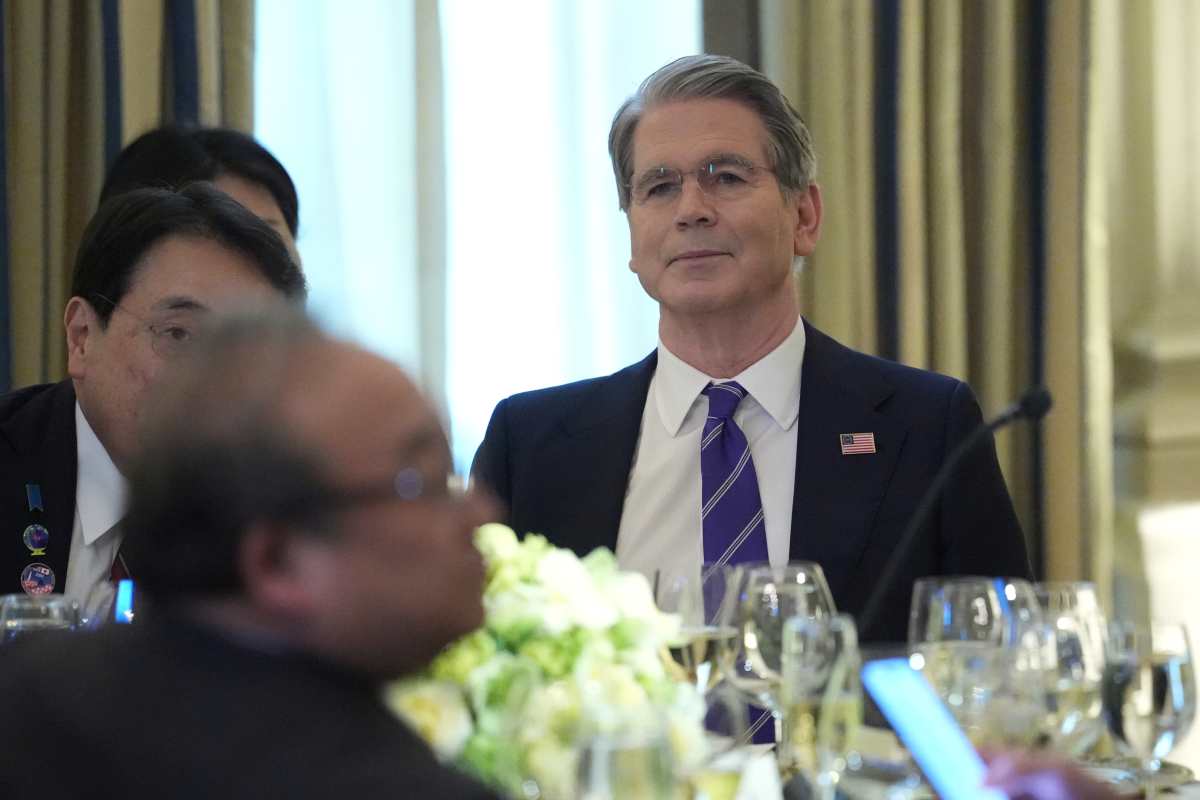
Treasury Secretary Scott Bessent arrives to attend a dinner with President Donald Trump and Japan's Prime Minister Sanae Takaichi in the State Dining Room of the White House, Thursday, March 19, 2026, in Washington. (AP Photo/Julia Demaree Nikhinson)
Treasury Secretary Scott Bessent arrives to attend a dinner with President Donald Trump and Japan's Prime Minister Sanae Takaichi in the State Dining Room of the White House, Thursday, March 19, 2026, in Washington (AP Photo/Julia Demaree Nikhinson)

Shipping experts also warned that reopening oil routes is not as simple as a single country making an announcement.

“It takes both sides to unblock, not just one,” Anglo-Eastern CEO Bjørn Højgaard said.

The numbers are huge. Analysts estimate the closure disrupted roughly 14.5 million barrels of oil per day, making it one of the biggest supply shocks in recent years.

Experts believe prices could stay high

Several major banks are still predicting expensive oil for the rest of the year.

Forecasts from Morgan Stanley, Goldman Sachs and Barclays all suggest prices may remain well above January levels.

Another concern is how slowly ships are actually moving through the region.
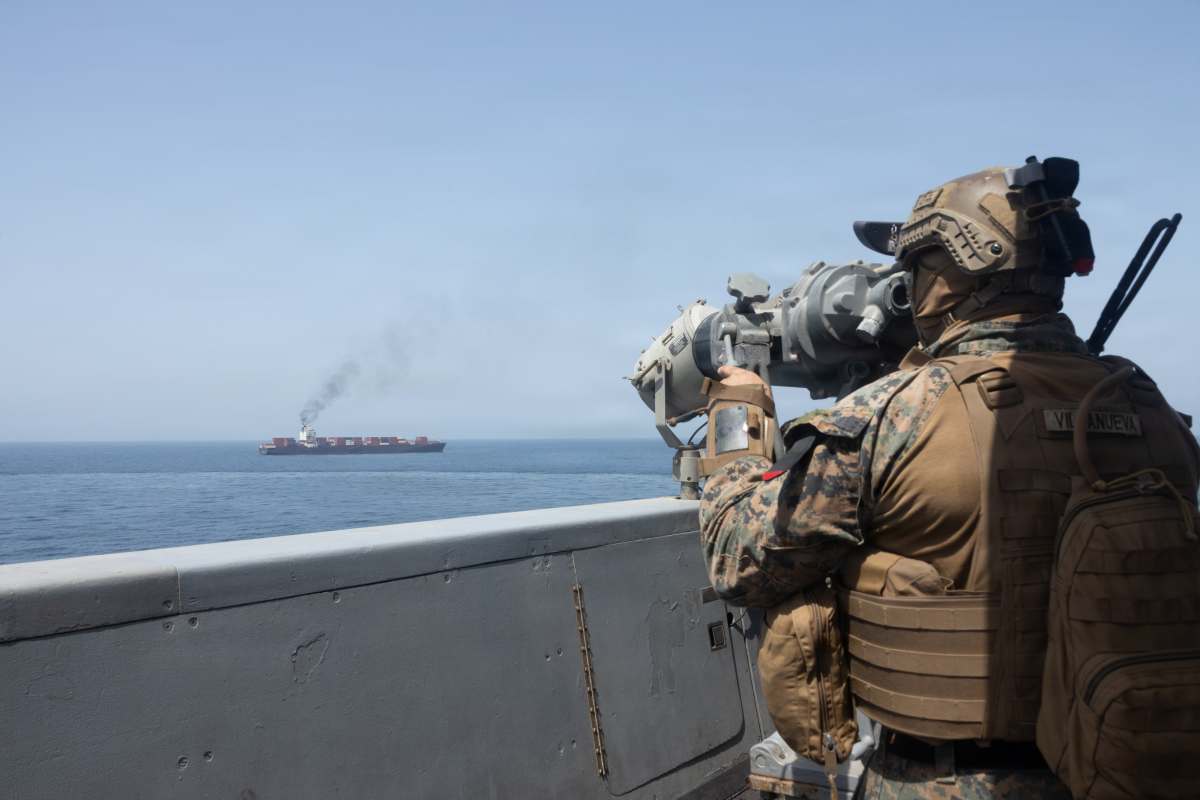
ARABIAN SEA - APRIL 20: (EDITOR'S NOTE: This Handout image was provided by a third-party organization and may not adhere to Getty Images' editorial policy.) In this handout photo provided by U.S. Central Command, U.S. forces patrol the Arabian Sea near M/V Touska on April 20, 2026, after firing upon the Iranian-flagged vessel that the U.S. accused of attempting to violate the U.S. naval blockade of Iranian ports near the Strait of Hormuz. (Handout Photo by the U.S. Navy via Getty Images)
In this handout photo provided by US Central Command, US forces patrol the Arabian Sea near M/V Touska on April 20, 2026, after firing upon the Iranian-flagged vessel that the US accused of attempting to violate the US naval blockade of Iranian ports near the Strait of Hormuz (Handout Photo by the US Navy via Getty Images)

Reports tied to Project Freedom, the Navy escort effort backed by Bessent, show only two US-flagged merchant ships have reportedly exited the Strait so far.

That gap between Bessent’s confidence and the market’s reaction is becoming the real story.

ING commodities strategist Warren Patterson summed it up as: “The lack of progress means the market is tightening every day.”

GET BREAKING U.S. NEWS & POLITICAL UPDATES
STRAIGHT TO YOUR INBOX.

MORE STORIES

Tom Homan said limits on local cooperation force ICE officers into communities, leading to more arrests of undocumented immigrants
1 hour ago
Rep. Pramila Jayapal made remarks during a recent Seattle briefing following a congressional delegation's trip to Cuba
1 hour ago
Stacey Abrams says GOP-backed redistricting maps in Tennessee could dilute minority representation in Congress
2 hours ago
Jeffrey Epstein’s former cellmate Nicholas Tartaglione allegedly found the handwritten note and used it to deny attacking Epstein
3 hours ago
Donald Trump said Iran accepted limits on its nuclear ambitions as the White House awaits Tehran’s response
3 hours ago
Obama warned that those in power must not use government authority to target political enemies or reward allies, stressing limits on state power
9 hours ago
Donald Trump's counterterror strategy targets Antifa-linked groups, cartels, and religious extremist groups amid rising fears of political violence
10 hours ago
Report says agents felt caught between following orders and risking professional fallout
10 hours ago
Commerce Secretary Howard Lutnick is under investigation for 13 years of undisclosed contact with Jeffrey Epstein after claiming he cut ties
11 hours ago
Trump calls blockade a ‘wall of steel,’ says Iran will ‘end up agreeing’
11 hours ago