US inflation climbs to nearly 3-year high in first report under Fed Chair Kevin Warsh
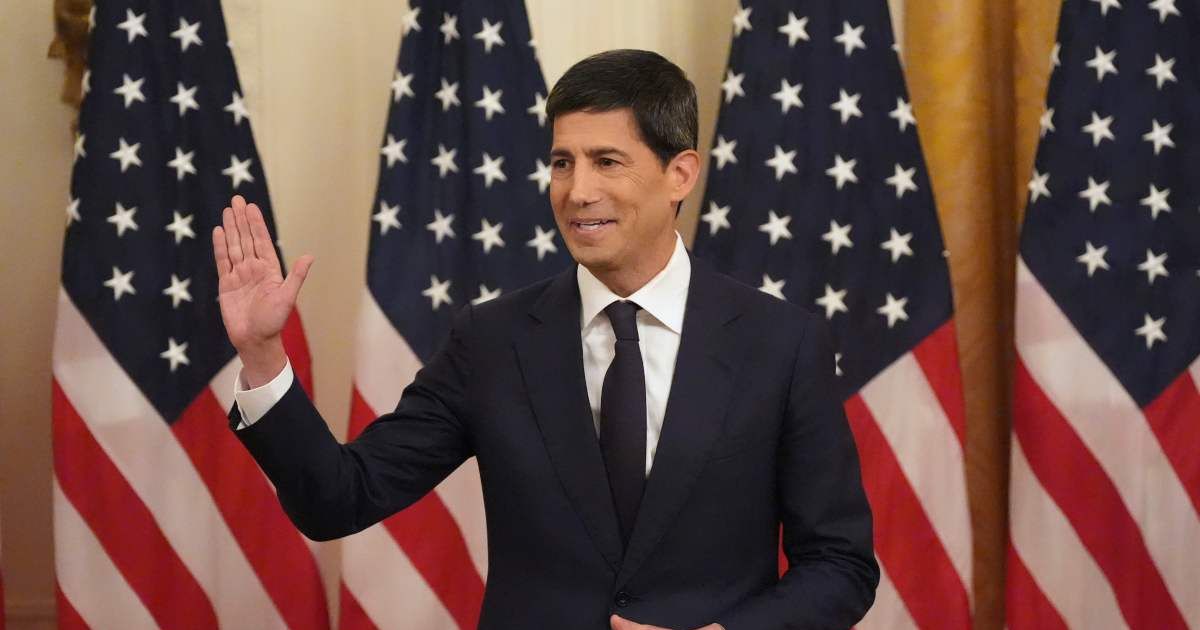
WASHINGTON, DC: The first inflation report released under new Federal Reserve Chair Kevin Warsh showed US consumer prices rising to their highest level in nearly three years, pointing to the economic challenges facing the central bank.
According to data released on Thursday, May 28, by the Commerce Department, the Personal Consumption Expenditures (PCE) Price Index, the Federal Reserve’s preferred inflation gauge, rose 3.8% annually in April. The figure was up from 3.5% in March and marked the highest reading since May 2023.
The increase was slightly below economists’ expectations of 3.9%, but it still reflected a significant acceleration in inflation over recent months.
Core inflation remains elevated
Core PCE inflation, which excludes volatile food and energy prices, increased 3.3% year-over-year in April, matching market forecasts.
While the reading suggested that underlying inflation pressures remain relatively stable, economists noted that broader price increases continue to affect essential household expenses.
Energy costs recorded the sharpest gains during the month, driven largely by disruptions linked to the ongoing Iran conflict and instability in global energy markets.
Prices also rose notably in housing and utilities, recreation services, and food-related categories, adding to the financial burden on consumers.
Kevin Warsh faces difficult policy choices
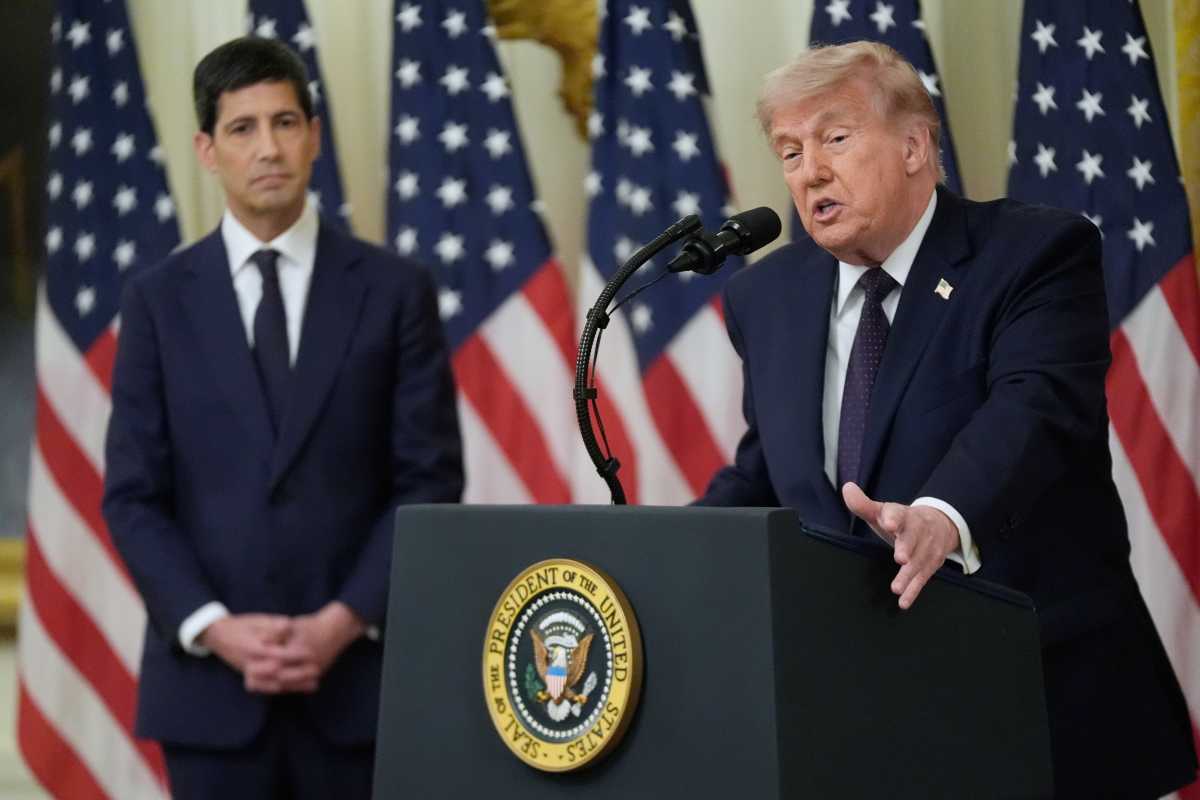
The report presents an early challenge for Warsh, who took over leadership of the Federal Reserve amid growing concerns that inflation could remain elevated longer than previously expected.
Earlier this year, policymakers projected a single interest-rate cut in 2026. However, economists now believe that forecasts may be increasingly difficult to achieve if energy-driven inflation persists.
The situation is further complicated by pressure from President Donald Trump, who has repeatedly called for lower interest rates to support economic growth and reduce borrowing costs for households and businesses.
Although April’s inflation reading came in slightly below expectations, analysts cautioned that the broader trend remains concerning.
Economists say higher prices are increasingly eroding wage gains and reducing consumers’ purchasing power.

Household finances under strain
The report also highlighted growing stress on American households. Personal income growth slowed to 2.5% annually in April, falling below the inflation rate. As a result, many consumers are effectively losing purchasing power as their earnings fail to keep pace with rising prices.
Consumer spending increased 0.5% from March, but after adjusting for inflation, spending growth was just 0.1%, indicating that much of the increase reflected higher prices rather than stronger demand.
At the same time, the personal savings rate dropped sharply to 2.6% from 3.6% the previous month. Economists said the decline suggests many households are relying on savings to cover everyday expenses amid rising costs.

Markets begin pricing in rate hike risks
The inflation data has prompted some analysts to reconsider expectations for monetary policy. Financial markets are increasingly factoring in the possibility that the Federal Reserve may need to raise interest rates later this year if inflation remains elevated.
According to CME FedWatch data, the probability of a rate hike at the Fed’s December meeting has climbed significantly in recent months.
With inflation at a multi-year high, savings rates falling, and household incomes struggling to keep pace with prices, the Federal Reserve faces mounting pressure to balance inflation control with economic growth in the months ahead.