45M more people could go hungry because of what's happening in Hormuz, UN warns
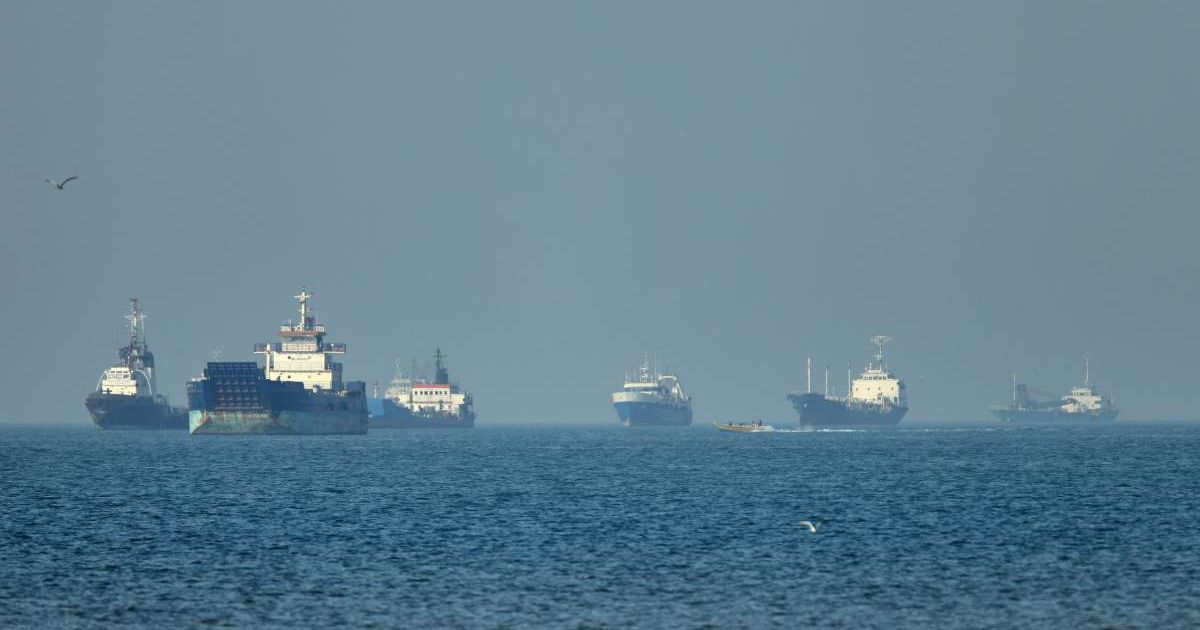
WASHINGTON, DC: The United Nations has issued a stark warning that a deepening standoff in the Strait of Hormuz could trigger a global humanitarian disaster, as fertilizer supplies critical to food production remain trapped by mounting regional tensions.
Jorge Moreira da Silva, executive director of the UN Office for Project Services (UNOPS) and head of a special task force established to prevent a global food emergency, said the world has only a narrow window to act before the crisis spirals out of control.
“We have a few weeks ahead of us to prevent what will likely be a massive humanitarian crisis,” Moreira da Silva said on Monday, May 11. “We may witness a crisis that will force 45 million more people into hunger and starvation.”
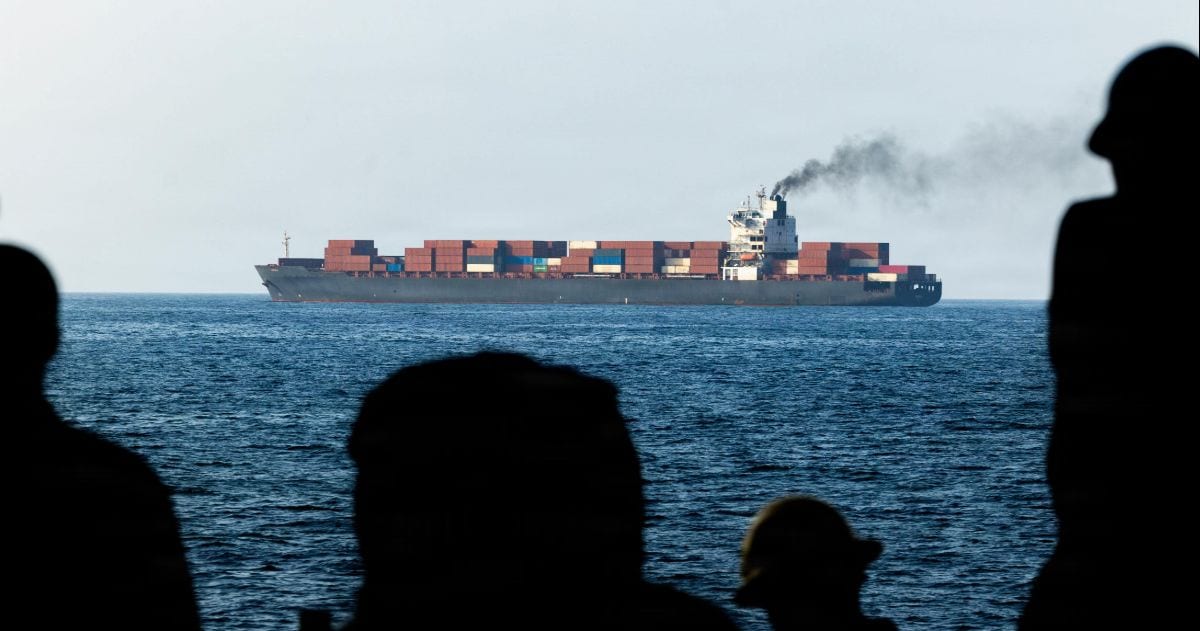
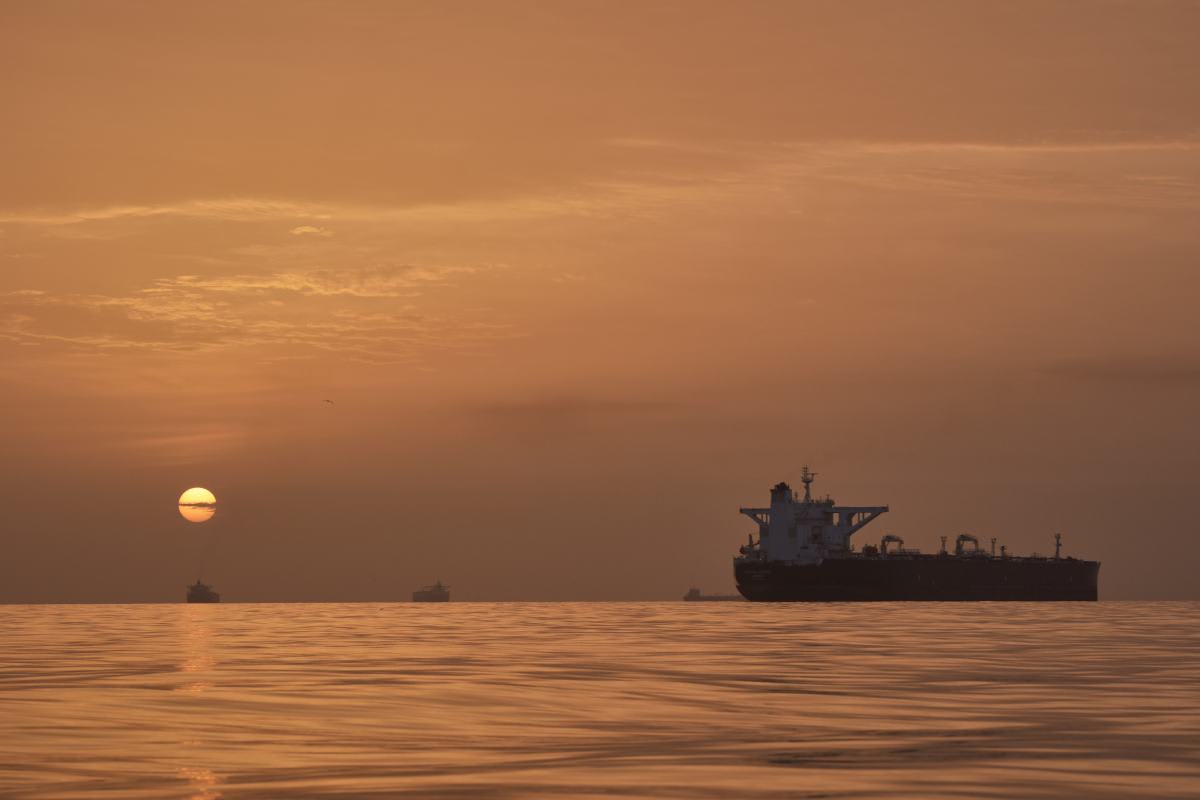
The warning comes as shipping traffic through the Strait of Hormuz, one of the world’s most strategically important maritime chokepoints, remains severely disrupted due to the ongoing confrontation between Iran, the United States and Israel.
Fertilizer supplies stranded as shipping routes collapse
The Strait of Hormuz serves as the primary gateway for exports from Gulf nations, including not only crude oil and natural gas but also vital agricultural products such as fertilizers and chemical feedstocks essential for global farming.
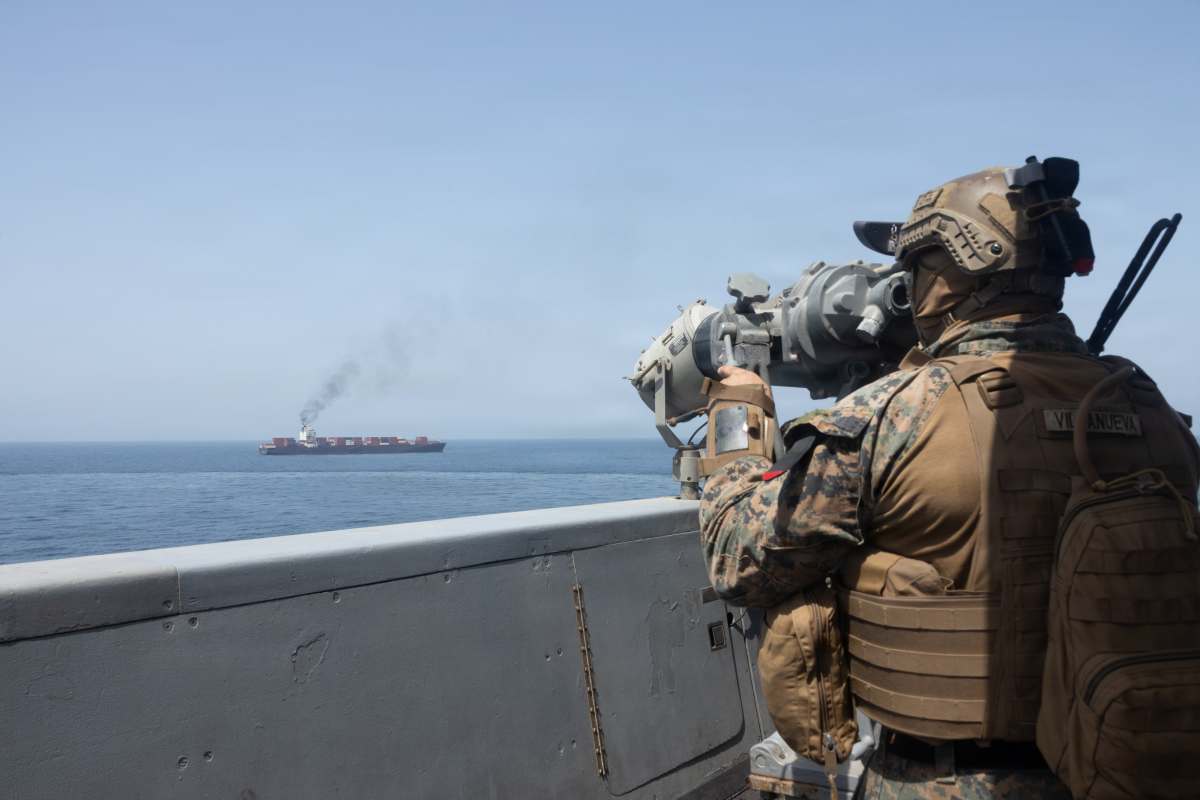
According to UN officials and shipping analysts, vessels carrying fertilizer cargoes have either been delayed, rerouted or prevented from entering the waterway altogether as security risks escalate in the region.
Supply chain disruptions in the Strait of Hormuz have deeply impacted countries across Asia, especially those in the Assoc. of Southeast Asian Nations.
— Jorge Moreira da Silva (@UNOPS_Chief) May 8, 2026
Heavily reliant on fertilizer imports, #ASEAN is facing severe shortages and an exponential increase in costs. For several… pic.twitter.com/zhFyat76si
The disruption threatens agricultural production cycles across parts of Africa, Asia and Latin America, where many countries rely heavily on imported fertilizers to sustain crop yields.
Experts warn that prolonged shortages could devastate harvests during upcoming planting seasons, leading to rising food prices, reduced crop output and worsening food insecurity in vulnerable nations already struggling with inflation and climate-related disruptions.
Humanitarian agencies fear the impact will be especially severe in countries dependent on international aid and imported grain supplies, many of which are still recovering from previous global supply chain shocks.

Trump rejects Iranian ceasefire response
Efforts to ease tensions suffered a major setback over the weekend after President Donald Trump rejected Iran’s latest response to a US-backed ceasefire proposal.
Speaking on Sunday, Trump described Tehran’s position as “totally unacceptable,” signaling little progress toward a diplomatic breakthrough despite weeks of international mediation efforts.
The latest impasse has intensified fears that the conflict could further destabilize global trade and energy markets.
BREAKING: President Trump on Truth Social: “I have just read the response from Iran’s so-called ‘Representatives.’ I don’t like it — TOTALLY UNACCEPTABLE! Thank you for your attention to this matter. President DONALD J. TRUMP” pic.twitter.com/x4qiKHuFsC
— RedWave Press (@RedWavePress) May 10, 2026
Iran has effectively gridlocked commercial movement through the Strait of Hormuz by threatening vessels and carrying out operations against ships in the region.
Tehran says the actions are retaliation for the joint US-Israeli strikes launched on February 28, which targeted Iranian military and nuclear-linked facilities.
The Iranian leadership has repeatedly insisted it will continue exerting pressure in the Gulf unless Washington and its allies halt military operations and provide guarantees against future attacks.
Global markets brace for wider economic fallout
Beyond the immediate humanitarian implications, economists and trade observers warn that the continued disruption in Hormuz could send shockwaves through global markets.
The narrow waterway handles a significant portion of the world’s energy exports, and sustained instability has already pushed shipping insurance costs sharply higher while forcing some carriers to suspend operations in the area.
Commodity markets are also reacting nervously to the fertilizer shortage, with prices for agricultural inputs climbing across several international exchanges.