Iran calls US diplomacy 'dictation and coercion' at UN as Hormuz crisis hits a wall
NEW YORK, NY: The Islamic Republic of Iran has launched a scathing diplomatic offensive against the United States at the United Nations, officially rejecting a proposed Security Council resolution aimed at the escalating crisis in the Strait of Hormuz.
In a series of high-stakes official statements on X on Wednesday, May 6, Tehran characterized the American-led initiative as a "politically motivated" maneuver designed to legitimize "unlawful actions" rather than resolve the underlying conflict.
The only viable solution in the Strait of Hormuz is clear: a permanent end to the war, the lifting of the maritime blockade, and the restoration of normal passage.
— I.R.IRAN Mission to UN, NY (@Iran_UN) May 6, 2026
Instead, the U.S. is pushing a flawed, politically motivated UN Security Council draft resolution under the pretext…
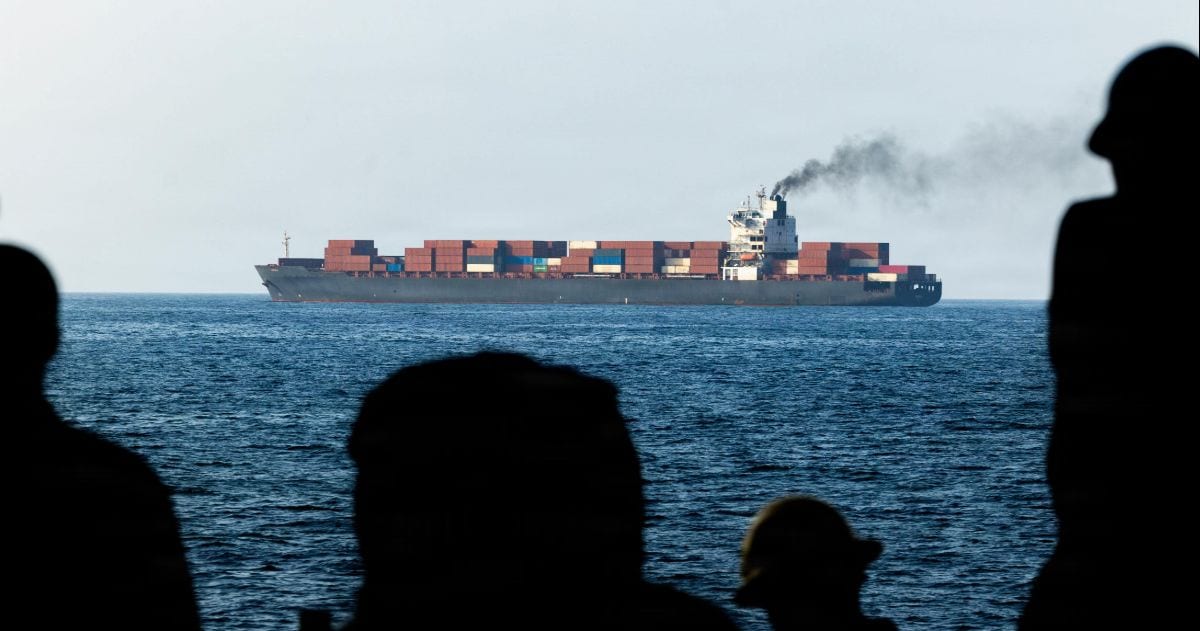
This rejection comes as the waterway, responsible for the transit of nearly one-fifth of the world’s oil consumption, remains under severe strain, with both nations at a dangerous impasse over maritime sovereignty and international law.
The Iran Mission to the UN issued a definitive ultimatum, asserting that the only viable solution to the volatility in the Middle East is a permanent end to the war and the lifting of the current maritime blockade.
Tehran’s refusal to cooperate with the US-backed draft underscores the total breakdown of trust between the two powers as the global economy braces for potential energy shocks.
Iran slams flawed US political agenda
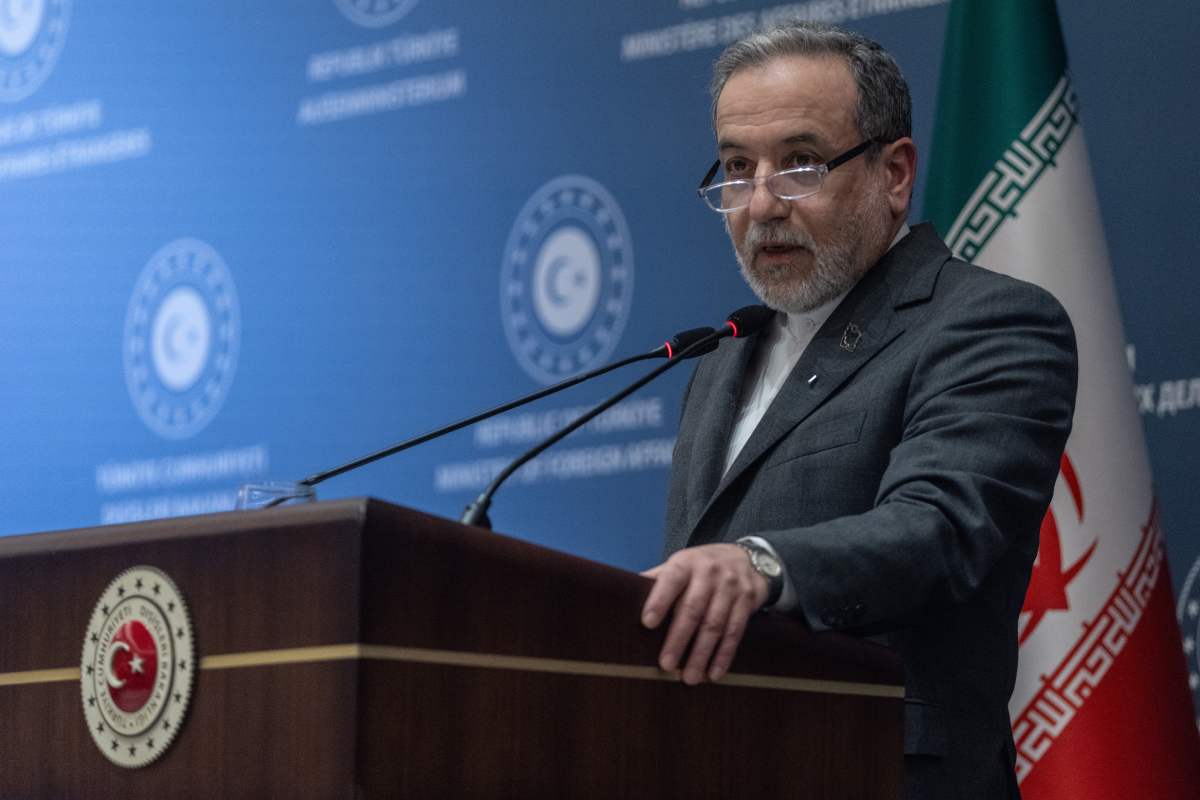
Tehran’s mission in New York was uncompromising in its assessment of the American-led draft, labeling it a "flawed" document pushed under the "pretext of freedom of navigation."
According to Iranian officials, the resolution is a tool for the US to advance a narrow political agenda while failing to address the humanitarian and security crisis in the region.
The mission has officially called on all UN member states to act on the basis of "logic, fairness, and principle" rather than yielding to US pressure.
They have explicitly urged international partners to reject the draft and refrain from supporting or co-sponsoring what they describe as a one-sided measure.
Tehran demands good faith in discussions
The concept of “negotiations” requires, at the very least, a genuine attempt to engage in discussions with a view to resolving the dispute (ICJ, Judgement of 1 April 2011, para. 157). It needs 'good faith', then, meaning that 'negotiations' is not 'disputation'; nor is it…
— Esmaeil Baqaei (@IRIMFA_SPOX) May 6, 2026
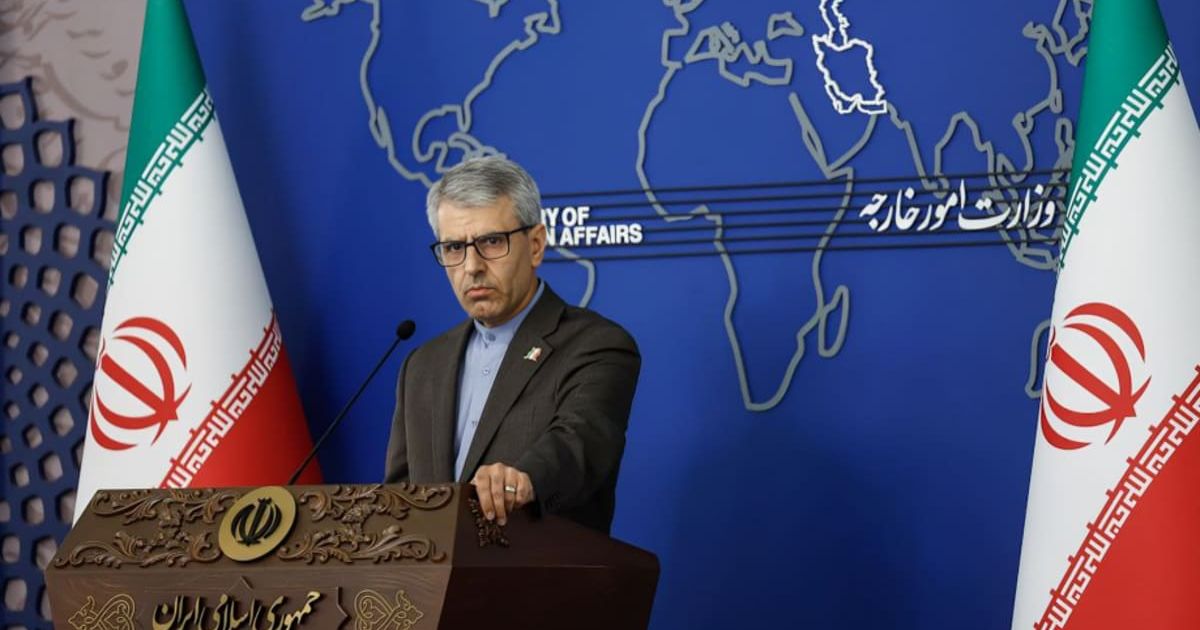
In a parallel statement, Iranian Ministry of Foreign Affairs spokesperson Esmaeil Baqaei criticized the Western approach to diplomacy, arguing that the current US stance fails to meet the legal standards for international negotiation.
Baqaei cited a 2011 International Court of Justice (ICJ) judgment to emphasize that genuine negotiations require "good faith" and a sincere attempt to resolve disputes through discussion.
From Iran's perspective, the American strategy is not a diplomatic effort but rather a campaign of "dictation, deception, extortion, or coercion."
Baqaei warned that without a shift toward "good faith" engagement, any proposed resolution remains dead on arrival.
Permanent solution requires lifting blockade
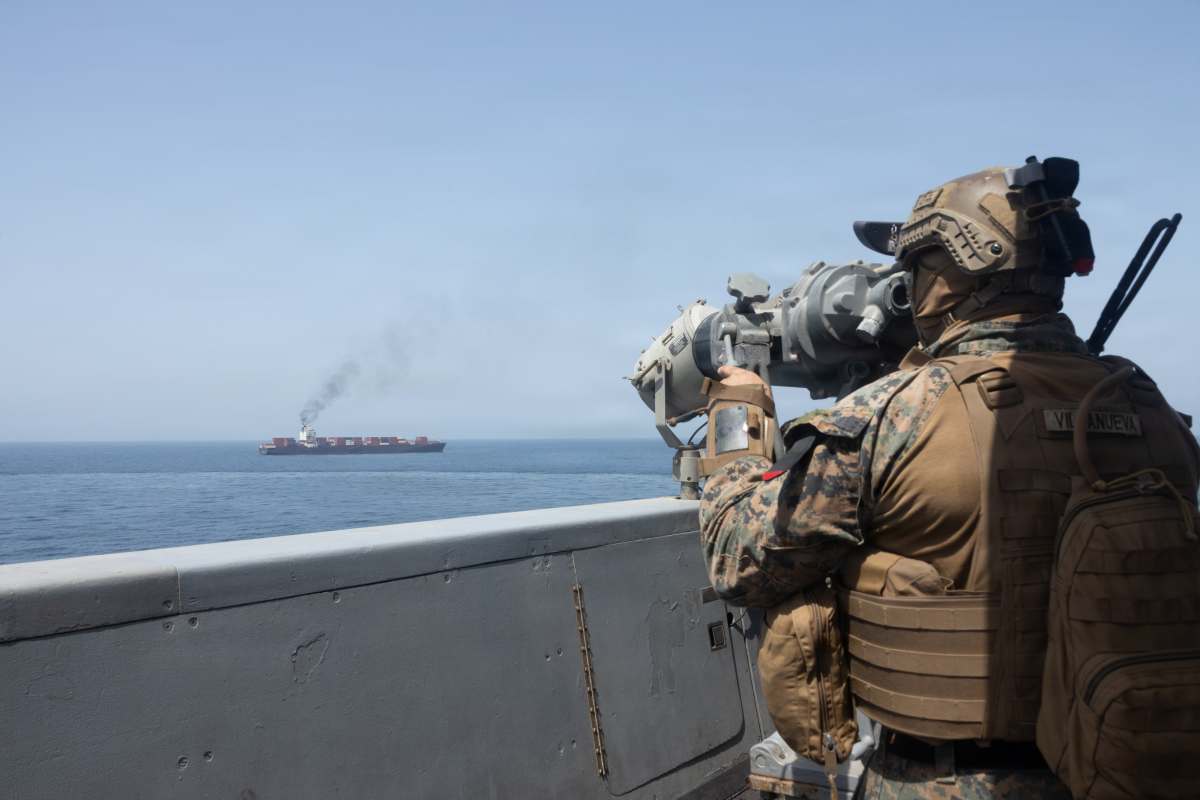
The Iranian leadership remains firm that no security arrangement in the Strait of Hormuz can succeed without the restoration of "normal passage" and a complete cessation of hostilities.
By demanding the lifting of the maritime blockade, Tehran is effectively holding the line against the US "freedom of navigation" framework, which it views as a cover for aggressive naval positioning.
As the Security Council remains deadlocked, the prospect of a diplomatic resolution appears increasingly remote. Iran has signaled that it will continue to resist any international measure that does not prioritize a permanent end to the war as its starting point.