Rubio questions UN’s relevance as the Iran crisis deepens, asking what 'utility' its system serves
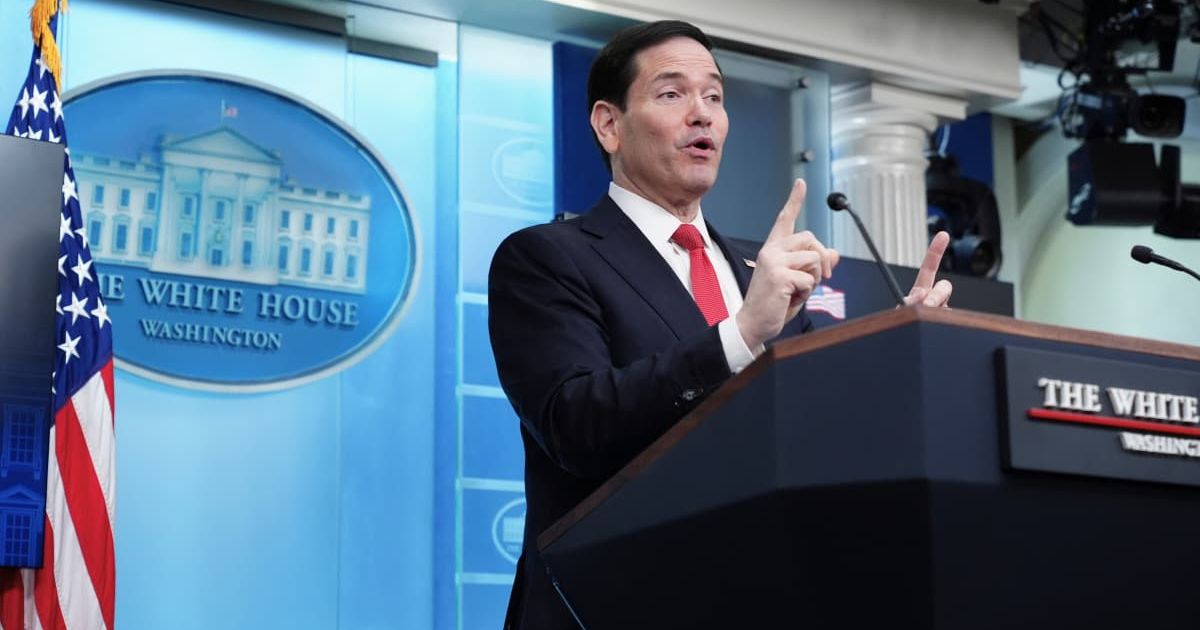
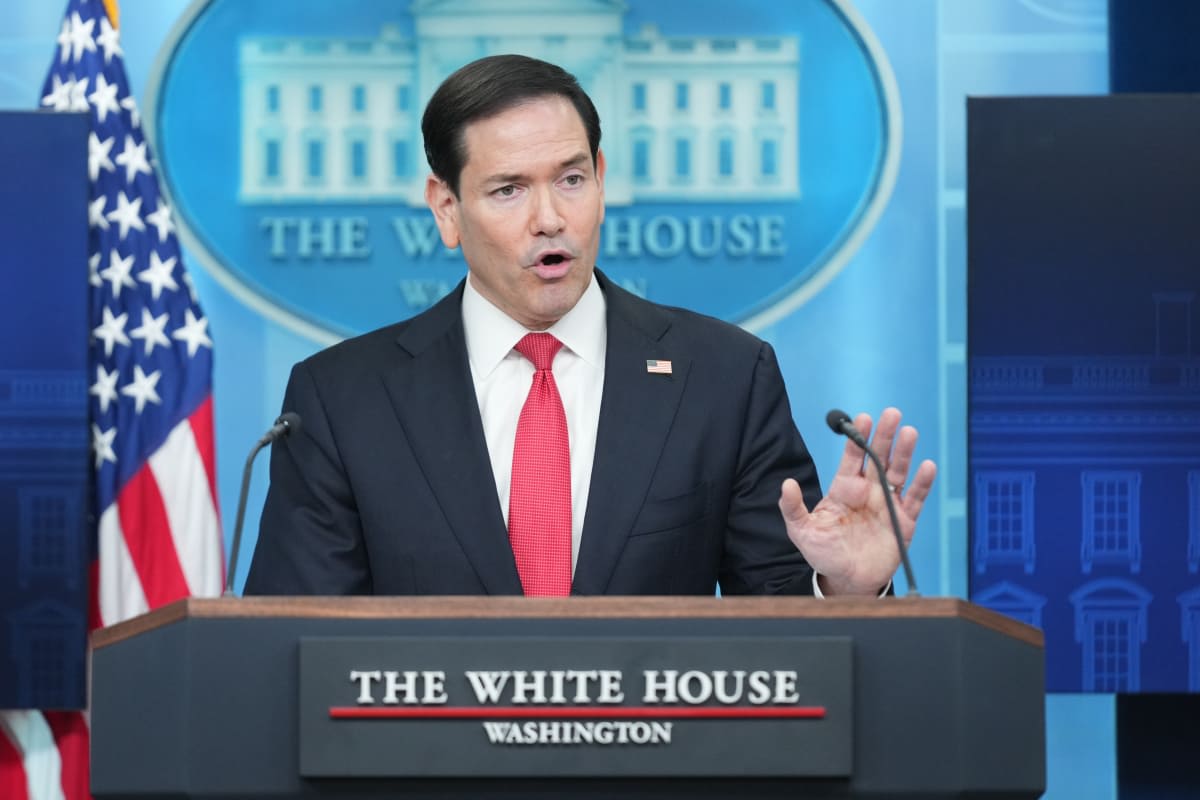
WASHINGTON, DC: Secretary of State Marco Rubio, on Tuesday, May 5, sharply escalated the Trump administration’s pressure campaign on Iran, but reserved some of his harshest criticism for the United Nations itself.
Speaking from the White House, Rubio openly questioned the value of the international body if it fails to rally behind what he described as a limited, urgent, and fundamentally humanitarian request.
🚨 WOW! Marco Rubio is going HARD against the UN from the podium 🔥
— Nick Sortor (@nicksortor) May 5, 2026
Time to DEFUND the UN.
"All we're asking them to do is to CONDEMN this, to call on Iran to stop BLOWING UP ships, to remove these mines and to allow humanitarian relief to come through because there's… pic.twitter.com/RNUzzqMXXN
Rubio puts UN on notice amid tensions
Laying out Washington’s next move, Rubio said the administration is now taking its case directly to the United Nations in hopes of building international pressure on Tehran over attacks on commercial shipping in the Strait of Hormuz.
But he made clear that patience inside the administration is wearing thin.
“We’re going to take it to the UN and we’re going to give it another chance,” Rubio said, arguing that the US is not asking member nations to send troops or join a military campaign.
Instead, Rubio said the request before the international community is far more basic: condemn the attacks, demand Iran stop targeting ships, call for sea mines to be removed, and allow humanitarian supplies currently stranded in the region to move safely.
“That’s it. This is a very modest request, If you’re telling me that the international community cannot rally behind that, then I don’t know what the utility of the UN system is.”
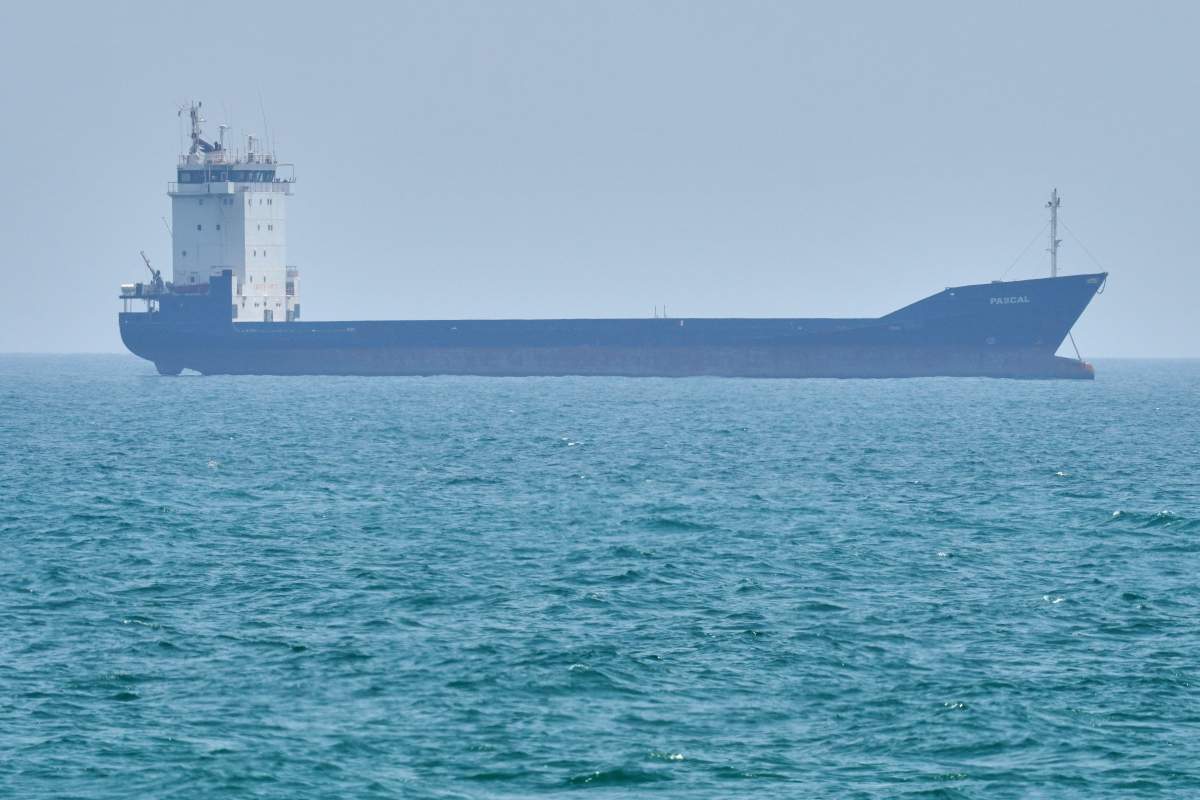
US resolution for reopening of Hormuz
Rubio’s remarks come as the Trump administration pushes a new draft resolution at the UN Security Council condemning Iran’s actions in the Strait of Hormuz, one of the world’s most critical energy corridors.
The administration says Tehran has effectively disrupted maritime traffic through a combination of missile threats, drone activity, naval harassment, and the laying of sea mines following US and Israeli strikes that began earlier this year.
The proposed resolution reportedly demands that Iran halt attacks on commercial vessels, stop charging transit tolls, disclose the location of naval mines, and cooperate with international efforts to reopen shipping lanes.
It also supports the creation of a humanitarian corridor for aid shipments currently stuck in the region.