Trump pledges $2B in UN aid but warns agencies to ‘adapt, shrink, or die’
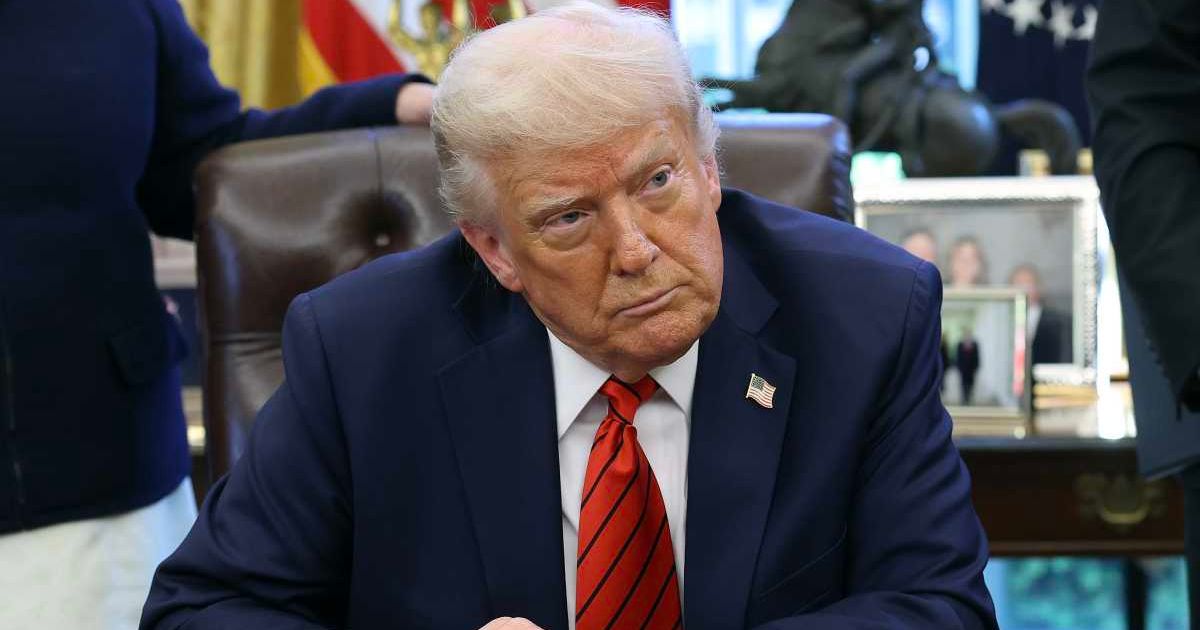
WASHINGTON, DC: The Trump administration on Monday unveiled a $2 billion humanitarian aid pledge to the United Nations, pairing the funding announcement with a blunt warning that UN agencies must dramatically reform or risk losing future American support.
The announcement, detailed in a State Department statement released earlier this week, signals a sharp shift in how the United States intends to fund global humanitarian efforts in 2026 and beyond, prioritizing efficiency, oversight and measurable results over what officials described as bloated, outdated aid structures.
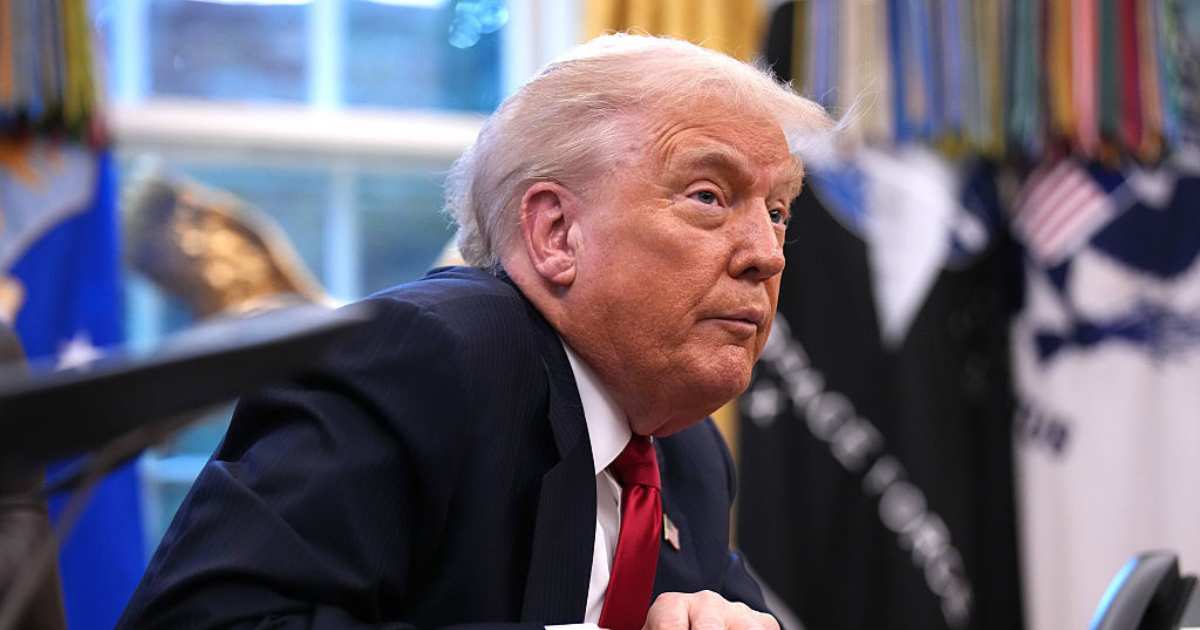
Trump administration ties UN funding to sweeping reform demands
While confirming the $2 billion commitment, the State Department made clear that the era of open-ended US funding was over.
“Individual U.N. agencies will need to adapt, shrink, or die,” the statement said, outlining what officials described as 'several key benefits for the United States and American taxpayers.'
According to the administration, the funding package is expected to help shield tens of millions of people from hunger, disease and war-related devastation in 2026 alone but only through a new model designed to slash waste and duplication.
“Because of enhanced efficiency and hyper-prioritization on life-saving impacts, this new model is expected to save US taxpayers nearly $1.9 billion compared to outdated grant funding approaches,” the State Department said.
Marco Rubio says new approach will force long-overdue UN accountability
Secretary of State Marco Rubio said the move is intended to force reforms that have stalled inside the UN system for decades, while easing the financial burden on American taxpayers.
The United States remains the most generous nation in the world for lifesaving humanitarian assistance—but under @POTUS’s leadership taxpayer dollars will never fund waste, anti-Americanism, or inefficiency. Today, the @StateDept and United Nations signed an agreement that…
— Secretary Marco Rubio (@SecRubio) December 29, 2025
“This new model will better share the burden of U.N. humanitarian work with other developed countries and will require the U.N. to cut bloat, remove duplication, and commit to powerful new impact, accountability, and oversight mechanisms,” Rubio wrote in a post on X.
Administration officials noted that US voluntary humanitarian contributions had ballooned to between $8 billion and $10 billion annually in recent years - a level they said was unsustainable and poorly monitored.
State Department official declares ‘old system is dead’
Jeremy Lewin, the State Department’s senior official overseeing foreign assistance, reinforced that message during remarks tied to the announcement.
“The piggy bank is not open to organizations that just want to return to the old system,” Lewin said. “President Trump has made clear that the system is dead.”
The funding overhaul is formalized through a newly signed Memorandum of Understanding between the United States and the UN Office for the Coordination of Humanitarian Affairs (OCHA).
Under the agreement, the US will move away from project-by-project grants toward consolidated, flexible pooled funding managed at the country or crisis level - a change officials argue will cut administrative costs and speed aid delivery.
UN officials cautiously welcome deal as funding shrinks
Despite the tougher terms, UN officials publicly welcomed the agreement.
Tom Fletcher, the UN’s top humanitarian official and head of OCHA, called the funding commitment 'a very significant landmark contribution,' according to The Associated Press.
Just announced $2 billion US contribution in support of our plan to save 87m lives in 2026.
— Tom Fletcher (@UNReliefChief) December 29, 2025
Thank you to President Trump, Sec. Rubio and Jeremy Lewin for powerful vote of confidence in Humanitarian Reset: neutral, efficient, lean, locally led humanitarian action. Let’s deliver.
US Ambassador to the United Nations Mike Waltz echoed the administration’s position, saying the deal would deliver more focused, results-driven aid aligned with US foreign policy priorities.
Today, the State Department and the United Nations signed a groundbreaking agreement to overhaul how the U.S. funds and oversees UN humanitarian programs.
— Ambassador Mike Waltz (@USAmbUN) December 29, 2025
This humanitarian reset at the United Nations should deliver more aid with better results aligned with President Trump’s…
However, State Department officials stressed that future funding will hinge on whether UN agencies follow through on promised reforms, a warning that signals continued pressure from Washington.