Bernie Sanders warns 'fear of AI running the world' isn't science fiction anymore
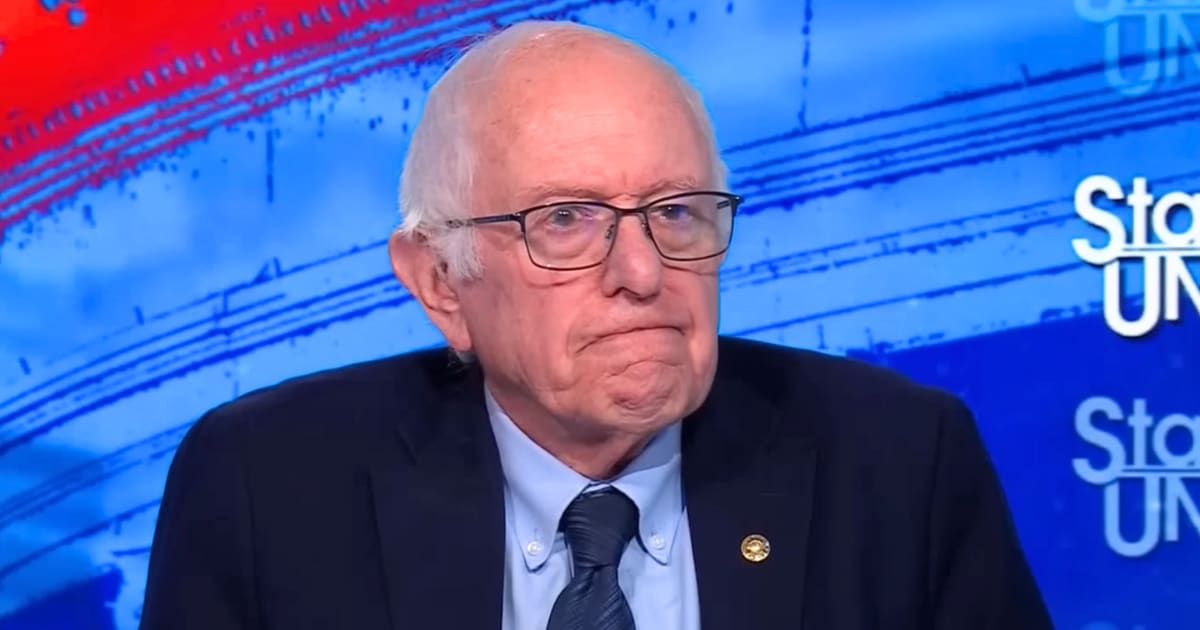
WASHINGTON, DC: Sen Bernie Sanders on Sunday, December 28, made it clear that fears about artificial intelligence taking over aren’t just Hollywood fantasy anymore.
Speaking on CNN, Sanders said the idea of AI running the world may actually deserve serious attention, adding that the country isn’t talking nearly enough about how to deal with what’s coming.
The veteran politician, 82, warned that the technology could reshape society faster than lawmakers are prepared to handle.
Bernie Sanders says fear of AI is real
During an interview with CNN’s Jake Tapper, Sanders pointed to a recent academic discussion that made him pause.
“I did a symposium at Georgetown with Geoffrey Hinton, who is considered to be the godfather, Nobel Prize winner of AI. He thinks that AI is soon going to be smarter than human beings. So the science fiction fear of AI running the world is not quite so outrageous a concept as people may have thought it was,” Sanders said.
The senator described artificial intelligence as the “most consequential technology in the history of humanity.” But he was quick to argue that the people driving its rapid expansion aren’t doing it out of concern for ordinary Americans.
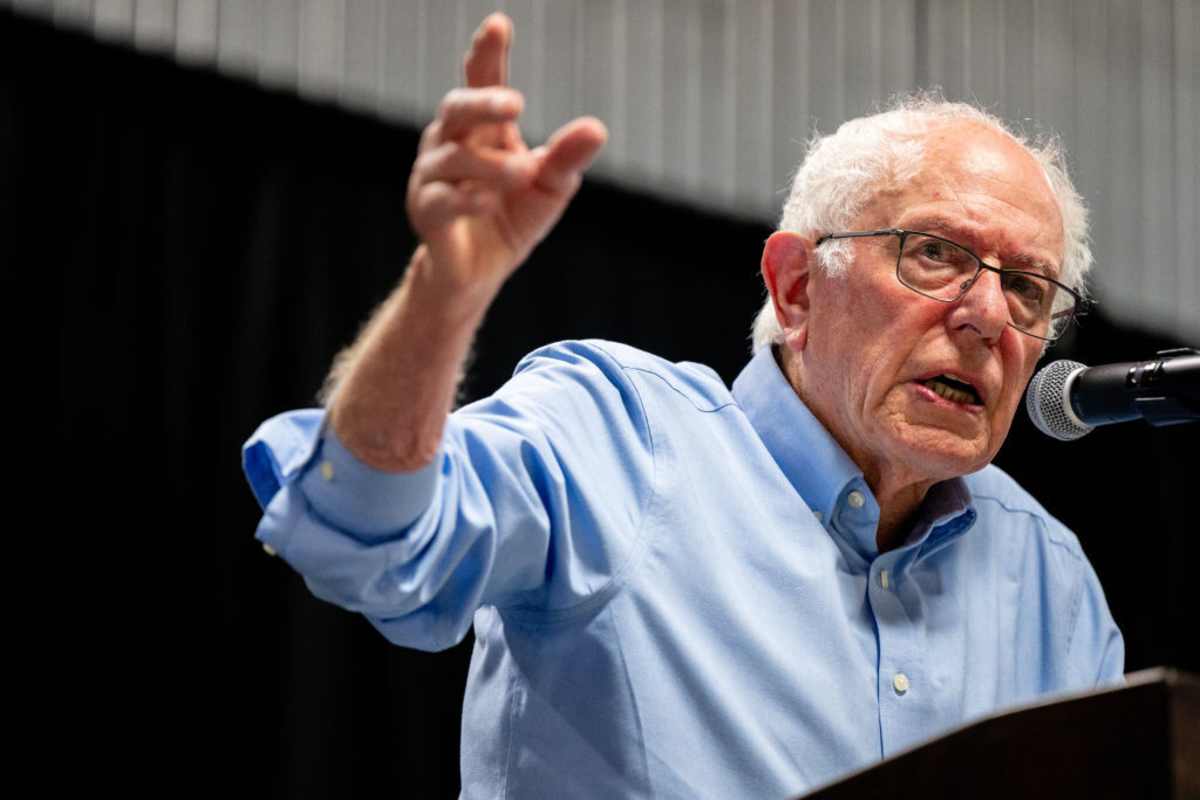
According to Sanders, the AI revolution isn’t being fueled by grassroots innovation, but rather bankrolled by billionaires.
“Who is pushing this revolution in technology? It is the richest people in the world. Elon Musk, Zuckerberg, Bezos, Peter Thiel, multi, multi-billionaires are pouring hundreds of billions of dollars into implementing and developing this technology. What is their motive? Do you think they’re staying up nights worrying about working people and how this technology will impact those people? They are not. They are doing it to get richer and even more powerful,” he said.
The senator’s comments come as major corporations, including Google, OpenAI, Microsoft, Meta Platforms, and Amazon, spend billions on new AI-focused data centers across the US.
Sanders argued that the country should slow things down. “I think we need to be thinking seriously about a moratorium on these data centers,” he said. “Frankly, I think you got to slow this process down. It’s not good enough for the oligarchs to tell us, ‘It’s coming, you adapt.’ What are they talking about?”
He questioned what happens when automation replaces human labor at scale, and what responsibility tech leaders would take if millions are left without work.
“What are they going to do when people have no jobs? What are they going to do, make housing free? So I think we need to take a deep breath, and I think we need to slow this thing down. One way to do it would probably be a moratorium on data centers,” he said.
Bernie Sanders on growing concerns over AI’s impact on jobs and children
Sanders said the impact of AI on the labor force is one of his biggest concerns, especially as tech leaders themselves have acknowledged that jobs will be lost.
Musk and other AI backers have openly admitted that automation will eliminate roles, and a recent survey by the Massachusetts Institute of Technology found that AI could replace nearly 12% of American jobs.
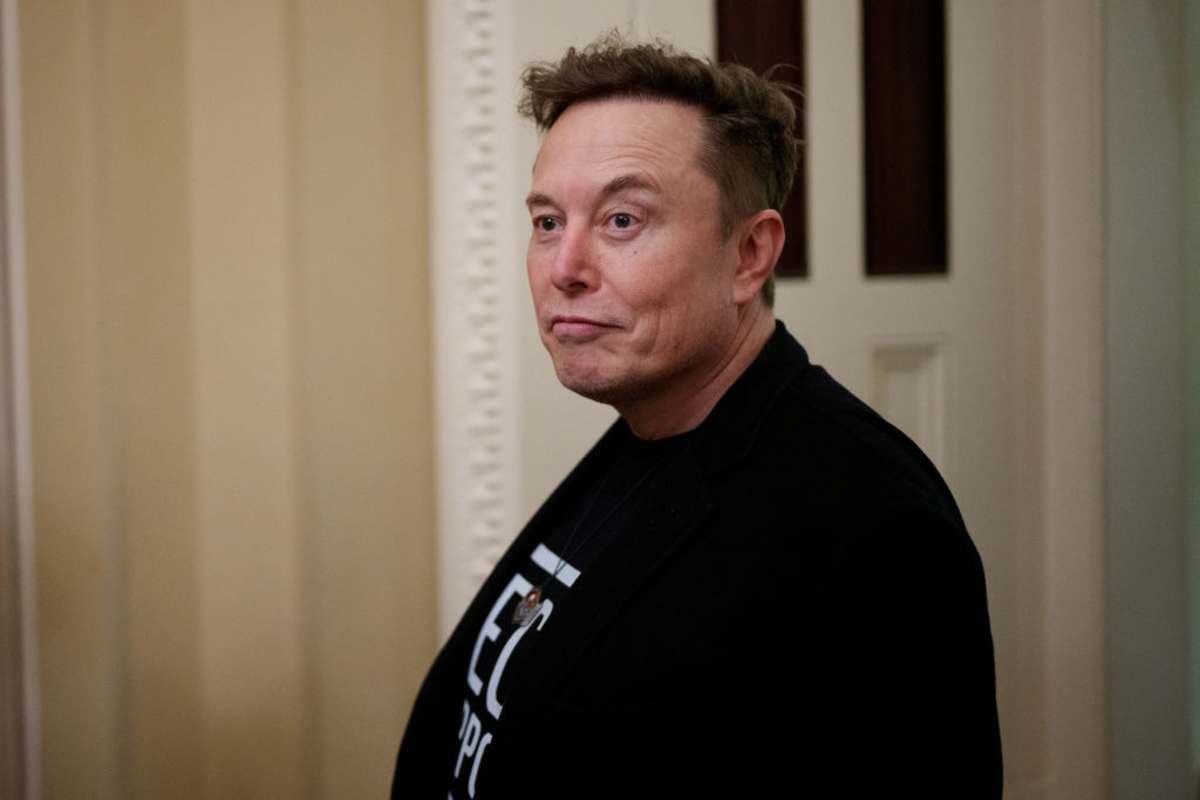
“If there are no jobs and humans won’t be needed for most things, how do people get an income to feed their families, to get healthcare or to pay the rent? There’s not been one serious word of discussion in Congress about that reality,” Sanders said.
He added that lawmakers have largely avoided grappling with what a post-work economy could look like, even as the technology advances at full speed.
Beyond jobs, Sanders said AI’s influence on children is another red flag that deserves immediate study.
“Kids now among other things, kids can't read books anymore. It's too hard. Their attention span is too weak. So what we need to do is, I worry very much about kids spending their entire days getting emotional support. So we have got to take a hard look on that,” he said.

The senator argued that if research shows AI is contributing to increased isolation or mental health problems, lawmakers will have to step in.
If studies and research determine that AI is causing more isolation and mental health issues, Sanders said lawmakers needed to figure out how to stop it.