Bessent calls Zelensky ‘reckless’ over claims Trump restricted Ukraine’s Starlink access
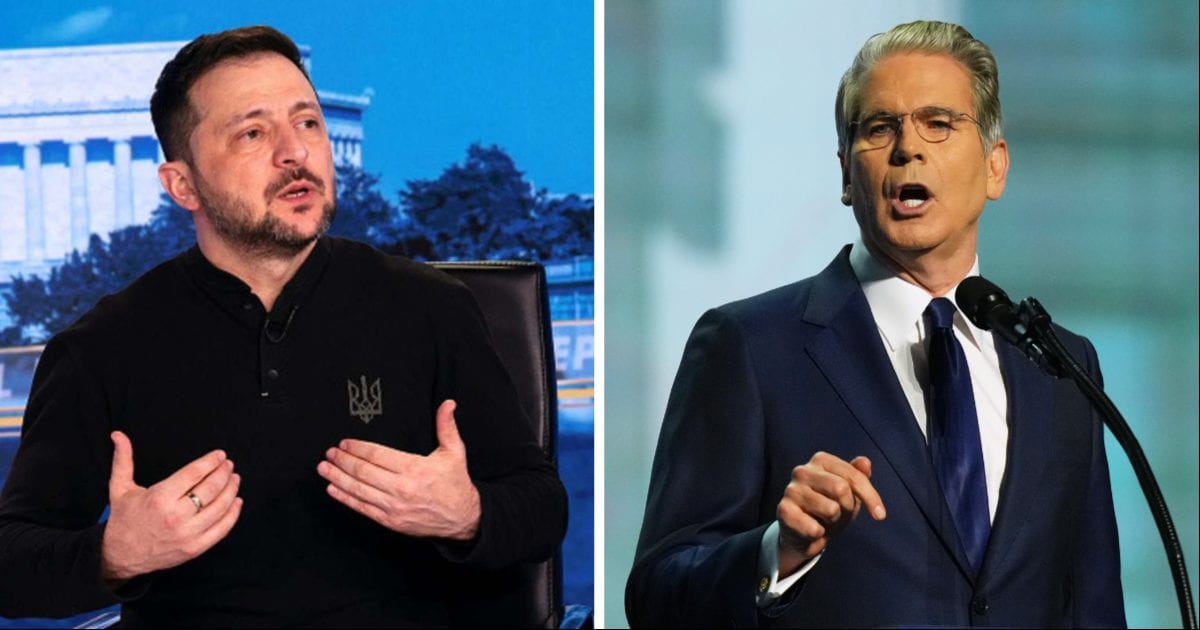
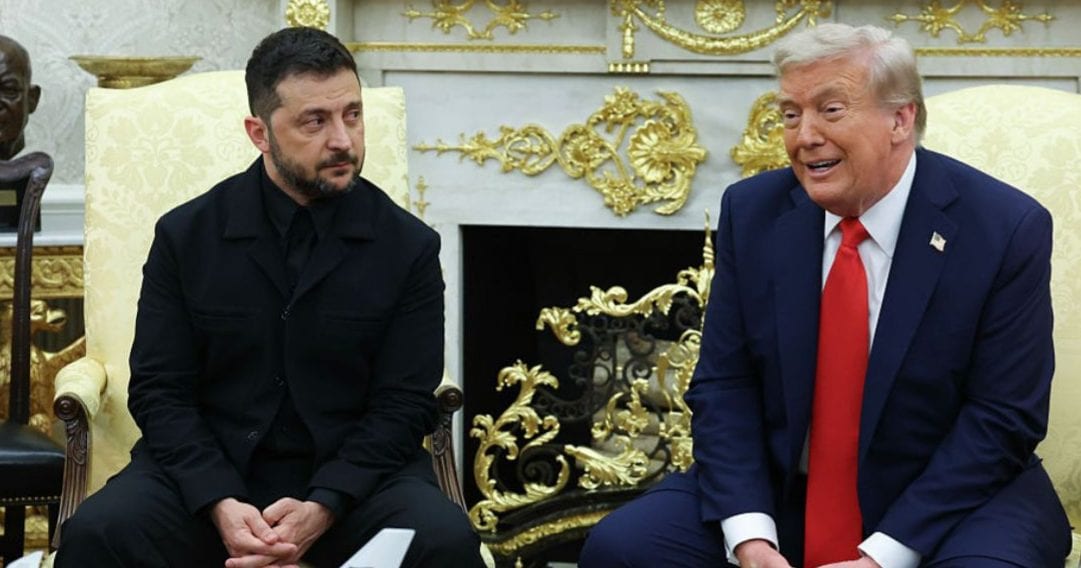
WASHINGTON, DC: Following Donald Trump’s move to ease sanctions on Russian diesel, tensions between Washington and Kyiv appear to be deepening, with Scott Bessent publicly rebuking Volodymyr Zelensky.
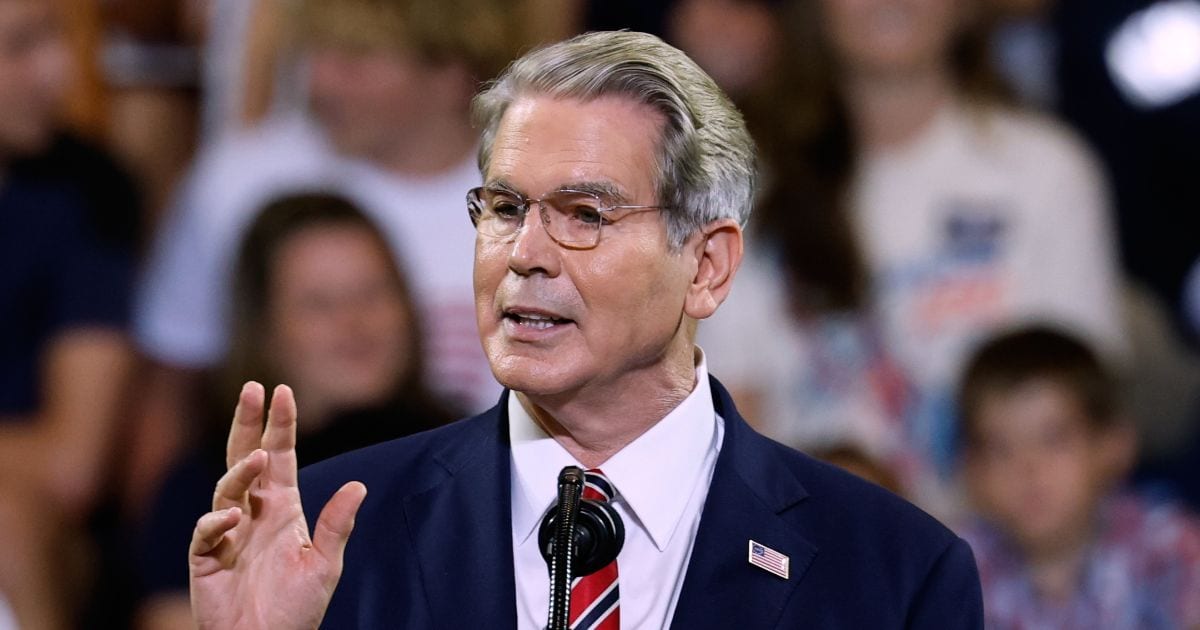
The 64-year-old Treasury Secretary criticized the Ukrainian president for publicly accusing the Trump administration of throttling his country's access to a military version of Starlink. Bessent called Zelensky's allegations "very reckless" and warned him against making statements he said were untrue.
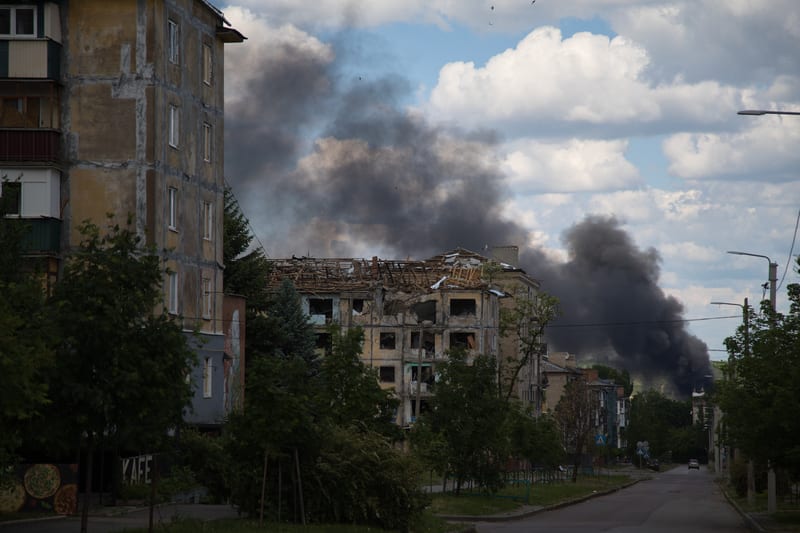
Ukraine depends on US intelligence to warn of incoming Russian missile strikes. While European allies can provide some intelligence support, US capabilities remain crucial for detecting the launch of ballistic and cruise missiles.
Zelensky accuses US of restricting military Starlink access
The disruption was reported last week, when Ukraine claimed its military lost access to the military version of Starlink during three days of Russian ballistic missile attacks.
According to a source familiar with the matter, Starlink services were restricted for objects moving at speeds exceeding 100 mph, affecting Ukrainian drones, aircraft and helicopters.
Some Ukrainian officials suggested the move to limit Starlink access may have originated in Washington.
Zelensky doubled down on the claims during his recent 'Meet the Press' appearance, where he told the host that "It was a message from the American government to limit this feed and technically SpaceX did it."
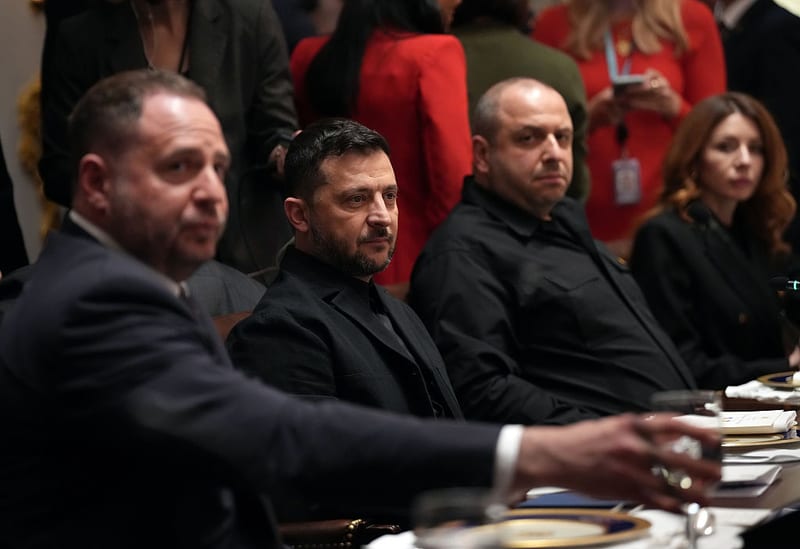
"I don’t know from whom, what cabinet and et cetera. And I think it doesn’t work either way. But I don’t know, really. But we think — it’s not my opinion. It’s the opinion of our generals, of our government, and of course my opinion also, the same," he further added.
Bessent calls Zelensky's Starlink allegations reckless
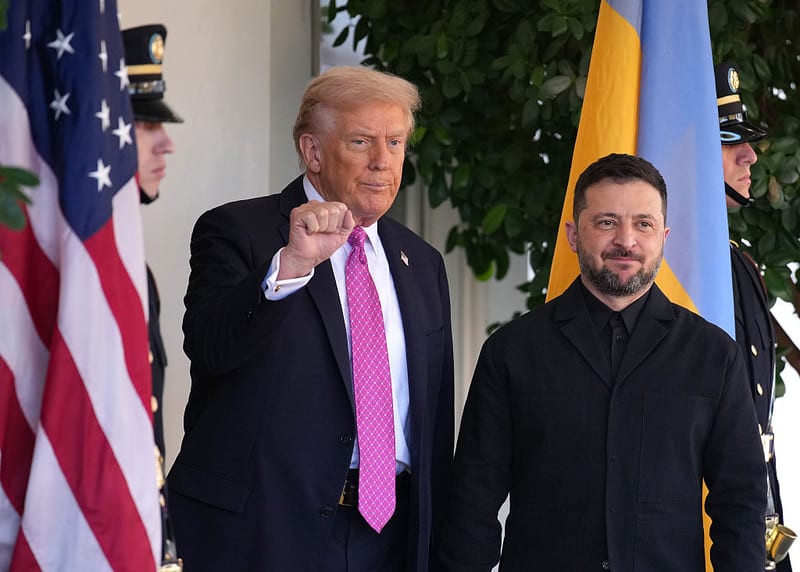
Trump pushed back against Zelensky's accusations on Friday, insisting that neither he nor SpaceX founder Elon Musk caused the Starlink disruption earlier in the week.
"I didn’t do that. No, we didn’t do that at all. In fact, I don’t even think it was slowed down from what I understood. Because I just checked this morning," Trump told reporters Friday.
"I heard about it from the news, the media. And we didn’t slow it down at all. And I think it’s probably functioning, from what I understand," he continued.
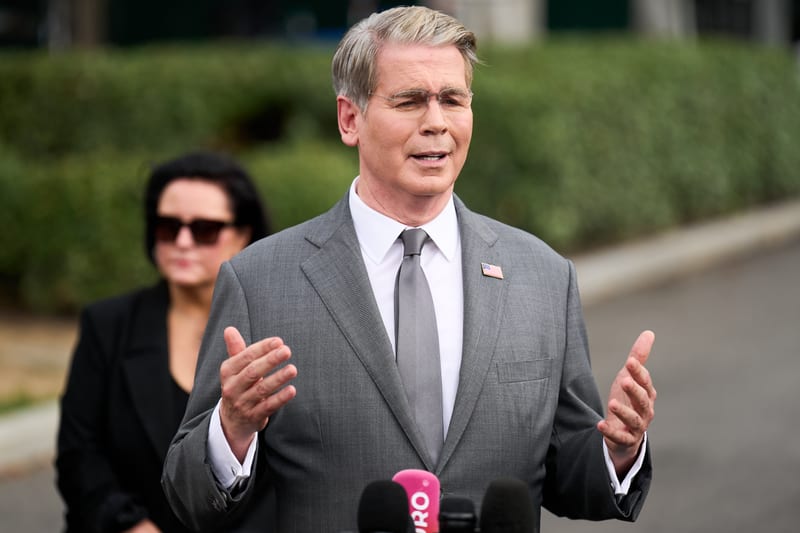
Bessent echoed Trump's denial during an interview with NBC News' Kristen Welker, arguing that the administration had already addressed the allegations.
"President Trump and Secretary [of State Marco] Rubio have categorically said that no one in the Trump administration did that. And I think it is very reckless for President Zelensky to make such a charge," Bessent said.
When Welker pressed him on how the disruption had occurred, Bessent acknowledged that he did not know the cause.
"Again, I don't know anything about that, but we've been very clear," Bessent said. "President Zelensky should be very careful about making statements like this that aren't true."
Bessent defends Trump's decision to ease Russian diesel restrictions
Bessent also defended Trump's decision to ease restrictions on Russian diesel and delay the implementation of additional sanctions against Moscow outlined in a bipartisan bill named after the late Sen. Lindsey Graham.
"The only thing that has been lifted is the diesel embargo. And, you know, I will point out the UK in May waived their embargo on diesel and jet fuel made with Russian crude," Bessent said.
He questioned why Zelensky had criticized Washington over the decision while refraining from similar criticism of European allies.
"Where’s the outrage for the rest of the world? President Zelensky does not criticize his European partners," Bessent added.
"The Europeans are financing the Russian war machine. The US imports $4 billion of Russian products. One-point-eight billion of that [is] fertilizer. Europeans import more than ten times that."
Bessent's remarks placed the dispute over Starlink alongside broader disagreements between Washington and Kyiv over US policy toward Russia, including sanctions and the continued import of Russian products.