Body language expert says Trump 'wasn't trying to dominate' Xi at White House state dinner
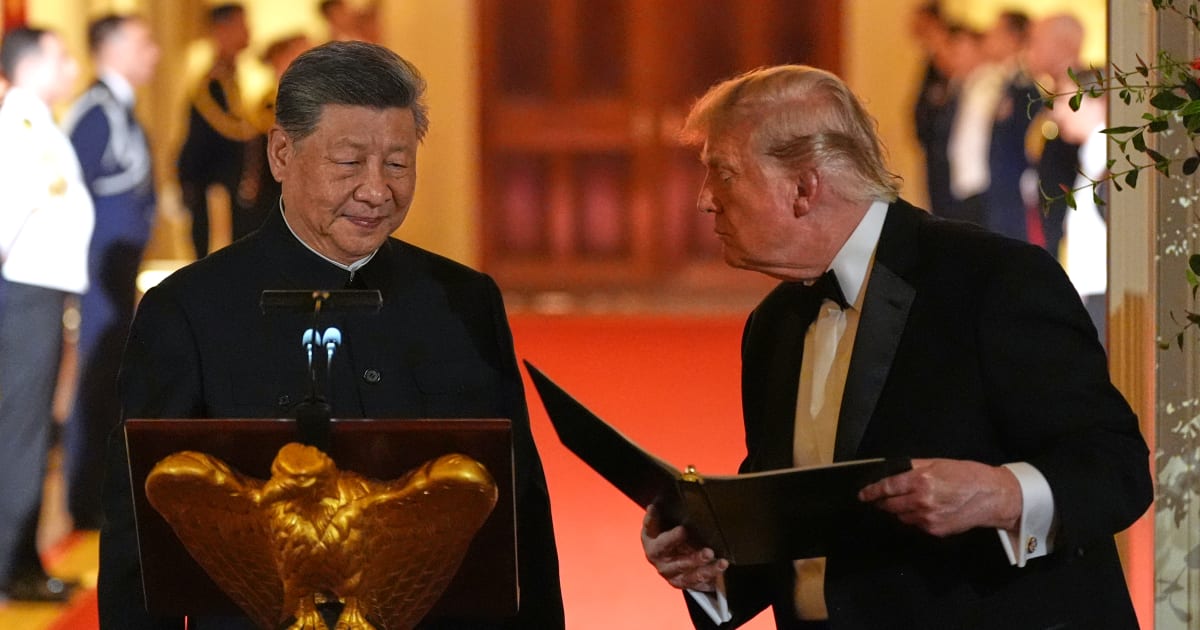
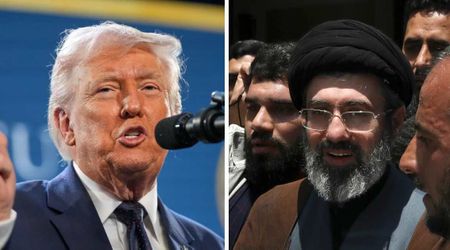
WASHINGTON, DC: President Donald Trump didn’t try to dominate Chinese President Xi Jinping during the White House state dinner on Thursday, September 24.
Instead, he aimed to "connect," at least according to Sean Johns, a body language expert who’s spent two decades studying how people communicate without words. Johns told the New York Post that from their first handshake on the North Portico, all the way to the formal toast, Trump looked intent on making Xi feel genuinely welcomed.
An unusually restrained handshake
Johns noticed the 80-year-old “closed the distance” and “came towards” Xi during the arrival ceremony on the North Portico, which he found “not typical for Donald Trump.”
“Closing the distance between people is trying to kind of like connect. In a strange way, you’re connecting. So you’re closing that gap,” he explained.
.@POTUS and @FLOTUS welcome President Xi and Madame Peng back to the White House for tonight’s official state dinner pic.twitter.com/u0A8Lc2ilA
— Rapid Response 47 (@RapidResponse47) September 24, 2026
“What we’re looking at with this handshake is what was not there,” Johns said. “Because Donald Trump is known for the aggressive handshake. He shakes for too long. He kind of grabs you by the arm often. And with President Xi, he didn’t do that.”
Trump’s approach to the handshake was “more of a sign of respect,” according to the body language expert.
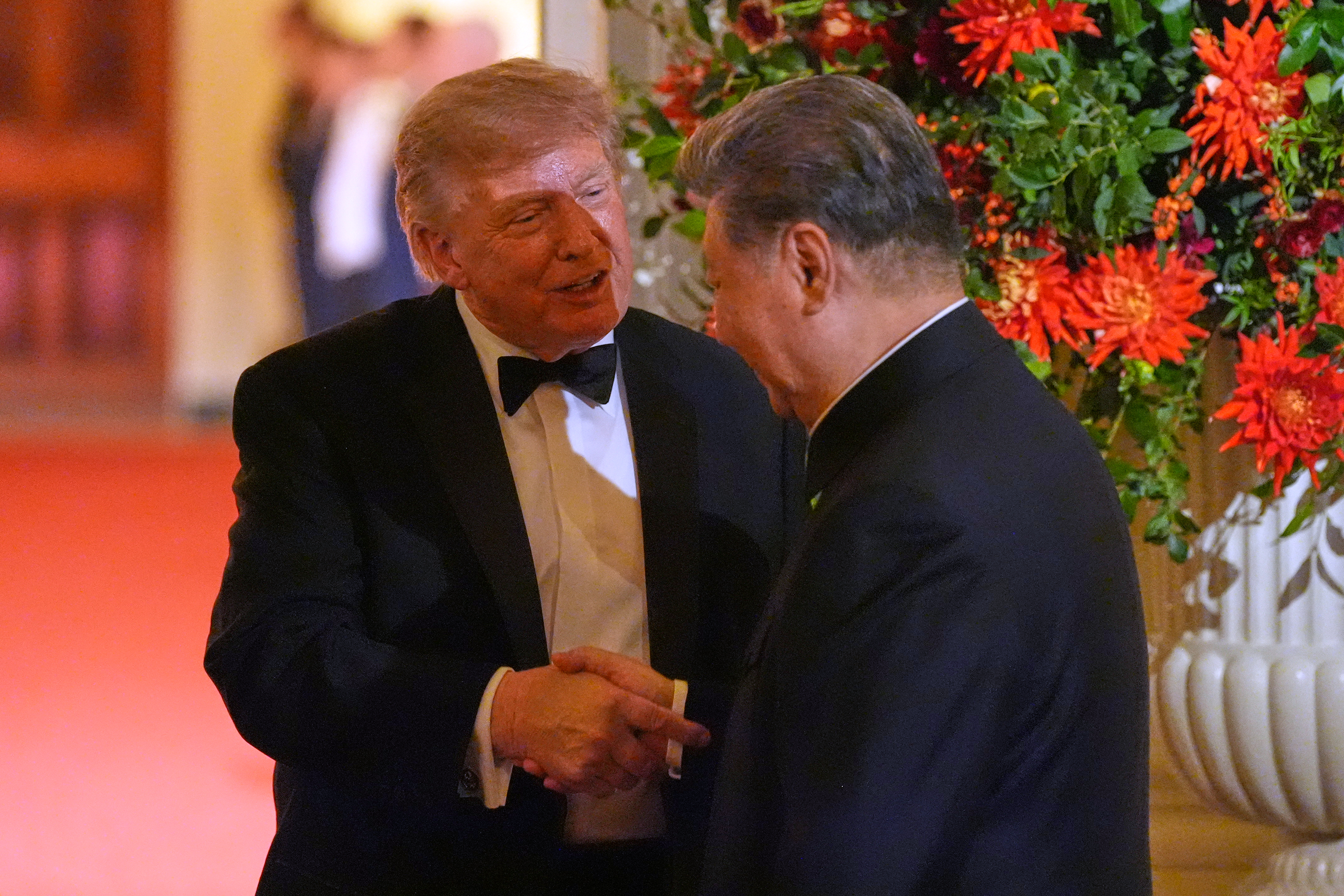
“I think that he wasn’t trying to dominate, which he usually does,” Johns said, noting that Trump typically overdoes it with handshakes and aggressive pats on the back “depending on who he’s dealing with.”
Mixed signals during the toast
Johns identified several moments of what he called "incongruence" between Trump's words and body language during his toast.
“This showed that there was a lot of respect for [Xi]. And it was a very two-sided thing,” he continued, adding that both leaders “looked quite comfortable around each other … and there was no dominance play from either side.”
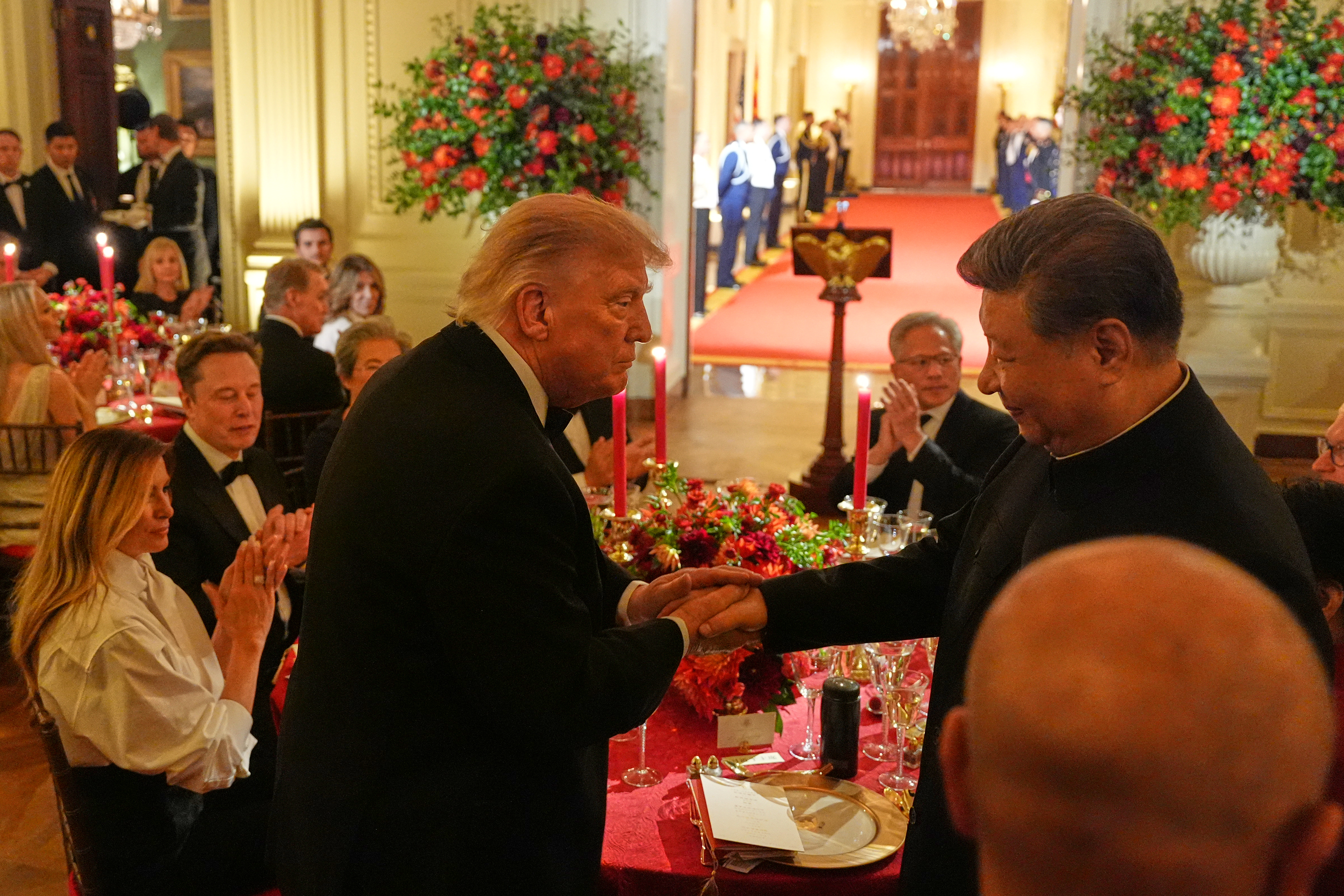
Johns pointed out that at the end of the handshake Trump forced “a little false smile,” which he would later deploy again during his toast for Xi.
“He emphasized that ‘We’re delighted to have you here,’ but there was no body language delight … the words were positive, but the body language was neutral,” the expert noted. “And he did this twice.”
Another moment that stood out to Johns during Trump’s speech was when the president went off-script to invite guests to tour the new White House ballroom, which is still under construction.
“That’s the first time where you see a genuine smile,” Johns said, “and he almost came across like a naughty schoolboy.”
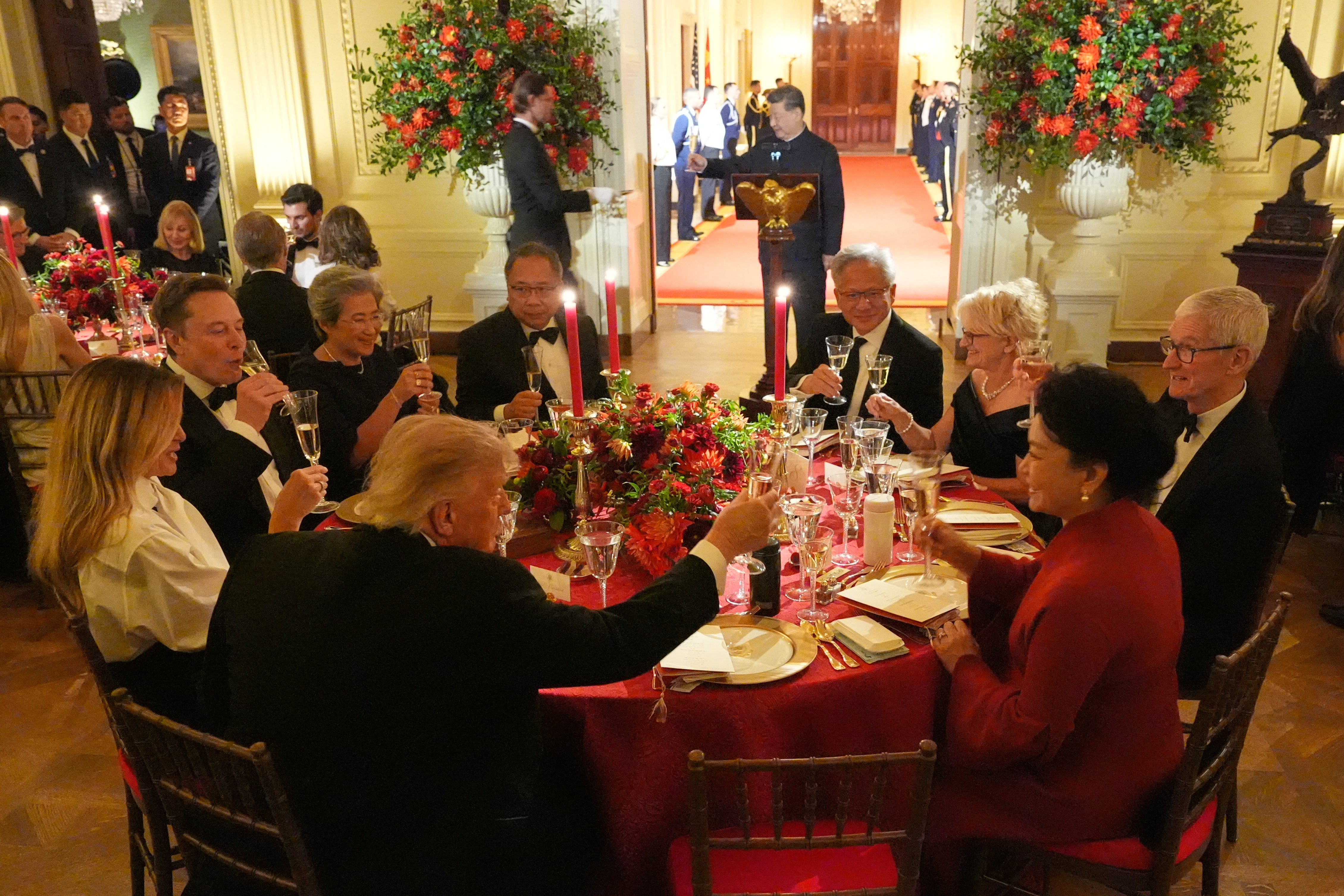
Johns’ biggest takeaway was the “lack of physical, non-verbal aggression” throughout the dinner that Trump “usually shows certain people.”
“I think that what it shows to me is the amount of respect and perhaps the importance of the meeting and the fact that it was an important guest that had importance to even the economy, I would say,” he explained. “So he took that very seriously, aside from the odd joke or two.”