'Bomb and destroy': Trump warns US will strike Iran if ships are attacked in Strait of Hormuz
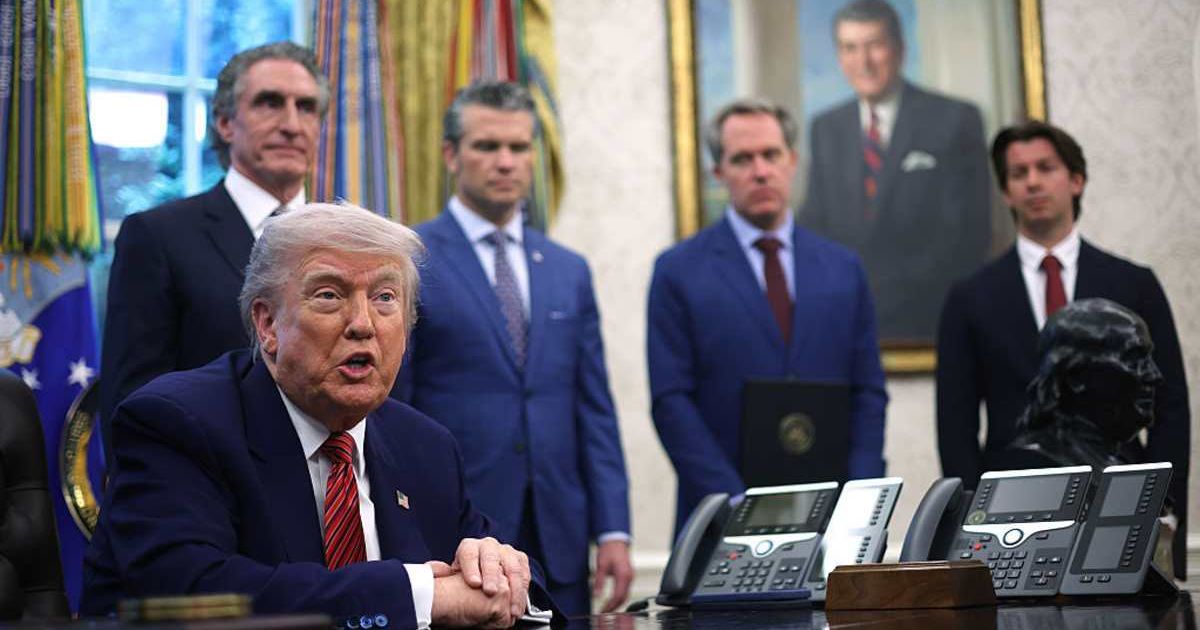
The president said the US would bomb an Iranian bridge or power plant for every future attack on commercial shipping in the Strait of Hormuz
The declaration lays out a defined military response for one of the world's most critical energy and shipping corridors. (Win McNamee/Getty Images)


WASHINGTON, DC: President Donald Trump on Wednesday, July 22, appeared to unveil a new US retaliation doctrine for the Strait of Hormuz, declaring that every future Iranian attack on a ship in the strategic waterway would be met with direct American strikes on Iranian infrastructure.

 In a post on Truth Social, Trump said the United States would "bomb and destroy" one bridge or power plant inside Iran, including facilities in or near Tehran, for every missile, rocket, drone or other attack launched by the Islamic Republic against commercial shipping.

The statement marks one of Trump's clearest attempts yet to define a standing military response tied to a specific Iranian action, raising the stakes in an already escalating regional conflict.

Trump defines retaliation policy
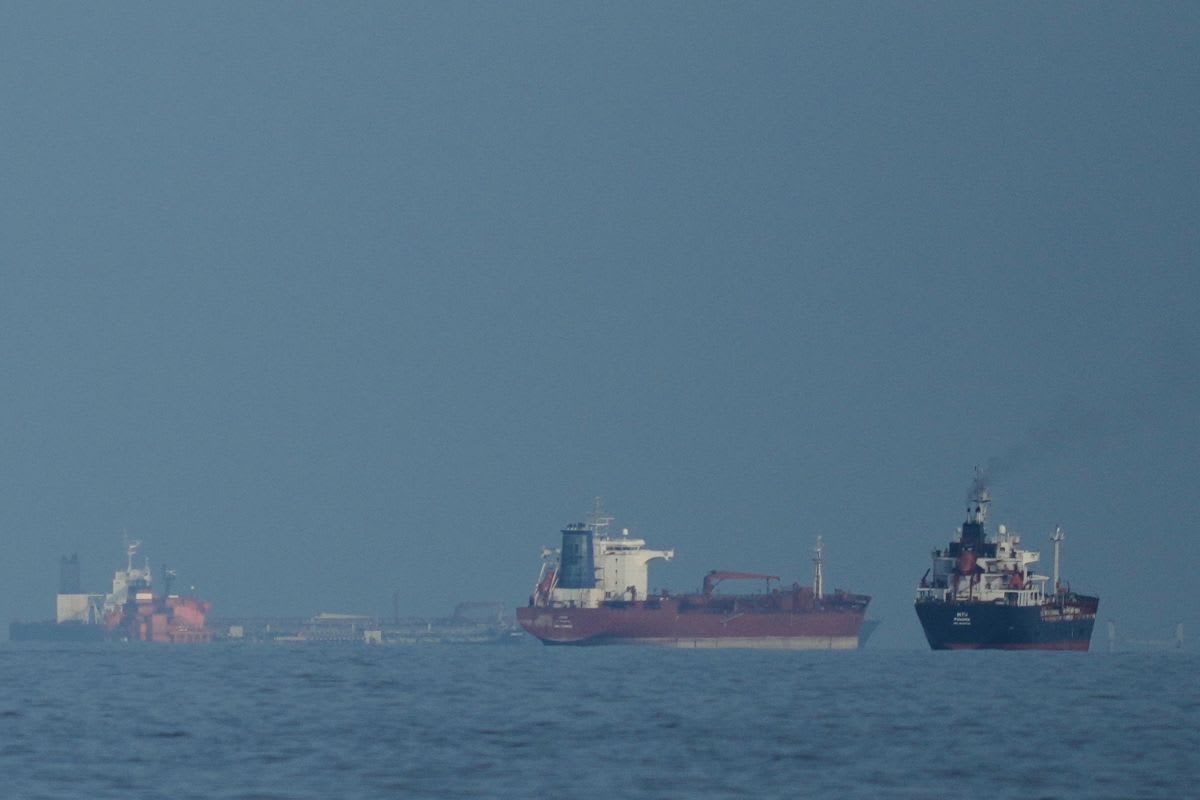
Oil tankers and cargo ships line up in the Strait of Hormuz as seen from Mina Al Fajer, United Arab Emirates, Wednesday, March 11, 2026. (AP Photo/Altaf Qadri)
The president outlined a standing retaliation framework linking every future Iranian attack on commercial shipping to a predetermined U.S. military response.(AP Photo/Altaf Qadri)

Rather than issuing a broad warning, Trump laid out what amounts to a trigger-and-response framework. He said that any future Iranian strike on a vessel in the Strait of Hormuz would automatically prompt the United States to target critical Iranian infrastructure.

"From this point forward," Trump wrote, "any time the Islamic Republic of Iran shoots at a ship in the Strait of Hormuz... the United States will bomb and destroy ONE BRIDGE OR POWER PLANT." By specifying both the trigger and the type of target, Trump's message goes beyond previous threats and outlines a clear deterrence strategy aimed at preventing attacks on international shipping.

Hormuz remains global pressure point
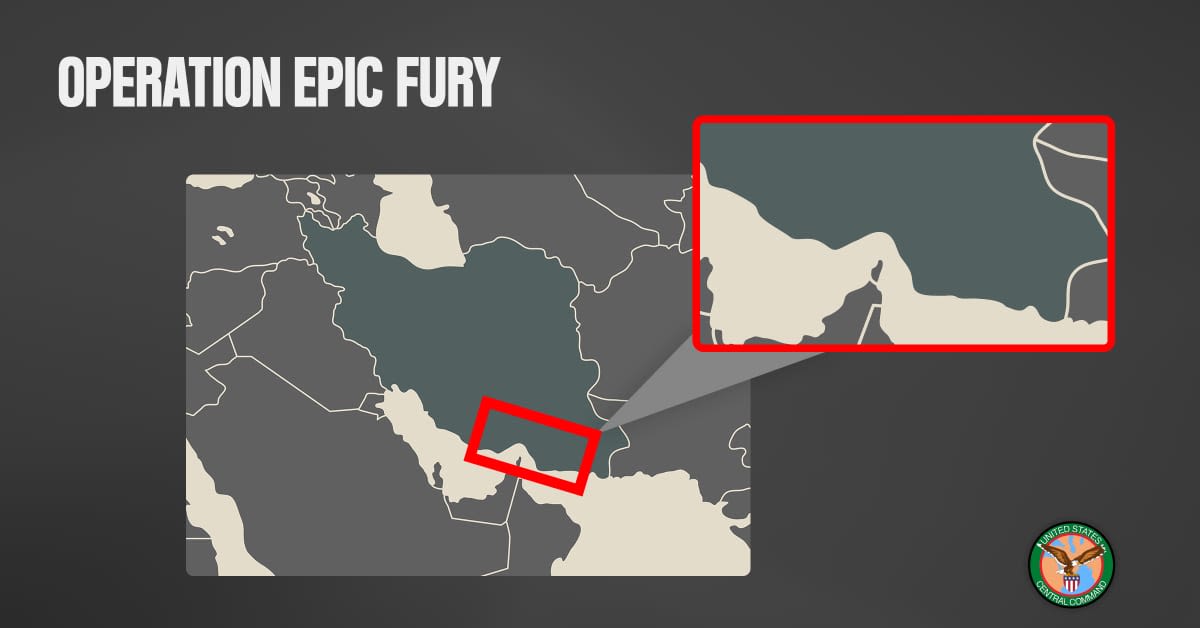
5,000-pound munitions hit coastal targets to stop threats against global shipping. The military mission aims to neutralize hardened launch sites that have paralyzed the waterway (@CENTCOM/X)
The Strait of Hormuz carries a significant share of the world's seaborne oil exports, making any threat to navigation a global economic concern. (@CENTCOM/X)

The Strait of Hormuz is among the world's most strategically significant maritime chokepoints, carrying roughly one-fifth of global oil consumption and serving as the primary export route for Gulf energy producers. Even limited military activity in the narrow waterway has historically sent oil prices higher and disrupted international shipping.

Iran has repeatedly threatened to interfere with maritime traffic in the strait during periods of heightened tensions with the United States and its allies. Trump's latest declaration signals that the administration now intends to treat attacks on commercial vessels as a direct trigger for immediate military retaliation against Iranian infrastructure rather than responding on a case-by-case basis.

Warning raises regional stakes 
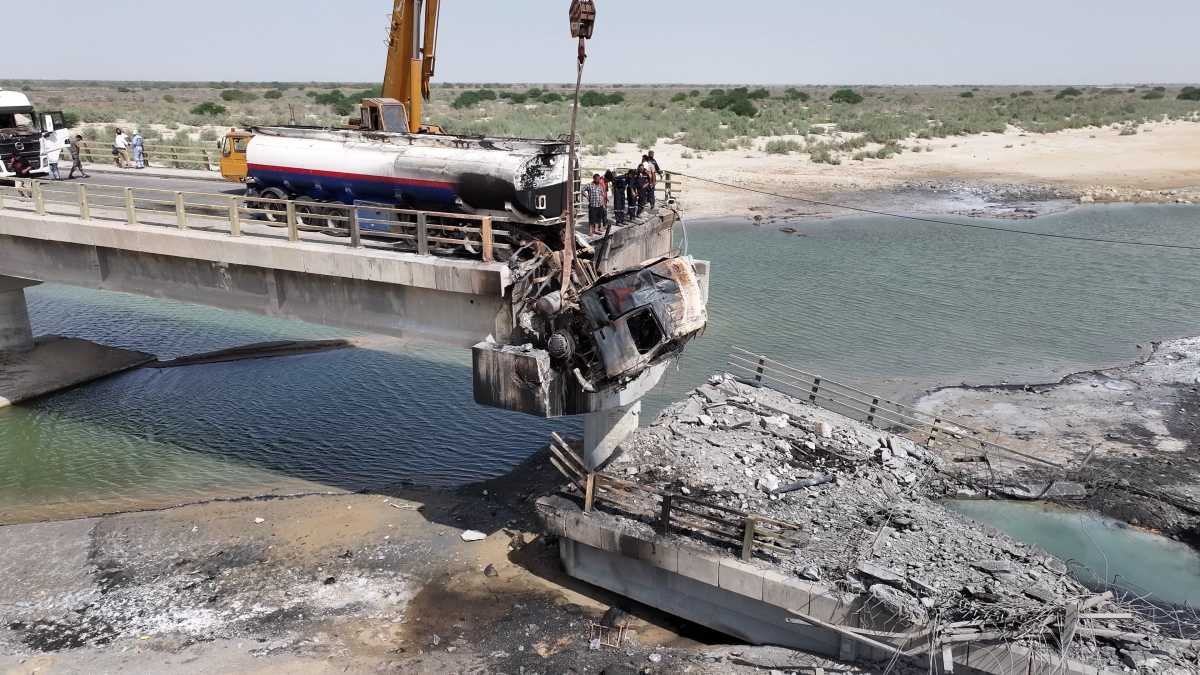
In this handout photo by Morteza Akhoundi via Getty Images, workers clean up wreckage around a damaged bridge, following U.S. airstrikes carried out a day earlier, on July 17, 2026 in the southern Hormozgan Province, Iran. The strikes targeted bridges linking Hormozgan province with neighboring cities, disrupting key transportation routes, according to Iranian authorities. US Central Command did not confirm a list of its targets but said the recent attacks were intended to
By naming bridges and power plants as potential targets, Trump's warning signals a broader retaliatory strategy that could further escalate the U.S.-Iran confrontation. (Morteza Akhoundi via Getty Images)

Trump's statement comes as tensions between Washington and Tehran remain elevated following recent military exchanges and growing concerns over shipping security in the Gulf.

 By identifying bridges and power plants as potential targets, including those near Iran's capital, the president significantly broadened the scope of possible US responses beyond military installations alone.

Whether the declaration becomes formal US policy remains to be seen, but the message is likely to be closely watched by Tehran, regional allies and global energy markets.

If implemented, it would establish one of the most explicit deterrence doctrines announced by the Trump administration during the current Iran crisis, directly linking maritime attacks in the Strait of Hormuz to strikes on Iranian infrastructure.

RELATED TOPICS US STRIKES IRAN

GET BREAKING U.S. NEWS & POLITICAL UPDATES
STRAIGHT TO YOUR INBOX.

MORE STORIES

John Thune said Republicans would gladly accept John Fetterman after the Pennsylvania Democrat suggested he would leave the Democratic Party
1 hour ago
Trump skipped the meeting, but his advisers held a second strategy session to coordinate GOP candidates, operations and resources for the midterms
7 hours ago
Zohran Mamdani said NYC lacks authority to enforce the warrant and urged the federal government to join the ICC and arrest Benjamin Netanyahu
8 hours ago
President Donald Trump believes Gianni Infantino is widely respected and has a unique ability to bring people together worldwide
9 hours ago
On Truth Social, Trump said he directed his administration to restore direct US-Lebanon flights, allowing Americans to visit Lebanon more easily
10 hours ago
The court found that Peter Navarro failed to provide evidence showing Donald Trump had formally asserted executive privilege
10 hours ago
Leaving the courtroom, Trump's attorney Alejandro Brito declined to comment on the judge's ruling or say whether Trump would appeal the decision
12 hours ago
Gary Peters criticized Pete Hegseth over the Pentagon's nearly $70 billion funding request, calling the Trump administration's Iran campaign a failure
12 hours ago
Chuck Schumer criticized Donald Trump for downplaying the deaths of 18 US service members, calling his remarks 'beneath contempt'
13 hours ago
The Justice Department is investigating whether Harvard's China-linked scholarships discriminated against American students
20 hours ago