CENTCOM official confirms secret list of journalists, command later denies it exists
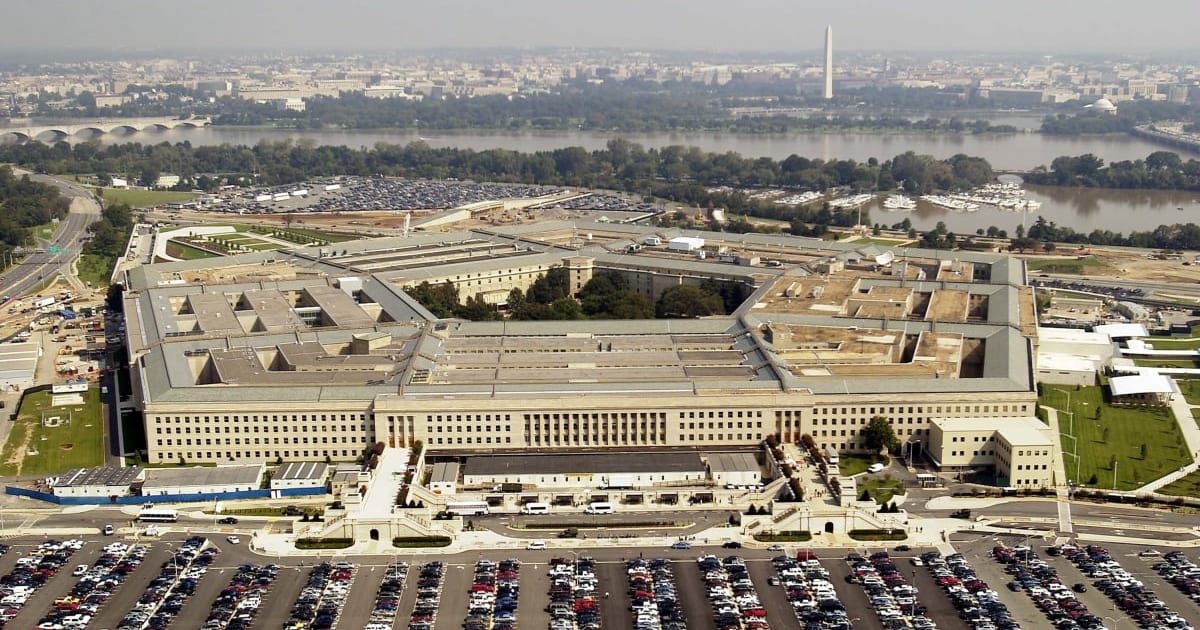
WASHINGTON, DC: A CENTCOM public affairs official confirmed a secret list of journalists to be disregarded, while the command later denied having such a list.
Richard Allee, an executive assistant with CENTCOM public affairs, said he was not authorized to identify reporters on the list, but confirmed it was not publicly disclosed.
The disclosure came after an Intercept reporter repeatedly called CENTCOM seeking answers about the Iran war and US casualties, according to the Intercept’s report published Monday, August 24.
CENTCOM official confirms the list exists
“You’ll be put on a list of people to disregard,” Allee told the reporter.
When asked whether CENTCOM had a list of journalists to disregard, Allee responded, “Yes.”
Asked which reporters or outlets were currently on it, he said, “I’m not privy to give you that information.”
Allee said the list was not public and warned the reporter that repeatedly calling would not produce answers.
“They’re not going to answer your call if you just keep calling and calling,” he said.
The exchange followed more than two hours on hold and repeated calls to CENTCOM after Maj Emma Thompson, the command’s media operations chief, declined to answer questions about Iranian attacks on US bases, differing casualty counts and medical evacuation flights.
Thompson repeatedly responded, “Nothing for you,” “Don’t have anything for you,” and “No comment,” before hanging up during a question.
CENTCOM later denies having a blacklist
After Allee confirmed the list, the Intercept sent additional questions to CENTCOM about journalists who had run afoul of the command.
The press office then directly disputed the disclosure in an email, writing: “CENTCOM does not have a ‘blacklist.’”
That response creates a direct contradiction between the command's written denial and Allee's earlier confirmation that a list of journalists to disregard exists.
Seth Stern, director of advocacy for the Freedom of the Press Foundation, criticized the practice and said, “Threatening journalists with placement on a blacklist in retaliation for reporting the government doesn’t like is as unconstitutional as it gets.”
Stern also challenged previous Pentagon claims that its restrictions on journalists were content neutral, saying the disclosure should “put to rest” those claims.
Pentagon press restrictions add to dispute
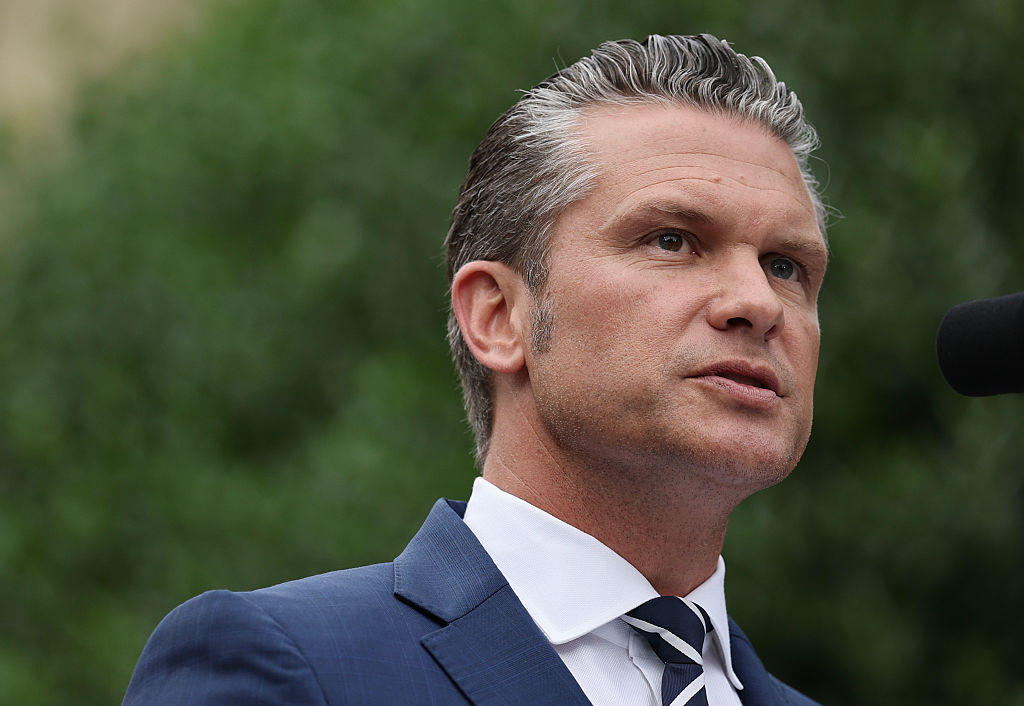
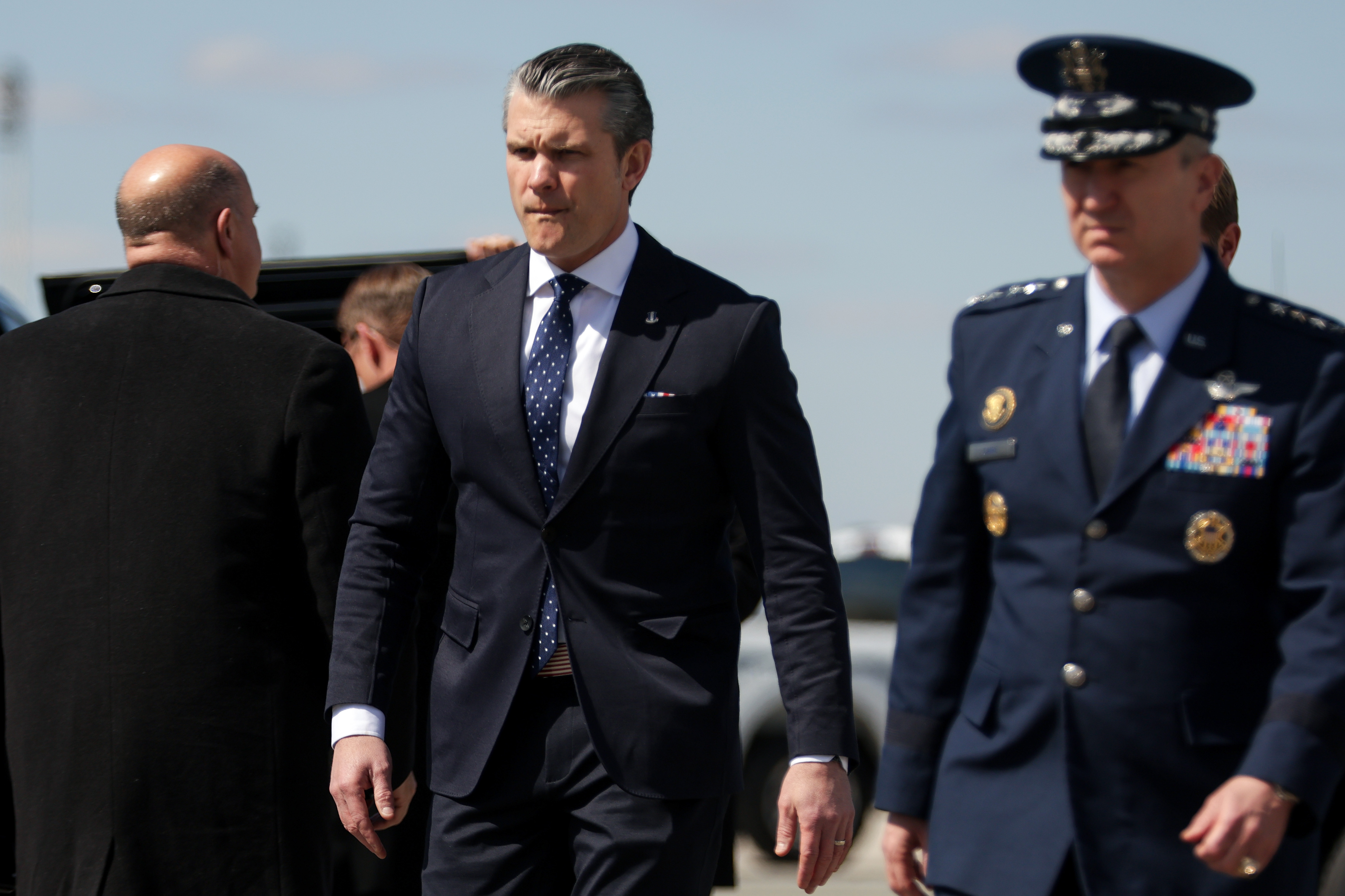
The exchange comes as the outlet describes broader restrictions on journalists under Defense Secretary Pete Hegseth, including limits on Pentagon access and a policy requiring reporters to pledge not to gather unclassified information unless its release was authorized.
As part of his war on the press, Hegseth evicted the New York Times, NPR, and other outlets from their long-held desks in the Pentagon and replaced them with sycophantic fellow-travelers like the One America News Network, the New York Post, and Breitbart, as per the report.
Hegseth later shuttered a decades-old Pentagon pressroom and began conducting polygraph tests to prevent leaks, it stated.
The report also recounts an earlier dispute involving the same reporter, who said US Africa Command stopped responding to him in 2018 after he reported on alleged prisoner torture at a military base in Cameroon.
Then-Lt Cmdr Anthony Falvo told the reporter, “No, just you. We don’t consider you a legitimate journalist, really.”
A US official who spoke anonymously said Hegseth’s office had a standing order not to engage with the reporter, though the official said it would deny the order if challenged.
Stern said the issue was “censorship and intimidation” and called on CENTCOM to identify who was on the blacklist and why.