Congress has a new Epstein files plan, but one question could decide its fate
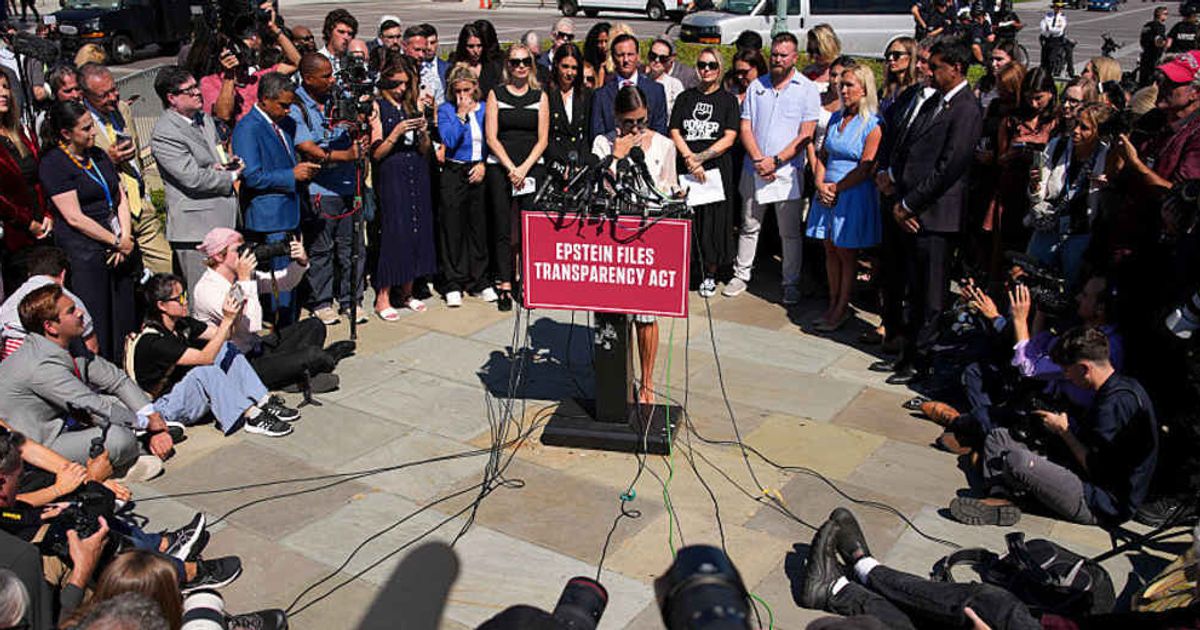
Lawmakers want stronger powers over Epstein file releases, but political and legal hurdles could decide whether anything changes
A bipartisan push to strengthen the Epstein Files Transparency Act is raising fresh questions about whether Congress can force broader DOJ disclosures. (Andrew Harnik/Getty Images)

WASHINGTON, DC: Frustration over the Justice Department's handling of the Jeffrey Epstein files has prompted lawmakers from both parties to unveil the Epstein Files Transparency Act II (EFTA II), a proposal designed to close loopholes critics say undermined the original law.

But while the new legislation promises tougher enforcement and broader access to records, legal experts caution that its biggest challenge may not be what it would do, it is whether it can survive Congress and ultimately become law.

New bill adds legal muscle
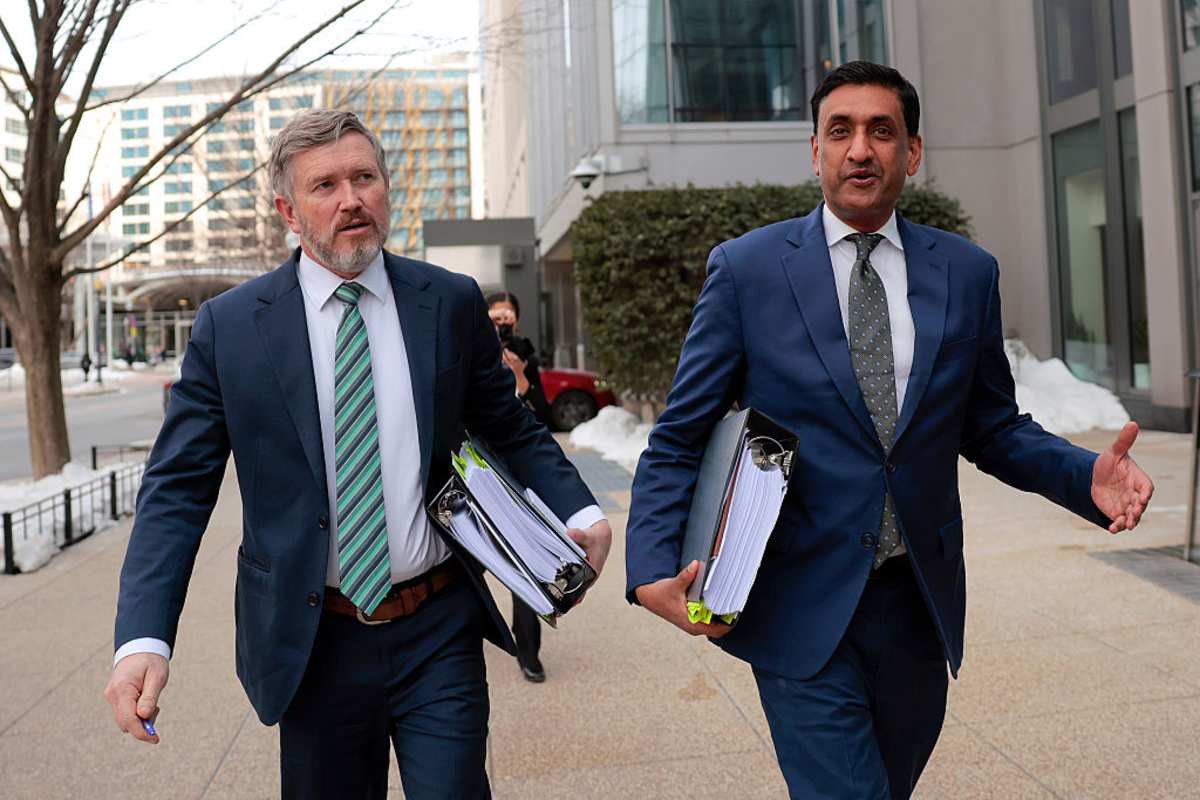
WASHINGTON, DC - FEBRUARY 09: U.S. Rep. Thomas Massie (R-KY) (L) and Rep. Ro Khanna (D-CA) arrive to offices of the Department of Justice on February 9, 2026 in Washington, DC. Khann and Massie, the co-authors of the Epstein Files Transparency Act, were permitted to review an unredacted version of the Epstein files today as part of their ongoing investigation. (Photo by Heather Diehl/Getty Images)
EFTA II would give survivors, state attorneys general and Congress clearer legal authority to challenge the DOJ over withheld records. (Heather Diehl/Getty Images)

Supporters say the proposed legislation directly addresses the biggest criticism of the original Epstein Files Transparency Act, which required the Justice Department to release investigative records but provided few practical tools to compel compliance when deadlines were missed or documents remained heavily redacted.

Under EFTA II, Epstein survivors, state attorneys general, local prosecutors and members of Congress would gain standing to challenge the Justice Department in court if records required under the law are withheld.

 Survivors would also be entitled to obtain unredacted records relating to themselves, including FBI interview transcripts, while prosecutors could request unredacted investigative material needed for criminal cases.

The proposal would also subject Justice Department and FBI officials to existing federal criminal penalties if they knowingly conceal, destroy, falsify or improperly withhold records covered by the law.

Political reality clouds proposal

Despite bipartisan sponsorship, legal analysts say passing the legislation will be far from straightforward.
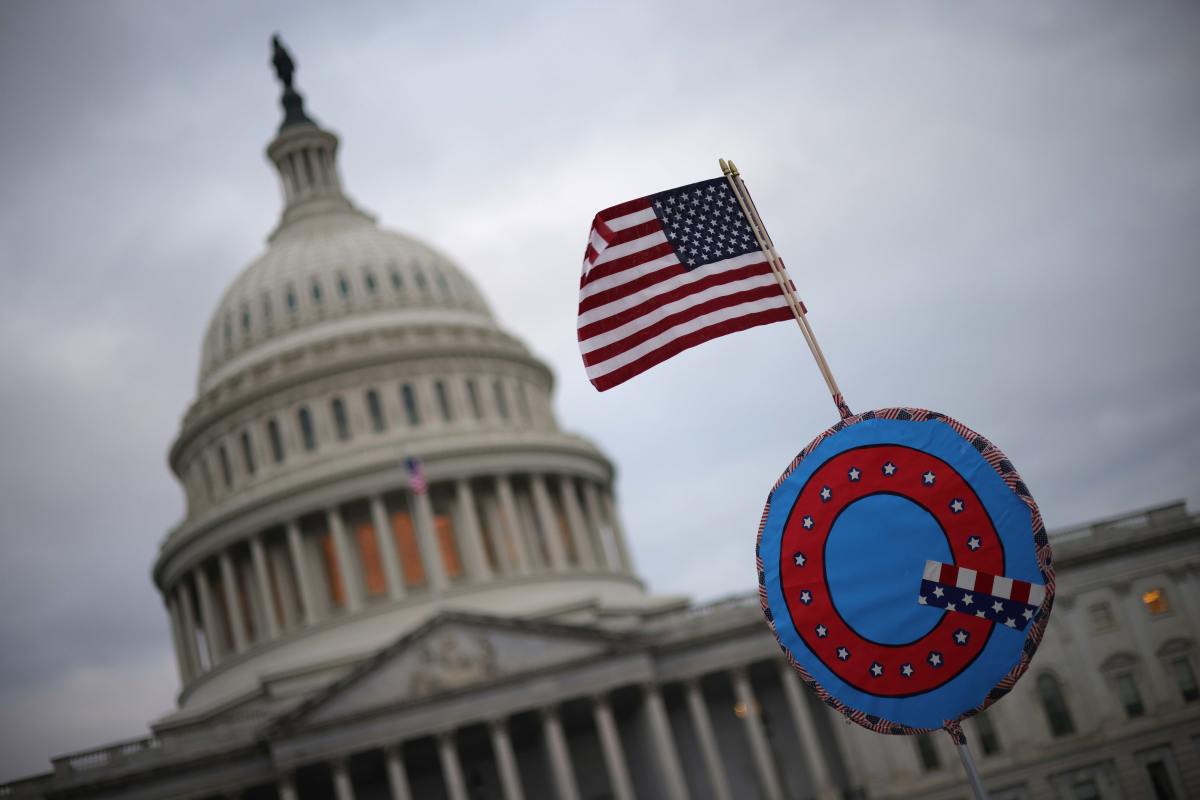
WASHINGTON, DC - JANUARY 06: Supporters of U.S. President Donald Trump fly a U.S. flag with a symbol
Despite bipartisan backing, the proposal must clear both chambers of Congress before it can reach the president's desk. (Getty Images)

The bill would still need approval in both the House and Senate, where it could face procedural hurdles, including the Senate's 60-vote threshold for most legislation. Even if lawmakers overcome those obstacles, the proposal would still require presidential approval before becoming law.

Legal experts argue that the legislation's biggest test is not whether its transparency provisions are stronger, but whether Congress has the political support to enact them. The proposal reflects growing dissatisfaction among lawmakers who believe the original rollout failed to deliver the level of disclosure many expected.

Would the new law change much?

Even if enacted, observers say implementation could remain challenging because the same Justice Department responsible for releasing the records would still oversee compliance.
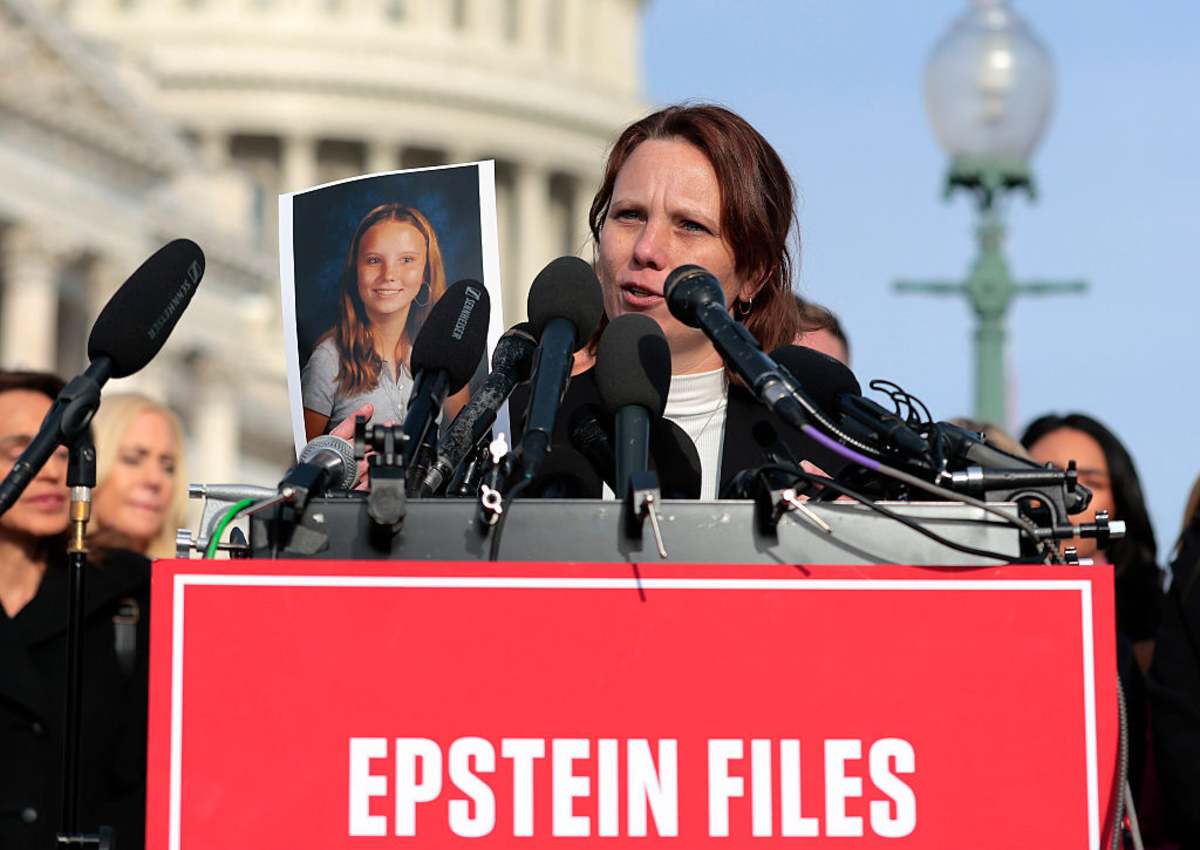
Epstein abuse survivor Jena-Lisa Jones holds up a photo of her younger self during a news conference with lawmakers on the Epstein Files Transparency Act outside the U.S. Capitol on November 18, 2025, in Washington, DC. (Photo by Heather Diehl/Getty Images)
Legal experts say stronger enforcement powers could improve transparency, but implementation would still depend heavily on the Justice Department. (Heather Diehl/Getty Images)

Supporters argue that granting courts, state attorneys general and survivors clearer legal standing would create meaningful accountability that was absent under the original act. They contend the measure would give independent parties stronger tools to seek judicial enforcement rather than relying solely on voluntary compliance from federal agencies.

For survivors and transparency advocates, the proposal represents an attempt to turn broad promises into enforceable legal obligations.

Whether it ultimately transforms access to the Epstein files, however, may depend less on what is written in the legislation than on whether Congress can overcome the political and legal barriers standing in its way.


GET BREAKING U.S. NEWS & POLITICAL UPDATES
STRAIGHT TO YOUR INBOX.

MORE STORIES

Trump dismissed major pollsters as ‘crooked’ after multiple national surveys independently placed his approval rating in the low 30s
12 minutes ago
Mullin’s appearance at the National Governors Association summer meeting in Oklahoma City on Saturday, August 1, sparked rage on several levels
1 hour ago
Todd Blanche scrapped Trump's anti-weaponization fund to win GOP support, but the legal agreement behind it still remains unresolved
1 hour ago
House Speaker Mike Johnson praised Kay Granger's public service, saying she broke barriers for women and 'will be greatly missed'
10 hours ago
Acting AG Todd Blanche has issued a formal order rescinding plans to create a $1.8 billion fund as part of the settlement of Trump's IRS lawsuit
11 hours ago
President Donald Trump argued the joint US-Japan currency intervention would strengthen the alliance while delivering financial gains to America
12 hours ago
President Donald Trump proposed cutting Smithsonian funding below $1 billion for the first time since 2020 as part of his museum overhaul
12 hours ago
Trump said negotiations with Iran would begin Monday, August 3, after halting what he described as the 'biggest attack since World War II'
14 hours ago
'The one thing I can tell you is for certain, Hasan Piker and James Carville are not going to be in the same political party', Carville said
18 hours ago
Bernie Sanders said Democrats should represent working people, young people and communities of color while taking on oligarchs and economic inequality
19 hours ago