Trump's controversial anti-weaponization fund is gone, but the legal fight isn't
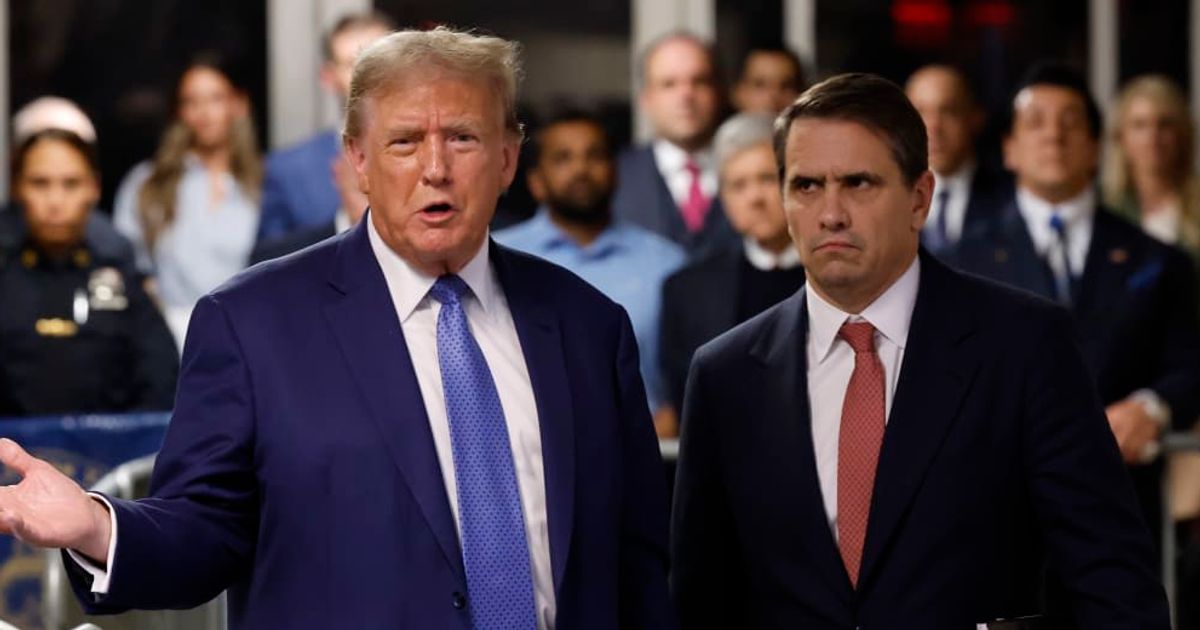
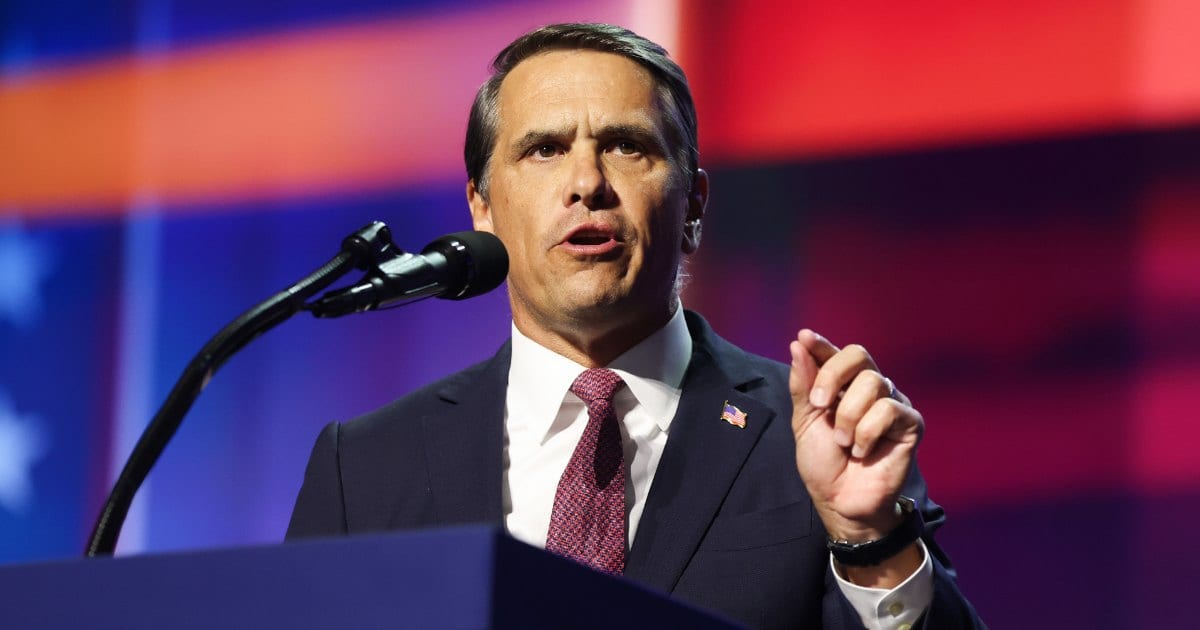
WASHINGTON, DC: Acting Attorney General Todd Blanche has formally dismantled President Donald Trump's controversial $1.776 billion anti-weaponization fund in a dramatic effort to rescue his stalled Senate confirmation.
But while the move addresses the political obstacle blocking his nomination, it does not completely end the legal controversy surrounding the fund.
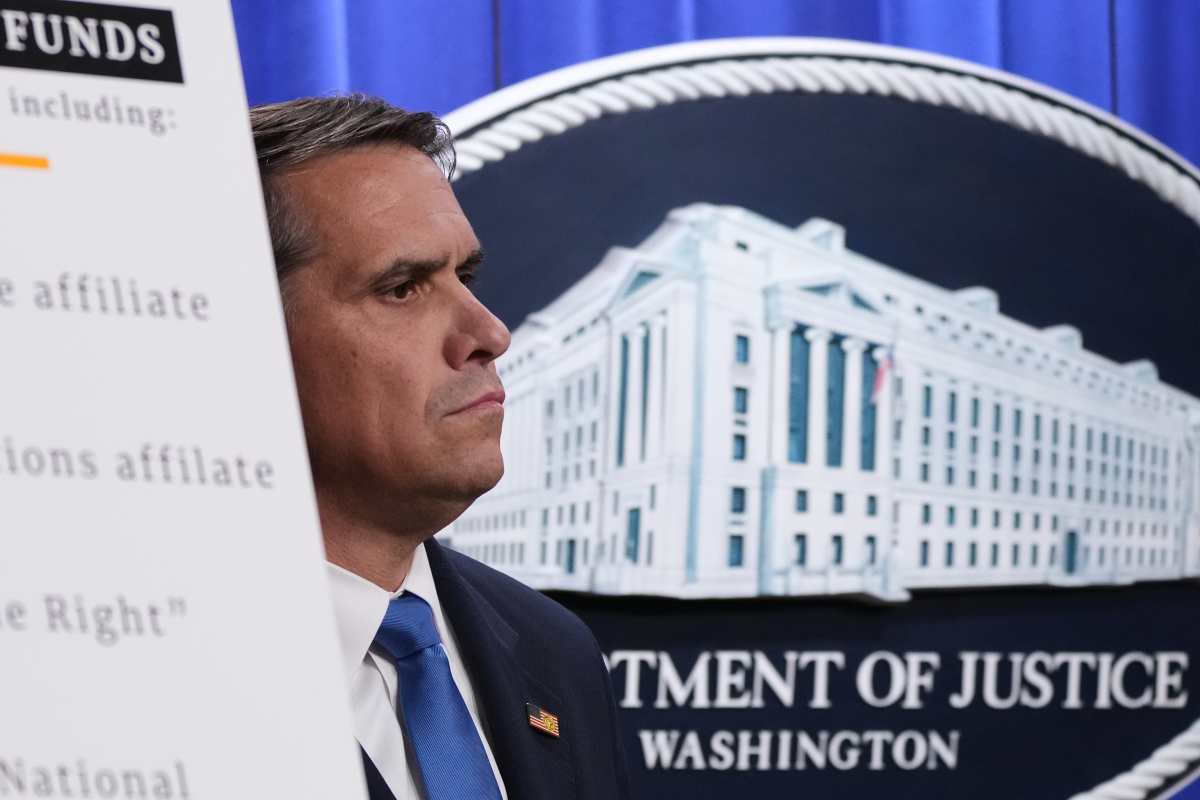
Blanche's order rescinds the Justice Department directive that created the program, yet leaves untouched the underlying settlement agreement with Trump that originally required the department to establish it.
The unusual legal split means Blanche may have resolved one problem on Capitol Hill while leaving another waiting in the courts.
Blanche blinks under Senate pressure
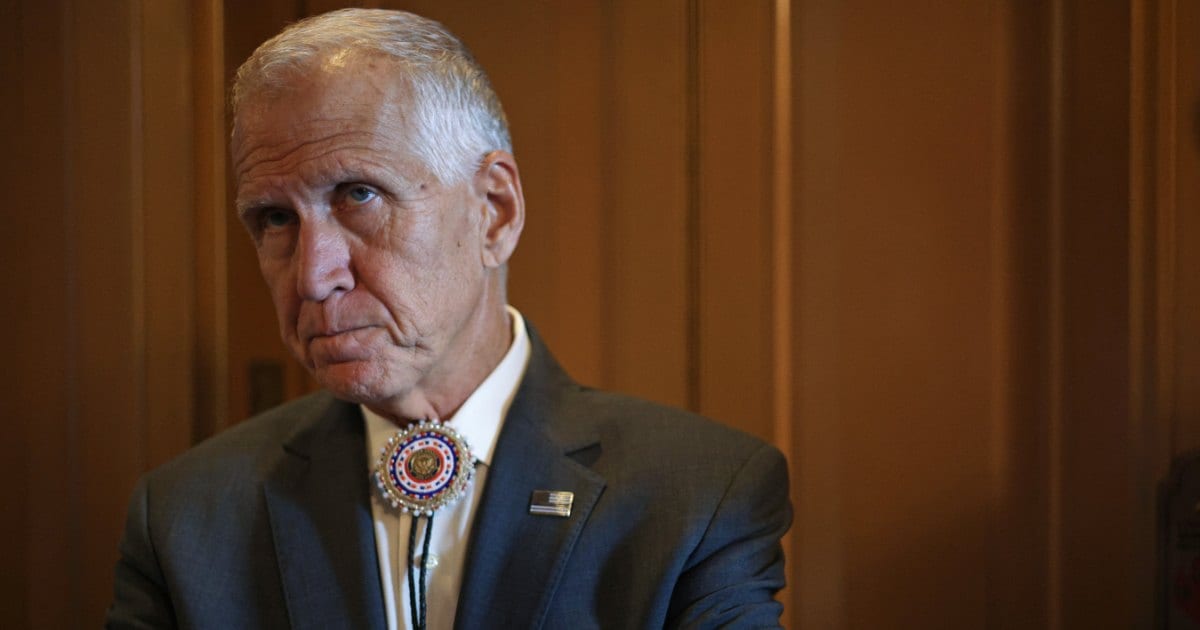
Blanche's decision comes after weeks of resistance from Republican Sens. John Cornyn and Thom Tillis, whose opposition prevented his nomination from advancing through the Senate Judiciary Committee.

The anti-weaponization fund became the central sticking point because it emerged from Trump's settlement with the IRS over the disclosure of his tax returns. The settlement called for a nearly $1.8 billion compensation fund for individuals claiming they had been victims of government "lawfare."
Only a day earlier, Trump had insisted the fund should remain alive and even threatened to pursue it through Congress if necessary. Blanche's reversal therefore marks a significant concession aimed at securing enough Republican votes to move his nomination forward.
Cornyn's office later indicated Blanche's written order satisfied its concerns by permanently terminating the fund and narrowing related audit protections.
Settlement still raises questions
Although Blanche eliminated the order implementing the fund, the legal settlement itself remains in place.
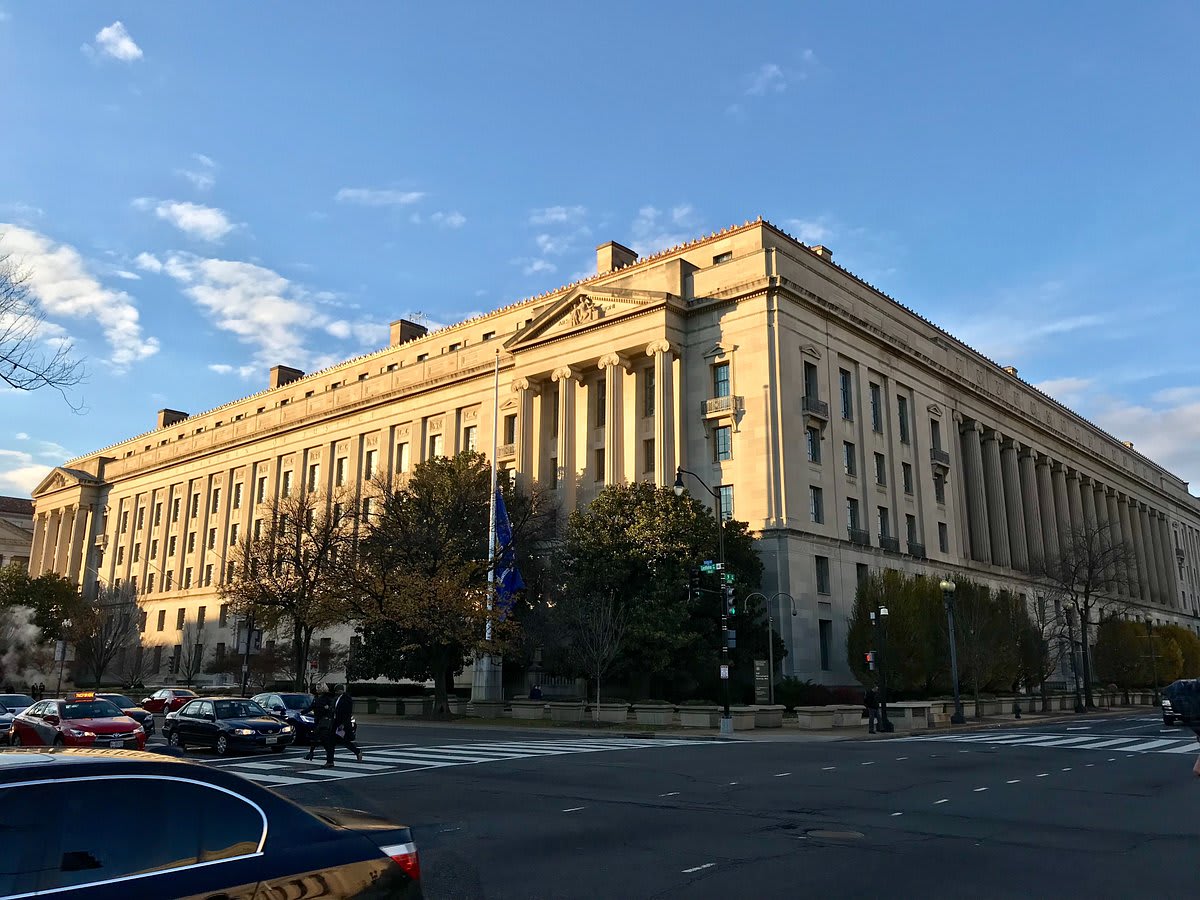
The agreement requiring the Justice Department to establish the fund has not been amended or terminated by all parties involved. Under the settlement's terms, changes generally require written approval from Trump and the other signatories, something Sunday's order did not include.
During his confirmation hearing, Blanche acknowledged the settlement could still be enforceable and that Trump's legal team could potentially argue the government breached its obligations by refusing to operate the fund.
That unresolved question means the political fight may have eased while the legal dispute remains unfinished.
Confirmation battle enters final stage
Blanche's latest action could prove decisive as the Senate Judiciary Committee prepares to vote on his nomination.
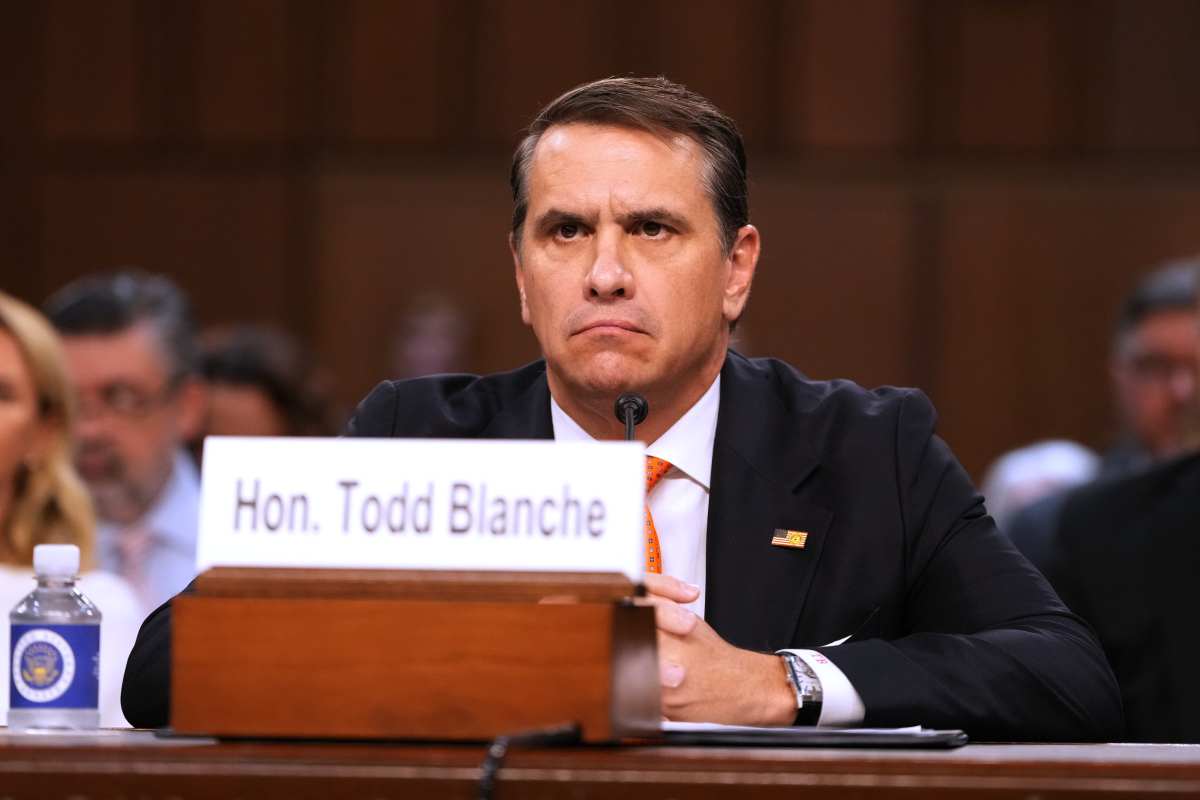
While Cornyn signaled satisfaction with the revised arrangement, Tillis had not publicly confirmed whether he would now support advancing Blanche to the full Senate.
The timing is especially notable because Trump's public comments just one day earlier appeared to complicate negotiations by reviving support for the fund before Blanche reversed course.
The immediate controversy over the anti-weaponization fund may now be over inside the Justice Department, but until the underlying settlement is fully resolved, the legal battle surrounding one of Trump's most controversial agreements is unlikely to disappear.